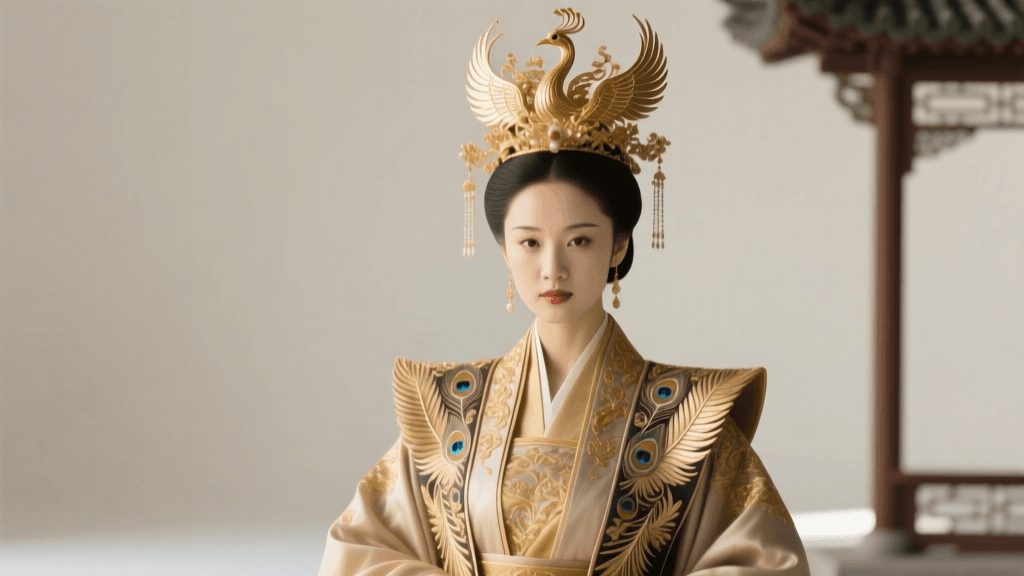
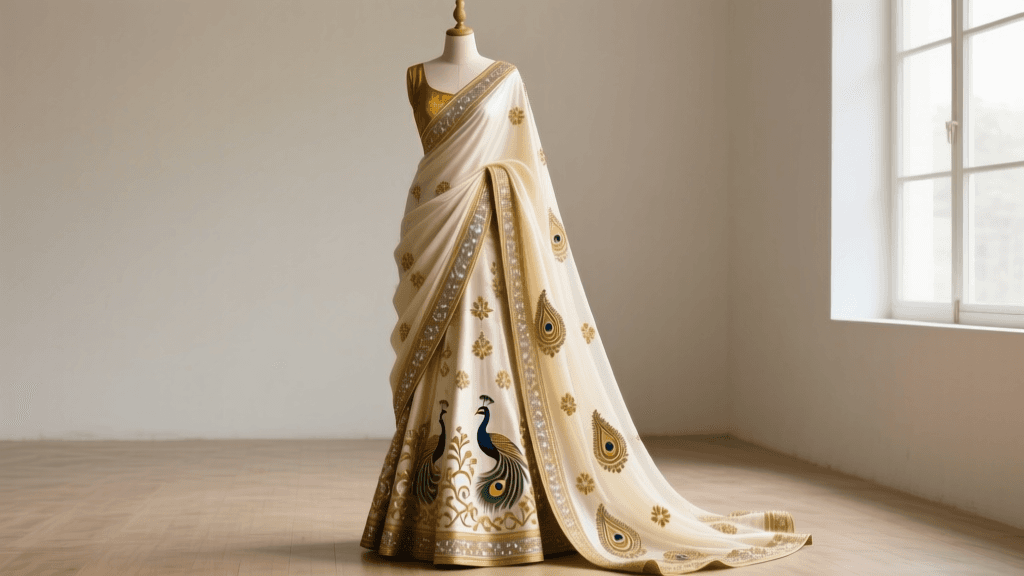
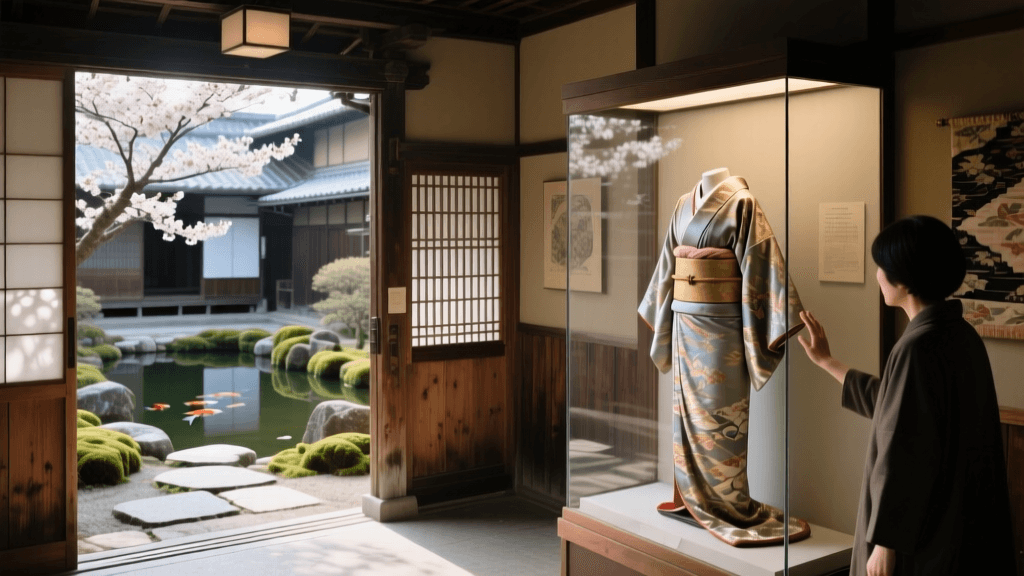
Xin Zhongshi Runway: Chinese Fashion at 2026 Global Design Weeks
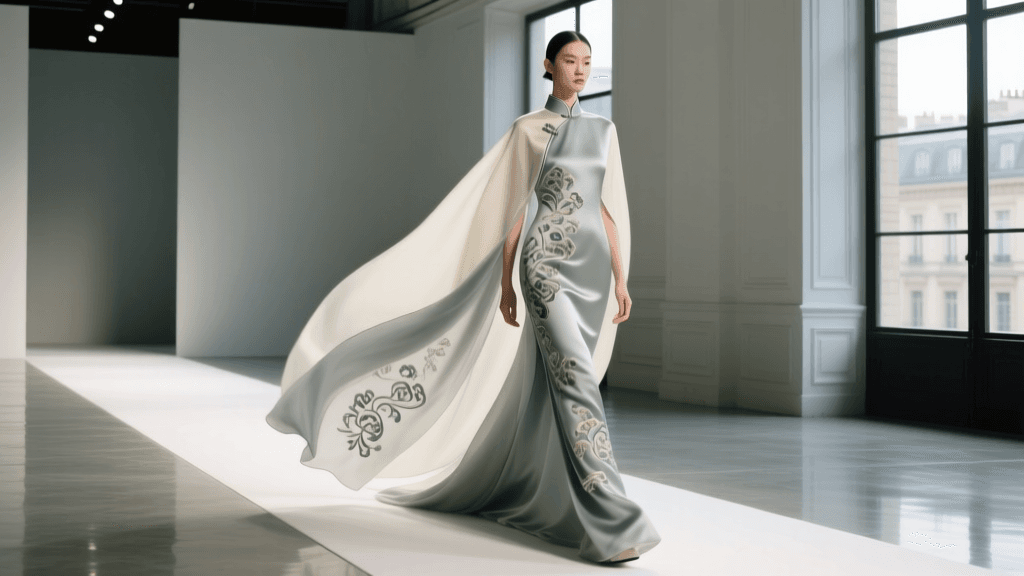
The Rise of Xin Zhongshi on the 2026 Global Stage
The global fashion landscape in 2026 has witnessed an unprecedented integration of traditional Asian garments into mainstream luxury and avant-garde design. At the heart of this movement is Xin Zhongshi (新中式), or the 'New Chinese Style.' Once confined to domestic streetwear and niche cultural revivals, Xin Zhongshi has officially conquered the international runway. From the historic salons of Paris Fashion Week to the industrial showrooms of Milan Design Week, contemporary Chinese designers are redefining how the world interacts with ancient weaving techniques, structural silhouettes, and heritage textiles.
Unlike the overt, costume-like interpretations of the early 2010s, the 2026 iteration of Xin Zhongshi is rooted in rigorous academic research and sophisticated fabric drape analysis. Designers are collaborating directly with master weavers in Suzhou and Hangzhou to adapt historical garments for modern, dynamic movement. According to historical archives maintained by the Metropolitan Museum of Art, Chinese fashion has always been characterized by its structural elegance and symbolic textile motifs. Today's designers are honoring this legacy while engineering these garments for the contemporary global wardrobe, resulting in collections that are both culturally profound and commercially viable on the international stage.
Three Traditional Garments Dominating the 2026 Runways
To understand the current international fascination with Chinese fashion, one must examine the specific heritage garments that have been re-engineered for the 2026 runway season. These three pieces represent the pinnacle of the Xin Zhongshi movement.
1. The Mamianqun (Horse-Face Skirt)
The Mamianqun, a wrap skirt characterized by its flat front and back panels flanked by intricate knife pleats, has become the undisputed breakout star of the 2026 Paris and Milan shows. Originally popularized during the Ming Dynasty, the modern runway Mamianqun utilizes advanced thermal-pleating technology combined with traditional silk-blend organzas to ensure the pleats remain razor-sharp even during dynamic movement.
- Construction Details: A standard 2026 runway Mamianqun features 12 to 24 knife pleats per side, each precisely measured at 2.5 to 3 centimeters in width.
- Fabric Innovations: Designers are moving away from heavy brocades, opting instead for 16-momme to 19-momme silk crepe de chine, which allows for a fluid drape that catches the light beautifully under runway spotlights.
- Styling on the Runway: In Milan, the skirt was frequently paired with oversized, deconstructed blazers and minimalist knitwear, creating a striking juxtaposition between historical volume and modern austerity.
2. Xiangyunsha (Gambiered Canton Gauze)
Sustainability has been a major driver of international fashion in 2026, bringing Xiangyunsha to the forefront of eco-conscious luxury. This ancient fabric, originating from Guangdong province, is dyed using the juice of the wild yam (Dioscorea cirrhosa) and coated with iron-rich mud from specific riverbeds, then sun-dried. The result is a dual-toned textile: a rich, glossy black on one side and a matte, earthy brown on the other.
The 2026 international exhibitions have highlighted Xiangyunsha not just for its aesthetic, but for its zero-chemical, biodegradable production cycle. Industry analysis from The Business of Fashion's China sector reports notes that authentic Shunde Xiangyunsha has seen a 40% increase in global wholesale demand this year. On the runway, it is being utilized for structured trench coats and flowing, asymmetrical tunics that showcase its unique, paper-like rustling sound—a sensory detail highly prized by avant-garde directors.
3. The Song Dynasty Beizi (Open-Front Jacket)
For buyers and attendees focused on minimalist elegance, the Song-style Beizi has been heavily featured in London and Paris. Characterized by its straight, open-front silhouette, side slits, and narrow sleeves, the Beizi offers a masterclass in understated luxury. In 2026, designers are rendering the Beizi in translucent silk gauze (Luo) and lightweight linen, utilizing it as an elevated layering piece over modern slip dresses or tailored trousers. The subtle embroidery along the collar and cuffs—often featuring tone-on-tone botanical motifs—provides a textured depth that translates exceptionally well in high-definition digital fashion broadcasts.
2026 Exhibition & Runway Attendance Guide
For industry professionals, buyers, and cultural enthusiasts looking to experience Xin Zhongshi firsthand, navigating the 2026 international design weeks requires strategic planning. Access to these exclusive exhibitions and runway shows is highly regulated, but with the right approach, attendance is entirely achievable.
Securing Access to Paris and Milan Showrooms
Most Chinese heritage brands showcasing in Paris operate under the official calendar of the Fédération de la Haute Couture et de la Mode (FHCM). To attend the physical shows or the subsequent static exhibitions at venues like the Palais de Tokyo, you must apply for accreditation at least 60 days in advance. For buyers, registering through the FHCM professional portal with a verified retail entity is mandatory. In Milan, the Camera Nazionale della Moda Italiana (CNMI) manages showroom appointments. Emerging Xin Zhongshi brands often host intimate, invitation-only presentations in historic Milanese palazzos; securing an invitation typically requires networking through established Asian fashion PR agencies based in Europe, such as Karla Otto or Mafalda.
Public Exhibitions and Cultural Pavilions
If runway accreditation is out of reach, 2026 offers an unprecedented number of public-facing museum exhibitions dedicated to Chinese textile heritage and its modern interpretations. Institutions like the Victoria and Albert Museum (V&A) and the Musée des Arts Décoratifs have curated extensive Asian textile collections that frequently feature contemporary dialogues with historical garments. These exhibitions are open to the public, though timed-entry tickets for special 2026 showcases must be booked weeks in advance due to overwhelming global interest.
Comparison Table: 2026 Key Chinese Fashion Exhibitions
| Event / Exhibition | Location | 2026 Dates | Estimated Ticket / Access Cost | Primary Focus |
|---|---|---|---|---|
| PFW Xin Zhongshi Emerging Designers Showcase | Le Marais, Paris | March 4 - March 8, 2026 | €45 (Public Static Exhibition) | Modern Mamianqun & Streetwear Fusion |
| Milan Design Week: Silk Road Textile Pavilion | Triennale Milano | April 12 - April 20, 2026 | €20 (General Admission) | Xiangyunsha & Sustainable Dyeing Techniques |
| Intertextile Shanghai Apparel Fabrics (Spring) | National Exhibition Center, Shanghai | March 11 - March 13, 2026 | Free (Trade Buyer Registration) | B2B Sourcing for Heritage Silk & Brocade |
| London Fashion Week: Asian Heritage Hub | 180 The Strand, London | February 18 - February 20, 2026 | £60 (Industry Masterclasses) | Song Dynasty Silhouettes & Drape Analysis |
Sourcing Authentic Pieces: A Buyer’s Action Plan
For international boutique owners and luxury department store buyers, the post-runway period in 2026 presents a lucrative opportunity to stock authentic Xin Zhongshi garments. However, the market is currently flooded with mass-produced imitations that lack the structural integrity and historical accuracy of true heritage pieces. To ensure authenticity and quality, buyers must adopt a rigorous sourcing strategy.
Step 1: Verify the Weaving Origin
Authentic Xiangyunsha must originate from the Shunde district of Foshan. When reviewing line sheets from Chinese brands in 2026, demand the 'Geographical Indication' (GI) certification for the fabric. For Song-style brocades (Songjin), verify that the weaving was executed on traditional wooden jacquard looms in Suzhou, which produce a distinct, reversible pattern that modern power looms cannot replicate.
Step 2: Understand the Pricing Matrix
Pricing for authentic Xin Zhongshi has stabilized in 2026, reflecting the intense labor required. Expect to pay between €120 and €180 per meter for genuine, sun-dried Xiangyunsha at wholesale. A fully constructed, runway-ready Mamianqun utilizing genuine metallic-thread brocade will typically wholesale between €450 and €850, depending on the complexity of the waistband embroidery and the hardware used (such as custom-cast brass clasps versus standard alloy hooks).
Step 3: Attend the Shanghai Intertextile Fair
While Paris and Milan are excellent for viewing finished runway collections, the actual sourcing of raw heritage textiles happens in China. The Spring 2026 Intertextile Shanghai Apparel Fabrics fair is the premier destination for connecting directly with the master weavers and dye houses that supply the top-tier Xin Zhongshi brands. Buyers should allocate at least three days for this event, focusing specifically on Hall 4.1, which is dedicated to intangible cultural heritage textiles and sustainable silk innovations.
The Future of Asian Traditions in Global Fashion
The integration of Chinese fashion into the 2026 international design weeks is not a fleeting trend; it is a permanent recalibration of the global fashion hierarchy. By treating traditional garments like the Mamianqun and Xiangyunsha with the same reverence and technical scrutiny previously reserved for European haute couture, designers are ensuring that Asian traditions remain vibrant, relevant, and highly influential. For the culturally conscious consumer and the strategic industry buyer, engaging with the Xin Zhongshi movement offers a profound connection to history, reimagined for the modern world.
'The true power of Xin Zhongshi in 2026 lies in its refusal to compromise. It does not dilute its heritage to appease Western silhouettes; instead, it invites the global audience to understand and adapt to the elegance of Asian structural design.' — Curator's Note, 2026 Milan Silk Road Pavilion.