LDS Temple Garments in 2026: Religious Meaning & Symbolism

The Sacred Origins and Religious Meaning
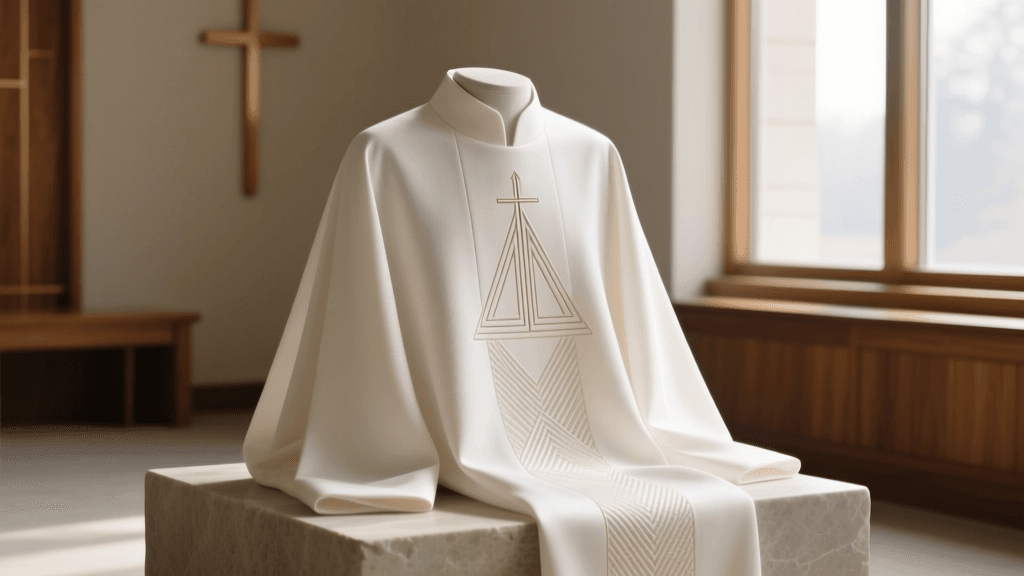
In the diverse tapestry of religious and cultural dress across the Americas, few garments carry as much intimate spiritual weight and public curiosity as the temple garments worn by faithful members of The Church of Jesus Christ of Latter-day Saints. As we navigate 2026, the intersection of ancient covenant-making and modern textile innovation has brought the cultural significance of these garments into a new light. Far from being a mere article of clothing, the temple garment serves as a deeply personal, sacred reminder of covenants made with God. For the millions of Latter-day Saints residing across North and South America, this religious dress is a foundational element of daily identity, shaping everything from personal modesty to community cohesion.
To understand the temple garment, one must look beyond the physical fabric and examine the theological framework of the Latter-day Saint 'endowment' ceremony. Within the sacred space of the temple, adult members make solemn covenants—promises to live lives of integrity, chastity, and devotion to God. The garment is introduced during this ceremony as a physical representation of those spiritual commitments. Much like the tzitzit worn by observant Jews to remember the commandments, or the scapular worn by devout Catholics as a sign of consecration, the LDS temple garment functions as an ever-present, tactile anchor to a higher spiritual calling in an increasingly secularized world.
Decoding the Sacred Marks and Symbolism
Historically, temple garments have featured specific woven or embroidered marks that carry profound symbolic meaning. While the exact liturgical explanations are kept sacred and private within the walls of the temple, historians and faithful members acknowledge their symbolic ties to core Christian and moral virtues. The marks traditionally include the Square, representing honor and integrity; the Compass, symbolizing the desire to keep one's passions and actions within the bounds of divine law; the Navel, representing the need for continuous prayer and spiritual sustenance; and the Knee, denoting a willingness to bow in reverence to God.
By 2026, the Church has made thoughtful adjustments to how these marks are integrated into the fabric. Recognizing the diverse climates and active lifestyles of its global membership, recent designs prioritize modesty, durability, and comfort without diluting the sacred symbolism. The focus for modern members has shifted heavily toward the holistic covenant rather than a hyper-fixation on the physical marks themselves, reflecting a mature, spiritually centered approach to religious dress in the modern era.
Modern Temple Garment Styles in 2026
The evolution of the physical garment over the last century is a fascinating study in religious adaptation. In the early 20th century, garments were one-piece union-suit styles that covered the wearer from wrist to ankle. Today, the standard is a two-piece design (a top and a bottom) that accommodates contemporary clothing styles while maintaining the required coverage of the shoulders, midriff, and upper thighs.
In 2026, the Church's distribution system offers an impressive array of highly specialized garments designed for different climates, body types, and activities. According to the Church's Official Distribution Store, the current lineup includes advanced moisture-wicking fabrics, inclusive maternity designs, and adaptive wear for members with physical disabilities. This commitment to accessibility ensures that the sacred covenants are not hindered by physical limitations or extreme environments.
| 2026 Garment Style | Fabric Composition | Best Use Case | Key Features |
|---|---|---|---|
| Classic Cotton | 100% Combed Cotton | Everyday wear, temperate climates | Breathable, traditional feel, durable |
| Modal Stretch | Modal/Spandex Blend | Office wear, form-fitting clothing | Ultra-soft, invisible under thin fabrics |
| Athletic Mesh | Synthetic Moisture-Wicking | Sports, gym, hot/humid climates | Quick-dry, anti-odor, maximum ventilation |
| Cap-Sleeve Scoop | Cotton/Modal Blend | Summer dresses, wide-neck tops | Lower neckline, shorter sleeve, modest coverage |
| Adaptive / Maternity | Stretch Cotton Panels | Pregnancy, mobility impairments | Velcro/snap closures, expandable midriff |
Cultural Identity and Modesty in the Americas
The cultural impact of the temple garment extends far beyond the individual; it shapes entire communities. According to Pew Research Center's demographic data on Latter-day Saints, the Americas remain the demographic heartland of the faith, with massive populations concentrated in the United States (particularly Utah, Idaho, and Arizona), Mexico, Brazil, and Peru. In these regions, the shared commitment to wearing the garment fosters a strong sense of in-group solidarity and mutual accountability.
Furthermore, the garment inherently dictates a standard of modesty. Because the garment covers the torso and upper thighs, endowed members naturally gravitate toward clothing that conceals these areas. Interestingly, the mainstream fashion landscape of 2026 has seen a major resurgence in 'modest fashion' aesthetics. High-necklines, oversized blazers, longer hemlines, and layered looks are dominating global runways and streetwear alike. For many endowed Latter-day Saint women and men, this 2026 fashion cycle is a welcome shift, allowing them to participate fully in contemporary style without the friction of compromising their religious commitments.
Respectful Terminology and External Understanding
Despite the sacred nature of the garment, it has frequently been the target of misunderstanding, satire, and irreverent media portrayals. The derogatory colloquialism 'magic underwear' has long been a point of pain for faithful members, as it reduces a deeply sacred covenant to a caricature of superstition. In response, religious scholars and Church leaders have continually advocated for more respectful public discourse.
The Church's Official Style Guide explicitly requests that media outlets, journalists, and the general public use the proper terminology: 'temple garments' or 'sacred garments.' The guide notes that these items are 'sacred to church members and should be treated with respect.' As cultural literacy regarding indigenous and homegrown American religious traditions improves in 2026, there is a growing expectation among sociologists and interfaith advocates that the public will extend the same reverence to LDS garments as they would to a Sikh's turban, a Jewish kippah, or an Indigenous elder's regalia.
Conclusion: A Bridge Between the Eternal and the Everyday
Ultimately, the cultural significance of the LDS temple garment in 2026 lies in its function as a bridge between the eternal and the everyday. In a world characterized by rapid digital distraction and shifting moral paradigms, the garment provides a quiet, constant, and physical reminder of a Latter-day Saint's highest aspirations. Whether a member is navigating a corporate boardroom in New York, teaching a classroom in São Paulo, or raising a family in Salt Lake City, the garment remains an intimate, unseen companion. It is a testament to the enduring human desire to wear one's faith not just on one's sleeve, but woven into the very fabric of daily life.