Authentic Mexican Rebozos 2026: Sourcing & Care Guide
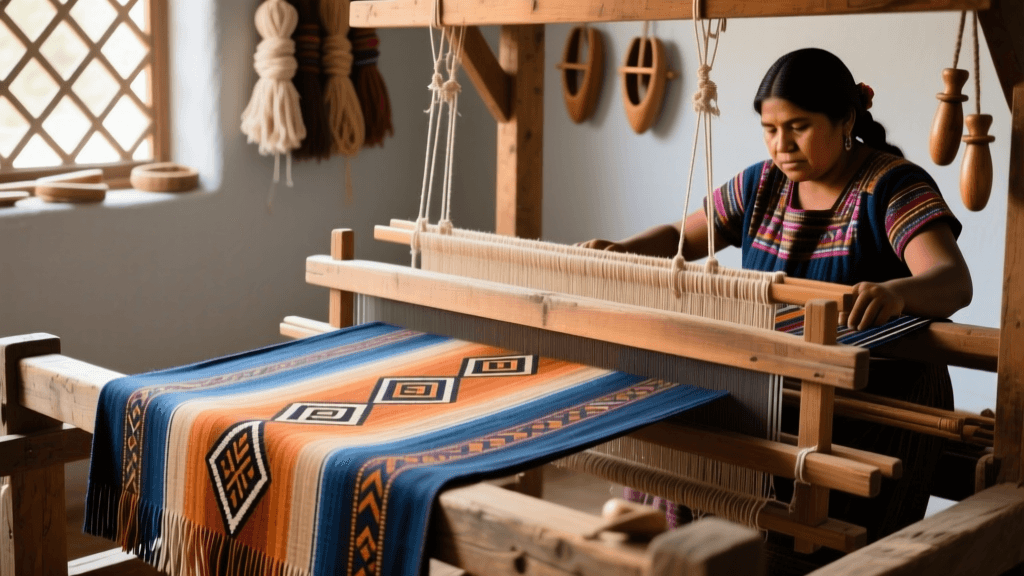
The Enduring Legacy of the Mexican Rebozo in 2026
The Mexican rebozo is far more than a simple shawl or garment; it is a profound symbol of cultural identity, indigenous resilience, and unparalleled artisanal mastery. As we navigate the global textile landscape in 2026, the demand for authentic, handwoven Latin American garments has surged, driven by a collective shift toward conscious consumerism and the preservation of ancestral techniques. However, this surge has also led to an influx of mass-produced, machine-woven imitations flooding online marketplaces. For collectors, cultural enthusiasts, and ethical fashion advocates, understanding the intricate anatomy, regional variations, and true market value of an authentic rebozo is more critical than ever.
This comprehensive guide will walk you through the nuances of sourcing authentic silk rebozos from the legendary weaving hubs of Tenancingo and Santa María del Río, complete with 2026 pricing benchmarks, care instructions, and styling techniques that honor the garment's rich heritage.
Anatomy of a Masterpiece: Understanding the Rebozo
To appreciate the value of a traditional rebozo, one must first understand its anatomy. A genuine, handwoven rebozo is created on a backstrap loom or a traditional wooden pedal loom, utilizing a continuous warp thread. This means the fringe is not sewn on later; it is an extension of the very threads that make up the body of the garment.
- El Cuerpo (The Body): The main woven section of the shawl, typically measuring between 70 to 80 centimeters in width and 150 to 180 centimeters in length. It features the primary pattern, often achieved through complex resist-dyeing techniques.
- Las Puntas (The Tips): The transitional areas where the woven body ends and the loose warp threads begin.
- El Rapacejo (The Fringe): The most labor-intensive and defining feature of the rebozo. Master artisans, known as rapacejeras, hand-tie thousands of microscopic knots into the loose warp threads to create elaborate, sculptural fringes that can add up to 40 centimeters to the total length of the garment.
The Magic of Ikat: The Amarrado Technique
The mesmerizing, slightly blurred patterns characteristic of the finest rebozos are achieved through a meticulous resist-dyeing process known globally as Ikat, but referred to locally in Mexico as amarrado or jaspe. Before the silk or cotton threads are mounted on the loom, the artisan tightly binds specific sections of the warp threads with cotton string or waxed cord. When the bound threads are submerged in dye vats, the tied sections resist the color. This process is repeated multiple times with different dye baths to create complex, multi-colored geometric or floral motifs. In 2026, while some cooperatives have adopted eco-friendly synthetic dyes for colorfastness, the most prestigious and expensive rebozos still utilize natural dyes derived from cochineal insects (for rich reds and purples), indigo (for deep blues), and marigold flowers (for vibrant yellows).
Tenancingo vs. Santa María del Río: A 2026 Regional Comparison
While rebozos are woven in various parts of Mexico, the undisputed capitals of this craft are Tenancingo in the State of Mexico, and Santa María del Río in San Luis Potosí. Each region boasts distinct characteristics, materials, and pricing structures in the current market.
| Feature | Tenancingo (Estado de México) | Santa María del Río (San Luis Potosí) |
|---|---|---|
| Primary Material | Artisanal Silk (Seda Artesanal) & Native Cotton | Silk, Cotton, and Artisanal Rayon (Articela) |
| Signature Pattern | Classic Ikat (Jaspe), Rebozo de Bolita (polka dot ikat) | Coyoche (natural coyote-colored cotton), intricate geometric ikat |
| Rapacejo Style | Tight, dense, microscopic knots, often flat and elegant | Elaborate, multi-tiered, highly sculptural and voluminous knots |
| 2026 Avg. Price (Silk) | $450 – $950 USD | $350 – $800 USD |
| Drape & Weight | Medium-heavy, structured, excellent for babywearing | Fluid, lightweight, high sheen, ideal for elegant draping |
| Loom Type | Predominantly backstrap loom and pedal loom | Predominantly pedal loom |
Sourcing Authentically in 2026: Where and How to Buy
The push for a formal Denominación de Origen (Appellation of Origin) for Tenancingo rebozos has gained significant legal and cultural traction in 2026, helping to protect local weavers from fast-fashion plagiarism. When sourcing a genuine piece, bypass generic online marketplaces and seek out direct-to-artisan cooperatives or verified cultural institutions.
Recommended Sourcing Channels
- Casa del Rebozo (Santa María del Río): A government-backed cultural center and cooperative that guarantees the authenticity of the garments. Purchasing here directly funds the local rapacejeras and weavers.
- Arte y Seda Tenancingo: A collective of master weavers specializing in the highly coveted rebozo de bolita (a complex ikat pattern resembling tiny dots). Expect to pay a premium, often exceeding $800 USD for a full silk piece with a 4,000-knot fringe.
- FONART Certified Retailers: The Fondo Nacional para el Fomento de las Artesanías (FONART) maintains a directory of vetted galleries in Mexico City and Oaxaca that sell authenticated, fairly traded textiles. Always ask for a certificate of authenticity and a FONART hologram sticker.
Understanding 2026 Pricing Benchmarks
Pricing an authentic rebozo requires understanding the labor involved. A master weaver may spend three months dyeing and weaving the cuerpo, while a rapacejera may spend an additional two months tying the fringe. In 2026, a genuine handwoven cotton rebozo starts around $120 to $180 USD. However, a true silk rebozo de aroma (scented with natural resins) from Tenancingo will reliably command between $500 and $950 USD, reflecting the rising cost of raw silk and the living wages demanded by artisanal guilds.
How to Spot a Mass-Produced Fake
As the aesthetic of the rebozo has been co-opted by global bohemian fashion brands, knowing how to identify a machine-made fake is an essential skill for the modern collector.
- The Fringe Test: Turn the rebozo over. If the fringe is sewn onto a finished hem with a distinct stitch line, it is a factory-made imitation. An authentic rebozo's fringe is the literal continuation of the warp threads.
- The Pattern Test: Examine the ikat pattern closely. True jaspe will have a slight, organic blurriness to the edges of the design because the threads shift slightly during weaving. If the pattern is perfectly crisp, or if you can see the pattern printed only on one side of the fabric, it is a digital textile print.
- The Width Test: Traditional backstrap and pedal looms have physical limitations. If the shawl is wider than 90 centimeters without a visible central seam where two panels were joined, it was likely woven on an industrial power loom.
Care and Maintenance for Artisanal Silk
An authentic silk rebozo is an heirloom piece that can last for generations if cared for properly. The natural dyes and delicate hand-spun silk require specific maintenance protocols.
Washing Instructions
Never machine wash or dry clean a traditional rebozo, as the harsh chemicals and agitation will destroy the natural dyes and unravel the intricate rapacejo knots.
- Fill a clean basin with cold water and add a teaspoon of pH-neutral, eco-friendly textile soap.
- Submerge the rebozo and gently agitate it with your hands for no more than three minutes.
- Rinse thoroughly with cold water. Do not wring or twist the fabric, as this will warp the ikat pattern.
- Lay the rebozo flat on a clean, dry towel in the shade. Direct sunlight will rapidly fade natural cochineal and indigo dyes.
Storage and Scenting
Never hang a heavy silk rebozo on a wire or wooden hanger, as the weight of the fringe will stretch and distort the warp threads over time. Instead, roll the rebozo loosely around an acid-free cardboard tube. Traditionally, artisans in Tenancingo store their rebozos in wooden chests alongside almáciga (a natural tree resin) or dried lavender to protect the silk from moths and impart a subtle, earthy fragrance.
Modern Styling and Everyday Wear
In 2026, the rebozo has seamlessly transitioned from a purely traditional garment to a versatile staple in contemporary, globally-conscious wardrobes. Beyond its historical use as a modesty covering or religious veil, modern styling embraces its functional elegance.
- The Desk-to-Dinner Wrap: Drape a lightweight Santa María articela rebozo over your shoulders, securing it at the chest with a simple, loose knot. It serves as an elegant alternative to a blazer or cardigan in climate-controlled environments.
- The Cargador (Babywearing): The dense, structured weave of a Tenancingo cotton or silk rebozo makes it one of the safest and most supportive babywearing garments in the world. Utilizing the traditional asiento (seat) knot, the rebozo distributes the infant's weight evenly across the wearer's back and shoulders.
- The Halter Dress: For formal summer events, a long silk rebozo can be intricately folded and tied around the neck and waist to create a stunning, custom-fitted halter dress, a technique championed by contemporary Mexican fashion designers.
Preserving the Thread of History
Purchasing an authentic Mexican rebozo in 2026 is an act of cultural preservation. By investing directly in the cooperatives of Tenancingo and Santa María del Río, you ensure that the ancient rhythms of the backstrap loom and the meditative art of the rapacejo continue to thrive. For further research into the indigenous textile traditions that inform these techniques, the archives of the Museo Textil de Oaxaca and the cultural preservation initiatives detailed by the Dirección General de Culturas Populares offer invaluable, in-depth resources. When you wrap yourself in a genuine rebozo, you are not merely wearing a garment; you are enveloping yourself in centuries of history, mathematics, and profound artistic devotion.