Styling Modern Hakama and Haori in 2026: Japanese Fashion Guide
The Renaissance of Japanese Heritage Wear in 2026
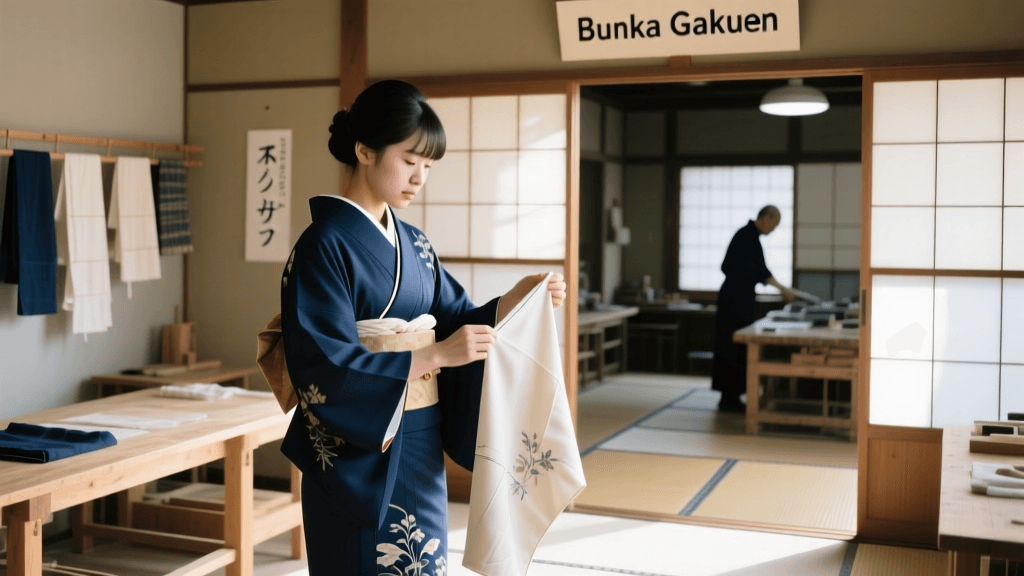
As we navigate the global fashion landscape of 2026, the intersection of deep cultural heritage and radical sustainability has become the defining ethos of contemporary Japanese style. While the kimono remains an iconic symbol of Japan, it is the hakama (pleated trousers/skirts) and the haori (traditional jackets) that have truly broken through into everyday, wearable streetwear and modern formal attire. No longer confined to martial arts dojos, graduation ceremonies, or historical reenactments, these garments are being reimagined by a new generation of designers and consumers who value structural elegance, gender-neutral silhouettes, and eco-conscious textiles.
According to the Metropolitan Museum of Art's comprehensive overview of Japanese fashion, the historical evolution of Japanese dress has always been characterized by a dynamic tension between strict sartorial codes and innovative, individualistic expression. In 2026, this expression is heavily focused on modularity and layering. The haori and hakama offer exactly this: they are transformative pieces that can instantly elevate a minimalist Western wardrobe into a statement of architectural fashion. This comprehensive guide will explore how to source, style, and care for modern hakama and haori in 2026, with a special focus on the sustainable textiles driving the market today.
The Hakama: From Martial Arts to Modern Streetwear
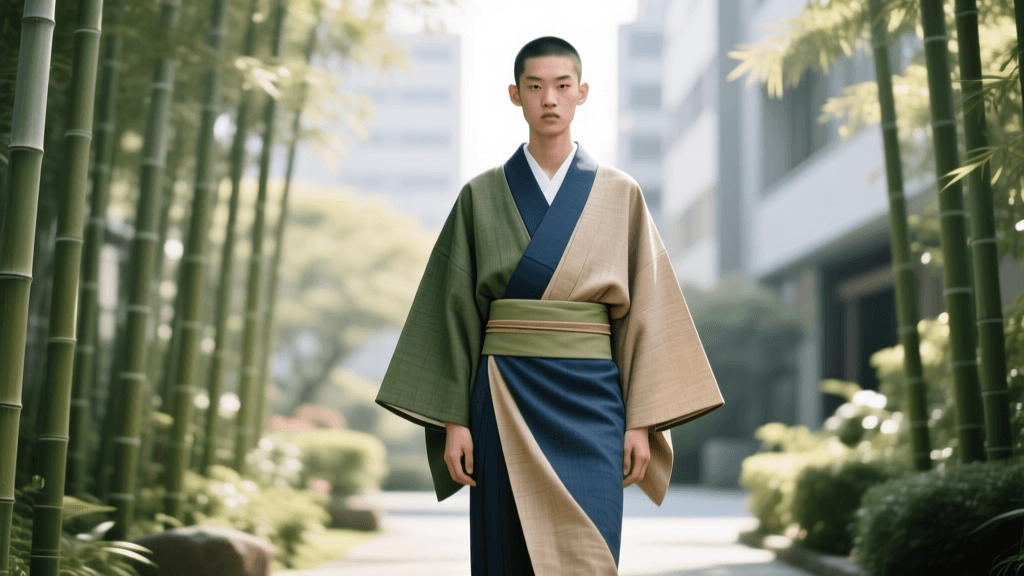
The hakama is traditionally a pleated, wide-legged garment worn over a kimono. However, in 2026, it is frequently worn over tailored trousers, leggings, or even bare legs in the summer months. Understanding the two primary types of hakama is essential for modern styling:
- Umanori (Divided Hakama): Resembling wide-leg culottes or palazzo pants, the umanori features a divided crotch. This style is highly practical for urban commuting, cycling, and active streetwear. In 2026, designers are releasing umanori hakama with hidden elastic waistbands and deep side pockets, catering to the modern need for functionality.
- Andon (Undivided Hakama): Functioning more like a pleated midi or maxi skirt, the andon hakama offers a fluid, dramatic drape. It is the preferred choice for avant-garde formal wear and high-fashion editorial looks.
Sizing and Proportions for the Modern Wardrobe
Unlike Western trousers that are sized by waist and inseam, traditional hakama are sized by a single number corresponding to the wearer's height and the desired length. For a contemporary 2026 streetwear look, many stylists recommend sizing down slightly to achieve an ankle-grazing, cropped silhouette that pairs well with chunky sneakers or modern tabi boots. For example, a wearer who is 175 cm tall might traditionally wear a size 25 (approx. 91 cm length), but opting for a size 24 (approx. 87 cm) creates a modern, cropped proportion that prevents the fabric from dragging on urban pavements.
The Haori: The Ultimate Layering Piece
If the hakama provides structural volume to the lower half, the haori provides architectural framing to the upper body. The haori is a hip- or thigh-length jacket with wide, open sleeves and a straight, unfastened front. Historically worn to protect the kimono from the elements or to display family crests (kamon), the 2026 haori is celebrated for its effortless layering capabilities.
The Victoria and Albert Museum notes that Japanese garment construction traditionally relies on straight-line cutting and minimal fabric waste, a principle that resonates deeply with the zero-waste fashion movements of 2026. The haori's simple, T-shaped construction makes it an ideal canvas for modern textile innovation.
2026 Haori Styling Combinations
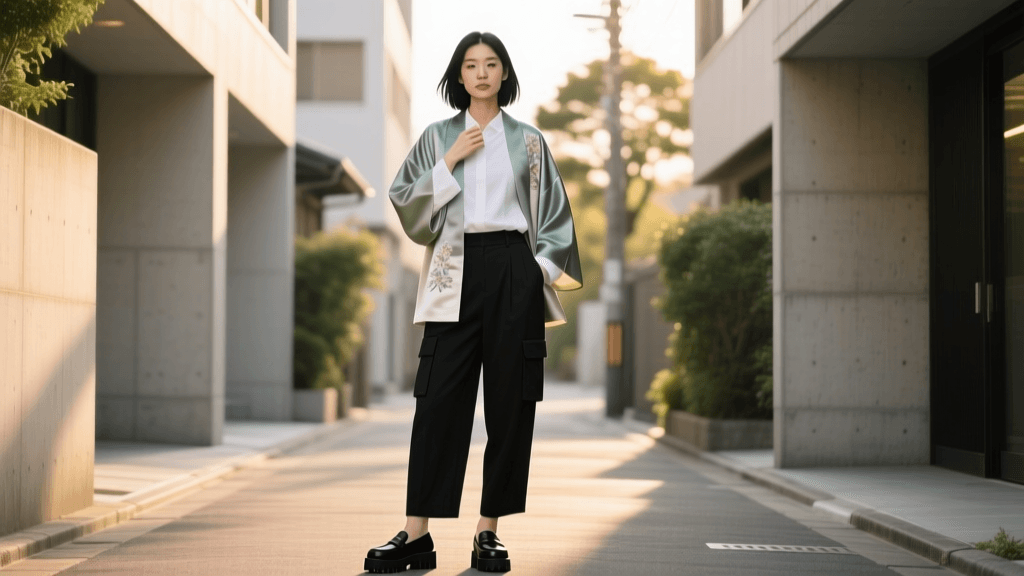
- The Minimalist Professional: Pair a solid-colored, matte-finish haori (such as deep indigo or charcoal grey organic cotton) over a fitted merino wool turtleneck and tailored wide-leg trousers. The haori replaces the traditional blazer, offering a relaxed yet authoritative silhouette suitable for creative industries.
- The Urban Explorer: Layer a cropped, water-resistant nylon haori over a vintage graphic tee and cargo pants. Many 2026 tech-wear brands in Tokyo are integrating haori silhouettes with magnetic closures and concealed utility pockets.
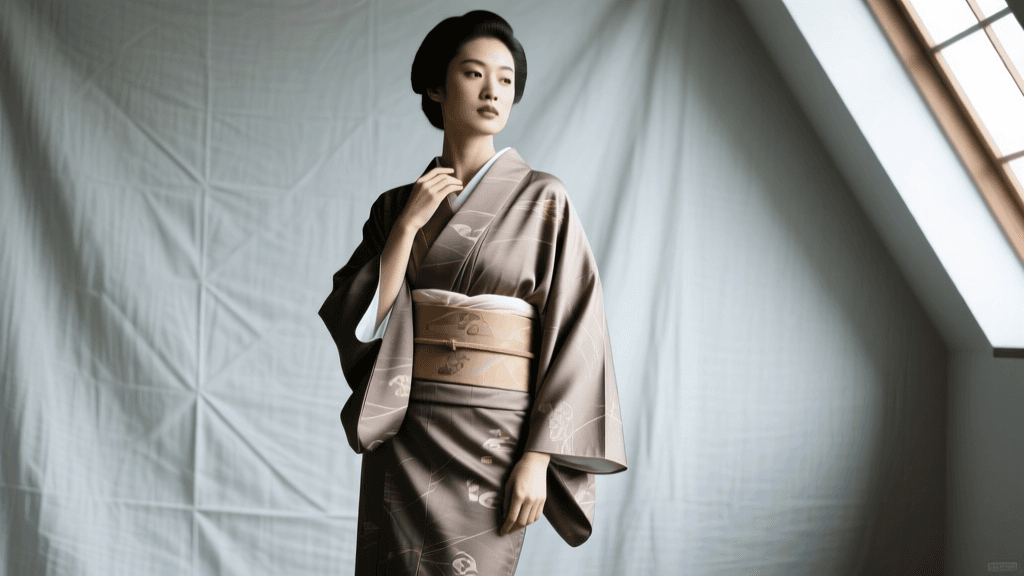
- The Evening Elegance: Drape a vintage, silk hifu (a specific type of padded haori) or a heavily embroidered modern haori over a sleek, slip-style midi dress. The contrast between the fluid dress and the structured, boxy haori creates a striking visual balance.
Sustainable Textiles Driving 2026 Japanese Fashion
The most significant shift in the 2026 Japanese heritage market is the move away from conventional, resource-heavy silk production and synthetic polyesters toward innovative, sustainable textiles. Artisans in Kyoto and Kanazawa are collaborating with bio-tech firms to create fabrics that honor traditional weaving techniques while minimizing environmental impact.
| Fabric Type | Origin & Heritage | 2026 Sustainability Factor | Average 2026 Cost (JPY) |
|---|---|---|---|
| Organic Ramie | Miyako Jofu tradition (Okinawa) | Zero-pesticide, low water usage, highly durable and breathable. | ¥35,000 - ¥55,000 |
| Recycled PET Silk-Alternative | Modern Tokyo Tech-Labs | Upcycles ocean plastics into a fiber that mimics the luster and drape of habotai silk. | ¥20,000 - ¥30,000 |
| Ahimsa (Peace) Silk | Ethical Sericulture Farms | Harvested only after the silkworm has naturally emerged from the cocoon, ensuring zero harm. | ¥60,000 - ¥85,000 |
| Upcycled Vintage Tsumugi | Kyoto & Kanazawa Upcycling Collectives | Deconstructs unsalvageable vintage kimonos to reweave the slubbed tsumugi silk into modern haori. | ¥45,000 - ¥70,000 |
Footwear and Accessories: Completing the 2026 Look
Styling hakama and haori requires careful consideration of footwear to maintain the garment's visual integrity. In 2026, the traditional zori or geta (wooden clogs) are largely reserved for formal kimono dressing. For contemporary styling, the tabi (split-toe) shoe has evolved significantly.
High-end sneaker collaborations and domestic Japanese brands like SOU-SOU and地下足袋 (Jikatabi) manufacturers have released 2026 collections featuring eco-rubber soles, recycled knit uppers, and ergonomic arch support. A pair of black, split-toe canvas sneakers or sleek leather tabi boots perfectly anchors the wide, flowing hem of an umanori hakama without competing for visual attention.
For accessories, the haori himo (the cords used to tie the haori front) offers a chance for personalization. While traditional braided silk cords are still used, 2026 trends favor interchangeable, hand-carved wooden toggles, recycled brass clasps, or even minimalist leather straps that allow the haori to be secured in a more structured, coat-like manner.
Step-by-Step Guide: Tying the Hakama
Wearing a hakama over modern clothing requires a slight adjustment to the traditional tying method to ensure it sits comfortably on the natural waist or hips without slipping.
- Positioning: Step into the hakama and pull the front panel up to your desired waist height. For a modern look over jeans or trousers, the natural waist is preferred to elongate the legs.
- The Front Cords: Take the two long front cords and wrap them around your back, crossing them over the koshiita (the rigid backboard). Bring them back to the front.
- The Knot: Tie a simple, secure square knot at the front center. Unlike traditional kimono dressing where the knot is hidden or highly formalized, contemporary 2026 styling often leaves a neat, visible bow or knot at the front as a deliberate design element.
- The Back Cords: Take the shorter back cords, bring them to the front, and tie them over or just under the front knot, tucking the excess fabric neatly into the waistband.
Care and Maintenance of Modern Heritage Garments
Proper care is essential to preserve the structural pleats of the hakama and the delicate weaves of the haori. The 2026 standard for garment care emphasizes eco-friendly, non-toxic methods.
- Pleat Preservation: Never hang a hakama by the waistband, as this will stretch the fabric and ruin the sharp pleats. Instead, fold the hakama along its original crease lines and store it flat in a breathable cotton garment bag.
- Cleaning: While vintage silk haori must be dry-cleaned using specialized, gentle solvents, modern organic ramie and recycled PET hakama can often be hand-washed in cold water with a pH-neutral, biodegradable detergent. Always air dry away from direct sunlight to prevent the natural dyes (such as indigo or persimmon tannin) from fading.
- Refreshing: Between washes, use a handheld garment steamer to remove odors and refresh the fibers. Steaming is particularly effective for reviving the luster of Ahimsa silk and relaxing wrinkles in organic cotton haori.
Conclusion: Embracing the Future of Japanese Tradition
The integration of hakama and haori into the 2026 global wardrobe is a testament to the timelessness of Japanese design. By prioritizing sustainable textiles, adapting proportions for modern life, and respecting the architectural brilliance of traditional construction, contemporary wearers are not merely preserving history—they are actively evolving it. Whether you are layering a recycled-silk haori over a winter turtleneck or navigating the city in organic ramie hakama, you are participating in a living, breathing fashion tradition that values both aesthetic beauty and planetary responsibility.