Kimono vs Hanbok vs Cheongsam: 2026 Styling Guide
The Evolution of Asian Traditional Garments in 2026
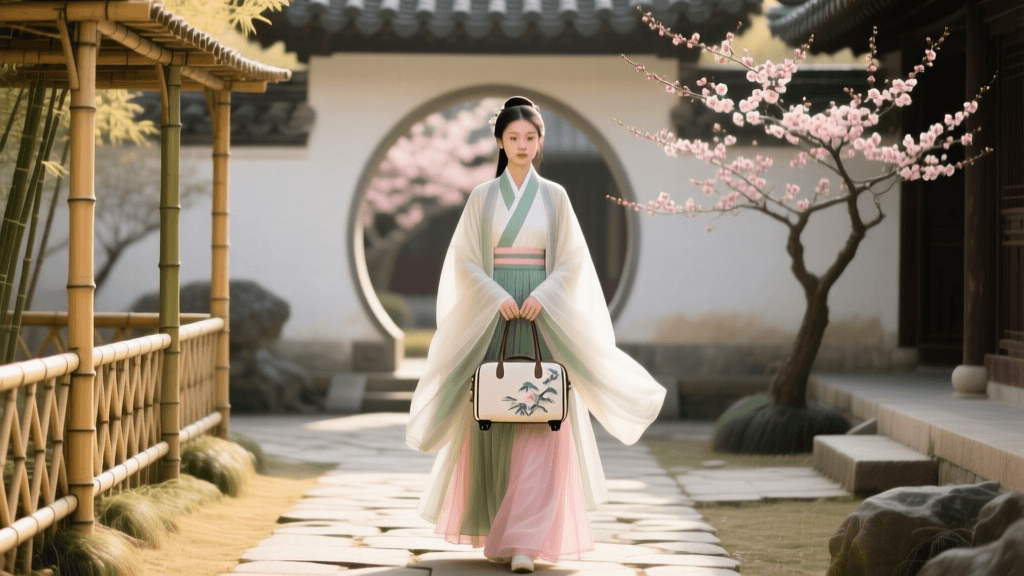
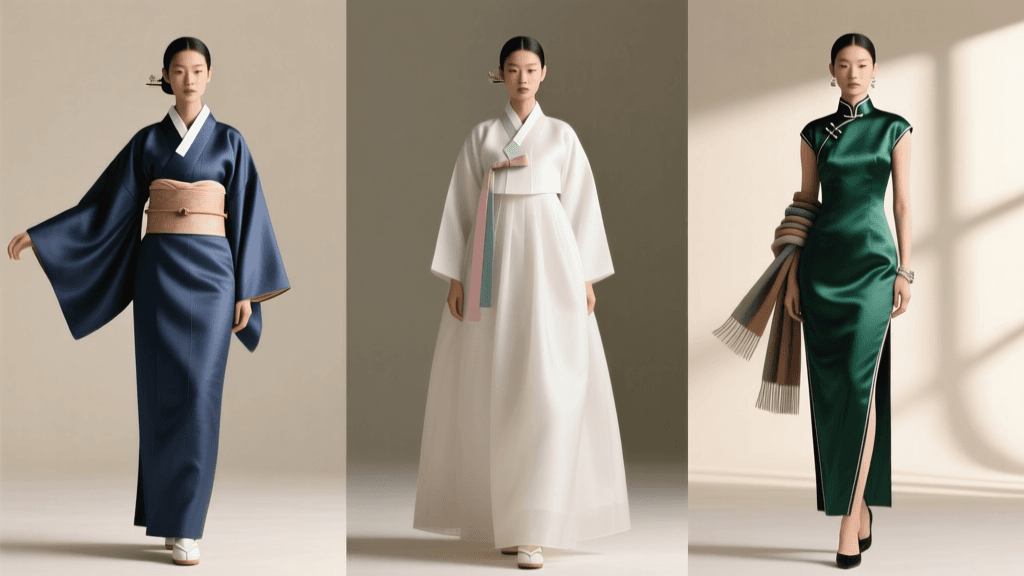
As we navigate the fashion landscape of 2026, the intersection of heritage and contemporary design has never been more vibrant. Traditional Asian garments—specifically the Japanese kimono, the Korean hanbok, and the Chinese cheongsam (qipao)—are experiencing a massive renaissance. No longer confined to strict ceremonial use, these iconic pieces are being reimagined by a new generation of designers and wearers who value sustainable craftsmanship, cultural storytelling, and striking silhouettes. Whether you are a collector, a fashion enthusiast, or someone looking to incorporate heritage pieces into your modern wardrobe, understanding the structural and stylistic nuances of these three garments is essential.
In this comprehensive 2026 guide, we break down the architectural differences, modern styling techniques, and sourcing realities of the kimono, hanbok, and cheongsam, helping you make informed decisions for your wardrobe.
The Kimono: Linear Elegance and Structured Grace
The Japanese kimono is a masterclass in linear construction and two-dimensional design. Unlike Western tailoring, which cuts fabric to follow the curves of the body, the kimono is constructed from straight bolts of fabric (tanmono), resulting in a T-shaped silhouette that wraps around the wearer. According to historical analyses by Britannica, the kimono's straight-line construction allows the garment to be easily folded, stored, and repurposed, a testament to its zero-waste origins.
Silhouette and Construction
The kimono's shape is entirely created through the art of wearing, known as kitsuke. The garment is wrapped left over right (right over left is strictly reserved for dressing the deceased) and secured with a series of ties and the iconic obi (sash). The obi itself is a focal point of the outfit, often featuring intricate brocade weaves and tied in elaborate knots that dictate the formality of the ensemble.
2026 Fabric Trends and Styling
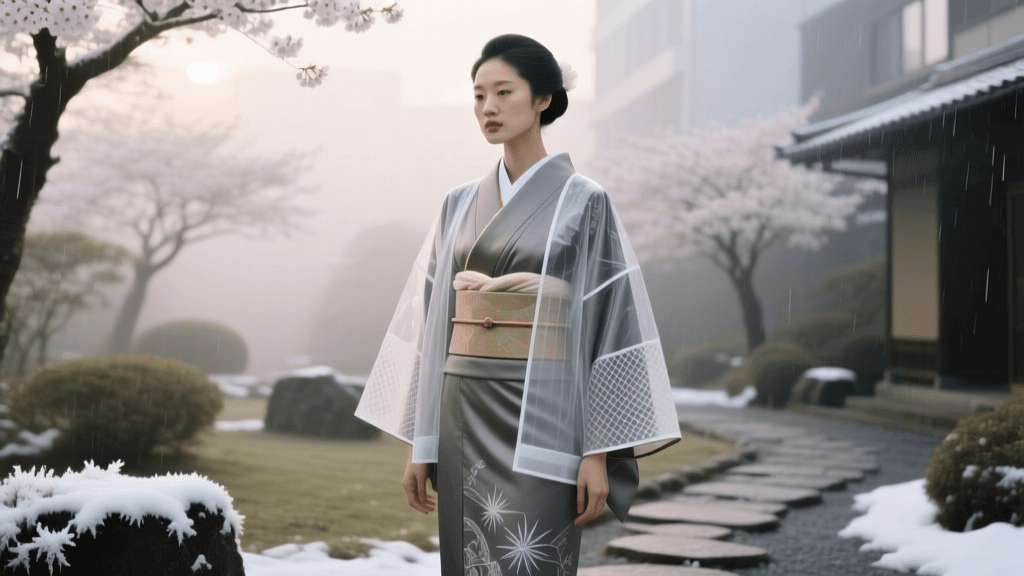
In 2026, the kimono market is heavily influenced by sustainable silk initiatives and upcycled vintage textiles. Kyoto-based weavers are introducing recycled-silk crepes that offer the drape of traditional chirimen but with a significantly lower environmental footprint. For modern styling, the haori (a hip- or thigh-length kimono jacket) has become a staple in global streetwear. Worn open over a simple turtleneck and tailored trousers, a vintage silk haori adds an immediate layer of sophisticated, bohemian elegance. Minimalist obi knots, such as the sleek kai-no-kuchi, are preferred for daytime wear, keeping the silhouette streamlined.
The Hanbok: Voluminous Silhouettes and Dynamic Movement
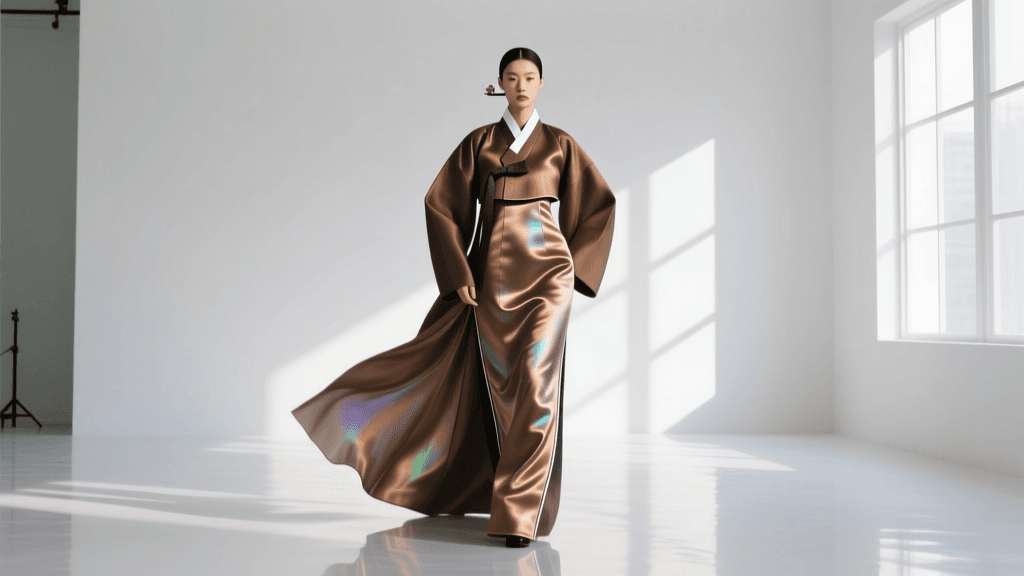
The Korean hanbok is defined by its vibrant colors, flowing lines, and dramatic volume. It is designed to hide the natural contours of the body, instead creating a bell-like or A-line silhouette that emphasizes grace and movement. The structural dynamics of the hanbok emphasize the harmony between the upper and lower body, creating a visual balance that is both regal and deeply comfortable.
Silhouette and Construction
For women, the traditional hanbok consists of the jeogori (a cropped jacket with long, curved sleeves) and the chima (a high-waisted, full, wrap-around skirt). For men, it comprises the jeogori and baji (roomy, tied trousers). The garment is secured not by buttons, but by the goreum—long, elegant ribbons tied into a distinctive knot at the chest. The high waistline of the chima allows for unrestricted movement, making it historically ideal for the active lifestyles of Korean women.
2026 Fabric Trends and Styling
The saenghwal hanbok (daily hanbok) movement has peaked in 2026, bringing traditional aesthetics into everyday wear. Modern designers are utilizing lightweight organza, matte cotton blends, and breathable ramie to adapt the hanbok for warmer climates and casual settings. A major 2026 trend is the pairing of a modernized, slightly cropped jeogori with contemporary high-waisted maxi skirts or even wide-leg denim. Pastel palettes and subtle, tone-on-tone embroidery have replaced the stark, high-contrast color blocking of the past, making the modern hanbok highly versatile for brunch, gallery openings, and creative workplaces.
The Cheongsam (Qipao): Contoured Sophistication and Tailoring
Originating in 1920s Shanghai, the cheongsam (or qipao) represents a dramatic departure from the voluminous hanbok and the linear kimono. It is a celebration of the natural human form, utilizing precise, three-dimensional tailoring to create a sleek, contoured silhouette. The Metropolitan Museum of Art notes in its Heilbrunn Timeline of Art History that Asian dress has continually evolved through cross-cultural exchanges, and the qipao is a prime example of Eastern aesthetics meeting Western tailoring techniques.
Silhouette and Construction
The hallmark of the cheongsam is its form-fitting cut, high Mandarin collar, and asymmetrical side slits that allow for ease of movement. It is traditionally fastened with pankou (intricate knotted frog closures) that run from the collar down to the side seam. The garment requires exact measurements; a well-fitted qipao acts almost like a second skin, smoothing and accentuating the wearer's figure without restricting it.
2026 Fabric Trends and Styling
In 2026, the cheongsam is undergoing a phase of deconstruction and modular styling. While heavy silk brocades remain popular for winter weddings and galas, everyday qipaos are being crafted from stretch crepes, bamboo-silk blends, and vegan leather accents. A leading 2026 styling technique is the "qipao separates" look: wearing a tailored, sleeveless qipao top with a 22-inch inseam wide-leg trouser, or layering a sheer, deconstructed mesh qipao over a sleek slip dress. This approach maintains the garment's iconic neckline and frog closures while offering unprecedented versatility.
Comprehensive Comparison Chart
To help you decide which garment aligns with your wardrobe needs, body type, and lifestyle, refer to the comparison table below.
| Feature | Kimono (Japan) | Hanbok (Korea) | Cheongsam / Qipao (China) |
|---|---|---|---|
| Silhouette | Linear, T-shaped, cylindrical | Voluminous, A-line, bell-shaped | Contoured, form-fitting, sleek |
| Primary Fastening | Obi (sash) and internal ties | Goreum (chest ribbons) | Pankou (frog knot closures) |
| 2026 Fabric Trend | Upcycled vintage silks, recycled crepe | Matte organza, breathable ramie | Stretch bamboo-silk, vegan leather |
| Best For Body Type | Universally flattering; hides contours | Petite to tall; elongates lower body | Hourglass, athletic; highlights curves |
| Avg. Bespoke Cost (2026) | $1,200 - $3,500+ | $400 - $900 | $600 - $1,500 |
| Maintenance Level | High (specialist folding, dry clean) | Medium (careful ironing, hand wash) | Medium (steaming, careful hanging) |
Sourcing, Fitting, and Garment Care in 2026
Sourcing and Virtual Fittings
The landscape of sourcing traditional garments has been revolutionized by technology. In 2026, reputable ateliers in Kyoto, Seoul, and Shanghai offer augmented reality (AR) virtual fitting rooms. By submitting a 3D body scan via your smartphone, master tailors can adjust the drape of a hanbok skirt or the side-slits of a qipao with millimeter precision before cutting the fabric. For those seeking vintage or antique pieces, specialized online auction houses and curated vintage platforms in Tokyo offer authenticated, pre-loved silk kimonos, which remains the most sustainable and cost-effective way to acquire high-quality textiles.
Care and Preservation
Proper care is non-negotiable for these investments.
- Kimono: Never hang a silk kimono on a standard hanger, as the weight will distort the shoulders. Fold it along its natural seams using acid-free tissue paper and store it in a breathable cotton tatoushi (garment bag). Spot clean only, and rely on specialized Japanese textile cleaners for deep stains.
- Hanbok: The voluminous chima requires careful steaming rather than direct ironing to preserve the crispness of the pleats and the sheen of the organza. Store the jeogori and chima separately in a cool, dark place to prevent the vibrant natural dyes from fading.
- Cheongsam: Because the qipao is tailored to the body, any fluctuation in weight can affect the fit. Store it on a padded, wide-shouldered hanger to maintain the structure of the Mandarin collar. Use a handheld steamer on a low setting to remove wrinkles, avoiding direct contact with delicate frog closures.
Final Thoughts on Modern Heritage
Choosing between a kimono, hanbok, and cheongsam ultimately comes down to your personal style, the occasions you plan to attend, and the silhouette that makes you feel most empowered. In 2026, the rules of traditional dress are meant to be respected but not rigidly confined. By understanding the foundational architecture of these garments, you can confidently mix heritage pieces with contemporary fashion, ensuring that these magnificent Asian traditions continue to thrive and evolve on the global stage.