Ahimsa vs Eri Silk for Indian Bridal Sarees in 2026
The 2026 Shift Toward Cruelty-Free South Asian Bridal Wear
The landscape of South Asian bridal fashion has undergone a profound transformation as we navigate the 2026 wedding season. Modern brides are increasingly prioritizing sustainability, ethical sourcing, and conscious consumerism without compromising on the opulence and heritage of their ceremonial attire. At the forefront of this movement is the widespread adoption of cruelty-free textiles, specifically Ahimsa silk and Eri silk, for traditional Indian bridal sarees. These peace silks offer a compelling alternative to conventional mulberry silk, aligning the sanctity of the wedding ceremony with the principles of non-violence and environmental stewardship.
Historically, the extraction of traditional silk involved boiling the silkworm pupae inside their cocoons to obtain a single, continuous, unbroken thread. While this method yields a highly lustrous fabric, it has raised significant ethical concerns among eco-conscious consumers. In 2026, the demand for ethical luxury has pushed master weavers and contemporary designers to elevate peace silks from niche, experimental fabrics to mainstream bridal staples. Understanding the distinct characteristics, draping qualities, and aesthetic nuances of Ahimsa and Eri silk is essential for the modern bride curating a sustainable trousseau.
Understanding Ahimsa Silk: The Ethics and Aesthetics
Ahimsa silk, often referred to as 'peace silk,' is produced using a non-violent method that allows the silkworm to complete its metamorphosis and emerge from the cocoon as a moth before the silk is harvested. Pioneered in the early 2000s and refined over the decades, this method ensures that no living creature is harmed in the making of the garment. Because the moth chews its way out of the cocoon, the continuous silk filament is broken. Consequently, Ahimsa silk must be spun rather than reeled, much like cotton or wool.
This spinning process gives Ahimsa silk a unique, slightly textured feel and a softer, more subdued luster compared to the high-gloss finish of traditional mulberry silk. For the 2026 bride, this matte elegance is highly coveted. It provides a sophisticated, understated canvas that allows intricate zari work, resham embroidery, and hand-painted motifs to stand out without the fabric's sheen overpowering the craftsmanship. Furthermore, Ahimsa silk is renowned for its exceptional breathability and lightweight drape, making it an ideal choice for day-time wedding ceremonies, haldi functions, and outdoor receptions where comfort is paramount.
According to industry data tracked by the Silk Mark Organisation of India, the certification of authentic peace silk has surged, providing brides with verifiable proof of their fabric's ethical origins. When shopping for Ahimsa silk, looking for the Silk Mark label is the most reliable way to ensure the textile is genuinely cruelty-free and not a synthetic blend masquerading as peace silk.
Exploring Eri Silk: The Matte Marvel of Assam
While Ahimsa silk refers to the ethical method of harvesting, Eri silk is a specific variety of wild silk native to the northeastern regions of India, particularly Assam. Eri silk is inherently a peace silk because the Eri silkworm (Samia cynthia ricini) feeds on castor leaves and spins an open-ended cocoon. The moth naturally exits the cocoon, making the traditional boiling process impossible. As detailed in historical and agricultural records, Eri silk has been woven by indigenous communities in Assam for centuries, deeply embedding it in the region's cultural and textile heritage.
Eri silk is often celebrated as the 'fabric of peace' and is prized for its unique thermal properties. It is naturally temperature-regulating, keeping the wearer cool in the sweltering Indian summer and warm during crisp winter weddings. Aesthetically, Eri silk possesses a distinct, earthy texture and a deep, matte finish that resembles raw linen or fine wool. It lacks the natural sheen of mulberry silk entirely, which gives it a profoundly organic and rustic appeal.
In 2026, top-tier Indian designers are utilizing Eri silk for heavily structured bridal lehengas and Kanjeevaram-style sarees. Because Eri silk fibers are incredibly strong and durable, they can support the weight of heavy metallic zari threads, intricate beadwork, and dense embroidery without tearing or losing their shape. This makes Eri silk an exceptional choice for the main wedding ceremony, where the bride requires a garment that is both structurally sound and deeply rooted in Indian artisanal tradition.
Comprehensive Comparison: Ahimsa vs. Eri Silk for Sarees
Choosing between Ahimsa and Eri silk depends heavily on the specific requirements of the wedding event, the desired silhouette, and the bride's personal comfort. Below is a detailed comparison chart to help you make an informed decision for your 2026 bridal trousseau.
| Feature | Ahimsa Silk (Peace Mulberry) | Eri Silk (Assam Peace Silk) |
|---|---|---|
| Texture & Handfeel | Soft, smooth with a slight spun texture | Earthy, slightly coarse, resembles fine linen |
| Luster & Sheen | Subdued, soft pearlescent glow | Completely matte, zero natural shine |
| Drape & Weight | Fluid, lightweight, falls elegantly | Structured, heavier, holds stiff pleats well |
| Thermal Properties | Breathable, ideal for warm climates | Temperature-regulating, warm in winter |
| Best Bridal Use | Haldi, Mehendi, Day Receptions | Main Ceremony, Heavy Embroidery, Winter Weddings |
| 2026 Avg. Price Range | ₹18,000 - ₹35,000 ($215 - $420 USD) | ₹12,000 - ₹28,000 ($145 - $335 USD) |
Draping, Tailoring, and Styling for the Modern Bride
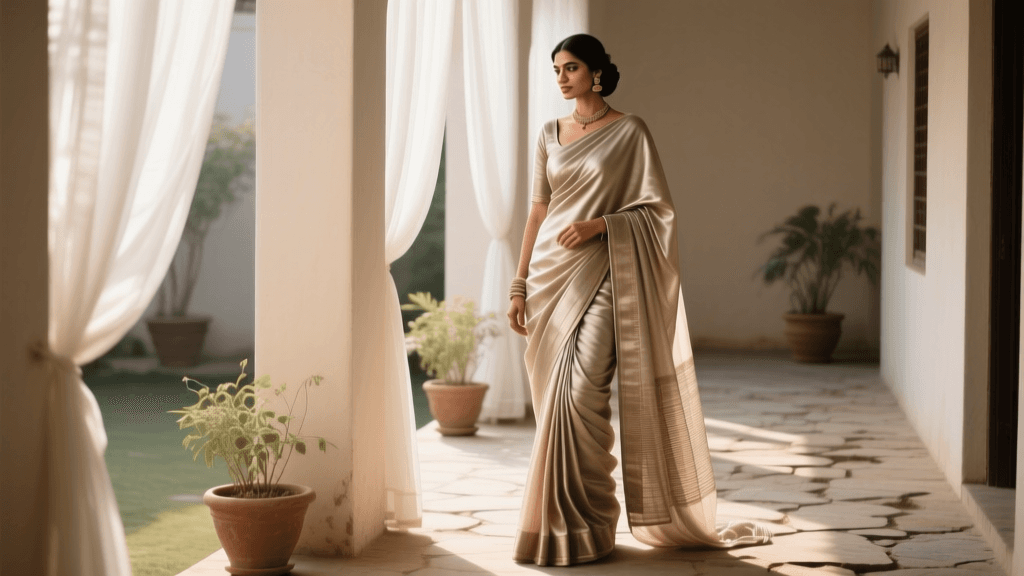
The physical properties of these peace silks dictate how they should be tailored and draped. Ahimsa silk, with its fluid drape, is best suited for the classic Nivi drape or the flowing Gujarati style. Because the fabric is soft and pliable, it gathers beautifully at the waist and cascades effortlessly over the shoulder. For the blouse, brides in 2026 are pairing Ahimsa silk sarees with structured, corset-style blouses made from contrasting raw silk or velvet to provide the necessary structural support that the lightweight Ahimsa fabric lacks on its own.
Conversely, Eri silk's heavier weight and matte texture make it an excellent candidate for the rigid, sharply pleated South Indian drapes, such as the Madisar or the Coorgi style. The fabric holds a crease exceptionally well, ensuring that the pleats remain crisp throughout the multi-hour Vedic ceremonies. When tailoring an Eri silk blouse, opt for full-sleeved, high-neck designs with subtle metallic piping. The matte background of Eri silk provides a stunning contrast to heavy Polki diamonds, uncut emeralds, and traditional temple jewelry, allowing the ornaments to catch the light without competing with a shiny silk background.
Care, Maintenance, and Storage of Peace Silks
Investing in a sustainable bridal saree requires proper care to ensure it becomes a cherished heirloom. Both Ahimsa and Eri silks are protein fibers, making them sensitive to harsh chemicals, high heat, and prolonged exposure to direct sunlight. In 2026, textile conservationists strongly recommend professional dry cleaning for heavily embroidered peace silk garments, specifically seeking out eco-friendly dry cleaners that use liquid silicone or liquid CO2 instead of the toxic PERC solvent.
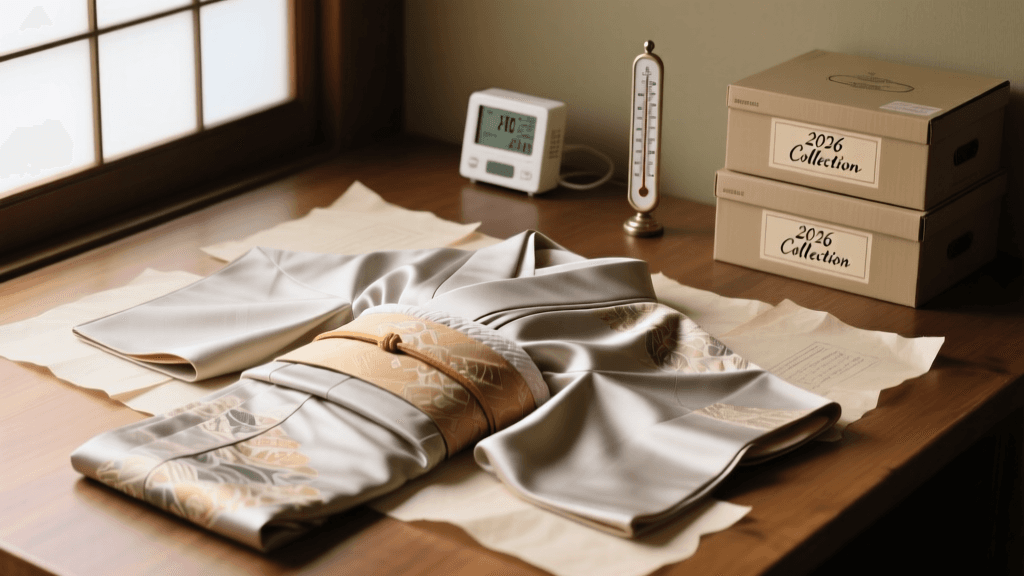
If the saree is unembellished and requires a refresh, gentle handwashing in cold water with a pH-neutral, organic silk wash is permissible. Never wring or twist the fabric; instead, roll it in a clean, dry cotton towel to absorb excess moisture and lay it flat to dry in a shaded, well-ventilated area. For long-term storage, avoid plastic covers which can trap moisture and cause yellowing. Instead, wrap the saree in unbleached, acid-free muslin cloth and store it in a cedar chest or a cool, dark closet. Refold the saree every three to four months to prevent permanent crease lines and fiber degradation.
Sourcing Authentic Textiles and Avoiding Greenwashing
As the popularity of sustainable fashion has skyrocketed, so has the prevalence of 'greenwashing'—the practice of marketing synthetic or conventionally produced textiles as eco-friendly. To ensure your bridal saree is genuinely made from peace silk, transparency in the supply chain is critical. When purchasing from boutique designers or heritage weavers, ask for detailed information regarding the origin of the yarn and the specific weaving cooperative.
Look for certifications from recognized textile authorities. The Silk Mark Organisation of India remains the gold standard for verifying pure silk, while global certifications like GOTS (Global Organic Textile Standard) can verify the organic and ethical processing of the fibers. Additionally, platforms like Fashion Revolution provide excellent resources and directories for finding transparent, ethically minded designers who prioritize fair wages for weavers alongside cruelty-free material sourcing.
Ultimately, choosing between Ahimsa and Eri silk for your 2026 bridal saree is a deeply personal decision that reflects your values, aesthetic preferences, and the specific demands of your wedding day. By embracing these remarkable cruelty-free textiles, you not only adorn yourself in the rich, living heritage of Asian weaving traditions but also champion a more compassionate and sustainable future for the global fashion industry.