Authentic Chiton & Stola Guide for 2026 Reenactors
The Classical Revival: Reenacting Antiquity in 2026
As the global historical reenactment and living history communities continue to expand in 2026, the demand for meticulous, museum-quality reproductions of ancient Mediterranean garments has reached an all-time high. Whether you are preparing for the 2026 International Historical Reenactment Summit in Athens, costuming a university theater production, or simply exploring the roots of European folk dress, understanding the precise construction of the Greek chiton and the Roman stola is essential. This comprehensive guide provides actionable, up-to-date advice on fabric sourcing, exact measurements, and historically accurate draping techniques for the modern classicist.
The Greek Chiton: Doric vs. Ionic Variations
The chiton was the foundational garment of ancient Greece, worn by both men and women. According to the World History Encyclopedia's analysis of Greek Dress, the chiton evolved significantly from the Archaic to the Hellenistic periods, primarily splitting into two distinct styles: the Doric and the Ionic.
The Doric Chiton (Peplos)
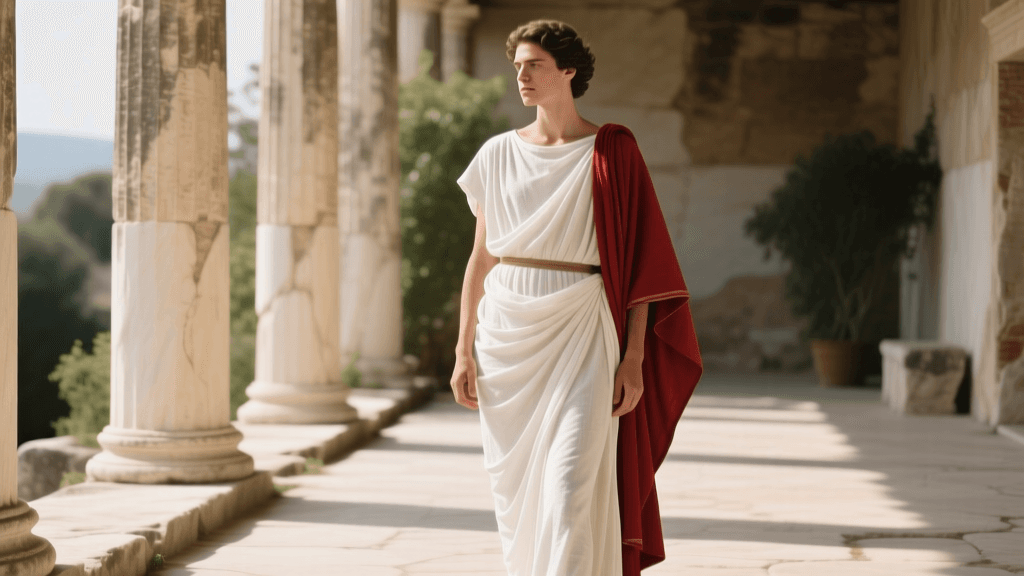
The Doric chiton, often referred to as a peplos when worn by women, is constructed from a single large rectangular piece of heavy wool or linen. It is folded over at the top to create an overfold (the apoptygma), which drapes elegantly over the chest and back. The garment is pinned at the shoulders using fibulae (brooches) and belted at the waist. In 2026, reenactors favor a medium-weight worsted wool or a heavy 220 GSM linen for the Doric style to achieve the stiff, sculptural draping seen in classical marble statuary.
The Ionic Chiton
The Ionic chiton is made from a much wider, lighter piece of fabric, typically fine linen or imported silk for the ultra-wealthy in antiquity. Instead of a single overfold and shoulder pins, the Ionic chiton is sewn or pinned along the top edge at multiple intervals, creating a series of flowing sleeves. This style requires a lightweight, high-thread-count linen (around 120-150 GSM) to ensure the fabric gathers softly and moves fluidly with the wearer.
The Roman Stola: Matronly Elegance and Social Status
While Greek dress heavily influenced Roman fashion, the Romans developed distinct garments that communicated strict social hierarchies. For the respectable Roman matron, the stola was the ultimate symbol of virtue and citizenship. The Metropolitan Museum of Art's Heilbrunn Timeline notes that the stola was a long, sleeveless overdress worn over a base tunic (tunica interior).
The defining feature of the stola is the instita—a decorative border or flounce at the hem, and sometimes at the shoulders, which in 2026 reproductions is often achieved using tablet-woven wool bands or embroidered linen trim. The stola was suspended from the shoulders by straps (analeptrides) and belted high under the bust. Over the stola, women draped the palla, a large rectangular mantle that could be pulled over the head for modesty or religious observance.
2026 Fabric Sourcing and Textile Specifications
Sourcing historically accurate textiles remains the biggest challenge for modern reenactors. Synthetic blends and modern chemical dyes will immediately ruin the authenticity of your garment. In 2026, the market for heritage European textiles is robust, but you must know exactly what to look for. Below is a comparison chart of recommended fabrics for your 2026 classical wardrobe.
| Garment Type | Recommended Fabric | Weight (GSM) | 2026 Avg. Cost per Yard | Best Sourcing Brands |
|---|---|---|---|---|
| Doric Chiton / Peplos | 100% Worsted Wool or Heavy Linen | 200 - 250 GSM | $38 - $55 | Libeco, Burnley & Trowbridge |
| Ionic Chiton | Semi-sheer Linen or Linen-Cotton | 110 - 140 GSM | $22 - $35 | Baird McNutt, Fabrics-Store |
| Roman Stola | Medium-weight Linen or Fine Wool | 160 - 190 GSM | $28 - $42 | Wholesale Fabric, Historically Correct |
| Palla / Mantle | Lightweight Wool Crepe or Linen | 130 - 180 GSM | $30 - $48 | Wm. Booth Draper, Renaissance Fabrics |
When purchasing, always request undyed, naturally bleached, or plant-dyed (madder, woad, weld) fabrics. The World History Encyclopedia's guide to Roman Dress emphasizes that color in antiquity was a major status indicator; while lower classes wore undyed or pale wool, wealthy patricians flaunted deep purples, rich reds, and saffron yellows.
Step-by-Step Draping Guide: The Doric Chiton
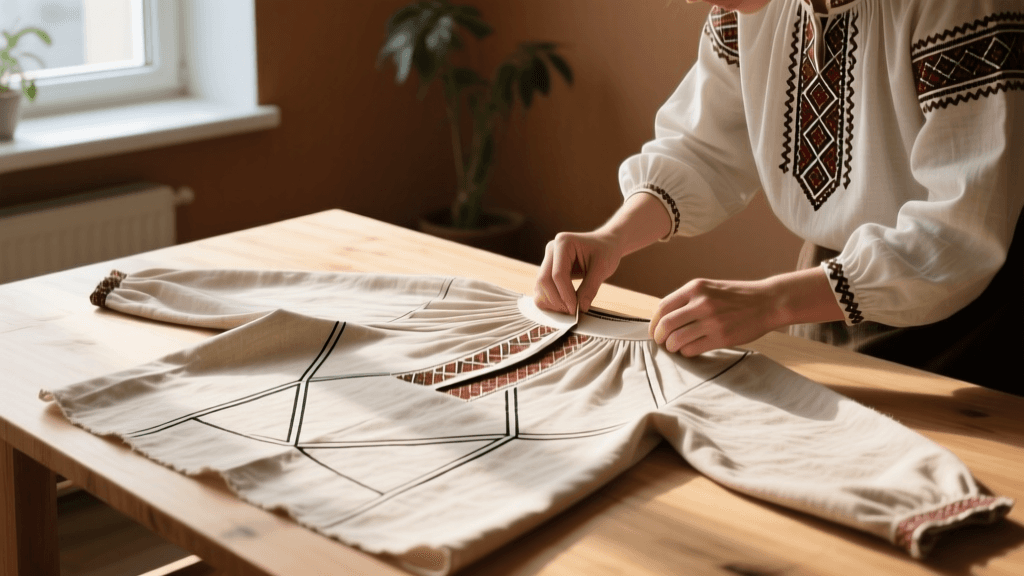
To achieve a flawless Doric chiton for the 2026 reenactment season, follow these precise cutting and draping instructions:
- Measure the Width: Stand with your arms outstretched. Measure from your left elbow to your right elbow. Add 12 inches to this measurement to allow for the side overlap and ease of movement.
- Measure the Height: Measure from the floor, over your shoulder, and back down to the floor. Add 18 inches to this total to account for the apoptygma (overfold) and the blousing effect (kolpos) over the belt.
- Hem the Edges: Hand-stitch the raw edges using a period-appropriate running stitch or whip stitch. Avoid modern machine top-stitching, which is visible and historically inaccurate.
- Create the Overfold: Fold the top 12 to 18 inches of the fabric downward across the entire width.
- Wrap and Pin: Wrap the fabric around your body, ensuring the open seam falls on your left side. Pin the top layers (the overfold and the back panel) together at your shoulders using two to four bronze or silver fibulae.
- Belt and Blouse: Tie a woven wool zoni (belt) around your waist. Pull the fabric up and over the belt to create the kolpos, adjusting the drape so the hem grazes the top of your feet.
Accessories: Fibulae, Zoni, and Footwear
No classical garment is complete without its accompanying accessories. In 2026, custom bronze casting has become highly accessible, allowing reenactors to commission exact replicas of museum-piece fibulae. Avoid cheap, mass-produced zinc-alloy pins sold at generic costume shops; they will bend under the weight of heavy wool and ruin your drape. Invest in cast bronze or forged iron shoulder pins with secure catch-plates.
For belts (zoni), tablet-woven wool or linen bands are the gold standard. These can be sourced from specialized historical weavers on dedicated reenactment guilds and artisan marketplaces. Finally, footwear should consist of leather soleae (sandals) for indoor or warm-weather wear, or calcei (enclosed leather shoes) for formal Roman contexts. Ensure the leather is vegetable-tanned, as chrome-tanned leather has a distinctly modern, plastic-like sheen that is immediately noticeable in high-definition 2026 event photography.
Conclusion
Recreating the chiton and stola is an exercise in geometric simplicity and textile mastery. By understanding the distinct differences between the heavy, structured Doric peplos and the flowing, multi-pinned Ionic chiton, as well as the socially codified Roman stola, you elevate your historical interpretation from mere costume to living history. Armed with this 2026 fabric guide and precise draping measurements, you are fully prepared to step into the ancient Mediterranean with absolute authenticity and confidence.