Kimono Silk Sounds & Textures: Sensory Guide 2026
The Hidden Symphony of Traditional Japanese Garments
When enthusiasts and scholars discuss the traditional Japanese kimono, the conversation almost exclusively revolves around visual aesthetics: the vibrant dyes of yuzen, the intricate gold leaf of surihaku, and the seasonal motifs woven into the fabric. However, a profound dimension of the kimono experience remains entirely invisible. In 2026, as the global wellness movement increasingly embraces somatic awareness and sensory grounding, a new wave of textile connoisseurs is turning their attention to the acoustic and tactile properties of traditional Japanese garments. The kimono is not merely meant to be seen; it is meant to be heard and felt.
The Acoustic Signature of Silk: Kinu-Zure
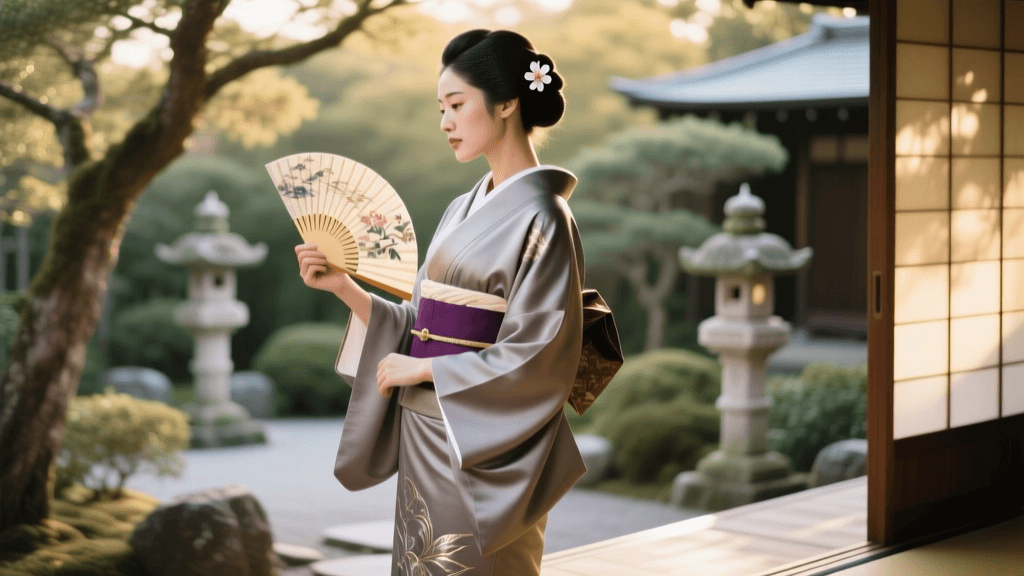
The Japanese language possesses a specific, poetic term for the sound of silk garments rubbing together: kinu-zure (衣擦れ). Translating literally to 'clothes-rustling,' this acoustic signature has been prized in Japanese literature and performing arts for centuries. In the quiet, deliberate movements of a traditional tea ceremony or the gliding steps of a geiko in Kyoto's Gion district, the kinu-zure serves as an auditory announcement of presence, elegance, and refinement. Today, contemporary psychoacoustic researchers and textile historians are studying how these specific frequencies influence the wearer's state of mind, promoting a meditative focus that aligns perfectly with 2026's emphasis on mindful living.
The Science of Silk Scroop
In textile science, the rustling sound of silk is technically referred to as 'scroop.' This unique acoustic phenomenon is not an accidental byproduct of the material; it is the result of a highly specific chemical and mechanical process. The scroop is generated by the friction between silk fibers that have been treated with a mild organic acid, which hardens the sericin (the natural gum-like protein that binds silk filaments). When these hardened fibers rub against one another, they produce a distinct, crisp rustle. Modern artisans in 2026 continue to utilize traditional organic acid treatments, such as diluted acetic acid, to ensure that premium kimono silks retain their authentic auditory character without relying on synthetic stiffeners.
Tactile Landscapes: Chirimen, Tsumugi, and Ro
To understand the sensory landscape of the kimono, one must examine the specific weaves that dictate both touch and sound. Each fabric type offers a completely different somatic experience, changing how the wearer moves and perceives their environment.
Chirimen (Japanese Crepe)
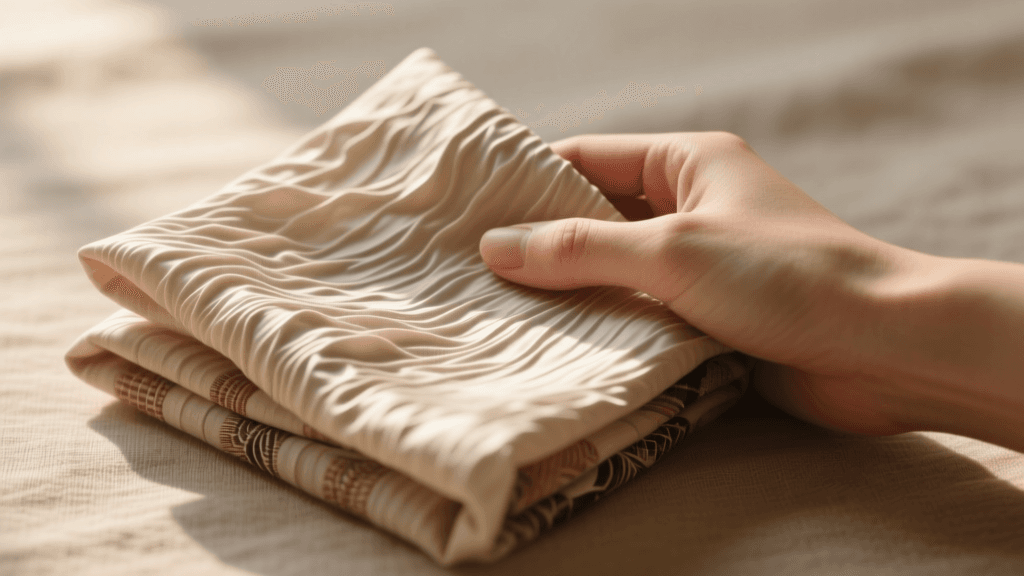
Chirimen is perhaps the most iconic of all kimono fabrics. The tactile sensation of chirimen is characterized by its distinct shibo (crepe texture)—a bumpy, pebbled surface created by using highly twisted weft threads that are woven in alternating directions. When you run your fingers across a high-quality Tango chirimen textile, the friction is palpable. Acoustically, this high-friction surface generates a rich, deep, and resonant rustle. The sound of a chirimen kimono in motion is full-bodied and continuous, providing a deeply comforting auditory feedback loop for the wearer.
Tsumugi (Pongee)
In stark contrast to the fluid drape and deep rustle of chirimen is tsumugi. Woven from spun silk rather than reeled filament silk, tsumugi possesses a matte finish and a nubby, irregular texture that feels remarkably similar to fine cotton or raw linen. The tactile experience of tsumugi is crisp, structured, and grounding. Because the fibers are shorter and the weave is generally tighter and less twisted than chirimen, tsumugi produces a much quieter, sharper, and more staccato sound. It does not flow with a continuous hiss; rather, it swishes with a crisp, papery snap. In 2026, tsumugi remains highly favored for its understated elegance and its deeply grounding, earthy tactile feedback, making it a staple for mindful, everyday wear.
Ro and Sha (Summer Gauze)
As the humid Japanese summer arrives, the sensory experience shifts dramatically to accommodate the need for cooling. Summer kimono are crafted from ro and sha, which are gauze weaves featuring deliberate gaps or 'windows' in the fabric. Tactilely, these fabrics are incredibly smooth, lightweight, and airy, designed to allow ambient breezes to reach the skin while preventing the silk from clinging to the body. Acoustically, the open weave and lack of dense fiber friction mean that ro and sha are nearly whisper-quiet. The sensory experience of wearing summer gauze is defined by visual transparency, physical coolness, and an almost meditative silence.
Comparative Guide: Kimono Fabric Sensory Profiles
Understanding the distinct acoustic and tactile properties of these weaves is essential for both collectors and practitioners in 2026. The following table outlines the primary sensory characteristics of the most prominent kimono fabrics.
| Fabric Type | Weave Structure | Acoustic Profile | Tactile Sensation | Best Season |
|---|---|---|---|---|
| Chirimen | Crepe (Highly twisted weft) | Deep, resonant, continuous rustle | Pebbled, high-friction, fluid | Spring / Autumn / Winter |
| Tsumugi | Pongee (Spun silk, plain weave) | Quiet, sharp, staccato snap | Nubby, matte, crisp, structured | Autumn / Winter |
| Rinzu | Satin damask | Soft, muted, low-friction glide | Exceptionally smooth, heavy drape | Winter (Formal) |
| Ro / Sha | Gauze (Open leno weave) | Whisper-quiet, minimal friction | Airy, cool, smooth, lightweight | Summer |
2026 Exhibitions and Acoustic Textile Preservation
The preservation of these sensory details is a paramount concern for cultural institutions. Organizations such as the Kyoto National Museum have increasingly highlighted the importance of preserving not just the visual integrity of historical textiles, but their physical and structural properties that contribute to their drape and sound. Exhibitions in 2026 are beginning to incorporate directional audio and tactile stations, allowing visitors to experience the kinu-zure and shibo of Edo-period garments without risking damage to the fragile artifacts.
Furthermore, the Agency for Cultural Affairs continues to support living national treasures who specialize in traditional sericulture and weaving. This institutional backing ensures that the specific, highly guarded techniques required to produce authentic shibo and scroop are passed down to the next generation of artisans, safeguarding the acoustic heritage of Japan against the encroachment of silent, mass-produced synthetic textiles.
Mindful Dressing and Garment Care in 2026
For the modern kimono wearer, maintaining the acoustic and tactile integrity of these garments requires specialized, knowledgeable care. The sericin protein, which is responsible for the prized scroop, is highly sensitive to alkaline substances and harsh chemical solvents. Standard dry cleaning, which often utilizes aggressive perc (perchloroethylene) alternatives, can strip the silk of its natural proteins, leaving the fabric limp, silent, and unnaturally smooth.
In 2026, leading kimono care specialists strongly recommend specialized, eco-friendly wet cleaning methods or traditional arai-hari. This meticulous process involves completely unstitching the kimono, washing the individual fabric panels in specialized mild silk soaps, and stretching them on bamboo frames to dry. This traditional method preserves the sericin, ensuring that the fabric retains its structural memory, its pebbled texture, and its iconic rustle for decades.
The Role of Layering in Acoustic Resonance
Finally, the sensory experience of the kimono is deeply dependent on the art of layering. The interaction between the outer kimono and the nagajuban (undergarment) creates a complex acoustic chamber. A silk juban layered beneath a chirimen kimono will produce a luxurious, high-pitched harmonic rustle, whereas a cotton or synthetic undergarment will dampen the sound and alter the drape. Mindful dressing in 2026 encourages wearers to select undergarments not merely for hygiene or warmth, but as integral components of the garment's overall acoustic and tactile symphony.
Conclusion
The kimono is a masterpiece of multisensory design. Beyond its breathtaking visual beauty lies a hidden world of acoustic resonance and tactile depth. By tuning into the kinu-zure and the nuanced textures of chirimen, tsumugi, and ro, we engage with Japanese tradition on a profoundly intimate level. As we navigate the fast-paced digital landscape of 2026, the deliberate, sensory-rich experience of wearing a traditional silk kimono offers a rare and invaluable anchor to the physical world, reminding us that true elegance is something that can be felt, heard, and deeply experienced.