2026 Guide to Chinese Plant Dyes for Sustainable Hanfu
The Renaissance of Cao Mu Ran in 2026
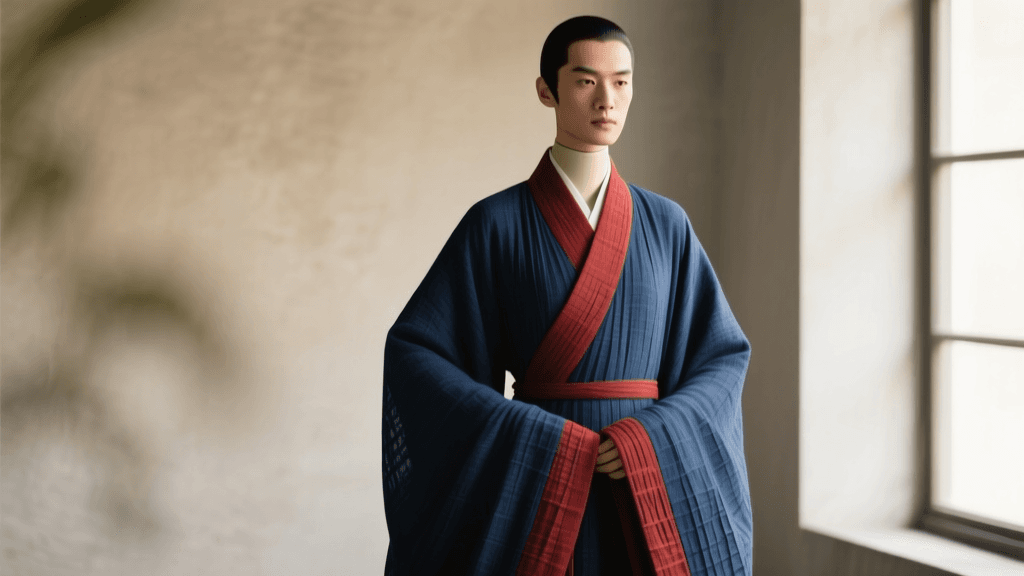
The intersection of ancient Chinese botanical dyeing—known traditionally as Cao Mu Ran (grass and wood dyeing)—and modern sustainable fashion has reached a pivotal moment in 2026. As the global fashion industry faces stricter environmental regulations regarding synthetic effluent and microplastic pollution, designers and artisans are turning back to the earth. The Hanfu movement, which has seen explosive global growth over the last decade, is now leading the charge in eco-friendly apparel. In 2026, consumers are no longer just asking for historically accurate silhouettes; they are demanding historically accurate, non-toxic, and biodegradable coloration methods.
According to the Textile Exchange, the shift toward regenerative agriculture and natural colorants is one of the most critical steps in reducing the textile industry's water toxicity footprint. Traditional Chinese plant dyes offer a profound solution. Unlike synthetic azo dyes that release heavy metals and carcinogenic amines into waterways, botanical dyes are entirely biodegradable, and the spent plant matter can be composted to enrich the soil. This guide explores the most vital Chinese dye plants, their sustainable applications, and how to master them for your 2026 wardrobe.
Top Traditional Chinese Dye Plants for Eco-Friendly Wardrobes
China’s vast botanical biodiversity has provided dyers with a rich palette for millennia. Below are the four foundational plants driving the 2026 natural dye renaissance.
1. Lian Cao and Ban Lan Gen (Indigo Blues)
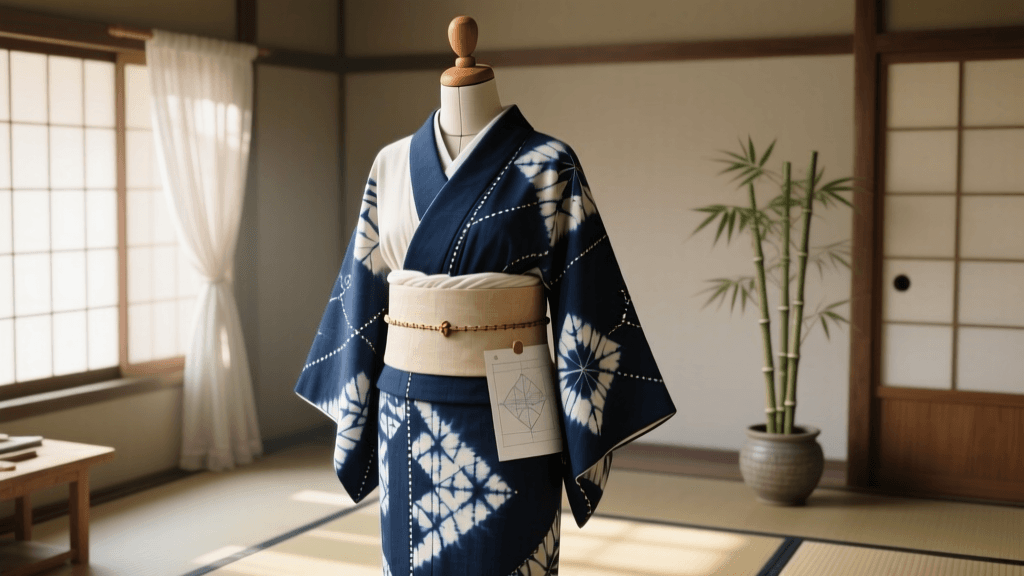
While Indigofera tinctoria is famous globally, traditional Chinese blue dyeing heavily relies on Polygonum tinctorium (Lian Cao) and Isatis indigotica (Ban Lang Gen, also known for its medicinal roots). The extraction process involves fermenting the leaves in an alkaline vat to create leuco-indigo, a water-soluble yellow-green liquid that oxidizes into a brilliant, colorfast blue upon exposure to air. In 2026, organic indigo farming in Guizhou and Yunnan provinces has been optimized using closed-loop water systems, making it one of the most sustainable blue colorants available. The historical cultivation and chemistry of indigo, as detailed by Encyclopædia Britannica, highlight its unique vat-dyeing properties that require no metallic mordants, thereby eliminating heavy metal pollution entirely.
2. Qian Cao (Madder Reds)
Rubia cordifolia, known in Chinese as Qian Cao, is the premier source of natural red. The roots contain alizarin and purpurin, which yield stunning hues ranging from soft terracotta to deep crimson depending on the mordant used. In the 2026 market, sustainably harvested Qian Cao root is highly prized. Because the roots must grow for three to five years before harvesting, ethical wildcrafting and regenerative farming cooperatives have become the standard. When mordanted with alum, Qian Cao produces a vibrant, lightfast red that is exceptionally gentle on silk and ramie fibers.
3. Huai Hua (Pagoda Tree Yellows)
The unopened flower buds of the Sophora japonica (Pagoda Tree), known as Huai Hua, are a cornerstone of Chinese yellow dyeing. Rich in rutin, these buds produce a brilliant, warm yellow that was historically reserved for imperial garments. Huai Hua is remarkably easy to extract; a simple hot water simmer releases the pigment rapidly. In 2026, urban foraging initiatives and sustainable agroforestry projects in northern China have increased the availability of Huai Hua, making it an accessible and highly renewable resource for independent dyers.
4. Zi Cao (Gromwell Purples)
True natural purple is incredibly rare in the botanical world, but Lithospermum erythrorhizon (Zi Cao) provides a stunning spectrum of violet and magenta. The active compound, shikonin, is highly sensitive to pH levels; it shifts from deep purple in acidic environments to vibrant blue-green in alkaline ones. Zi Cao requires a cold or lukewarm alcohol or oil extraction, as high heat destroys the pigment. Its delicate nature makes it a favorite for high-end, artisanal Hanfu accessories and silk scarves.
2026 Comparison: Botanical vs. Synthetic Dyes
Understanding the environmental and practical differences between natural and synthetic dyes is crucial for modern sustainable fashion. The table below outlines the key metrics as of 2026.
| Metric | Traditional Chinese Plant Dyes (2026) | Conventional Synthetic Dyes |
|---|---|---|
| Water Toxicity | Zero (Biodegradable, non-toxic effluent) | High (Heavy metals, toxic amines) |
| Mordant Requirements | Alum, Iron, Soy Milk, or None (Indigo) | Chemical fixatives, formaldehyde |
| Colorfastness | Moderate to High (Requires proper curing) | Very High (Engineered for permanence) |
| Cost per kg (Textile Grade) | $35 - $85 (Reflects regenerative farming) | $8 - $15 (Reflects petrochemical scaling) |
| Carbon Footprint | Carbon-negative (Plants sequester CO2) | High (Fossil fuel extraction and synthesis) |
For a deeper historical context on how these natural dyes were applied to antique textiles, the Victoria and Albert Museum provides excellent insights into the preservation and chemistry of traditional Asian colorants.
Step-by-Step Eco-Friendly Dyeing Process for Silk and Ramie
Transitioning to botanical dyes requires patience and precision. Below is a modernized, eco-friendly workflow optimized for protein (silk) and cellulose (ramie/cotton) fibers, utilizing 2026 best practices for water conservation.
Step 1: Scouring and Preparation
Natural fibers contain oils, waxes, and pectins that repel water. Scour your fabric using a pH-neutral, biodegradable soap. For silk, maintain the water temperature below 40°C (104°F) to prevent damaging the fibroin proteins. For ramie, a hotter simmer with a mild soda ash solution (1% WOF - Weight of Fabric) is effective.
Step 2: Eco-Friendly Mordanting
Mordants act as the bridge between the fiber and the dye. In 2026, the most sustainable mordants are:
- Alum (Potassium Aluminum Sulfate): Use 15% WOF for cellulose and 10% WOF for protein fibers. It brightens colors and is considered environmentally safe in small, controlled quantities.
- Soy Milk Binder: A traditional Chinese technique experiencing a massive revival. Soaking cellulose fibers in diluted, unflavored soy milk coats them in plant proteins, allowing them to absorb dyes as easily as silk. This completely eliminates the need for metallic salts.
- Iron (Ferrous Sulfate): Use sparingly (2% WOF) as a modifier to darken or "sadden" colors. Excess iron degrades fibers over time.
Step 3: Pigment Extraction
Place your plant material in a stainless steel pot. For Huai Hua (Pagoda buds), use a 1:1 ratio of plant to fabric weight, simmering for 45 minutes. For Qian Cao (Madder root), use 50% WOF and keep the temperature strictly below 70°C (158°F) to avoid extracting brown tannins, ensuring a pure red hue. Strain the liquid through a fine mesh cloth to create your dye bath.
Step 4: The Dye Bath
Submerge your pre-mordanted, wet fabric into the dye bath. Stir gently and continuously for the first 20 minutes to ensure even absorption. Allow the fabric to steep for 1 to 4 hours, or overnight for deeper saturation. For indigo vat dyeing, the process involves dipping the fabric for 3 minutes, removing it to oxidize in the air for 15 minutes, and repeating until the desired depth of blue is achieved.
Step 5: Fixing and Curing
Rinse the dyed fabric in cool water until the runoff is clear. Hang to dry in a well-ventilated area away from direct sunlight. Botanical dyes continue to cure and bond with the fiber over the next 48 to 72 hours. Wait at least a week before the first full wash to maximize colorfastness.
Sourcing Authentic Botanical Dyes in 2026
As the demand for natural dyes has surged, so has the market for adulterated products. When sourcing Chinese plant dyes in 2026, look for suppliers who provide traceability certificates and organic farming credentials. Authentic Qian Cao should have a deep reddish-brown bark and a distinct, earthy aroma. Huai Hua buds should be tightly closed and yellowish-green; open white flowers indicate they were harvested too late and will yield weak color.
Supporting cooperatives in regions like Guizhou, Yunnan, and Zhejiang not only ensures you receive the highest quality botanicals but also directly funds rural economies and preserves intangible cultural heritage. Many of these cooperatives now offer direct-to-consumer shipping globally, complete with detailed extraction guides and pH-testing strips to ensure your dyeing success.
The Future of Sustainable Asian Textiles
The revival of Cao Mu Ran is more than a nostalgic trend; it is a vital component of the 2026 circular fashion economy. By embracing traditional Chinese plant dyes, the Hanfu community and the broader sustainable fashion movement are proving that luxury, historical authenticity, and ecological responsibility can seamlessly coexist. As we continue to refine these ancient techniques with modern environmental science, the colors of our garments will reflect not just the beauty of nature, but our commitment to preserving it.