Best Chinese Natural Dye Plants for Eco Fashion 2026
The Resurgence of Cao Mu Ran in 2026
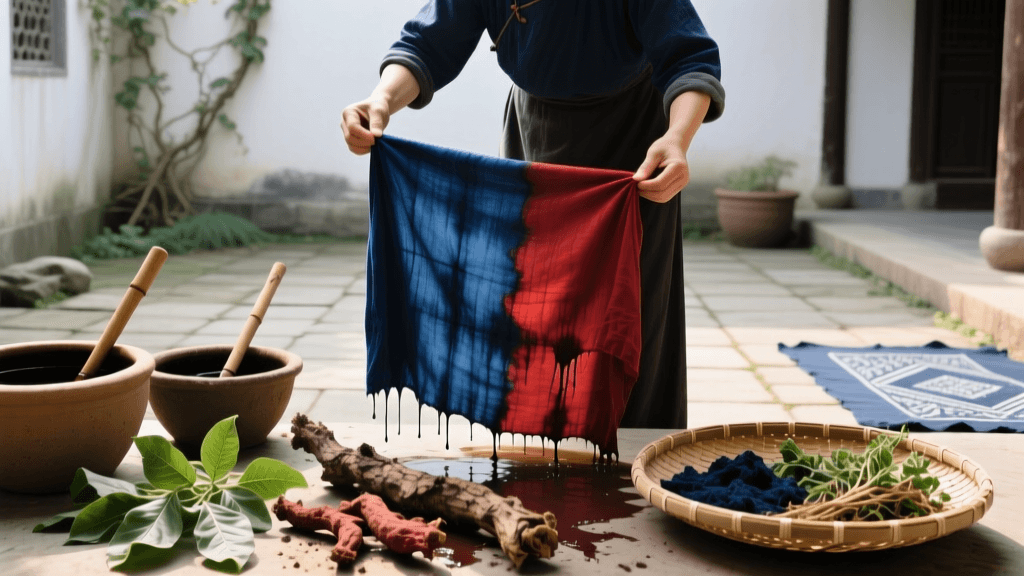
As the global fashion industry adapts to stringent environmental regulations and consumer demands for transparency in 2026, the ancient Chinese art of Cao Mu Ran (plant-based dyeing) has experienced a monumental renaissance. Unlike synthetic dyes, which are heavily scrutinized under the 2026 EU Strategy for Sustainable and Circular Textiles, traditional Chinese botanical dyes offer a biodegradable, non-toxic alternative that actively supports regenerative agriculture. According to the Textile Exchange, the market share for naturally dyed, organically certified textiles has tripled since the early 2020s, driven by innovations in water-reclamation and organic mordanting.
For artisans, sustainable fashion designers, and heritage garment enthusiasts, mastering Chinese natural dye plants is no longer just a historical pursuit; it is a vital, future-proof skill. This comprehensive guide explores the most potent traditional Chinese dye plants, their eco-friendly extraction methods, and actionable techniques for integrating them into your 2026 textile practice.
Top Chinese Natural Dye Plants for Sustainable Wardrobes
1. Indigo (Polygonum tinctorium / Liao Lan)
While indigo is used globally, the Chinese variety, Polygonum tinctorium (Liao Lan), is prized for its unique, slightly reddish-blue undertone and its historical significance in traditional Han and Miao textiles. In 2026, the shift away from synthetic sodium hydrosulfite (a toxic reducing agent) has popularized the 'organic vat' method.
- Preparation: The leaves are harvested in late summer, soaked in alkaline water (pH 9-10), and fermented to extract the indoxyl precursor.
- Eco-Friendly Reduction: Instead of harsh chemicals, modern eco-dyers use a fructose and lime (calcium hydroxide) vat, or traditional persimmon juice, to reduce the indigo into its water-soluble leuco state.
- Application: Best suited for cellulose fibers like hemp, ramie, and organic cotton. Dip the fabric for 15 minutes, allow it to oxidize in the air for 20 minutes (watching it turn from yellow-green to deep blue), and repeat up to 8 times for a deep navy.
2. Madder (Rubia cordifolia / Qian Cao)
Known as Qian Cao in traditional Chinese medicine and dyeing, madder root produces a spectacular range of reds, from pale peach to deep brick. It was the primary red dye for silk garments during the Han and Tang dynasties.
- Extraction Temperature: The secret to a vibrant, clear red in 2026 is temperature control. Alizarin (the red pigment) extracts beautifully at 60°C (140°F). If the bath exceeds 70°C, purpurin and other compounds release, muddying the color into a brownish-orange.
- Mordanting: Use aluminum acetate for plant fibers or alum (potassium aluminum sulfate) for protein fibers like silk and wool. A 10% weight of fabric (WOF) mordant ratio ensures excellent colorfastness.
- Sustainability Note: Sustainably farmed madder from Yunnan province is now widely available, supporting local soil health as a deep-rooted perennial crop.
3. Pagoda Tree (Sophora japonica / Huai Hua)
The dried flower buds of the Pagoda Tree, Huai Hua, yield a brilliant, luminous yellow. Historically reserved for imperial garments and high-ranking officials, this dye is rich in rutin and quercetin.
- Harvesting & Prep: The buds are harvested before they bloom and dried. Simmer the dried buds for 45 minutes to extract a bright yellow liquor.
- Color Shifting: By altering the mordant, you can achieve a spectrum of colors. Alum yields a bright lemon yellow, while an iron (ferrous sulfate) after-bath shifts the color to a sophisticated, earthy olive green—a highly sought-after palette in 2026 minimalist fashion.
4. Gallnut (Wu Bei Zi)
Gallnuts are not a plant themselves, but rather the tannin-rich galls formed on the Rhus chinensis (Chinese sumac) tree due to aphid interactions. They are the cornerstone of traditional Chinese black and grey dyeing.
- The Tannin-Iron Complex: Gallnuts contain up to 70% tannic acid. When combined with an iron mordant, they create a deep, colorfast black or charcoal grey without the need for heavy metal toxicity.
- Application: Boil gallnuts for an hour, strain, and immerse the pre-mordanted fabric. Follow with a very weak iron bath (2% WOF) to develop the dark color. Overusing iron can degrade natural fibers, so precise 2026 digital scales are recommended for measuring.
Comparison Chart: Chinese Dye Plants & Mordants
| Plant Name | Botanical Name | Base Color | Recommended Mordant | Lightfastness |
|---|---|---|---|---|
| Indigo (Liao Lan) | Polygonum tinctorium | Deep Blue | None (Vat Dye) | Excellent |
| Madder (Qian Cao) | Rubia cordifolia | Brick Red / Orange | Alum / Aluminum Acetate | Very Good |
| Pagoda Tree (Huai Hua) | Sophora japonica | Bright Yellow / Olive | Alum (Yellow) / Iron (Olive) | Good |
| Gallnut (Wu Bei Zi) | Rhus chinensis (Galls) | Charcoal / Black | Iron (Ferrous Sulfate) | Excellent |
| Amur Cork Tree (Huang Bo) | Phellodendron amurense | Neon Yellow | None (Substantive Dye) | Poor (Fugitive) |
Step-by-Step Eco-Friendly Dyeing Process
Achieving professional, colorfast results with Chinese natural dyes requires a meticulous approach to fiber preparation and bath management. Follow this standardized 2026 protocol for optimal sustainability and color yield.
Step 1: Scouring (Deep Cleaning)
Natural fibers contain waxes, pectins, and oils that repel water-based dyes. For cellulose fibers (cotton, hemp, ramie), scour with a solution of sodium carbonate (soda ash) and a neutral, biodegradable soap at 80°C for 60 minutes. For protein fibers (silk, wool), use a gentle pH-neutral soap at 45°C to avoid felting or damaging the delicate fibroin structure.
Step 2: Mordanting (The Bridge)
Except for vat dyes (indigo) and substantive dyes (Huang Bo), most Chinese plant dyes require a mordant to bind the pigment to the fiber. Dissolve 12% WOF alum and 5% WOF cream of tartar in hot water. Simmer the scoured fabric in this solution for 45 minutes. Let it cool in the bath overnight for maximum penetration, then rinse gently.
Step 3: The Dye Bath
Extract your chosen plant material (e.g., 100% WOF madder root). Maintain the precise extraction temperature (60°C for madder, 90°C for pagoda tree). Submerge the mordanted, wet fabric. Agitate gently for the first 10 minutes to prevent uneven spotting, then let it steep for 1 to 2 hours.
Step 4: Post-Treatment and Washing
Rinse the dyed fabric in cool, pH-neutral water until the runoff is clear. Wash with a mild, eco-friendly detergent. Line dry in the shade; UV exposure while wet can cause uneven fading in natural dyes like pagoda tree yellow.
Sourcing and Closed-Loop Sustainability in 2026
The environmental impact of natural dyeing extends beyond the absence of synthetic chemicals; it encompasses water usage, agricultural practices, and waste management. According to the United Nations Environment Programme (UNEP), the fashion sector must drastically reduce its water footprint, making closed-loop dyeing systems essential even for small-scale artisans in 2026.
Sourcing Ethical Botanicals:
When purchasing dye materials, look for 2026 certifications indicating regenerative farming. Madder and indigo should be sourced from farms that practice crop rotation and avoid synthetic pesticides. Many heritage brands now partner directly with cooperatives in Guizhou and Yunnan, ensuring fair trade practices and the preservation of indigenous agricultural knowledge.
Implementing Closed-Loop Water Systems:
To minimize water waste, modern eco-studios utilize a tiered water reclamation method.
1. First Rinse: The highly concentrated, pigment-rich first rinse is saved and added back to the next dye pot as a base, deepening the color.
2. Second Rinse: Lightly tinted water is used to pre-soak dry, un-scoured fabrics, allowing the water to act as a preliminary softening agent.
3. Final Rinse: The final, nearly clear rinse water is neutralized (if necessary) and used to irrigate non-edible garden plants, as alum and plant tannins are generally safe for soil in small, diluted quantities.
Composting Spent Botanicals:
Unlike synthetic dye sludge, which is classified as hazardous waste, spent madder root, pagoda buds, and indigo leaf compost are rich in nitrogen and organic matter. In 2026, zero-waste dye studios routinely compost their exhausted dye materials, returning vital nutrients to the earth and completing the biological cycle of the Cao Mu Ran tradition.
Conclusion
The integration of Chinese natural dye plants into modern eco-fashion is a testament to the timeless ingenuity of Asian textile traditions. By mastering the precise chemistry of Liao Lan, Qian Cao, Huai Hua, and Wu Bei Zi, artisans and designers can create garments that are not only visually breathtaking but deeply aligned with the ecological imperatives of 2026. Whether you are dyeing a traditional silk Hanfu or a contemporary hemp streetwear piece, these botanical treasures offer a sustainable, vibrant path forward for the global wardrobe.