2026 Guide to Chinese Indigo & Madder Root Eco-Friendly Hanfu Dyeing
The Renaissance of Plant-Based Dyes in 2026
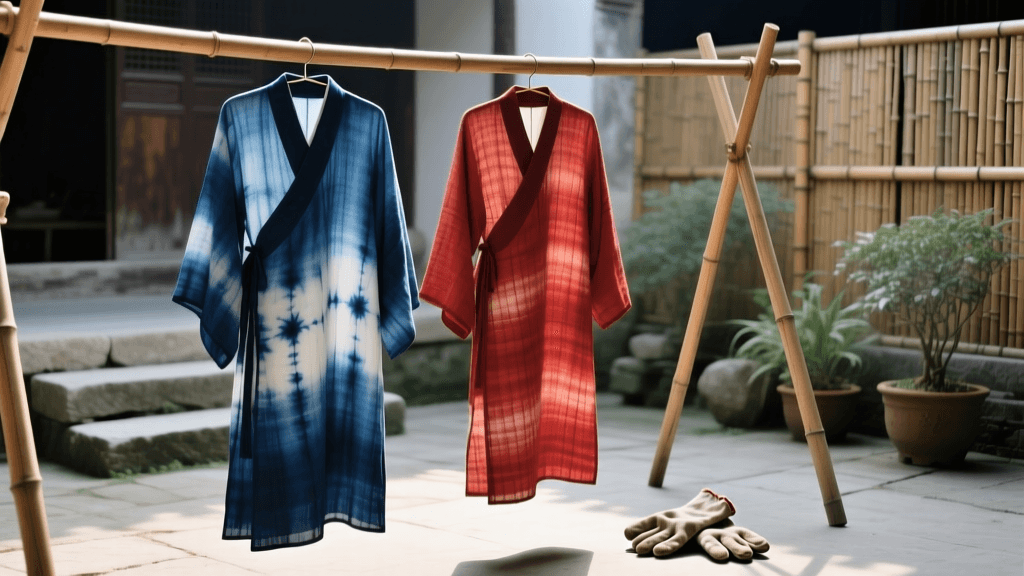
As the global fashion industry faces intense scrutiny over its environmental footprint, the Hanfu revival movement has entered a new era of ecological consciousness. In 2026, the demand for authentic, sustainably produced traditional Chinese garments has reached unprecedented heights. Enthusiasts and artisans alike are turning away from synthetic azo dyes and embracing the ancient, eco-friendly practices of botanical coloring. At the forefront of this sustainable renaissance are two botanical powerhouses: Chinese Indigo (Strobilanthes cusia, commonly known as Banlangen) and Chinese Madder (Rubia cordifolia, known as Qiancao). These plants not only yield the iconic azure blues and deep crimson reds historically favored by Chinese dynasties, but they also offer a closed-loop, biodegradable alternative to modern chemical dyeing.
The shift toward natural dyes is not merely an aesthetic choice; it is a vital component of the circular fashion economy. According to insights from the Ellen MacArthur Foundation, transitioning to regenerative and natural material flows is essential for eliminating textile pollution. By utilizing indigenous Chinese dye plants, modern Hanfu makers are preserving intangible cultural heritage while actively reducing the microplastic and heavy metal runoff associated with conventional textile manufacturing.
Understanding Chinese Indigo (Banlangen) and Madder (Qiancao)
Chinese Indigo (Strobilanthes cusia) has been cultivated in the humid, subtropical regions of southern China for millennia. Unlike synthetic indigo, which requires toxic reducing agents like sodium dithionite to become water-soluble, traditional Chinese indigo vats utilize organic fermentation or alkaline fructose reductions. The active compound, indigotin, binds to silk fibers through a process of oxidation, resulting in a colorfast, antimicrobial blue that actually strengthens the silk over time.
Chinese Madder (Rubia cordifolia) is a climbing perennial native to the mountainous regions of Asia. Its roots are rich in alizarin and purpurin, anthraquinone compounds that produce a spectrum of colors ranging from soft peach and vibrant orange to deep, blood-red hues. The cultivation of madder is highly sustainable; as a perennial plant, it prevents soil erosion, and its deep root system requires minimal irrigation once established. Furthermore, the Food and Agriculture Organization (FAO) highlights the importance of sustainably harvested non-wood forest products and botanicals in supporting rural livelihoods and promoting biodiversity-friendly agriculture.
Botanical Profiles and Sustainability Metrics
Understanding the specific requirements of each plant is crucial for achieving professional-grade results on delicate silk Hanfu fabrics. Below is a comparative analysis of these two foundational natural dyes based on 2026 artisanal standards.
| Metric | Chinese Indigo (Banlangen) | Chinese Madder (Qiancao) |
|---|---|---|
| Active Compound | Indigotin | Alizarin & Purpurin |
| Target Color Palette | Navan Blue, Azure, Teal | Crimson, Terracotta, Soft Peach |
| Extraction Method | Alkaline Vat Reduction (Fructose/Lime) | Hot Water Decoction (65°C) |
| Ideal Mordant for Silk | None required (Vat dye) | Potassium Aluminum Sulfate (Alum) |
| Water Footprint | Low (Closed-loop vat system) | Medium (Requires multiple rinses) |
| Colorfastness (Light/Wash) | Excellent / Excellent | Good / Very Good |
Step-by-Step Eco-Friendly Dyeing Process for Silk Hanfu
Dyeing silk Hanfu requires precision, patience, and a deep respect for the fiber. Silk is a protein fiber, meaning it is sensitive to high alkalinity and extreme heat. The following protocol outlines the modern, eco-conscious method for dyeing silk using these traditional plants in 2026.
Phase 1: Scouring and Preparing the Silk
Raw silk contains sericin, a natural gum that must be removed to allow the dye to penetrate evenly. In a stainless steel pot, heat soft water to 40°C (104°F). Add 2 grams of eco-friendly sodium carbonate (washing soda) and 1 gram of mild, pH-neutral liquid castile soap per liter of water. Submerge the pre-wetted silk Hanfu fabric and gently agitate for 45 minutes. Rinse thoroughly in lukewarm water until the water runs clear. This degumming process ensures the silk is receptive to both mordants and dyes.
Phase 2: Eco-Mordanting with Alum
While indigo is a vat dye and requires no mordant, madder root requires a metallic salt to bind the alizarin to the silk protein. We use Potassium Aluminum Sulfate (Alum) due to its low toxicity and brightening effect on reds.
- Measurement: Use 15% Weight of Fabric (WOF) for Alum and 5% WOF for Cream of Tartar (which buffers the pH and protects the silk).
- Process: Dissolve the mordants in hot water, add to a dye pot with enough 45°C (113°F) water to allow the fabric to move freely, and simmer the silk gently for 60 minutes. Let the silk cool in the mordant bath overnight for maximum saturation.
Phase 3: Building the 2026 Organic Indigo Vat
Modern sustainable studios have abandoned harsh chemical reducers. To build an organic fructose indigo vat, combine 50 grams of finely ground Chinese indigo powder, 100 grams of calcium hydroxide (slaked lime), and 150 grams of fructose (fruit sugar) in a 10-liter bucket of water heated to 50°C (122°F). Stir gently, cover, and let it rest for 24 hours. The liquid should turn a yellowish-green with a coppery scum on top, indicating the indigotin has been successfully reduced and is ready to bond with the silk.
Phase 4: Madder Extraction and Temperature Control
Temperature control is the most critical factor when dyeing with Qiancao. If the madder root is boiled, the purpurin (which yields muddy brown tones) will extract alongside the alizarin (which yields clear reds).
- Measurement: Use 100% WOF of dried, powdered Chinese madder root.
- Process: Place the root powder in a fine mesh bag and submerge it in a pot of water. Slowly heat the water to exactly 65°C (149°F) and hold it at this temperature for 2 hours. Remove the bag, introduce the mordanted silk, and maintain the 65°C heat for another 90 minutes, stirring occasionally with a wooden dowel to prevent uneven spotting.
Troubleshooting Common Natural Dyeing Issues
Even experienced dyers encounter challenges when working with natural botanicals. Here are solutions to common issues faced when dyeing Hanfu silk:
- Uneven Indigo Patches: This occurs when the silk is exposed to oxygen prematurely while submerged in the vat. Ensure the fabric is massaged gently under the surface of the liquid without breaking the surface tension, which introduces oxygen and causes the indigo to precipitate out of the solution unevenly.
- Muddy Madder Reds: If your crimson Hanfu skirt turns brownish-orange, your extraction temperature exceeded 70°C. Always use a precise digital thermometer and never allow the madder bath to simmer or boil.
- Poor Wash Fastness: If the color bleeds heavily during the first wash, the fabric was not properly neutralized. After dyeing, rinse the silk in a mild citric acid bath (1 teaspoon per liter of water) to neutralize alkalinity and lock the dye molecules into the protein matrix.
2026 Market Trends: Sustainable Hanfu Brands Leading the Way
The commercial Hanfu market in 2026 has seen a massive pivot toward transparency and sustainability. Leading artisanal brands in Suzhou and Hangzhou are now implementing closed-loop water filtration systems, allowing them to reuse indigo vats for months and safely compost madder root waste as agricultural fertilizer. According to the latest data from the Textile Exchange Preferred Fiber and Materials Report, the adoption of naturally dyed, regenerative fibers is one of the fastest-growing segments in the global luxury and traditional apparel sectors. Consumers are increasingly willing to pay a premium for Hanfu garments that come with botanical traceability, knowing exactly which province the indigo or madder was harvested from.
Environmental Impact and Water Conservation
The environmental benefits of utilizing Strobilanthes cusia and Rubia cordifolia extend far beyond the elimination of toxic synthetic chemicals. Traditional synthetic dyeing is responsible for nearly 20% of global industrial water pollution. In contrast, the organic indigo vat can be maintained indefinitely; artisans simply 'feed' the vat with more fructose and lime as needed, drastically reducing water consumption. Madder root waste, rich in nitrogen and organic compounds, is routinely returned to the soil, completing a beautiful, zero-waste biological cycle. By choosing plant-dyed Hanfu, wearers are directly supporting agricultural practices that heal the soil rather than deplete it.
Conclusion: Embracing Slow Fashion and Heritage
The integration of Chinese indigo and madder root into modern Hanfu production is a profound statement of cultural resilience and environmental stewardship. As we navigate the fashion landscape of 2026, the true luxury of a traditional garment lies not just in its intricate embroidery or flowing silhouettes, but in the story of its creation. By mastering these eco-friendly dyeing techniques, artisans and hobbyists alike are ensuring that the vibrant colors of Chinese antiquity will continue to be worn, celebrated, and preserved for generations to come, all while treading lightly on the earth.