Chinese Natural Dyes 2026: Sustainable Plant Dyeing for Hanfu
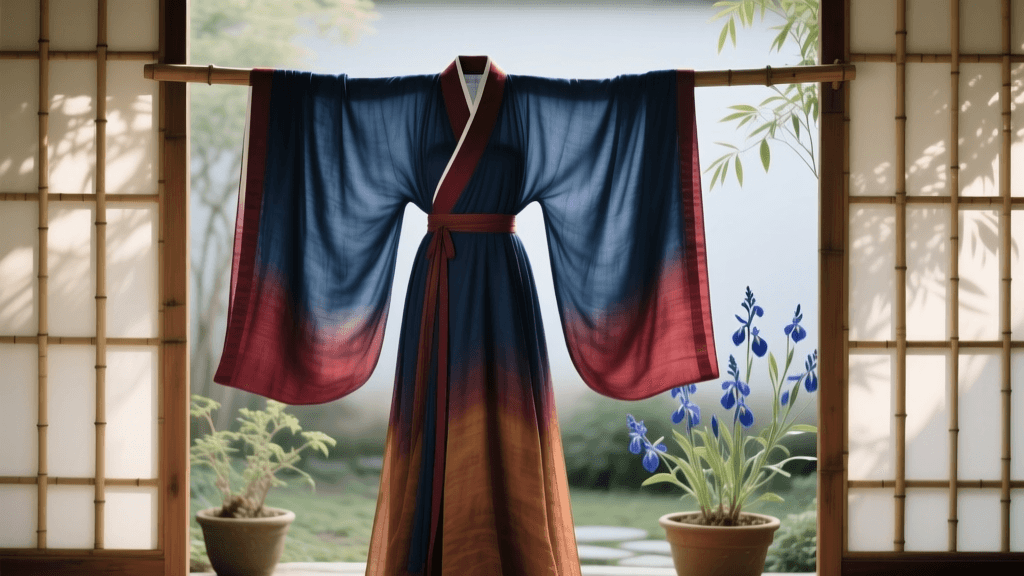
The Renaissance of Eco-Friendly Chinese Textiles in 2026
In 2026, the global fashion industry is undergoing a massive paradigm shift, and the traditional Chinese garment community is leading the charge in sustainable practices. The Hanfu movement, which has exploded in popularity over the last decade, is now pivoting away from mass-produced, synthetic polyester blends toward authentic, eco-friendly materials. At the heart of this revival is the ancient art of caose (grass and plant colors), a traditional Chinese dyeing system that utilizes native flora to create vibrant, biodegradable textiles. As consumers become hyper-aware of the toxic runoff associated with synthetic azo dyes, natural plant dyeing has transitioned from a niche historical hobby to a vital component of sustainable Asian fashion.
Top Traditional Chinese Dye Plants for Sustainable Fashion
China’s vast botanical diversity has provided dyers with a rich palette for millennia. In 2026, modern eco-conscious artisans are combining these ancient botanical sources with precise, digitally monitored extraction techniques to achieve unprecedented colorfastness and vibrancy.
Indigo (Lancao) - The Blue Standard
Derived primarily from Polygonum tinctorium (Chinese indigo), Lancao is the cornerstone of traditional blue dyeing. Unlike mordant dyes, indigo is a vat dye that requires an alkaline, oxygen-depleted environment to dissolve. In 2026, artisan dyers utilize smart-temperature fermentation vats to maintain the perfect 25°C environment for the indigo bacteria, yielding deep, rich blues that range from pale sky to midnight navy. Organic indigo paste from Guizhou province is currently the gold standard, prized for its high indican content and zero-chemical fermentation process.
Madder (Qiancao) - Crimson Roots
Rubia cordifolia, known as Qiancao, produces a stunning array of reds, corals, and deep crimsons. The active dye compounds, alizarin and purpurin, are extracted from the plant's roots. Modern sustainable studios in 2026 often pair madder with a soy milk binder rather than heavy metal mordants, creating a soft, warm red that is entirely non-toxic and safe for sensitive skin. Madder requires careful temperature control; boiling the roots extracts muddy browns, while maintaining a steady 65°C yields the most brilliant, clear reds.
Pagoda Tree (Huaihua) - Imperial Yellows
The dried flower buds of the Pagoda tree (Sophora japonica) yield a bright, colorfast yellow known as Huaihua. Historically reserved for imperial garments, this dye is rich in rutin. It is highly valued in 2026 for its excellent lightfastness compared to other yellow botanicals like turmeric or weld. When paired with an alum mordant, it produces a vibrant lemon yellow; when modified with a slight iron dip, it shifts to a sophisticated olive green.
Gallnut (Wubeizi) - Deep Blacks and Greys
Chinese Gallnut (Rhus chinensis) is not a true dye but a tannin-rich growth found on sumac trees. It is the ultimate eco-friendly alternative to toxic synthetic black dyes. By first dyeing a fabric in gallnut and then dipping it in an iron-rich mud or ferrous sulfate solution, artisans create a deep, permanent charcoal or raven black. This tannin-iron complex is a staple in 2026 for creating the dark, formal Hanfu silhouettes required for winter ceremonies and academic dress.
2026 Comparison Chart: Chinese Dye Plants & Extraction Metrics
For home dyers and sustainable fashion brands, understanding the specific metrics of each plant is crucial for minimizing water and energy waste. Below is the 2026 standardized extraction guide for traditional Chinese dye plants:
| Plant (Pinyin / English) | Target Color | Optimal Temp (°C) | Preferred Eco-Mordant | Lightfastness Rating |
|---|---|---|---|---|
| Lancao (Indigo) | Deep Blue | 20-25°C (Vat) | None (Vat Dye) | Excellent |
| Qiancao (Madder) | Crimson / Red | 60-70°C | Soy Milk / Alum | Good |
| Huaihua (Pagoda Tree) | Bright Yellow | 80-90°C | Alum | Moderate to Good |
| Wubeizi (Gallnut) | Grey / Black | 90-100°C | Iron (Ferrous) | Excellent |
Essential Tools for the 2026 Eco-Dyer
To achieve professional, sustainable results at home, modern dyers rely on precision tools that reduce water and plant waste:
- Digital pH Meter: Essential for monitoring the alkalinity of indigo vats (target pH 9-11) and the acidity of madder baths (target pH 6-7).
- Induction Cooktop with Temperature Probe: Allows for exact degree-by-degree control to prevent scorching delicate dye compounds.
- Stainless Steel or Enamel Pots: Reactive metals like copper or unlined iron will unintentionally shift colors (saddening); 316-grade stainless steel is the 2026 standard for neutral extraction.
- Botanical Scale: A micro-scale for measuring precise amounts of natural mordants like alum and cream of tartar.
Step-by-Step Eco-Friendly Dyeing Process for Silk and Ramie
Dyeing protein fibers (silk) and cellulose fibers (ramie or hemp) requires slightly different approaches. Here is the universally adopted 2026 methodology for achieving lasting color on traditional Hanfu fabrics.
1. Scouring the Fabric
Raw silk contains sericin (silk gum), and ramie contains natural waxes. These must be removed for the dye to penetrate. Instead of harsh synthetic detergents, modern eco-dyers use bio-enzyme scouring agents or a mild solution of washing soda (sodium carbonate) heated to 50°C. The fabric is soaked for 45 minutes, then rinsed in cool water until the runoff is completely clear.
2. Mordanting for Colorfastness
Mordants act as the chemical bridge between the fiber and the dye. For a 100g piece of silk, the 2026 sustainable standard is the soy milk binder method. Dilute 100ml of organic, non-GMO soy milk in 2 liters of cold water. Submerge the scoured silk and let it soak for 12 hours. The proteins in the soy milk bind to the silk, creating a receptive surface for tannin and madder dyes without the use of mined heavy metals. For cellulose fibers like ramie, a standard 15% Weight of Fabric (WOF) alum acetate mordant is preferred.
3. The Extraction and Dye Bath
Using Pagoda Tree (Huaihua) as an example: combine 50g of dried buds with 3 liters of water. Slowly raise the temperature to 85°C and hold it there for one hour. Strain the botanical matter (which can be composted). Add the pre-mordanted, wet fabric to the dye bath. Maintain a gentle 60°C for 45 minutes, stirring gently to ensure even coverage. Allow the fabric to cool in the bath overnight. This slow cooling process, known as "exhausting the bath," ensures maximum dye uptake and zero wasted pigment in the wastewater.
"The philosophy of Tian Ren He Yi (Heaven and Humanity as One) is woven into every thread of naturally dyed Hanfu. We do not force color onto the fabric; we invite the plant's spirit to reside within the textile." — Master Chen, Guizhou Heritage Dyeing Cooperative, 2026.
Sourcing Sustainable Mordants and Plant Materials in 2026
The supply chain for natural dyes has matured significantly. In 2026, ethically minded Hanfu brands and independent artisans source their materials directly from certified organic cooperatives in Yunnan, Guizhou, and Zhejiang. Organic indigo paste currently retails for approximately $45 to $60 per kilogram, reflecting the fair-trade wages paid to indigenous Yao and Miao farmers who maintain the terraced indigo fields. When purchasing madder root or gallnuts, look for suppliers that provide botanical authenticity certificates and utilize solar-drying facilities, which drastically reduces the carbon footprint associated with traditional kiln-drying.
The Environmental Impact: Why Plant Dyes Matter Now
The shift toward natural dyes is not merely an aesthetic choice; it is an environmental imperative. The synthetic textile dyeing industry is responsible for roughly 20% of global industrial water pollution. By returning to botanical sources, the 2026 Hanfu community is actively reducing microplastic shedding and toxic aquatic exposure. As highlighted in comprehensive historical and environmental analyses by institutions like the Metropolitan Museum of Art, natural dyes have sustained human cultures for thousands of years without degrading their local ecosystems. Furthermore, recent investigations into sustainable textiles, such as those featured by BBC Future, emphasize that ancient plant dyes possess inherent antimicrobial and UV-resistant properties that modern synthetic counterparts struggle to replicate without adding toxic chemical finishers.
By embracing Chinese natural plant dyes, today’s Hanfu enthusiasts and sustainable fashion designers are doing more than reviving a beautiful aesthetic. They are participating in a vital ecological movement, proving that the most advanced, forward-thinking fashion solutions of 2026 are often rooted deeply in the wisdom of the past. Whether you are dyeing a flowing Mamianqun (horse-face skirt) with pagoda tree yellow or fermenting an indigo vat for a scholar’s robe, the integration of traditional Chinese botany and modern eco-consciousness represents the true future of Asian sartorial heritage.