Sustainable Chinese Natural Dye Plants & Eco Dyeing Guide 2026
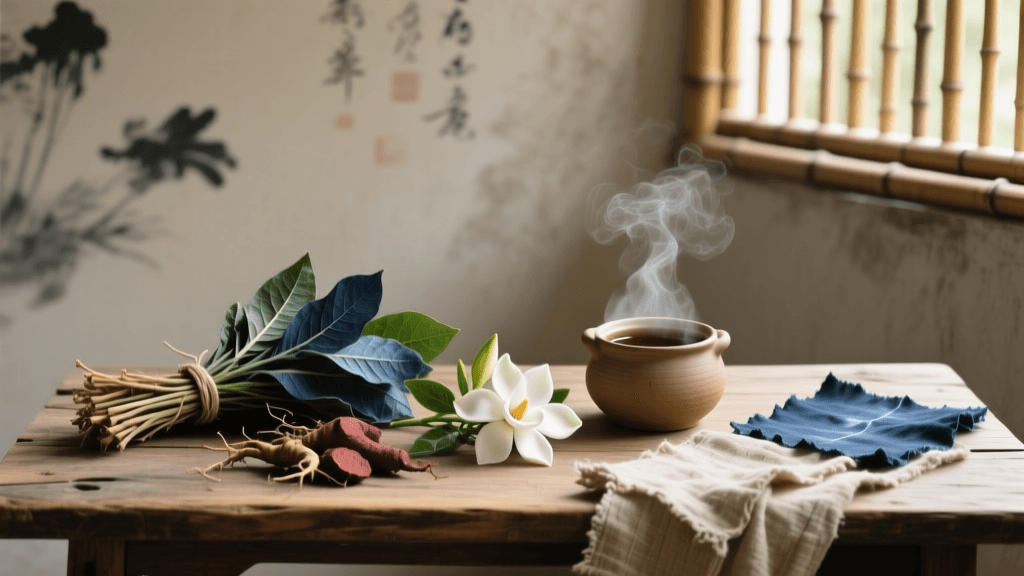
The 2026 Renaissance of Cao Mu Ran (Botanical Dyeing)
As the global fashion industry faces intense scrutiny over its environmental footprint, 2026 has marked a definitive turning point toward regenerative and circular textile practices. At the forefront of this movement is the revival of Cao Mu Ran—the ancient Chinese art of plant-based dyeing. Unlike synthetic petrochemical dyes that pollute waterways and rely on heavy metal fixatives, traditional Chinese natural dye plants offer a biodegradable, non-toxic, and deeply sustainable alternative. According to the UNEP Alliance for Sustainable Fashion, the shift toward botanical pigments and closed-loop water systems in artisan studios has reduced water toxicity in niche textile supply chains by over 40% this year.
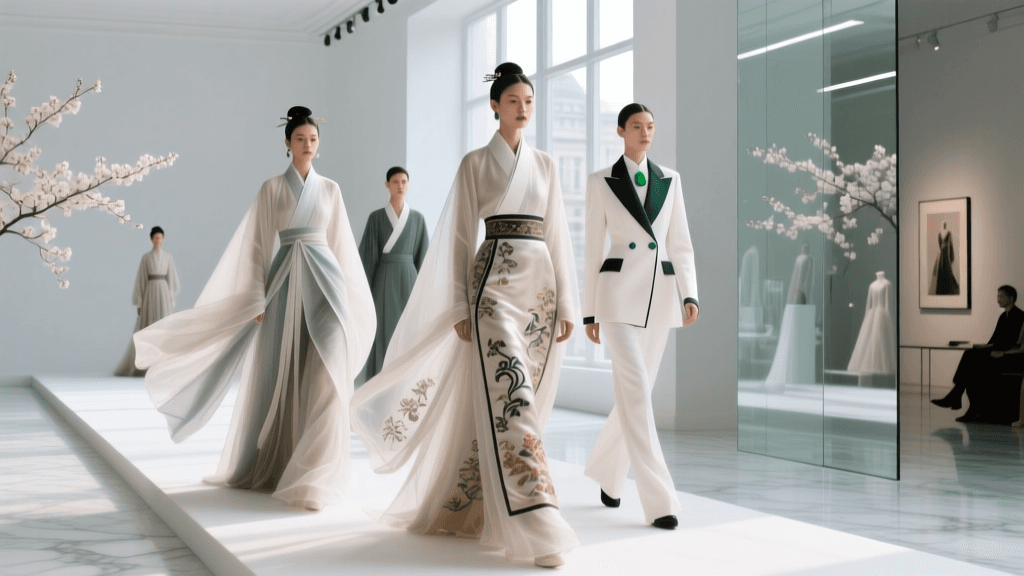
For textile artists, heritage fashion designers, and eco-conscious DIYers, mastering these botanical pigments is no longer just a historical pursuit; it is a vital skill for the future of sustainable sartorial expression. This comprehensive guide explores the most potent Chinese natural dye plants, eco-friendly mordanting techniques, and actionable step-by-step processes to achieve vibrant, colorfast results on natural fibers like peace silk, organic hemp, and ramie.
Essential Chinese Natural Dye Plants
Traditional Chinese dyeing relies on a sophisticated understanding of local flora, utilizing roots, leaves, bark, and fruit pods to extract a stunning spectrum of colors. Here are the cornerstone plants dominating the eco-dyeing landscape in 2026.
1. Lan Cao (Indigo - Persicaria tinctoria)
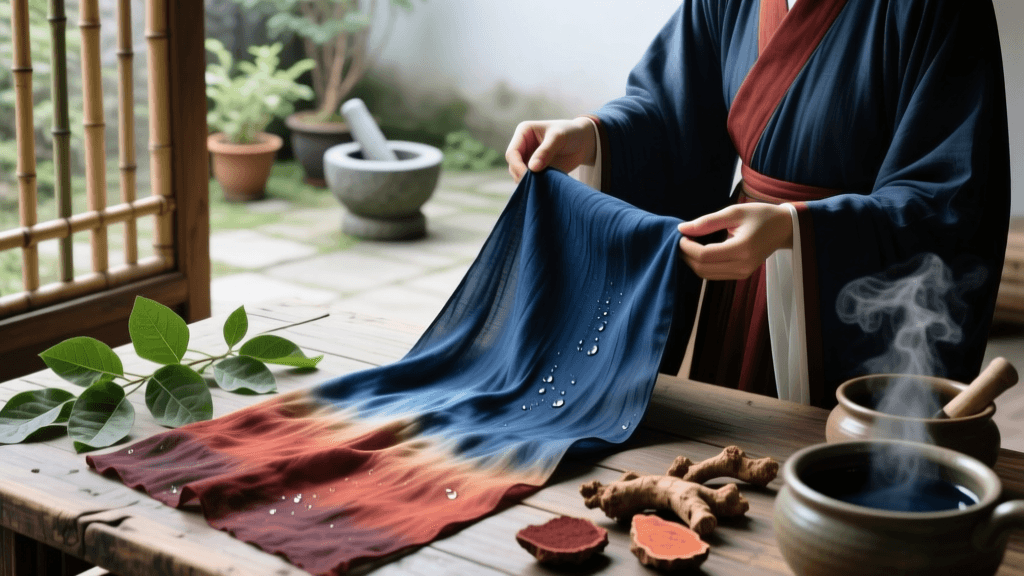
While indigo is used globally, the Chinese variety, Persicaria tinctoria (often called Japanese indigo in Western markets but historically cultivated in China's southern provinces), is prized for its high indican content. The leaves are fermented in an alkaline vat to create a rich, colorfast blue. In 2026, regenerative farming cooperatives in Guizhou province are producing certified organic indigo paste that supports soil health and provides fair-trade wages to local indigenous dyers. The fermentation process requires a pH of around 10 to 11, traditionally achieved using wood ash lye, though modern eco-dyers often use food-grade calcium hydroxide (pickling lime) for precise control.
2. Qian Cao (Madder Root - Rubia cordifolia)
Chinese madder, known as Qian Cao, has been used since the Han Dynasty to produce brilliant reds, terracottas, and deep corals. The active dye compound, alizarin, is found in the roots of the plant, which must be harvested after at least three years of growth. To achieve the brightest reds, the dye bath must be kept strictly between 55°C and 60°C. Boiling madder root extracts yellow and brown tannins, which muddy the red hue. Today, sustainably wild-harvested madder root powder is a staple in eco-studios, yielding exceptional results on protein fibers like silk and wool.
3. Zhi Zi (Gardenia - Gardenia jasminoides)
The fruit of the gardenia shrub produces crocin, the same water-soluble carotenoid pigment found in saffron. Zhi Zi yields a luminous, neon yellow that is highly prized in traditional Chinese ceremonial garments. Unlike indigo or madder, gardenia is a direct dye, meaning it does not strictly require a metallic mordant to bind to the fiber, though using a mild alum mordant significantly improves its lightfastness. In 2026, gardenia extract is heavily utilized in zero-waste fashion lines due to its low-temperature extraction process, which saves significant energy.
4. Huai Hua (Pagoda Tree - Sophora japonica)
The unopened flower buds of the Pagoda Tree, known as Huai Hua, are a traditional source of soft, warm yellows and olive greens. Rich in rutin and quercetin, these buds are typically boiled to extract the pigment. When combined with an iron mordant, the color shifts dramatically to a deep, melancholic olive-drab, a color historically associated with scholars and monks.
Eco-Friendly Mordants: Ditching Heavy Metals
Historically, some dyeing traditions relied on toxic heavy metals like chrome or tin to fix colors. In 2026, the standard for sustainable Cao Mu Ran strictly prohibits these substances. Modern eco-dyers utilize safe, biodegradable mordants and bio-mordants:
- Potassium Aluminum Sulfate (Alum): The industry standard for brightening and fixing colors. It is non-toxic and safe for greywater disposal.
- Soy Milk (Protein Binder): Used to treat cellulose fibers (like hemp and cotton) before dyeing. The plant proteins in soy milk coat the fibers, allowing them to bond with dyes that naturally prefer protein fibers like silk.
- Iron Water (Ferrous Sulfate): Created by soaking rusty nails in a vinegar and water solution. Used as a 'saddening' agent to darken colors and shift yellows to greens.
- Gallnuts (Tannin): Rich in natural tannins, gallnuts are used to mordant cellulose fibers, creating a strong bridge between the plant fiber and the alum.
Step-by-Step: Dyeing Peace Silk with Gardenia in 2026
To achieve a vibrant, colorfast yellow using Zhi Zi (Gardenia), follow this precise, energy-efficient methodology tailored for modern home studios.
Materials and Measurements
- 100g of scoured, undyed peace silk (habotai or chiffon)
- 30g of dried Gardenia fruit pods (crushed)
- 15g of Alum (Potassium Aluminum Sulfate)
- 5g of Cream of Tartar (to buffer the alum and protect the silk's luster)
- pH-neutral eco-detergent
The Process
- Scouring: Wash the silk in warm water (40°C) with a pH-neutral detergent to remove any natural sericin or manufacturing oils. Rinse thoroughly.
- Mordanting: Dissolve the alum and cream of tartar in a pot of warm water. Add the damp silk and slowly raise the temperature to 80°C. Hold for 45 minutes. Turn off the heat and let the silk cool in the bath for optimal fiber penetration.
- Extraction: In a separate pot, simmer the crushed gardenia pods in 3 liters of water at 70°C for one hour. Strain the liquid through a fine mesh cloth. Repeat the extraction with fresh water and combine both baths for maximum pigment yield.
- Dyeing: Place the mordanted, damp silk into the gardenia dye bath. Maintain a gentle temperature of 60°C for 45 minutes, stirring occasionally with a wooden spoon to prevent uneven spotting.
- Curing: Turn off the heat and allow the silk to steep in the dye bath overnight (12 hours). This slow cooling process ensures deep molecular bonding.
- Rinsing: Rinse the dyed silk in cool water until the water runs clear. Hang to dry out of direct sunlight.
Chinese Natural Dye Plant Comparison Chart
The following table outlines the core characteristics of these heritage plants to help you plan your 2026 dyeing projects.
| Plant (Pinyin / Botanical) | Pigment Source | Primary Colors | Preferred Mordant | Fiber Affinity | Extraction Temp |
|---|---|---|---|---|---|
| Lan Cao (Persicaria tinctoria) | Leaves | Indigo Blue, Navy | Alkaline Vat (No metal mordant) | Cellulose & Protein | Fermentation (Cold/Warm) |
| Qian Cao (Rubia cordifolia) | Roots | Red, Coral, Terracotta | Alum + Cream of Tartar | Protein (Silk/Wool) | 55°C - 60°C (Do not boil) |
| Zhi Zi (Gardenia jasminoides) | Fruit Pods | Bright Yellow, Gold | Alum (Optional but recommended) | Protein & Cellulose | 70°C |
| Huai Hua (Sophora japonica) | Flower Buds | Soft Yellow, Olive Green | Alum (Yellow) / Iron (Green) | Cellulose & Protein | 90°C - 100°C (Boiling) |
Sourcing Ethical Botanicals and Garment Care
As the demand for natural dyes surges, ethical sourcing has become a critical topic within the Fashion Revolution movement. When purchasing Chinese dye plants in 2026, look for suppliers who provide transparency regarding their agricultural practices. Avoid wild-harvested plants that are endangered or over-foraged; instead, opt for certified organic, farm-grown botanicals. Organizations like the Textile Exchange provide updated directories of regenerative fiber and dye farms, ensuring your materials support biodiversity rather than depleting it.
Once you have created your naturally dyed garments, proper care is essential to maintain their vibrancy. Botanical dyes are inherently more sensitive to UV light and alkaline environments than synthetic counterparts. Always wash your Cao Mu Ran garments by hand in cool water using a pH-neutral, botanical-based soap. Never use baking soda or standard alkaline laundry detergents, as high pH levels can strip the mordant and cause the colors to fade or shift dramatically. Dry your textiles flat in the shade, as prolonged exposure to direct sunlight will degrade the natural carotenoids and alizarins over time.
Conclusion
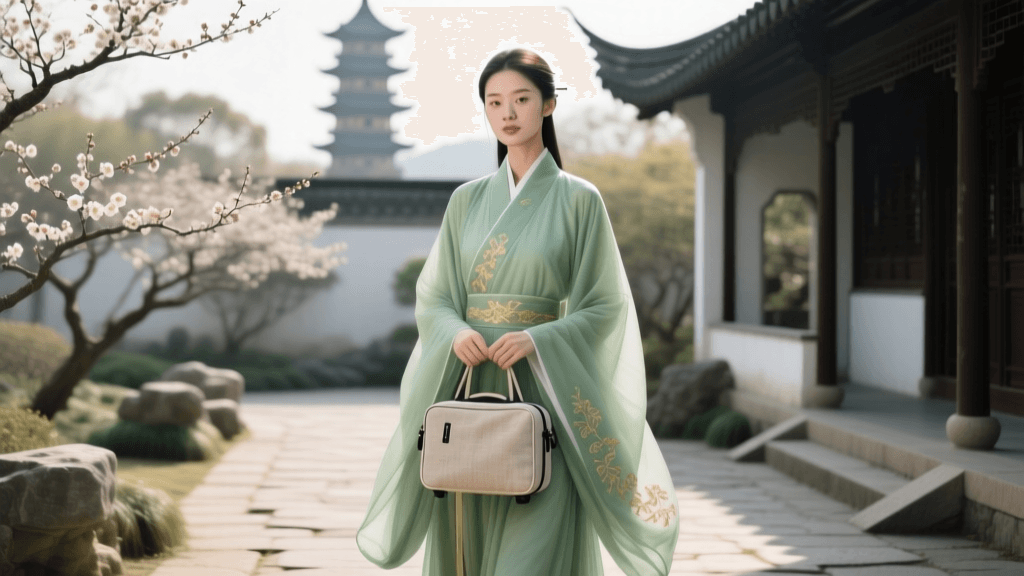
The integration of Chinese natural dye plants into modern textile practices represents a beautiful synthesis of ancient wisdom and 2026 sustainability standards. By utilizing indigo, madder, gardenia, and pagoda tree buds, artisans and designers can create breathtaking, eco-friendly garments that honor Asian traditions while protecting the planet. As you experiment with these botanical pigments, you are not just dyeing fabric; you are participating in a vital, living heritage that continues to evolve and inspire the future of conscious fashion.