Chinese Indigo And Gardenia Eco-Dyeing Guide For 2026
The Renaissance of Chinese Botanical Dyes in 2026
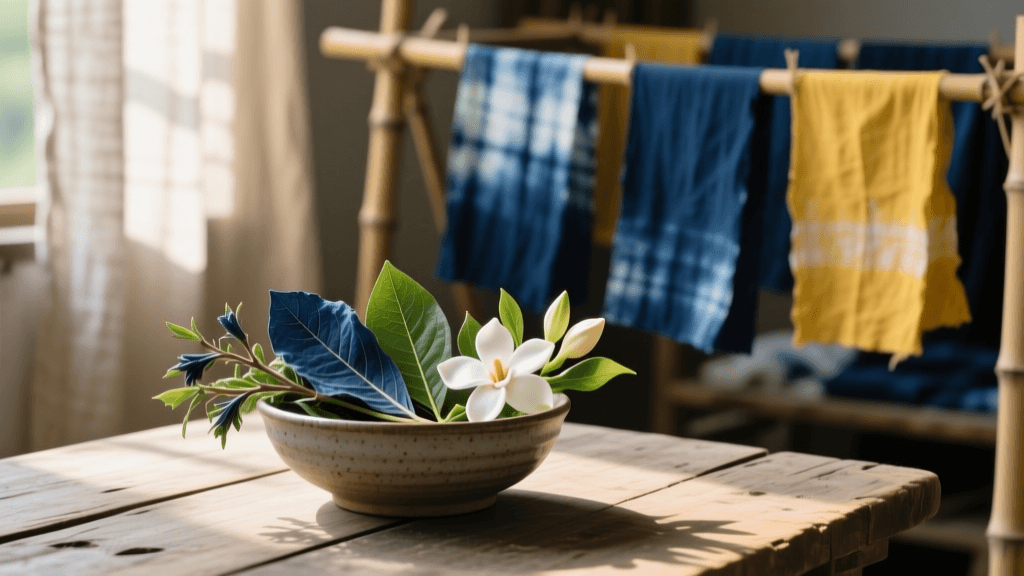
The global fashion and textile industry is undergoing a massive transformation as we move through 2026. With synthetic dye pollution accounting for a significant portion of global water contamination, artisans and eco-conscious designers are turning back to ancient, regenerative practices. Among the most celebrated of these traditions are Chinese natural dye plants, specifically Polygonum tinctorium (Chinese Indigo) and Gardenia jasminoides (Zhi Zi). These plants not only offer breathtaking, nuanced color palettes but also align perfectly with modern zero-waste and closed-loop sustainability goals. In this comprehensive guide, we explore how to harness these traditional Chinese dye plants for eco-friendly home and studio dyeing in 2026.
Sourcing Ethical and Organic Dye Plants
The foundation of sustainable dyeing begins with ethical sourcing. In 2026, the demand for organically cultivated Polygonum tinctorium and wild-harvested Gardenia fruits has surged. When purchasing these botanicals, look for suppliers who practice regenerative agriculture in regions like Yunnan and Guizhou provinces.
- Chinese Indigo (Polygonum tinctorium): Unlike synthetic indigo, which relies on petrochemicals and toxic reducing agents like sodium dithionite, natural Chinese indigo is extracted through a biological fermentation process. Expect to pay between $18 and $28 per 500 grams of high-quality, dried, organically certified leaves in 2026.
- Gardenia (Zhi Zi): The dried fruits of the gardenia shrub yield brilliant, warm yellows and golds. Sustainable harvesting ensures the shrubs are not over-foraged. Prices currently hover around $12 to $15 per 250 grams of dried, crushed fruits.
By supporting certified organic farms, you contribute to soil health and biodiversity, a core tenet of the Textile Exchange's preferred fiber and material standards.
Building an Eco-Friendly Chinese Indigo Vat
Traditional indigo dyeing often required wood ash lye and fermentation vats that took weeks to build. Today, the modern eco-dyer utilizes the '1-2-3 fructose vat' method, which is highly effective, non-toxic, and safe for home use. This method eliminates the need for harsh, environmentally damaging chemical reducing agents.
Ingredients for a 5-Gallon Vat
- 100g finely ground natural Chinese Indigo pigment (processed from Polygonum tinctorium)
- 200g Calcium Hydroxide (slaked lime) – acts as the alkaline base
- 300g Fructose powder – acts as the natural reducing agent (removes oxygen from the indigo)
- 4 Gallons of warm water (120°F / 50°C)
Step-by-Step Process
1. Mix the Base: In a dedicated stainless steel or enamel pot, combine the warm water and calcium hydroxide. Stir well.
2. Add the Indigo: Sprinkle the indigo pigment over the surface. Do not stir vigorously, as you want to avoid introducing oxygen.
3. Reduce the Vat: Gently sprinkle the fructose powder over the surface. Stir slowly and deliberately in one direction to create a gentle whirlpool, pushing any surface bubbles to the center.
4. Rest and Wait: Cover the pot tightly. Let the vat rest for 2 to 4 hours. The liquid should transition from dark blue to a yellowish-green, with a coppery, metallic sheen on the surface (the 'indigo flower').
5. Dyeing: Submerge your pre-scoured, wet cellulose or protein fibers into the vat for 5 to 10 minutes. When you pull the fabric out, it will look yellow-green. As it is exposed to the oxygen in the air, it will magically oxidize and turn a deep, rich blue.
This biological reduction method ensures that when your vat is eventually exhausted, the remaining liquid can be safely neutralized with a little white vinegar and used to water your garden, adhering to the zero-waste principles championed by the Ellen MacArthur Foundation.
Extracting Luminous Yellows from Gardenia (Zhi Zi)
While indigo provides the cool spectrum, Gardenia offers the warm. Gardenia jasminoides contains crocin, the same water-soluble carotenoid pigment found in saffron, making it an incredibly efficient and eco-friendly direct dye.
Extraction and Dyeing Process
1. Preparation: Crush 100g of dried Gardenia fruits to expose the seeds inside. Place them in a muslin bag.
2. Extraction: Submerge the bag in a pot with 2 gallons of water. Slowly bring the temperature to 180°F (82°C). Do not boil, as high heat can dull the vibrant yellow pigment. Simmer gently for 60 minutes.
3. Mordanting (Optional but Recommended): While Gardenia is a substantive dye (meaning it binds to fibers without a mordant), using an eco-friendly mordant improves lightfastness. In 2026, soy milk mordanting is highly preferred over heavy metal salts like alum or chrome. Soak your scoured cotton or linen in a solution of 1 part soy milk to 5 parts water for 12 hours, then let it dry completely before dyeing.
4. The Dye Bath: Once the extraction liquid has cooled to 140°F (60°C), introduce your mordanted fabric. Let it steep for 2 hours, stirring occasionally for even color distribution.
5. Color Shifting: A unique property of Chinese botanical dyes is their pH sensitivity. If you rinse your Gardenia-dyed fabric in water slightly acidified with citric acid, the yellow remains bright. If you introduce an alkaline modifier like iron water or wood ash, the color shifts to stunning olives and deep greens.
The Cultural Heritage of Xiangyunsha and Indigo
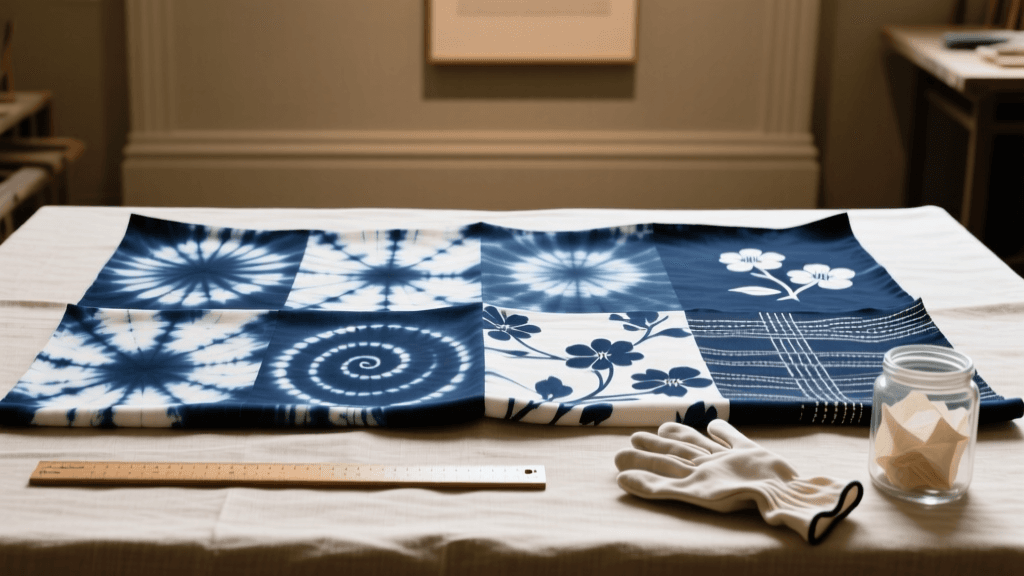
In Chinese history, the mastery of indigo and gardenia was not just a craft, but a deeply cultural practice. During the Ming and Qing dynasties, specific shades of blue and yellow were regulated and held profound symbolic meanings. Blue, derived from Polygonum tinctorium, represented immortality, healing, and the vastness of the sky. Artisans in regions like Guizhou developed resist-dyeing techniques such as Lajiao (batik) and Zharan (tie-dye), using beeswax and physical binding to create intricate patterns that told stories of local mythology and ancestral lineage. By reviving these techniques in 2026, modern dyers are not only saving the planet but also preserving intangible cultural heritage.
2026 Comparison Chart: Chinese Indigo vs. Gardenia
| Botanical Name | Common Name | Primary Color | Mordant Requirement | Lightfastness Rating | Eco-Toxicity Level |
|---|---|---|---|---|---|
| Polygonum tinctorium | Chinese Indigo | Deep Blue / Navy | None (Vat dye) | Excellent (7-8) | Zero / Beneficial |
| Gardenia jasminoides | Zhi Zi (Gardenia) | Vibrant Yellow / Gold | Optional (Soy Milk) | Good (5-6) | Zero / Compostable |
| Rubia cordifolia | Indian/Chinese Madder | Brick Red / Terracotta | Required (Alum/Iron) | Excellent (7-8) | Low / Safe |
Environmental Impact and Water Conservation
The shift toward Chinese natural dye plants is not merely an aesthetic choice; it is a critical environmental intervention. Synthetic dyeing processes consume vast quantities of freshwater and release untreated effluents into waterways. By contrast, botanical dyeing in 2026 embraces closed-loop water systems.
Modern eco-studios are now implementing rainwater harvesting for their dye vats and using bio-filters to reclaim water. Furthermore, the spent botanical matter—such as the exhausted indigo leaves and gardenia fruit husks—is composted, returning vital nitrogen and organic matter to the soil. According to the World Wildlife Fund, the fashion industry's water footprint is a pressing global issue, and transitioning to regenerative, plant-based colorants is a proven method to drastically reduce this impact.
Troubleshooting and Maximizing Colorfastness
Even with the best techniques, natural dyeing requires patience and precision. Here are a few expert tips for 2026:
- Scouring is Non-Negotiable: Natural fibers contain pectins, waxes, and oils that repel dye. Boil cotton and linen with soda ash and a pH-neutral soap before dyeing to ensure deep penetration of the indigo and gardenia pigments.
- Avoid Direct Sunlight During Curing: While natural dyes are remarkably resilient, UV exposure during the initial oxidation and curing phase can cause uneven fading. Dry your dyed garments in a well-ventilated, shaded area for the first 48 hours.
- Maintain Vat Temperature: The fructose indigo vat thrives at 120°F. If the temperature drops too low, the reduction process stalls, and the dye will not bond properly to the fiber. Use a digital thermometer to monitor the vat continuously.
- Post-Dye Washing: Always wash your finished botanical textiles with a mild, pH-neutral detergent. Harsh alkaline laundry powders can strip the gardenia yellows and alter the indigo blues over time.
Conclusion
Embracing Polygonum tinctorium and Gardenia jasminoides connects us to centuries of Asian textile heritage while providing a viable, sustainable solution for the modern era. As we navigate the environmental challenges of 2026, these ancient Chinese dye plants prove that true luxury lies in harmony with nature. Whether you are a hobbyist dyeing in your kitchen or a designer sourcing for a sustainable label, the vibrant blues and luminous yellows of Chinese botanical dyes offer a beautiful, eco-friendly path forward.