Hanfu Travel Wardrobe 2026: Packing Essentials & Destinations
The Rise of the Global Hanfu Tourist in 2026
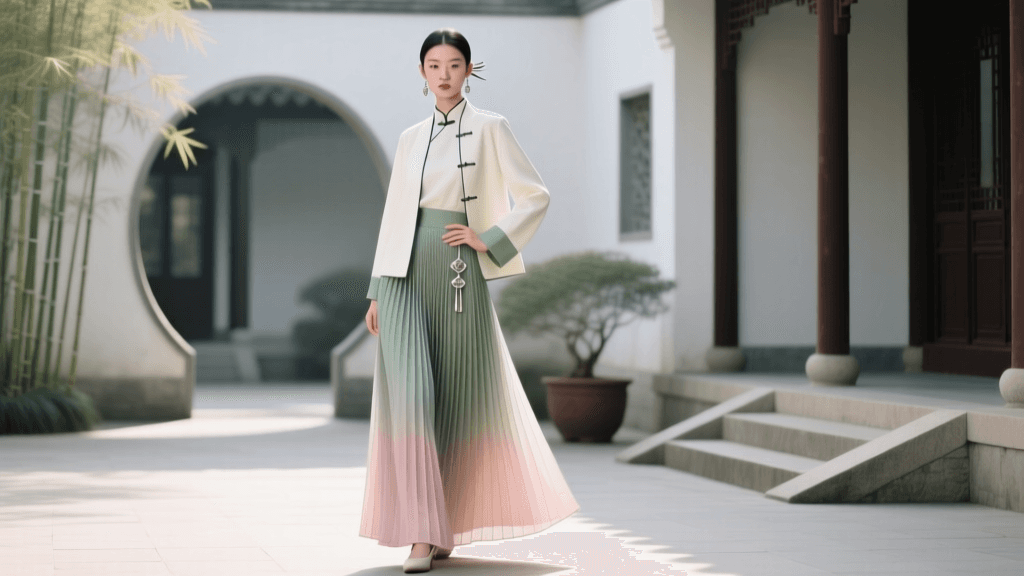
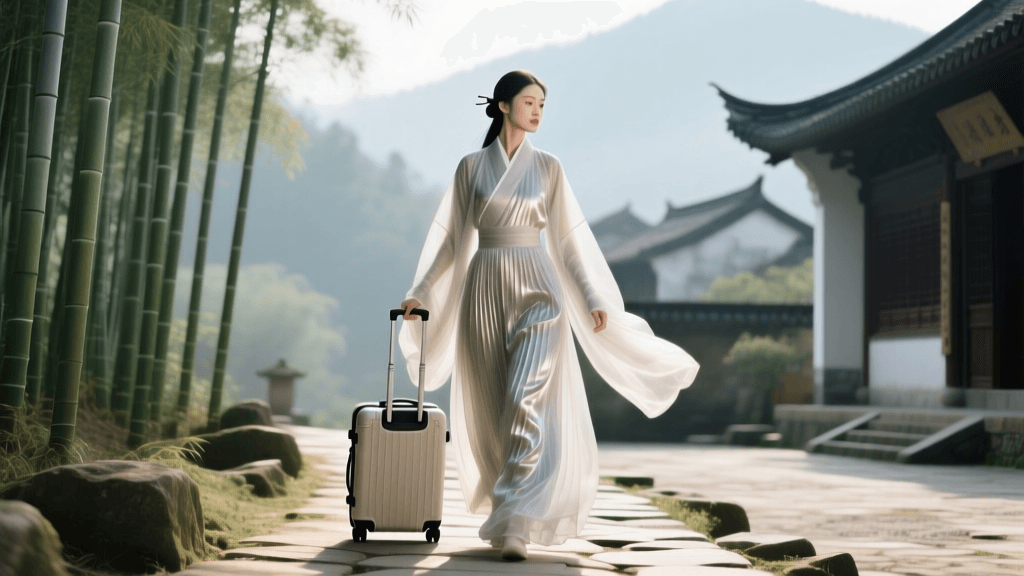
Hanfu is no longer confined to domestic photoshoots, local festivals, or historical reenactments. As we navigate through 2026, the global Hanfu movement has evolved into a mainstream travel lifestyle, with enthusiasts proudly wearing traditional Chinese garments across international capitals, tropical resorts, and alpine retreats. However, traveling with multi-layered, delicately embroidered, and wide-sleeved traditional garments presents a unique set of logistical challenges. From maintaining the crisp pleats of a Mamianqun (horse-face skirt) on a long-haul flight to adapting to extreme climate shifts, building a functional Hanfu travel wardrobe requires strategy, specialized packing techniques, and a deep understanding of textile care.
This comprehensive 2026 guide explores how to curate a destination-specific Hanfu capsule wardrobe, master wrinkle-free packing for delicate silks and structured linens, and utilize the latest travel accessories to ensure your traditional garments remain pristine and comfortable anywhere in the world.
Building Your 2026 Hanfu Travel Capsule Wardrobe
The key to a successful Hanfu travel wardrobe is versatility. Modern Hanfu manufacturers in 2026 have introduced 'travel-friendly' lines that utilize stain-resistant weaves, machine-washable blended silks, and heat-set permanent pleats. When packing for a multi-city trip, focus on mix-and-match separates rather than full, rigid ceremonial sets.
A standard travel capsule should include:
- Two Tops (Shangyi): One lightweight Song dynasty-style Beizi (open-front jacket) for layering, and one breathable linen cross-collar shirt.
- Two Bottoms (Xiachang): One everyday Mamianqun with heat-set pleats that resist wrinkling, and one pair of wide-leg Songku (trousers) for active travel days, hiking, or navigating crowded transit hubs.
- One Outer Layer: A versatile, unlined Pifeng (cape or cloak) that can serve as a sunshield in the desert or an extra warmth layer on chilly European evenings.
Destination Wardrobe Matrix
Choosing the right fabric and silhouette for your destination is critical for comfort and cultural harmony. Below is our 2026 destination matrix to help you pack appropriately.
| Destination | Climate & Environment | Recommended Hanfu Style | Best 2026 Fabric Choice |
|---|---|---|---|
| Kyoto, Japan | Humid springs, cobblestone streets, temple visits | Ming-style Aoqun (short jacket & skirt) | Cotton-linen blends, breathable ramie |
| Paris, France | Urban chic, variable weather, fashion-forward | Modernized Song-style Beizi over turtlenecks | Structured silk-tussah, jacquard weaves |
| Bali, Indonesia | Tropical heat, high humidity, beachside resorts | Tang-style Qixiong Ruqun (chest-high skirt) | Ultra-lightweight chiffon, organic lotus silk |
| Swiss Alps | Alpine cold, snow, outdoor photography | Ming-style padded Bijia (vest) & cloak | Velvet, wool-lined brocade, thermal tech-linings |
Wrinkle-Free Packing & Silk Care on the Go
The most daunting aspect of traveling with Hanfu is preventing deep, stubborn creases in delicate fabrics. The traditional folding method often results in hard lines across embroidered motifs and disrupts the flow of wide sleeves. In 2026, experienced Hanfu travelers rely on the 'Accordion and Roll' technique combined with modern textile conservation principles.
The Accordion and Roll Technique
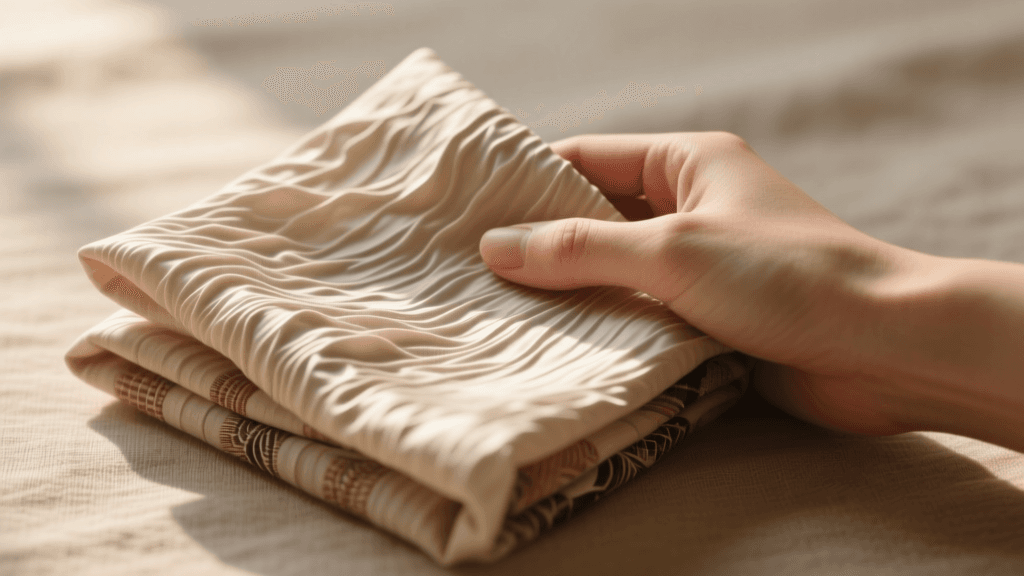
For pleated skirts like the Mamianqun, never fold them in half. Instead, follow the existing pleat lines, folding the skirt accordion-style into a long, narrow rectangle. Place acid-free tissue paper between the pleats to prevent friction and dye transfer. Once folded, gently roll the skirt from the waistband down to the hem. For wide-sleeved tops, lay the garment flat, fold the sleeves inward using tissue paper to cushion the embroidery, and roll from the bottom hem upward. Place these rolls tightly together in a packing cube to prevent them from unrolling during transit.
Steamers and Textile Conservation
Ironing traditional silk with a standard hotel iron is a recipe for disaster, often resulting in scorched fibers and flattened metallic embroidery. According to textile conservation guidelines from the Victoria and Albert Museum, direct high heat and pressure can permanently damage historical and delicate silk weaves. Instead, invest in a 2026 dual-voltage portable travel steamer with a ceramic faceplate and adjustable steam output. Hang your Hanfu in the bathroom while taking a hot shower to let the ambient steam release minor wrinkles, then use the portable steamer on a low setting, keeping the nozzle at least two inches away from delicate gold-thread embroidery to avoid water spotting.
Climate Adaptations: From Tropical Humidity to Alpine Cold
Traditional Hanfu was designed for the distinct four seasons of the Chinese heartland, but global travel requires adaptation. Understanding historical layering combined with 2026 smart-fabric technology allows you to wear Hanfu comfortably in extreme climates.
Beating the Tropical Heat
When traveling to Southeast Asia or the Mediterranean in the summer, avoid heavy brocades and dark-colored jacquards, which trap heat. Opt for Hanfu made from ramie or modern bio-engineered lotus silk. The historical significance and breathability of natural silk fibers have been well-documented by institutions like the Metropolitan Museum of Art, noting silk's natural temperature-regulating properties. In 2026, many brands offer 'summer-weight' Hanfu treated with UV-blocking and moisture-wicking finishes, allowing you to explore outdoor temples and ruins without the garments clinging uncomfortably to your skin.
Layering for the Cold
Winter travel requires mastering the art of invisible layering. The Ming dynasty Pijian (capelet) and Bijia (padded vest) are excellent outer layers that provide core warmth without restricting arm movement. Underneath your cross-collar shirt, wear ultra-thin, skin-toned merino wool thermal base layers. Because Hanfu collars and sleeves are often wide and revealing, a high-neck thermal top and fitted thermal leggings worn under a voluminous Mamianqun will keep you warm in freezing temperatures while maintaining the elegant, flowing silhouette of the traditional garment.
Modern Travel Accessories for Traditional Dress
To make Hanfu practical for the rigors of modern travel, your accessory kit must bridge the gap between ancient aesthetics and 2026 convenience. Packing the right tools can save your outfit from wardrobe malfunctions and transit disasters.
- Magnetic Zhanhua (Brooches): Traditional metal hairpins and fragile brooches can easily snap or get lost in transit. Modern magnetic clasps disguised as enamel flowers or jade pendants allow you to secure cloaks and shawls quickly without piercing delicate silk fabrics.
- Anti-Slip Silicone Waistband Grips: Heavy, multi-layered skirts can slide down during long walks or when carrying heavy travel backpacks. Adhesive silicone waistband grips worn underneath the skirt's waistband provide friction against your base layer, keeping your Mamianqun securely in place all day.
- Portable Lint Rollers & Static Guards: Winter travel often brings static cling, which ruins the drape of a silk skirt. A travel-sized static guard spray and a miniature lint roller are essential for keeping dark-colored Hanfu free of dust, pet hair, and static after sitting on planes or trains.
- Waterproof Hem Guards: For destinations with unpredictable rain or muddy cobblestones, temporary, peel-off waterproof hem tape can be applied to the bottom two inches of your skirt to prevent water from wicking up and staining the fabric.
Cultural Etiquette and Global Representation
Wearing Hanfu abroad is a beautiful way to share Chinese culture, but it also comes with the responsibility of cultural representation and respect for local customs. As global tourism continues to evolve, the UN Tourism Global Code of Ethics emphasizes the importance of travelers respecting the artistic, historical, and religious heritage of the host communities they visit.
When planning your daily outfits, always research the dress codes of your destinations. For example, if you are visiting sacred temples in Thailand or historic churches in Italy, ensure your Hanfu ensemble provides adequate coverage. A Tang-style chest-high skirt (Qixiong Ruqun) might be deemed too revealing for certain religious sites unless paired with a modest, opaque Beizi or shawl. Conversely, wearing heavily embroidered, ceremonial-grade Ming dynasty wedding attire to a casual European café may draw unwanted attention and make navigation difficult. Reserve the grand, ceremonial silhouettes for dedicated photoshoots, cultural exchange events, or fine dining, and stick to streamlined, everyday Hanfu (often referred to as 'Hanfu daily wear' or 'Hanyuansu') for sightseeing and transit.
Conclusion: Traveling with Elegance and Ease
The year 2026 has proven that traditional garments are not relics of the past, but living, breathing fashion choices capable of crossing borders and climates. By curating a smart capsule wardrobe, utilizing specialized wrinkle-free packing methods, and respecting both the textiles and the destinations you visit, you can seamlessly integrate Hanfu into your global travel lifestyle. Whether you are watching the sunrise over the Swiss Alps in a velvet-lined cloak or strolling through the humid streets of Kyoto in breathable ramie, the right preparation ensures your traditional wardrobe remains as breathtaking at the end of your journey as it was when you first packed it.