Chinese Natural Plant Dyes: Eco-Friendly Dyeing in 2026
The 2026 Resurgence of Cao Mu Ran: Chinese Natural Dyeing
In 2026, the global fashion and textile industries are undergoing a massive paradigm shift toward sustainability, bringing the ancient Chinese art of Cao Mu Ran (grass and wood dyeing) back to the forefront. Unlike synthetic dyes, which rely on petrochemicals and heavy metals, traditional Chinese plant dyes utilize renewable botanical resources, creating a closed-loop ecological cycle. As consumers and artisans demand greater transparency and lower environmental footprints, mastering the use of indigenous Chinese dye plants has become both a cultural preservation effort and a cutting-edge sustainable practice.
This comprehensive guide explores the most potent Chinese natural dye plants, provides an actionable, step-by-step eco-friendly dyeing protocol updated for 2026, and examines the measurable environmental benefits of adopting these traditional methods in modern textile production.
Four Essential Chinese Dye Plants for Sustainable Textiles
China’s vast botanical diversity has yielded centuries of dyeing knowledge. While hundreds of plants can produce color, four specific species remain the pillars of traditional Chinese eco-dyeing due to their high colorfastness, accessibility, and ecological benefits.
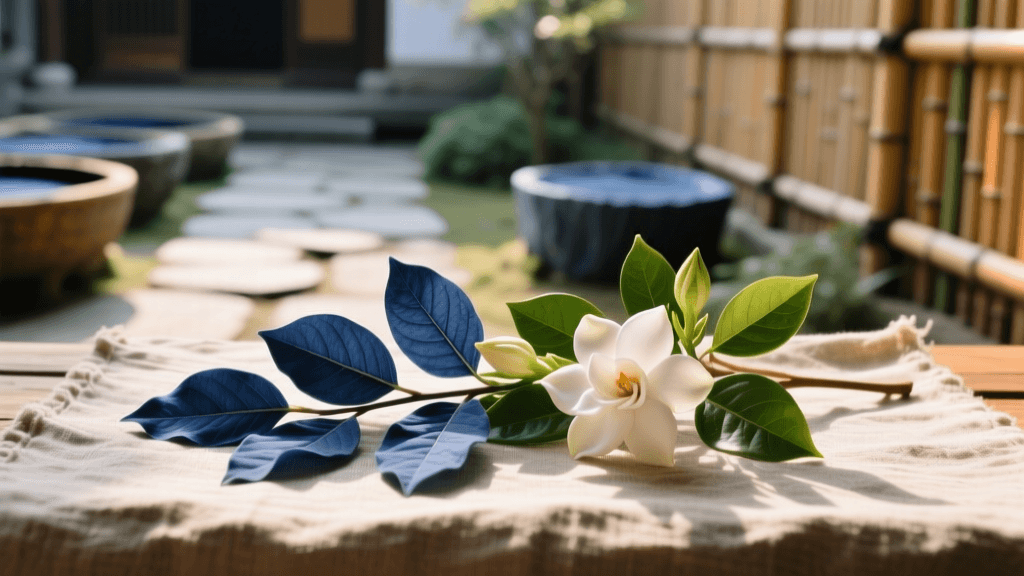
1. Liao Lan (Chinese Indigo / Polygonum tinctorium)
Unlike the tropical Indigofera tinctoria, Polygonum tinctorium (Liao Lan) is a temperate knotweed native to East Asia. The leaves contain indican, which, through a meticulous fermentation and oxidation process, yields the iconic deep blues of traditional Chinese workwear. In 2026, organic Liao Lan paste is highly sought after by sustainable denim brands looking to replace synthetic indigo, which is notorious for water pollution.
2. Zhi Zi (Gardenia / Gardenia jasminoides)
The fruit of the Gardenia plant produces a brilliant, warm yellow. Zhi Zi is a substantive dye, meaning it contains natural tannins and crocin that bind directly to cellulose and protein fibers without the need for a chemical mordant. This makes it one of the most eco-friendly and beginner-accessible dyes in the Chinese repertoire, requiring significantly less water and energy to process.
3. Qian Cao (Chinese Madder / Rubia cordifolia)
Cultivated for its deep, fleshy roots, Qian Cao yields a spectrum of reds, from soft terracotta to deep crimson. The primary colorant, alizarin, requires a mineral mordant to bond with fibers. Historically, Chinese dyers used wood ash (calcium carbonate) and alum. Today, sustainably sourced aluminum potassium sulfate is the standard for achieving vibrant, lightfast reds.
4. Huai Mi (Pagoda Tree Buds / Sophora japonica)
The unopened flower buds of the Pagoda Tree are rich in rutin. When extracted, they produce a striking, fluorescent yellow-green. Huai Mi has been used since the Tang Dynasty to dye imperial garments and is currently experiencing a revival in 2026 among eco-conscious luxury fashion houses seeking bright, non-toxic alternative yellows.
Step-by-Step Eco-Friendly Dyeing Guide (2026 Protocol)
Achieving professional, colorfast results with natural dyes requires precision. Below is a standardized, eco-friendly protocol for dyeing 100 grams of organic cotton or linen using Chinese plant extracts.
Step 1: Scouring (Preparation)
Natural fibers contain waxes, pectins, and oils that repel water and dye. Scouring opens the fiber structure.
- Materials: 100g fiber, 5g soda ash (sodium carbonate), 2 liters of water.
- Process: Heat water to 60°C (140°F). Add soda ash and stir until dissolved. Submerge the fiber and maintain the temperature for 60 minutes.
- Rinse: Rinse thoroughly in warm water until the pH is neutral.
Step 2: Mordanting (Binding)
Except for substantive dyes like Gardenia, most plant dyes require a mordant to create a chemical bridge between the fiber and the dye molecule.
- Materials: 15g aluminum potassium sulfate (alum), 2 liters of water.
- Process: Dissolve alum in hot water. Add the scoured, wet fiber. Heat slowly to 80°C (176°F) and hold for 45 minutes. Allow the fiber to cool in the bath overnight for maximum penetration.
- 2026 Eco-Alternative: For a completely chemical-free mordant, use a soy milk binder. Mix 1 part organic, unflavored soy milk with 5 parts cold water. Soak the fiber for 24 hours, then air dry. The soy proteins bind to cellulose, creating a receptive surface for the dye.
Step 3: Dye Extraction
- Materials: 100g dried plant material (e.g., Qian Cao roots or Huai Mi buds), 3 liters of water.
- Process: Soak the plant material in cold water for 12 hours to soften. Bring the pot to a gentle simmer (85°C / 185°F). Never boil, as high heat destroys delicate color molecules and extracts unwanted brown tannins. Simmer for 90 minutes.
- Strain: Filter the liquid through a fine mesh cloth. Compost the spent plant material.
Step 4: The Dye Bath
- Process: Add the mordanted, wet fiber to the warm dye extract. Maintain a temperature of 70°C (158°F) for 60 minutes, stirring gently every 10 minutes to prevent splotching.
- Oxidation: Remove the fiber and expose it to the air. You will see the color deepen and shift as it oxidizes. Rinse in cold water with a pH-neutral eco-detergent, and dry away from direct sunlight.
2026 Chinese Plant Dye Comparison Chart
The following table outlines the practical specifications for sourcing and using these traditional dyes in 2026, reflecting current market availability and performance metrics.
| Dye Plant (Pinyin / Botanical) | Color Yield | Mordant Required | Lightfastness (1-8 Scale) | 2026 Avg Cost (per 100g) |
|---|---|---|---|---|
| Liao Lan (Polygonum tinctorium) | Deep Blue | Alkaline Vat (Fructose/Lime) | 7 (Excellent) | $18.00 USD |
| Zhi Zi (Gardenia jasminoides) | Bright Yellow | None (Substantive) | 4 (Moderate) | $12.50 USD |
| Qian Cao (Rubia cordifolia) | Crimson / Terracotta | Alum or Iron | 6 (Good) | $22.00 USD |
| Huai Mi (Sophora japonica) | Fluorescent Yellow-Green | Alum | 5 (Good) | $15.00 USD |
Environmental Impact: Why Plant Dyes Matter Now
The transition to natural dyes is not merely an aesthetic choice; it is an ecological necessity. The conventional textile dyeing industry is responsible for approximately 20% of global industrial water pollution. According to the United States Environmental Protection Agency (EPA), millions of tons of textile waste end up in landfills annually, where synthetic dyes and chemical finishes leach into the soil and groundwater over decades.
By contrast, Chinese natural dyeing operates on a biodegradable, non-toxic framework. The wastewater from a Liao Lan or Qian Cao dye bath is rich in organic compounds and can be safely used to irrigate non-edible gardens or returned to the municipal water system without heavy metal contamination. Furthermore, the United Nations Environment Programme (UNEP) highlights that shifting toward regenerative agricultural practices—which include cultivating dye plants like indigo and madder as rotational cover crops—can actively sequester carbon and restore soil microbiomes.
In 2026, the carbon footprint of extracting and shipping dried Chinese dye plants is heavily offset by the elimination of petrochemical processing, making the lifecycle assessment of Cao Mu Ran vastly superior to conventional synthetic alternatives.
Sourcing and Caring for Naturally Dyed Garments
When sourcing raw materials in 2026, always look for certified organic or wild-harvested botanicals. Over-harvesting of wild Rubia cordifolia (Madder) has led to strict export regulations in certain provinces, so purchasing from verified, regenerative farms ensures you are not contributing to habitat depletion. Expect to pay a premium for ethically sourced, sun-dried botanicals, as the labor-intensive harvesting process reflects fair-trade agricultural standards.
To maintain the vibrancy of naturally dyed garments:
- Washing: Hand wash in cold water (below 30°C) using a pH-neutral, eco-friendly detergent. Avoid enzymatic cleaners, which can strip natural tannins.
- Drying: Always dry in the shade. UV radiation is the primary enemy of natural dyes, particularly the crocin in Gardenia yellow.
- Storage: Store in a cool, dark place. Wrap delicate silks in unbleached muslin to allow the fibers to breathe while protecting them from dust and light.
Conclusion
The ancient wisdom of Chinese natural dyeing offers a profound, viable solution to the modern textile industry's environmental crises. By embracing plants like Liao Lan, Zhi Zi, Qian Cao, and Huai Mi, artisans and designers in 2026 are not only creating breathtaking, nuanced colors impossible to replicate in a chemical lab, but they are also participating in a vital ecological restoration. Whether you are a hobbyist dyeing organic cotton in your kitchen or a designer sourcing sustainable textiles, Cao Mu Ran provides a beautiful, sustainable path forward.