Chinese Haute Couture: Runway Trends & Bespoke Styling Guide
The Evolution of Chinese Motifs in Global Haute Couture
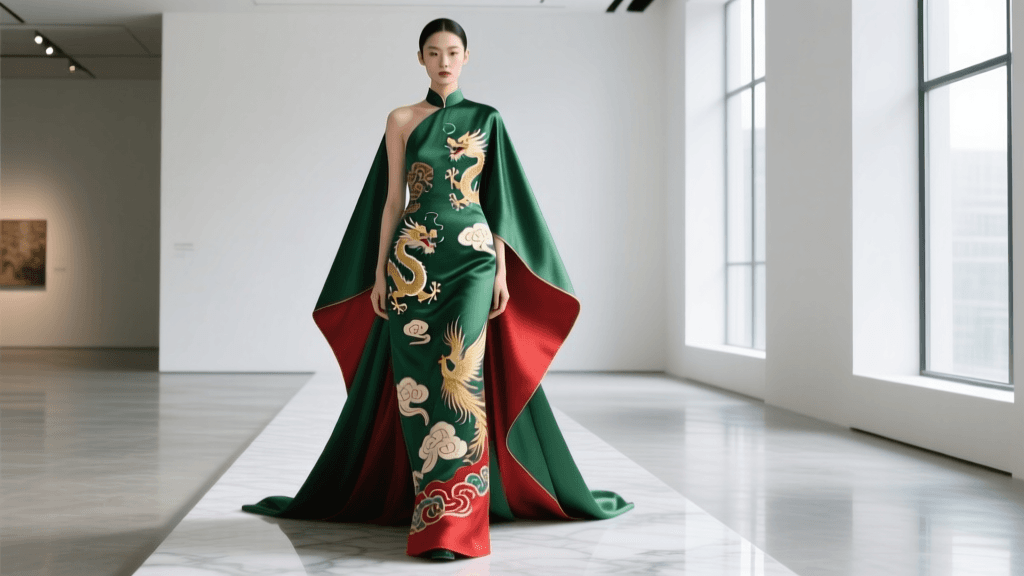
For decades, the intersection of Chinese heritage and Western haute couture has been a source of profound inspiration, though not without its complexities. Historically, international runways often relied on broad, orientalist interpretations of Chinese dress. However, the modern fashion landscape has shifted dramatically toward authentic appreciation, meticulous craftsmanship, and direct collaboration with Chinese artisans. This evolution was notably highlighted by The Metropolitan Museum of Art's 'China: Through the Looking Glass' exhibition, which explored the profound impact of Chinese aesthetics on Western fashion design, drawing record-breaking attendance and sparking a global dialogue on cultural exchange in luxury fashion.
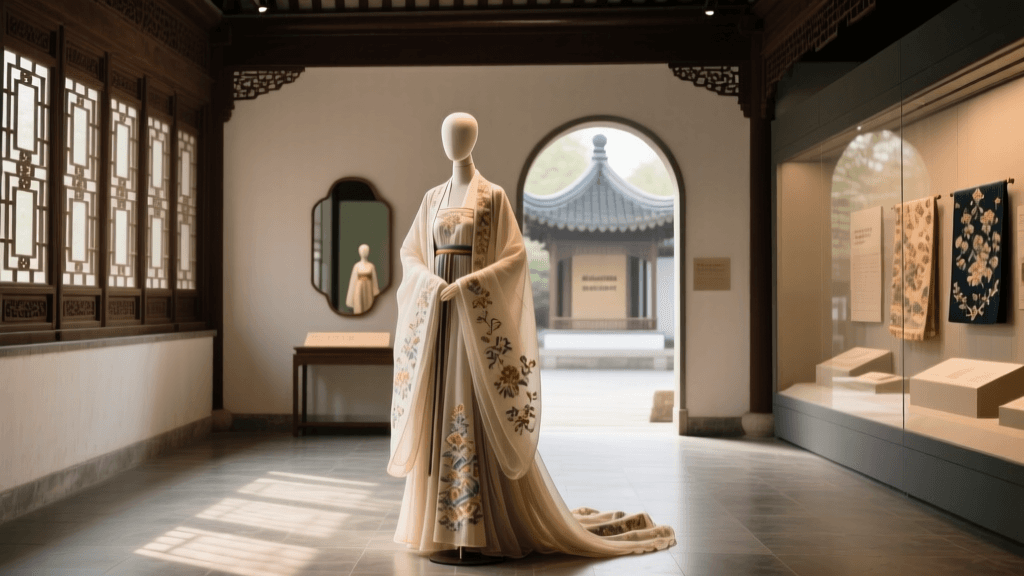
Today, the narrative is being rewritten by Chinese couturiers who are bringing authentic heritage techniques to the Paris Haute Couture calendar, as well as by international houses that are investing in genuine artisanal partnerships. The Fine Arts Museums of San Francisco's 'Guo Pei: Couture Fantasy' exhibition showcased how traditional Chinese embroidery, imperial silhouettes, and philosophical motifs can be translated into globally recognized haute couture. For the modern luxury consumer, this means that incorporating Chinese runway trends into a personal wardrobe is no longer about wearing a costume; it is about investing in bespoke, museum-quality craftsmanship that bridges Eastern heritage with contemporary silhouettes.
Deconstructing the Runway: Key Chinese Couture Elements
To successfully integrate Chinese haute couture elements into a modern luxury wardrobe, one must understand the foundational textiles and silhouettes that designers are currently elevating on the global stage.
1. The Mamianqun (Horse-Face Skirt) in Modern Eveningwear
Originally popularized during the Ming Dynasty, the Mamianqun features flat front and back panels with intricate pleated sides. Recently, international and domestic luxury houses have reimagined the horse-face skirt for black-tie events. On the runway, we see this silhouette rendered in heavy silk jacquards and metallic brocades, paired with structured, minimalist bodices to balance the volume. For a bespoke commission, request a floor-length Mamianqun crafted from mid-weight silk jacquard, ensuring the pleats are heat-set and stitched down at the hip to maintain a clean, architectural line when walking.
2. Su Embroidery on Western Tulle and Organza
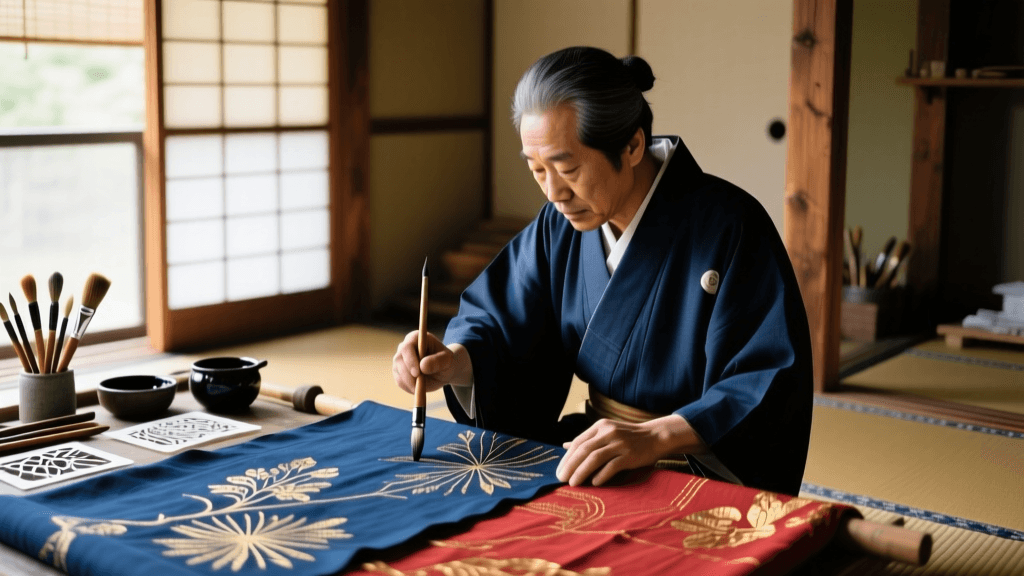
Su Xiu (Suzhou embroidery) is renowned for its incredibly fine silk threads, often split into 1/64th of their original thickness to create photorealistic gradients. While traditionally applied to heavy satins, contemporary couturiers are juxtaposing this ancient technique with ethereal Western fabrics like silk tulle and silk organza. This creates a 'floating' effect where intricate motifs—such as koi fish, magnolias, or cranes—appear to hover over the skin. When commissioning a piece, opt for a neutral tulle base with tonal embroidery (e.g., champagne thread on ivory tulle) for a subtle, high-fashion look suitable for international galas.
3. Yunjin (Cloud Brocade) for Structured Tailoring
Nanjing Yunjin, or 'Cloud Brocade,' is a UNESCO Intangible Cultural Heritage textile historically reserved for imperial dragon robes. Woven with real gold and peacock feather threads, it is incredibly dense and holds its shape remarkably well. Runway designers are increasingly using Yunjin for structured tailoring—think sharp, architectural blazers, corseted bodices, and A-line coats. Because the fabric is so rigid and valuable, it is best used as a statement outer layer or a structured bodice rather than a flowing garment.
Bespoke Sourcing Guide: Materials, Costs, and Timelines
Commissioning a couture piece inspired by these runway trends requires an understanding of the luxury textile market. Below is a structured guide to help you budget and plan your bespoke investment.
| Material / Technique | Origin / Heritage | Estimated Cost (USD) | Lead Time | Best Application |
|---|---|---|---|---|
| Yunjin (Cloud Brocade) | Nanjing, Jiangsu | $300 - $800 per meter | 3 - 6 months | Structured blazers, corsets, A-line coats |
| Song Brocade (Songjin) | Suzhou, Jiangsu | $150 - $400 per meter | 2 - 4 months | Mamianqun skirts, draped evening gowns |
| Xiangyunsha (Gambiered Silk) | Guangdong (Lingnan) | $120 - $250 per meter | 1 - 2 months | Summer resort wear, wide-leg trousers |
| Su Embroidery (Bespoke Panel) | Suzhou, Jiangsu | $1,500 - $5,000+ per panel | 6 - 12 months | Bodices, tulle overlays, bridal trains |
| Shu Embroidery (Sichuan) | Chengdu, Sichuan | $800 - $2,500 per panel | 4 - 8 months | Jackets, heavy satin evening capes |
Practical Guide: Commissioning a Runway-Inspired Bespoke Piece
Working with a master tailor or an atelier that specializes in Sino-Western fusion requires precise preparation. Follow this actionable guide to ensure your garment meets international couture standards.
Step 1: Precise Measurements and Posture Analysis
Unlike Western tailoring, which often relies on standard block patterns, traditional Chinese bespoke tailoring (especially for garments like the modern Qipao or structured brocade jackets) requires an intimate understanding of your posture and bone structure. You will need to provide the following specific measurements to your atelier:
- Apex to Waist: Crucial for placing embroidered motifs precisely over the bust or ribcage without distortion.
- Hollow to Hem: Measured from the hollow of the collarbone to the desired floor length, accounting for the exact heel height (e.g., 100mm stilettos) you plan to wear.
- Shoulder Slope: Measured in degrees; essential for ensuring that rigid fabrics like Yunjin brocade sit flush against the neck without buckling.
- Armhole Depth: Traditional Chinese garments often feature higher, tighter armholes to allow for greater arm mobility and a cleaner silhouette under the shoulder.
Step 2: Motif Selection and Cultural Alignment
When selecting embroidery motifs, it is vital to understand their cultural resonance, especially if you are attending high-profile international events where cultural literacy is appreciated. Avoid mixing conflicting symbols. For example:
- Peonies: Symbolize wealth, prosperity, and honor. Ideal for celebratory galas and weddings.
- Cranes and Pine Trees: Represent longevity and steadfastness. Excellent for milestone birthdays or legacy events.
- Magnolias: Symbolize feminine beauty and nobility. A sophisticated, understated choice for eveningwear.
Actionable Tip: Request your embroiderer to use the 'Sanse' (scattered) or 'Zhuangse' (color-blocking) techniques rather than hyper-realistic shading if you want the garment to read more clearly from a distance on a runway or red carpet.
Step 3: The Fitting Schedule
A true couture piece requires a minimum of three to four fittings over a 6 to 9-month period. Plan your timeline backward from your event date:
- Month 1-2: The Toile Fitting. A mock-up in cotton muslin is created to perfect the silhouette. This is when you finalize the exact placement of seams and pleats.
- Month 3-5: Embroidery and Weaving. The actual silk is woven or sent to the embroidery masters. No fittings occur during this time.
- Month 6: The First Silk Fitting. The garment is assembled but unfinished. Embroidered panels are pinned to the garment to ensure the motifs align perfectly across seams.
- Month 7: The Final Fitting. Hems are finished, closures (such as handmade silk knot buttons or hidden Swarovski zippers) are attached, and the final press is completed.
Styling Your Couture Investment
When styling a bespoke Chinese-inspired couture piece, the golden rule is juxtaposition. If you are wearing a heavily embroidered Su Xiu bodice, pair it with a sleek, unadorned silk crepe skirt. If you are wearing a voluminous Mamianqun skirt woven with gold Yunjin threads, balance it with a modern, architectural silk blouse with a high mandarin collar and minimalist sleeves. Avoid heavy, competing jewelry; let the intricate textile work serve as the focal point of your ensemble. Opt for jade or pearl drop earrings, which complement the luster of silk without overwhelming the visual landscape of the garment.
Conclusion
The presence of Chinese fashion on the international couture runway is a testament to the enduring power of its textiles and the unparalleled skill of its artisans. By moving beyond fast-fashion interpretations and investing in bespoke, heritage-driven garments, you not only elevate your personal style but also participate in the preservation of ancient craftsmanship. Whether you are commissioning a structured Cloud Brocade coat or a delicately embroidered tulle gown, approaching the process with cultural respect, precise tailoring metrics, and an understanding of luxury timelines will yield a garment that is truly worthy of the global stage.