Top Chinese Hanfu Journalism Blogs & Creators For 2026
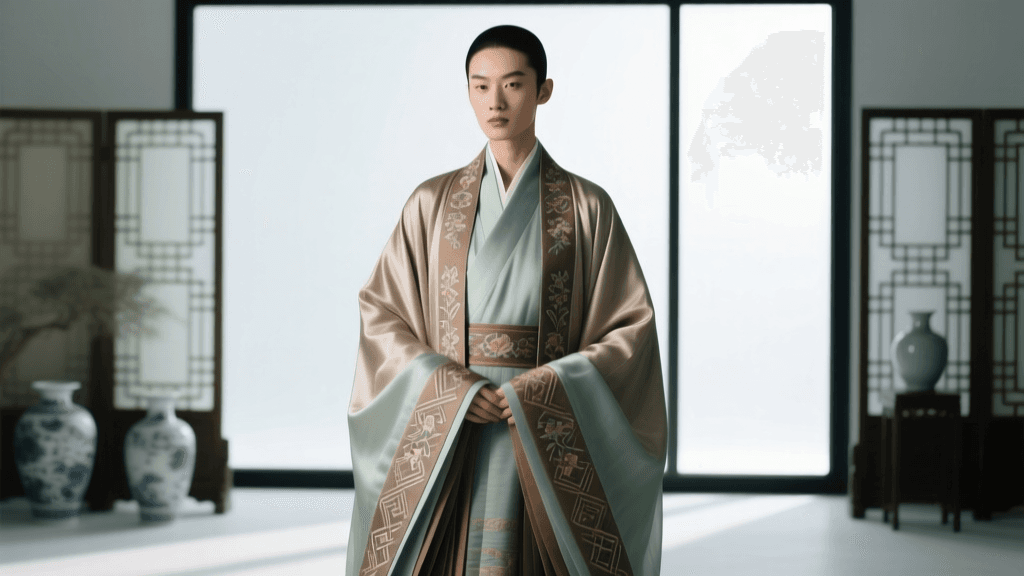
The intersection of ancient sartorial heritage and modern digital media has birthed a revolutionary new wave of Chinese fashion journalism. In 2026, independent bloggers, video essayists, and content creators are no longer just showcasing outfits; they are acting as digital archivists, textile historians, and investigative journalists. The modern Hanfu movement has evolved far beyond mere cosplay or festival wear. Today, it is a rigorous, research-backed exploration of traditional Chinese garments, driven by a dedicated cadre of fashion journalists who bridge the gap between archaeological findings and contemporary street style.
Gone are the days when traditional Chinese garment coverage was limited to dry academic journals or state-run television documentaries. Today, the most compelling fashion journalism surrounding Asian traditions happens on decentralized platforms, where creators dissect Ming dynasty weaving techniques, analyze Song dynasty color palettes, and document the grueling process of natural eco-friendly dyeing. For enthusiasts, scholars, and fashion professionals alike, following these independent Chinese fashion journalism blogs is essential to understanding the current renaissance of Asian traditional garments.
The New Vanguard of Chinese Heritage Fashion Journalism
The landscape of Chinese fashion journalism in 2026 is defined by hyper-specialization. Rather than covering broad fashion trends, the most successful creators carve out niches rooted in historical accuracy and textile science. We are seeing the rise of the 'Textile Detective'—creators who use microscopic photography to analyze the thread count and weave structures of unearthed artifacts. Alongside them are the 'Styling Historians,' who focus on the sociological and ceremonial contexts of family ceremonial dress, explaining the strict sumptuary laws that once dictated who could wear specific silk brocades or jade accessories.
These independent journalists often collaborate directly with master artisans in heritage hubs like Suzhou and Shengze. By documenting the creation of Yunjin (cloud brocade) or Xiangyunsha (gambiered Canton gauze), these bloggers provide a vital lifeline to intangible cultural heritage crafts. Their long-form articles and high-production video essays serve as both educational resources and powerful advocacy tools, ensuring that ancient techniques are not lost to fast-fashion approximations.
Platform Dynamics: Where Traditional Fashion Journalism Thrives
To understand the impact of these creators, one must understand the platforms they utilize. The 2026 algorithm updates across major Chinese social networks have heavily favored long-form, educational content over fleeting viral trends. Below is a breakdown of how different platforms serve the niche of traditional Asian garment journalism.
| Platform | Primary Content Format | Audience Demographic | Best For |
|---|---|---|---|
| Xiaohongshu (RED) | Long-form image carousels, micro-blogs | Gen Z & Millennials, high purchasing power | Visual styling, textile close-ups, vendor reviews |
| Bilibili | Long-form video essays, documentaries | Students, history enthusiasts, deep-dive researchers | Historical context, replication processes, interviews |
| WeChat Official Accounts | In-depth editorial articles, newsletters | Industry professionals, academics, older collectors | Investigative journalism, market analysis, essays |
| Independent Substacks | Translated essays, global market analysis | Global diaspora, international fashion scholars | Cross-cultural analysis, global runway impact |
Xiaohongshu remains the visual powerhouse for traditional garment styling, but its 2026 algorithm heavily rewards 'knowledge-sharing' carousels that cite historical texts. Bilibili, conversely, is the home of the video essay, where creators spend months producing mini-documentaries on the evolution of the mamianqun (horse-face skirt). Meanwhile, WeChat Official Accounts function as the digital equivalent of prestigious fashion magazines, hosting peer-reviewed articles and deep dives into the economics of the modern silk trade.
Bridging Archaeology and Street Style: The Creator Methodology
What separates a traditional fashion journalist from a standard influencer in 2026 is a rigorous commitment to primary source research. Top creators do not rely on secondary summaries; they actively engage with museum archives and archaeological reports. Many prominent Chinese fashion blogs frequently cross-reference domestic artifacts with global archives, utilizing digital databases such as the Victoria and Albert Museum's Asian collections or the Metropolitan Museum of Art's Asian Art department to study the drape, cut, and preservation of historical textiles that may no longer exist in China.
This journalistic rigor extends to the physical replication of garments. When a new archaeological site yields a well-preserved textile fragment, independent bloggers are often the first to break down the findings for the public. They consult with master weavers to recreate the exact loom setups required for historical accuracy. Furthermore, they champion sustainable practices by highlighting natural eco-friendly dyeing methods. By documenting artisans who use indigo, madder root, and pagoda tree buds, these journalists promote a return to sustainable, historically accurate textile production, aligning ancient wisdom with modern eco-conscious values.
'True fashion journalism in the realm of Asian traditions is not about dictating the next seasonal trend. It is about translating the silent language of archaeological textiles into a living, breathing dialogue for the modern world.' — Editorial excerpt from a leading WeChat heritage fashion account, March 2026.
Creators also play a pivotal role in safeguarding traditional performing arts and their associated costumes. The intricate, heavily embroidered garments used in Peking Opera and Kunqu require specialized maintenance and profound historical knowledge. Fashion journalists dedicated to this niche often publish guides on the preservation of these delicate stage costumes, ensuring that the visual legacy of traditional performing arts survives for future generations.
The Business of Heritage: Monetization and Sustainability
Investigative fashion journalism requires time, travel, and resources. In 2026, the monetization models for these niche creators have matured significantly. The most successful traditional fashion journalists rely on a diversified income stream that respects their editorial integrity.
- Premium Subscriptions: Platforms like WeChat and Patreon allow creators to offer premium tiers where subscribers receive exclusive patterns, detailed sourcing guides for authentic traditional fabrics, and early access to long-form video essays.
- Heritage Brand Consulting: As global and domestic fashion houses seek to incorporate authentic Asian traditions into their collections without falling into the trap of cultural appropriation, they hire these independent journalists as historical consultants and textile researchers.
- Artisan Collaborations: Many bloggers partner directly with rural weaving cooperatives. By acting as the marketing and storytelling arm for these artisans, journalists help sell small-batch, authentically crafted garments to a global audience, taking a commission that funds their ongoing research.
- Educational Workshops: Capitalizing on the boom in cultural education programs, top creators host masterclasses on traditional garment construction, historical styling, and the identification of authentic silk brocades versus synthetic imitations.
Actionable Advice for Aspiring Traditional Fashion Journalists
If you are looking to enter the field of Asian traditional garment journalism in 2026, the barrier to entry is lower than ever, but the standard for quality is exceptionally high. Here is a strategic roadmap for launching your own heritage fashion blog or content channel:
1. Master the Primary Sources
Do not rely on modern costume dramas for your research. Familiarize yourself with historical texts, archaeological dig reports, and museum archives. Learn to navigate international textile databases and understand the terminology of traditional loom structures and natural dye chemistry.
2. Find Your Micro-Niche
The broad term 'Hanfu' is too saturated. Drill down into specific eras, regions, or techniques. You might focus exclusively on the evolution of Tang dynasty round-collar robes, the socio-economic impact of Song dynasty silk trade routes, or the modern revival of extreme climate adaptations in traditional northern Chinese winter wear.
3. Invest in Visual Documentation
Textile journalism is inherently visual. Invest in a macro lens for your camera or smartphone to capture the intricate weave structures, embroidery stitches, and dye penetrations of the garments you review. High-resolution, well-lit macro photography is the hallmark of a credible textile journalist.
4. Build Relationships with Artisans
Travel to heritage production centers. Spend time with the men and women who operate the wooden looms and mix the natural dyes. Their oral histories and practical knowledge are invaluable primary sources that cannot be found in any library. Documenting their craft aligns your work with global preservation efforts, such as those tracked on the UNESCO Intangible Cultural Heritage lists.
5. Cultivate a Cross-Cultural Perspective
Asian traditions do not exist in a vacuum. The most compelling fashion journalism contextualizes traditional Chinese garments within the broader scope of global fashion history. Compare the structural tailoring of a Ming dynasty jacket with contemporary European silhouettes, or analyze how traditional Asian textiles are being reinterpreted on global runways in Paris and Milan.
Conclusion
The renaissance of traditional Chinese garments is not merely a fleeting fashion trend; it is a profound cultural movement fueled by the tireless work of independent fashion journalists and content creators. In 2026, these digital archivists are doing the vital work of translating ancient textile heritage into a modern lexicon. By combining rigorous historical research with compelling digital storytelling, they ensure that the rich, complex tapestry of Asian traditions continues to inspire, educate, and captivate audiences around the globe. For anyone passionate about the intersection of history, culture, and style, following these Chinese fashion journalism blogs is no longer optional—it is essential.