Top Chinese Hanfu Fashion Blogs & Content Creators 2026
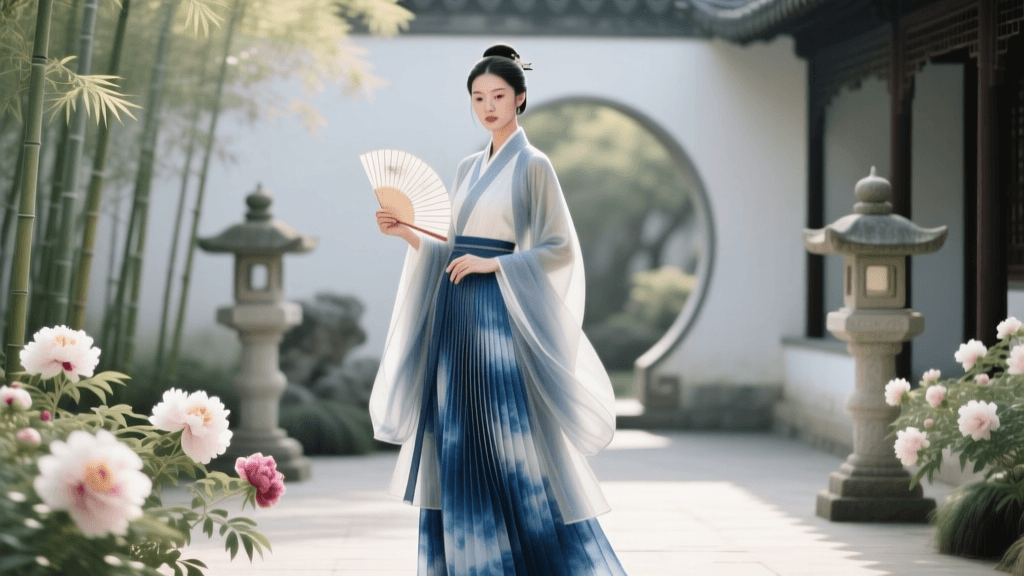
The Renaissance of Traditional Chinese Garments in Digital Media
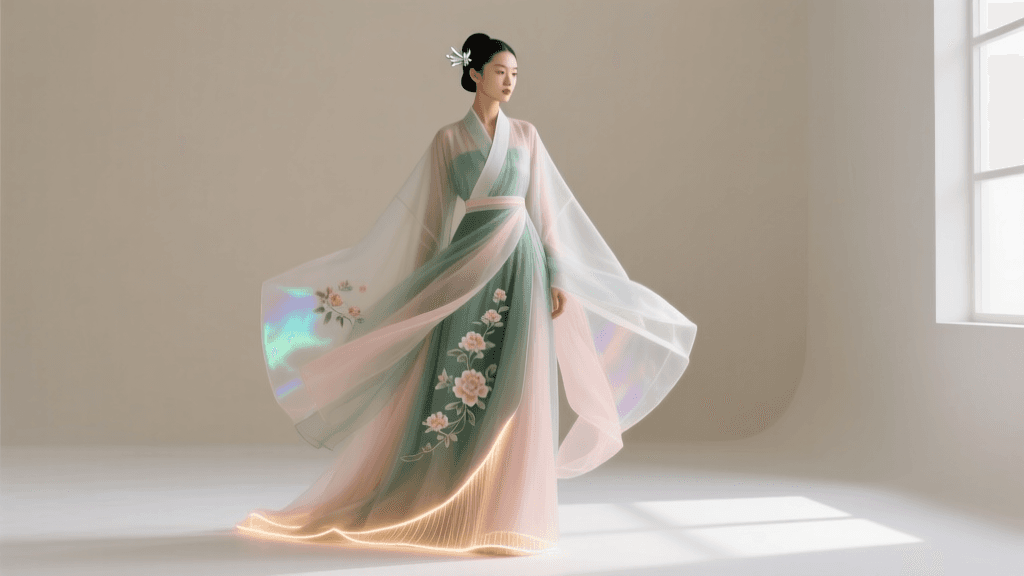
In 2026, the intersection of traditional Chinese garments and digital fashion journalism has reached an unprecedented zenith. The modern Hanfu movement has evolved far beyond its early days of niche historical reenactment. Today, Chinese fashion journalism blogs and digital content creators are leading a sophisticated renaissance in heritage textiles, transforming platforms like Xiaohongshu (Little Red Book), Bilibili, and WeChat into premier destinations for sartorial education, sustainable fashion advocacy, and high-end styling. For global enthusiasts and industry professionals alike, understanding this digital ecosystem is essential to grasping the future of Asian traditional fashion.
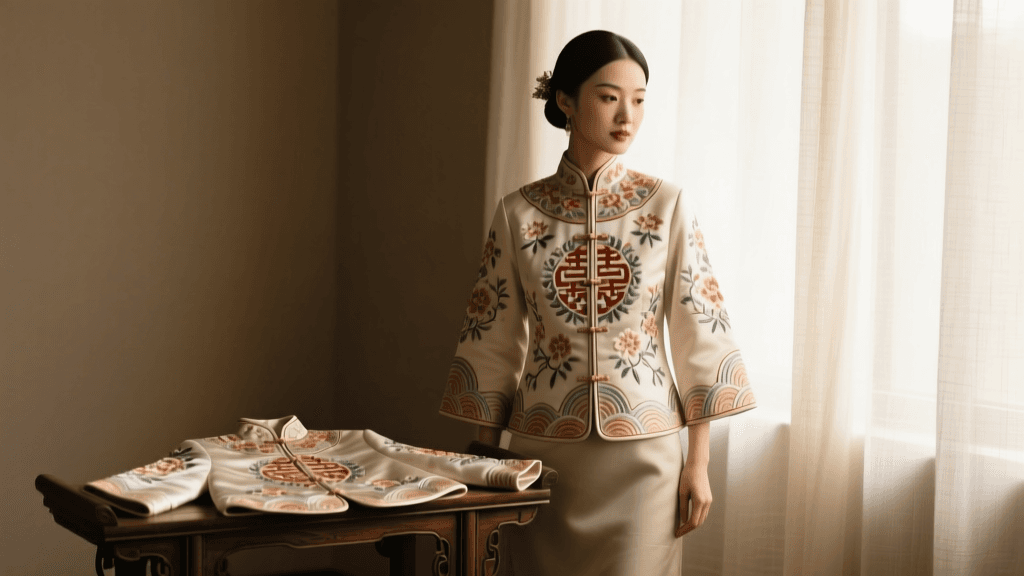
The contemporary Chinese fashion blogger is no longer just an influencer posing in scenic locations; they are meticulous textile journalists, historical researchers, and sustainable fashion advocates. They dissect the weave structures of Song Brocade (Songjin), analyze the natural dyeing processes of Xiangyunsha (gambiered Guangdong silk), and provide actionable styling guides that integrate Ming dynasty silhouettes into modern urban wardrobes. This article explores the leading voices, platforms, and methodologies defining Chinese heritage fashion journalism in 2026.
The Shift from Cosplay to Textile Journalism
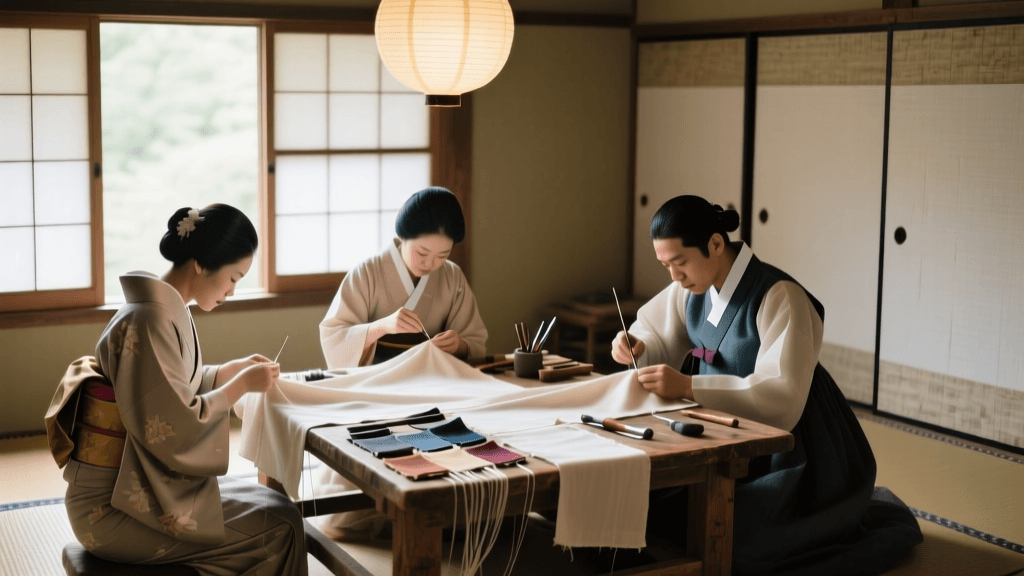
Early iterations of Hanfu content often leaned heavily into fantasy or purely aesthetic cosplay. However, the 2026 landscape is dominated by 'Neo-Traditional' journalism—a rigorous approach that prioritizes historical accuracy, artisan advocacy, and material science. Top creators now collaborate directly with Intangible Cultural Heritage (ICH) artisans to document the creation of traditional garments from thread to finished drape.
This journalistic shift has been heavily influenced by institutional knowledge sharing. According to the extensive archives and educational initiatives provided by the China National Silk Museum, there has been a massive surge in public interest regarding the chemical and mechanical processes of ancient silk production. Digital creators have bridged the gap between these academic resources and the mainstream consumer, translating complex textile history into digestible, visually stunning video essays and long-form editorial blog posts.
Top Platforms Driving Chinese Heritage Fashion Content
To tap into this rich vein of fashion journalism, one must understand the distinct ecosystems of China's primary digital platforms. Each serves a unique demographic and content format, allowing creators to tailor their traditional fashion narratives accordingly.
Xiaohongshu (Little Red Book): The Visual Styling Hub
Xiaohongshu remains the undisputed king of visual fashion journalism in China. In 2026, the platform's algorithm heavily favors high-resolution, multi-image carousels that break down the anatomy of an outfit. Creators here excel at 'OOTD' (Outfit of the Day) posts that pair authentic Mamianqun (horse-face skirts) with modern knitwear or tailored blazers, providing exact measurements, fabric compositions, and purchasing links for independent heritage brands.
Bilibili: The Domain of Deep-Dive Documentaries
For long-form, analytical fashion journalism, Bilibili is the premier destination. Content creators on this platform produce 20-to-40-minute video essays that trace the structural evolution of traditional garments. The historical lineage and structural variations of the horse-face skirt are extensively detailed in Mamianqun historical records, and Bilibili creators frequently use these records to debunk common misconceptions about garment construction, utilizing 3D modeling and macro-photography to show how traditional pleating techniques differ from modern Western tailoring.
WeChat Official Accounts: Long-Form Industry Analysis
WeChat serves as the medium for serious, text-heavy fashion journalism. Independent bloggers and digital magazines use WeChat Official Accounts to publish 3,000-word essays on the economics of the Hanfu supply chain, interviews with master weavers in Suzhou, and critical reviews of new heritage-inspired collections from luxury houses. This is where the business and cultural critique of traditional fashion truly thrives.
Platform Comparison for Traditional Fashion Creators
For aspiring fashion journalists and brands looking to engage with the Asian traditions market, selecting the right platform is critical. Below is a comparative breakdown of the primary channels used by Chinese Hanfu creators in 2026.
| Platform | Primary Format | Audience Demographic | Best For |
|---|---|---|---|
| Xiaohongshu (RED) | Visual Diaries & Carousels | Gen Z & Urban Millennials | Daily styling, brand reviews, OOTD |
| Bilibili | Long-form Video Essays | History enthusiasts & Textile nerds | Weaving techniques, historical deep-dives |
| WeChat Official | Long-form Articles | Industry Professionals & Academics | Market analysis, artisan interviews |
| Douyin | Short-form Vertical Video | Mass Market & Global Export | Viral transitions, fabric draping, retail |
Spotlight on Textiles: Mamianqun and Xiangyunsha
The most prominent subjects of Chinese fashion journalism in 2026 are the Mamianqun and Xiangyunsha fabrics. The broader cultural impact of the Hanfu movement continues to shape global fashion trends, but domestic creators are currently hyper-focused on the material integrity of these specific items.
The Mamianqun (Horse-Face Skirt) Phenomenon
The Mamianqun has transcended traditional wear to become a staple of the modern Chinese wardrobe. Fashion bloggers are currently obsessed with the 'daily-wear' Mamianqun—skirts that maintain the traditional flat front and back panels with side pleats, but utilize modern, wrinkle-resistant blended fabrics or washable silks. Creators provide meticulous guides on how to care for these skirts, advising on the exact water temperatures for washing and the proper storage methods to maintain the crispness of the pleats.
Xiangyunsha: The Sustainable Luxury Standard
Xiangyunsha, or gambiered gauze, is a silk fabric dyed with the juice of the Dioscorea cirrhosa plant and coated with mud from specific iron-rich riverbeds in Guangdong. In 2026, eco-conscious fashion journalists champion Xiangyunsha as the pinnacle of sustainable luxury. Top bloggers document the grueling, weather-dependent, 30-step process required to produce this fabric. They also provide consumer guides on how to identify authentic Xiangyunsha, noting its distinctive crackling sound when handled and its unique, earthy scent, which synthetic imitations fail to replicate.
Actionable Strategies for Aspiring Heritage Fashion Bloggers
If you are looking to enter the space of Asian traditional fashion journalism or collaborate with Chinese creators, you must adopt the rigorous standards set by the industry leaders in 2026. Here are practical, actionable steps to elevate your content.
1. Invest in Macro Textile Photography
Audiences in 2026 demand to see the weave. Standard full-body shots are no longer sufficient for textile journalism. Invest in a high-resolution mirrorless camera, such as the Sony A7R V, paired with a dedicated 90mm f/2.8 Macro lens. This setup allows you to capture the individual silk threads of a Song Brocade weave or the subtle, textured crackle effect of Xiangyunsha. Always use a dual-point LED lighting system with a CRI (Color Rendering Index) of 95+ to ensure the natural dyes are represented with absolute color accuracy.
2. Master the Terminology and Historical Eras
Credibility in this niche requires strict adherence to historical terminology. Never use 'Hanfu' as a blanket term when referring to a specific dynastic garment. Learn to distinguish between the Tang dynasty 'Banbi' (half-sleeve jacket) and the Ming dynasty 'Aoqun' (jacket and skirt ensemble). Your audience will quickly disengage if your journalism lacks foundational historical literacy.
3. Provide Transparent Pricing and Sourcing
The 2026 consumer is highly educated and wary of 'Hanfu-shaped' fast fashion. As a journalist or blogger, your value lies in vetting brands. When reviewing a garment, break down the cost. Explain why an authentic, hand-loomed Mamianqun costs between 1,200 and 3,500 RMB ($165 to $480 USD), detailing the hours of labor and the cost of raw mulberry silk. Provide your readers with direct links to verified artisan workshops rather than mass-market dropshippers.
4. Advocate for Intangible Cultural Heritage (ICH)
Use your platform to highlight the artisans behind the garments. Interview the master weavers, the natural dye chemists, and the pattern drafters. By shifting the focus from the final product to the human hands that created it, you align your blog with the sustainable and ethical fashion movements that dominate the 2026 editorial landscape.
Conclusion
Chinese fashion journalism blogs and content creators have fundamentally redefined how the world interacts with Asian traditional garments. By combining rigorous historical research, high-end visual storytelling, and a deep commitment to sustainable textile advocacy, these digital pioneers are ensuring that heritage fashion is not merely preserved in museums, but actively lived, worn, and celebrated in the modern era. For anyone passionate about the intersection of culture, history, and style, following these creators in 2026 offers an unparalleled education in the art of traditional dress.