Top Chinese Fashion Creators Redefining Hanfu Journalism in 2026
The landscape of fashion journalism has undergone a seismic shift over the past decade, but nowhere is this transformation more vibrant and culturally significant than in the realm of traditional Chinese garments. As we navigate through 2026, the intersection of ancient textile traditions and modern digital media has birthed a new breed of content creator: the traditional garment journalist. These creators are not merely influencers showcasing outfits; they are meticulous researchers, textile scientists, and cultural historians who are redefining how Asian traditions are documented, preserved, and consumed globally.
The Digital Renaissance of Traditional Garments
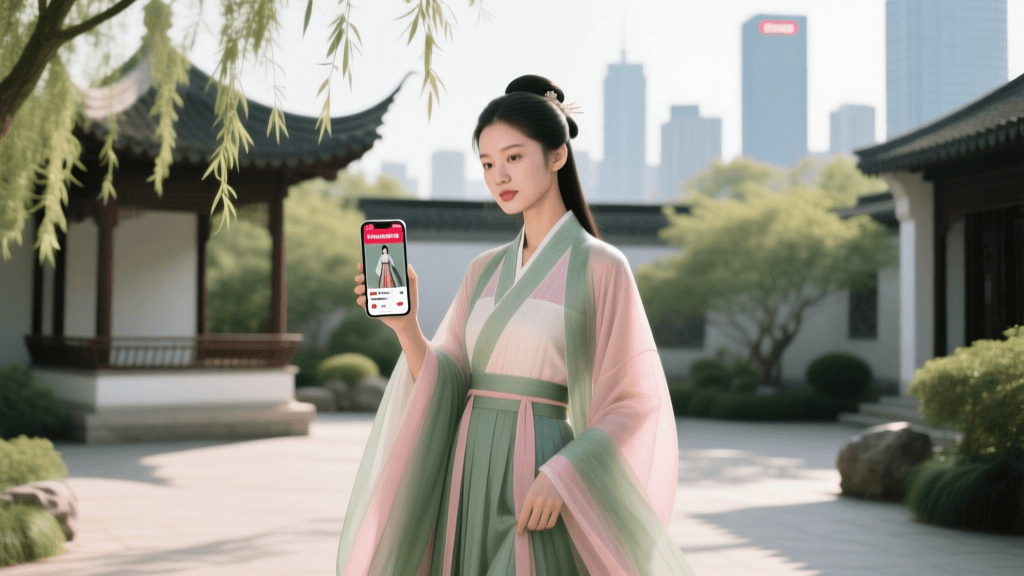
Historically, fashion journalism was confined to the glossy pages of print magazines, where traditional Asian garments were often relegated to niche editorial spreads or exoticized costume features. Today, platforms like Xiaohongshu (RED) and Bilibili have democratized fashion criticism, allowing independent Chinese creators to lead the narrative. The cultural reclamation movement that began as a grassroots effort to revive Hanfu has matured into a sophisticated journalistic ecosystem. In 2026, top-tier creators are producing long-form video essays, peer-reviewed style guides, and supply-chain deep dives that rival traditional editorial houses in both depth and production quality.
This new wave of journalism focuses heavily on historical accuracy, material science, and the socio-economic impact of the traditional garment revival. Creators are traveling to manufacturing hubs like Cao County in Shandong to investigate the ethics of mass production versus artisanal weaving, providing their audiences with unprecedented transparency.
Deconstructing the 2026 "Xin Zhong Shi" Boom
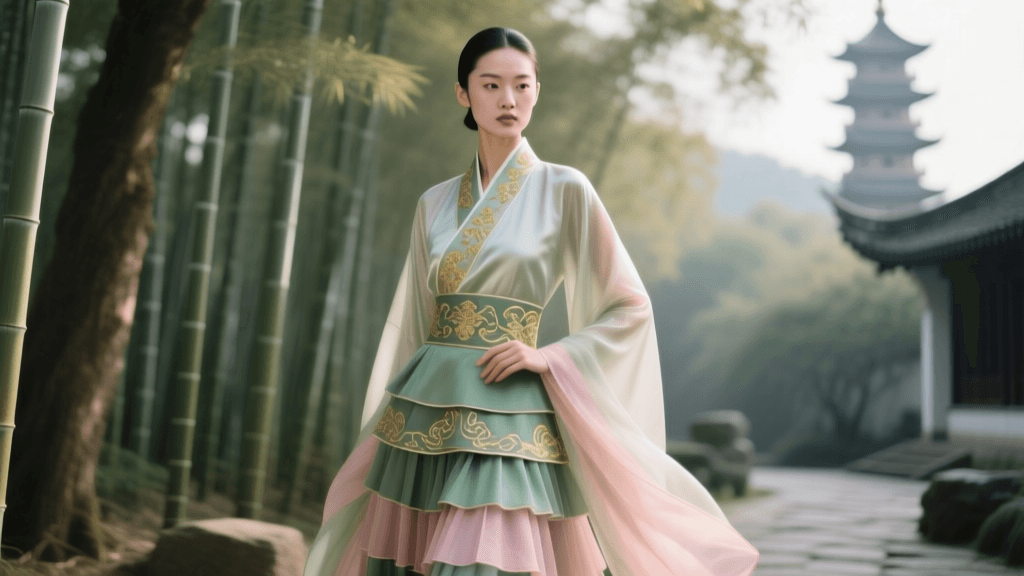
The "Xin Zhong Shi" (New Chinese Style) movement has reached its zenith in 2026, moving beyond a fleeting trend to become a permanent fixture in global wardrobes. At the heart of this movement is the Mamianqun, or horse-face skirt. Fashion journalists on Bilibili are currently dedicating entire channels to the structural engineering of the Mamianqun, analyzing the precise mathematics behind its pleating systems.
The Anatomy of the Mamianqun in Modern Journalism
Unlike superficial fashion reviews of the past, today's creators break down the garment into its core architectural components:
- Guangmen (Smooth Front Panel): Creators analyze the width of the smooth panels in relation to the wearer's height, offering bespoke tailoring advice for modern body types.
- Pleat Counting and Stability: Detailed reviews now include stress tests on the pleats, evaluating how traditional Ming Dynasty folding techniques hold up against modern commuter lifestyles and synthetic blend fabrics.
- Textile Provenance: Journalists trace the origins of the brocade patterns, distinguishing between authentic Song-style weaves and modern digital jacquard prints.
Platform Dynamics: Where Traditional Fashion Journalism Thrives
To understand how these narratives are distributed, one must look at the distinct algorithmic ecosystems of China's premier social platforms. The approach to fashion journalism varies wildly depending on the medium.
| Platform | Primary Format | Audience Intent | Journalistic Focus |
|---|---|---|---|
| Xiaohongshu (RED) | Visual carousels, short-form video | Styling inspiration, purchasing decisions | Wearability, brand reviews, modern pairings, textile close-ups |
| Bilibili | Long-form video essays, documentaries | Deep learning, historical context, community debate | Archival research, pattern reconstruction, supply chain ethics |
| Douyin | Ultra-short viral clips, livestreams | Entertainment, impulse buying | Visual transformations, artisanal craftsmanship demonstrations |
The Rise of the "Textile Scientist" Creator
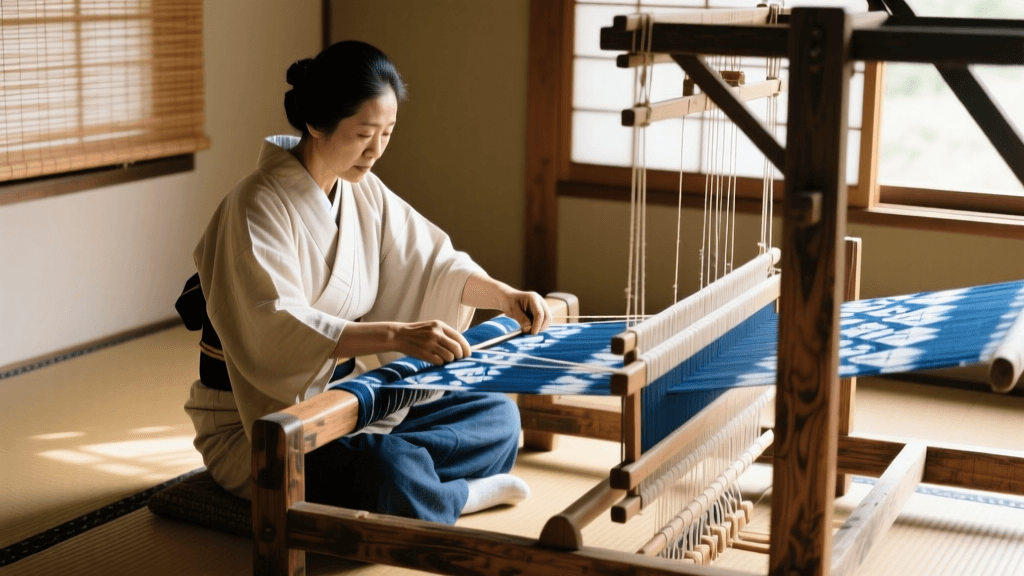
One of the most fascinating developments in 2026 is the emergence of the "Textile Scientist" archetype among Chinese fashion bloggers. These creators possess a deep understanding of traditional sericulture and silk craftsmanship, often holding degrees in textile engineering or material history. They do not merely review a garment's aesthetic; they review its molecular and historical integrity.
For instance, when reviewing garments made from Xiangyunsha (gambiered Canton gauze), these creators will document the river-mud dyeing process in Guangdong, explaining how the iron-rich mud reacts with the tannins in the yam juice to create the fabric's signature crackled, water-resistant surface. By citing historical archives and collaborating with Intangible Cultural Heritage (ICH) inheritors, they elevate fashion blogging to the level of academic preservation. The historical context of silk production provided by global institutions is frequently referenced by these creators to bridge the gap between Eastern heritage and Western museum archives, creating a globally accessible dialogue.
Sourcing and Historical Verification Ethics
With the commercialization of Hanfu and Xin Zhong Shi, the market has been flooded with historically inaccurate, mass-produced garments. The primary role of the modern Chinese fashion journalist is to act as a gatekeeper of historical integrity. In 2026, top creators adhere to a strict code of verification:
- Archival Cross-Referencing: Before reviewing a "Ming Dynasty replica," creators will pull high-resolution scans from the China Silk Museum or the Palace Museum archives to verify the accuracy of the collar curvature and sleeve proportions.
- Terminology Policing: Journalists actively correct brand marketing that misuses terms like Jiaoling Youren (crossed collar, right lapel), educating their audience on the profound philosophical and cosmological meanings embedded in these structural choices.
- Material Transparency: Creators use macro-lenses and burn-tests to expose brands that pass off polyester blends as authentic mulberry silk, protecting consumers and supporting genuine artisanal weavers.
Actionable Strategies for Aspiring Traditional Fashion Journalists
For those looking to enter the niche of Asian traditional garment journalism, the barrier to entry requires more than just a good camera. It demands a commitment to cultural literacy. Here are the actionable steps to build authority in this space in 2026:
1. Master the Lexicon of Traditional Tailoring
You cannot critique what you cannot name. Familiarize yourself with the specific terminology of Asian garment construction. Understand the difference between Keisi (cut silk tapestry) and Zhuanghua (brocade weaving). Your audience relies on you to translate these ancient techniques into modern fashion vocabulary.
2. Conduct Field Journalism in Manufacturing Hubs
Leave the studio and visit the source. The most respected creators in 2026 are those who spend weeks in Suzhou studying the embroidery guilds or in Hangzhou observing the digital integration in modern silk mills. Documenting the human element behind the garment adds an irreplaceable layer of journalistic depth.
3. Leverage Digital Archiving and AI Reconstruction
Modern fashion journalists are utilizing AI tools to reconstruct damaged or faded textile patterns from historical paintings and frescoes. By sharing this digital reconstruction process with your audience, you provide a behind-the-scenes look at how historical data is translated into modern wearable art.
4. Cultivate Relationships with ICH Inheritors
The true guardians of these traditions are the state-recognized Intangible Cultural Heritage inheritors. Interviewing these master weavers, dyers, and embroiderers not only provides exclusive content but ensures that the journalistic narrative remains rooted in authentic, lived experience rather than internet speculation.
The Economic Impact of Creator-Led Journalism
The influence of these digital journalists cannot be overstated. In 2026, a single well-researched, 20-minute Bilibili documentary on the structural flaws of a popular brand's Mamianqun can trigger a massive market correction, forcing manufacturers to overhaul their pattern-making departments. Conversely, a creator's deep dive into a forgotten regional weaving technique can single-handedly revive a dying artisanal village, flooding them with global orders and sustainable income.
This symbiotic relationship between creator, consumer, and artisan has transformed Chinese fashion journalism from a passive observational medium into an active, market-shaping force. As the appreciation for Asian traditions continues to grow on the global stage, the meticulous, passionate, and highly educated creators leading this digital renaissance will remain the vital bridge between the ancient loom and the modern wardrobe.