Chinese Fashion Journalism: Top Hanfu Creators & Blogs for 2026
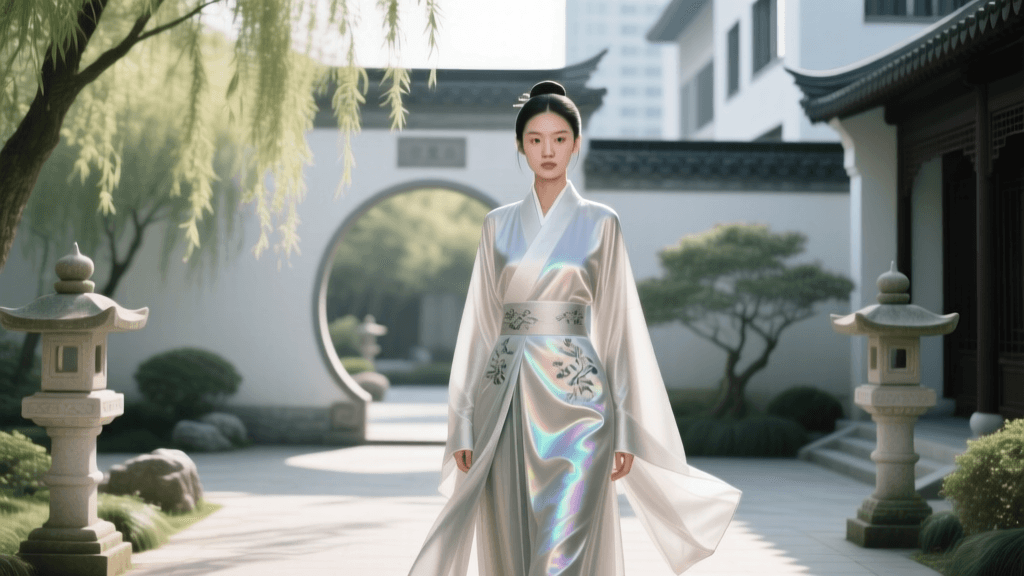
The Digital Renaissance of Traditional Chinese Garments
In 2026, the landscape of Asian traditional fashion has been entirely redefined by a new generation of Chinese fashion journalists, digital historians, and content creators. What began as a niche subculture of historical reenactment has blossomed into a sophisticated sector of fashion journalism. Today, top-tier bloggers and video essayists do not merely showcase outfits; they conduct rigorous textile archaeology, investigate supply chains, and critique the structural integrity of heritage garments. For enthusiasts, collectors, and global designers, following these Chinese fashion journalism blogs is no longer optional—it is essential for understanding the cutting-edge revival of traditional Asian dress.
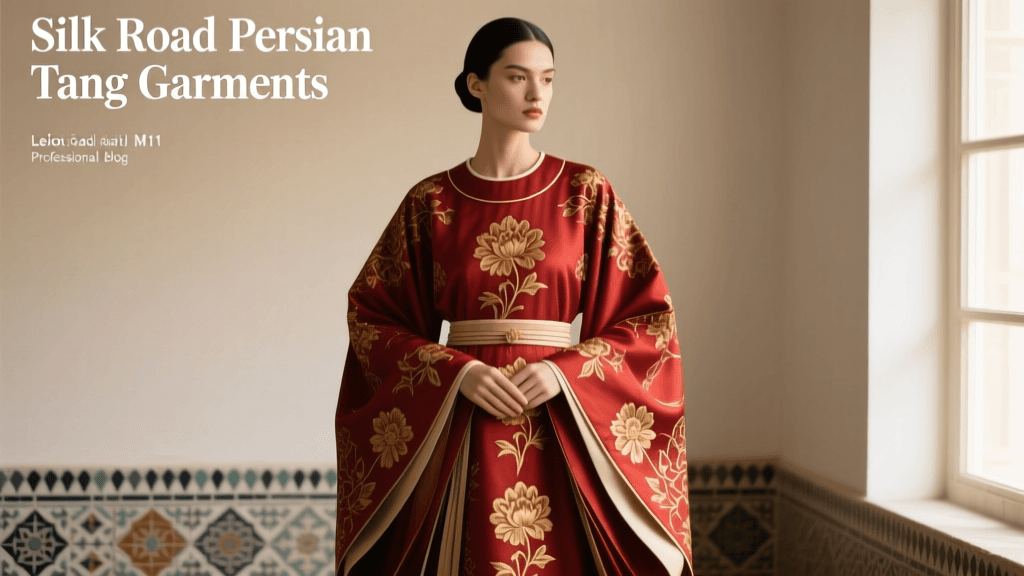
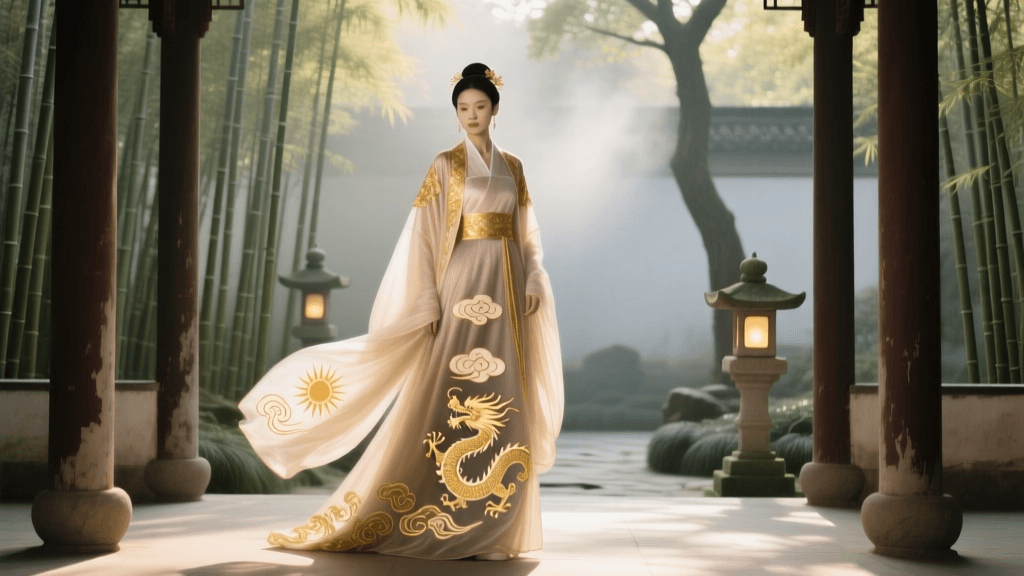
The modern Hanfu movement has transcended the boundaries of costume. According to cultural analyses published by The World of Chinese, the integration of traditional silhouettes into contemporary daily wear has created a massive demand for accurate, high-quality journalism that separates authentic heritage weaving from mass-produced fast fashion. In 2026, the most influential voices in this space are those who combine aesthetic curation with deep academic research, acting as vital bridges between ancient artisan techniques and the modern global wardrobe.
Platform Ecosystems: Where Traditional Fashion Journalism Thrives
To tap into the best traditional Chinese fashion content, one must understand the distinct ecosystems of China's primary social platforms. Each platform cultivates a different style of journalism and caters to a unique demographic of traditional garment enthusiasts.
| Platform | Primary Demographic | Content Format | Best For |
|---|---|---|---|
| Xiaohongshu (Little Red Book) | Urban Gen Z & Millennials | Photo carousels, short vlogs, OOTD | Styling, brand reviews, boutique sourcing |
| Bilibili | History enthusiasts, academics | Long-form video essays, documentaries | Textile analysis, historical accuracy, weaving techniques |
| Douyin | Mass market, rural artisans | Livestreams, short trends, flash sales | Direct workshop sourcing, artisan interviews |
| Industry insiders, celebrities | Text threads, news updates, debates | Industry news, museum exhibition announcements |
Xiaohongshu: The Visual Archive and Styling Hub
Xiaohongshu remains the undisputed king of visual fashion journalism in China. In 2026, the platform's top Hanfu bloggers operate like digital editors of high-end fashion magazines. They specialize in translating historical silhouettes—such as the Ming Dynasty's Mamianqun (horse-face skirt) or the Song Dynasty's Beizi (long outer jacket)—into viable corporate and casual wardrobes. The journalism here is highly practical. Creators publish exhaustive reviews of emerging independent Hanfu brands, scrutinizing the drape of the fabric, the accuracy of the pleating, and the colorfastness of natural dyes. For international buyers, Xiaohongshu bloggers provide the most reliable sizing guides and fabric weight breakdowns, often using precise GSM (grams per square meter) measurements to help followers understand how a garment will behave in different climates.
Bilibili: The Deep-Dive Textile Historians
If Xiaohongshu is the glossy magazine, Bilibili is the peer-reviewed academic journal. Bilibili's traditional fashion creators produce 30- to 60-minute documentary-style video essays. In 2026, the most popular Bilibili series focus on the chemical and mechanical processes of heritage textile creation. Creators travel to the gambiered gauze workshops in Guangdong to document the 30-step dyeing process of Xiangyunsha silk, or they visit the master weavers of Nanjing Yunjin (cloud brocade) to explain the mechanics of the massive wooden drawlooms. These creators frequently collaborate with museum curators and university professors, using AI-assisted pattern mapping to digitally reconstruct damaged textiles unearthed from tombs, offering their audience a look at garments that haven't been seen in centuries.
Key Creator Archetypes in the Hanfu Journalism Space
As the industry has matured, distinct archetypes of fashion journalists have emerged within the traditional Chinese garment sphere. Identifying which type of creator aligns with your interests is crucial for curating your digital feed.
The Textile Archaeologist
These creators treat clothing as historical artifacts. They spend their time analyzing murals from the Dunhuang caves or studying the inventory lists of the Ming imperial wardrobe. Their content is heavily cited, often referencing comprehensive historical archives on Hanfu and regional dynastic records. They are the ultimate authority on whether a brand's latest release accurately reflects the collar construction of the Tang Dynasty or if it mistakenly borrows from Qing Dynasty tailoring.
The Heritage Stylist
Focused on the intersection of tradition and modernity, these bloggers answer the question: "How do I wear this in 2026?" They excel at layering traditional pieces with contemporary basics. A popular 2026 trend championed by these stylists is pairing a heavily embroidered Song-style pleated skirt with a minimalist, structured Western blazer, creating a transnational silhouette that respects heritage proportions while functioning in a modern urban environment.
The Artisan Documentarian
These journalists focus on the human hands behind the garments. They highlight the aging demographic of master embroiderers and weavers, advocating for the preservation of intangible cultural heritage. Their content often includes direct links to rural cooperatives, allowing followers to purchase directly from the artisans, thereby bypassing exploitative middlemen and ensuring fair compensation for traditional labor.
Actionable Guide: Sourcing and Verifying Heritage Garments
Following these blogs is only the first step. The true value of Chinese fashion journalism lies in using their insights to make informed, authentic purchases. The market in 2026 is flooded with synthetic imitations of heritage fabrics. Here is how to use creator insights to verify authenticity when sourcing traditional garments.
- Verify the Xiangyunsha 'Crackle': Authentic gambiered Guangdong gauze develops a unique, subtle crackling texture over time due to the river mud and gambier juice reaction. Top Bilibili reviewers often use macro lenses to show this crackling. If a brand's fabric looks uniformly smooth and plasticky under macro review, it is a synthetic print.
- Check the Mamianqun Pleat Structure: A historically accurate Ming-style horse-face skirt relies on precise mathematical folding, not heat-pressed synthetic pleats. Xiaohongshu bloggers frequently demonstrate the 'swing test'—a genuine silk Mamianqun will open like a fan when walking and snap back into perfectly flat, overlapping panels when standing still. Heat-pressed polyester will bunch and lose its shape.
- Analyze the Motif Provenance: Reputable journalism blogs will explicitly state the origin of a garment's embroidery motif. For example, a 'peony and phoenix' motif should be traced back to a specific museum artifact or historical textile fragment. If a brand cannot provide the historical lineage of their patterns, as highlighted by industry watchdogs like Jing Daily, it is likely a generic, mass-market design.
- Understand 2026 Pricing Benchmarks: Use blogger pricing guides to avoid scams. In 2026, a museum-grade replica Mamianqun crafted from authentic Xiangyunsha silk averages between 3,200 and 4,500 RMB ($440–$620 USD). If a vendor on Douyin is offering 'authentic' Xiangyunsha for 300 RMB, journalism blogs universally flag this as a blended synthetic.
The Global Impact of Chinese Traditional Fashion Media
The influence of these digital journalists extends far beyond China's borders. International fashion houses, textile conservators, and global diaspora communities rely on these Chinese blogs as primary source material. In 2026, we are seeing a fascinating cross-pollination where Western fashion students use Bilibili documentaries to learn about the complexities of khesi (silk tapestry) weaving, while global sustainable fashion advocates look to Xiaohongshu's natural dyeing influencers for alternatives to toxic synthetic colorants.
By treating traditional garments with the same rigorous journalistic scrutiny as Parisian haute couture, these Chinese content creators have elevated Asian heritage textiles to their rightful place in the global fashion canon. For anyone passionate about the intersection of culture, history, and style, immersing oneself in this vibrant digital ecosystem is the most effective way to understand the future of traditional Asian dress.