Top Chinese Fashion Blogs for Traditional Hanfu in 2026
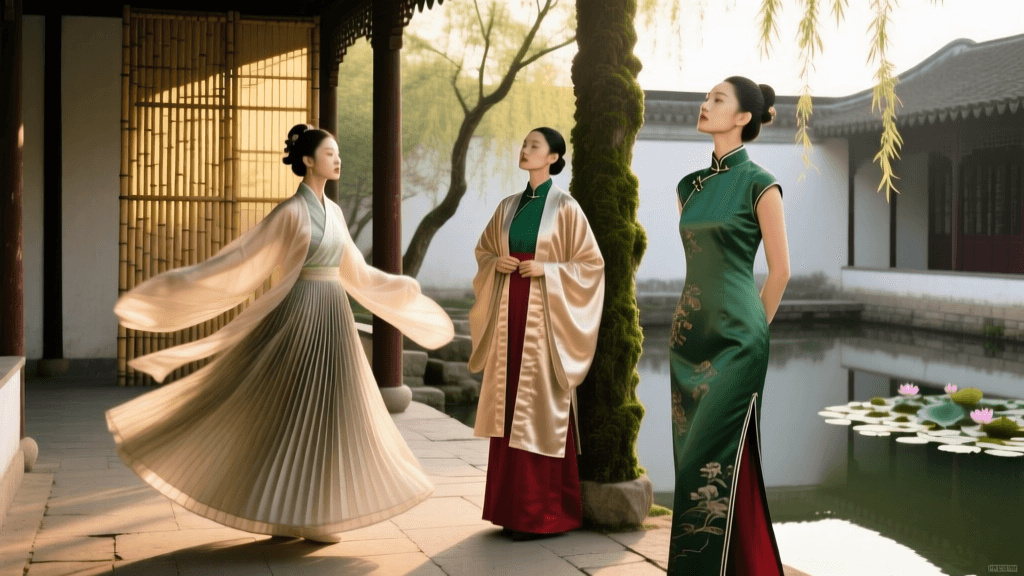
The Evolution of Chinese Fashion Journalism in 2026
In 2026, the landscape of Chinese fashion journalism has undergone a radical transformation. What began a decade ago as a niche subculture of enthusiasts sharing 'Outfit of the Day' (OOTD) photos has matured into a rigorous, academically backed digital journalism ecosystem. Today, top Chinese fashion content creators and independent bloggers are not merely influencers; they are textile historians, cultural critics, and investigative journalists documenting the revival of traditional garments like Hanfu, the Mamianqun (horse-face skirt), and Xiangyunsha (gambiered Canton gauze).
For global enthusiasts of Asian traditions, following these digital journalists offers an unparalleled masterclass in textile heritage, pattern drafting, and sustainable fashion. According to industry analysis by Jing Daily, the commercialization and cultural weight of the Hanfu movement have forced mainstream fashion media to take notice, but it is the independent creators on platforms like Xiaohongshu (RED), Bilibili, and WeChat who are driving the most authentic and detailed discourse.
The Shift from OOTD to Academic Sartorial Scholarship
The hallmark of Chinese fashion blogging in 2026 is 'academic fashion.' Leading creators now routinely collaborate with textile departments at institutions like Donghua University in Shanghai to verify the historical accuracy of their garments. Instead of simply reviewing a new collection from heritage brands like Minghuatang or Shisanyu, these digital journalists publish deep-dive essays analyzing the weave density, natural dyeing methods, and historical provenance of the silhouettes.
This shift has created a new genre of fashion journalism that blends the visual appeal of modern digital media with the rigor of a museum archive. Creators frequently visit the China National Silk Museum in Hangzhou to study extant Ming and Song dynasty artifacts, subsequently producing high-definition video essays that break down how modern artisans are replicating these ancient techniques using contemporary jacquard looms and eco-friendly mordants.
Platform Breakdown: Where to Find the Best Traditional Fashion Journalism
To tap into this wealth of knowledge, international readers must understand the distinct ecosystem of Chinese social platforms. Each platform serves a different function in the fashion journalism pipeline.
| Platform | Best For | Content Format | Key Search Terms (Chinese) |
|---|---|---|---|
| Xiaohongshu (RED) | Visual essays, brand reviews, and textile close-ups. | Photo carousels with long-form captions, short vlogs. | 汉服测评 (Hanfu Review), 马面裙 (Mamianqun) |
| Bilibili | Long-form documentary journalism, weaving techniques. | 20-40 minute video essays, historical deep-dives. | 汉服科普 (Hanfu Education), 传统服饰 (Traditional Dress) |
| WeChat Official Accounts | Academic translations, editorial journalism, interviews. | Long-form text articles, PDF-style layout. | 服饰史 (Costume History), 传统染织 (Traditional Dyeing) |
| Douyin | Trend forecasting, quick styling, behind-the-scenes. | Short-form vertical video, live-stream commerce. | 国风穿搭 (Guofeng Styling), 新中式 (New Chinese Style) |
Key Garment Trends Dominating Creator Coverage in 2026
If you are following Chinese fashion blogs this year, you will notice a distinct pivot away from heavily stylized, fantasy-inspired costumes toward historically grounded, highly functional daily wear. The journalism surrounding these garments is intensely detailed.
1. The Mamianqun in the Modern Workplace
The Mamianqun, or horse-face skirt, remains the undisputed champion of the Hanfu revival. In 2026, fashion journalists on Xiaohongshu are heavily focused on how to integrate these pleated skirts into corporate and professional environments. Bloggers are reviewing 'New Chinese Style' (Xin Zhongshi) adaptations that feature shorter hemlines, machine-washable blended fabrics, and subdued color palettes like slate grey, navy, and celadon. Detailed reviews often include stress-tests of the pleats, measuring how well the heat-set folds hold up after a month of daily commuting.
2. The Revival of Xiangyunsha (Gambiered Canton Gauze)
Sustainability is a major pillar of modern fashion journalism, and Chinese creators are leading the charge in documenting eco-friendly heritage textiles. Xiangyunsha, a silk fabric dyed with yam juice and coated with river mud, is experiencing a massive resurgence. Bilibili documentarians are traveling to Guangdong province to film the grueling, sun-dependent process of creating this 'soft gold.' Their journalism highlights the ethical supply chains and the aging artisans who are training a new generation of dyers to meet the 2026 global demand for natural, non-toxic textiles.
3. Song Dynasty Minimalism and the Beizi
While the opulent silhouettes of the Tang and Ming dynasties often capture the global imagination, Chinese fashion critics are currently championing the understated elegance of the Song Dynasty. The Beizi (a long, open-front coat) and the Baizhe skirt are being praised in WeChat editorial blogs for their alignment with modern minimalist aesthetics. Creators are publishing pattern-drafting tutorials, teaching their audiences how to sew these garments using sustainable linen and hemp blends.
How Global Enthusiasts Can Navigate and Learn
For international readers and designers looking to draw inspiration from Chinese traditional fashion journalism, the language barrier and platform restrictions can seem daunting. However, with the right tools, you can access this treasure trove of sartorial knowledge.
- Utilize Visual Search: Xiaohongshu's image recognition search is incredibly powerful. If you see a vintage garment in a museum or a historical drama, take a screenshot and use the camera icon in the app's search bar. This will pull up reviews, historical breakdowns, and purchasing guides from top Chinese bloggers.
- Leverage Browser Extensions: When reading WeChat Official Accounts on a desktop browser, use extensions like 'Zhongwen' or 'DeepL' to translate complex textile terminology. Terms like '缂丝' (Kesi, or silk tapestry) and '妆花' (Zhuanghua, a complex brocade technique) require specific context that standard translators often miss.
- Follow the Citations: The best Chinese fashion journalists always cite their sources. Look for references to the China National Silk Museum or the Palace Museum's digital archives in their video descriptions. These institutions offer robust English-language resources and digital exhibitions that complement the creators' findings.
- Engage with the Community: Bilibili's comment sections are often filled with amateur historians and textile students debating the accuracy of a garment's collar construction. Using a real-time translation tool to read these debates provides an incredible, unfiltered look into the collective intelligence of the Chinese heritage fashion community.
The Intersection of Academic Research and Influencer Culture
The most significant development in 2026 is the formalization of partnerships between digital creators and academic institutions. As noted by global fashion watchdogs like The Business of Fashion, the line between an influencer and a cultural ambassador has blurred. Top-tier Hanfu bloggers are now being hired as consultants by international luxury houses looking to incorporate authentic Asian motifs into their collections without falling into the trap of cultural appropriation.
These creators serve as vital gatekeepers. When a global brand attempts to market a 'Chinese-inspired' jacket, independent journalists on Weibo and Xiaohongshu will quickly dissect the garment, pointing out if the collar crosses the wrong way (a traditional faux pas associated with mourning) or if the embroidery motifs mix incompatible dynastic symbols. This rigorous peer-review process ensures that the global fashion industry treats Chinese traditional garments with the historical respect they deserve.
Conclusion: A New Golden Age of Sartorial Media
The Chinese fashion journalism ecosystem in 2026 is a masterclass in how digital media can preserve, elevate, and modernize ancient traditions. By treating traditional garments not as mere costumes, but as living, breathing textiles with deep historical and environmental significance, these content creators are reshaping the global fashion narrative. Whether you are a historian, a sustainable fashion advocate, or simply an admirer of Asian traditions, tuning into these digital journalists offers a profound, beautifully documented journey into the heart of Chinese sartorial heritage.