Top Chinese Fashion Blogs & Creators Reviving Hanfu 2026
The Renaissance of Chinese Sartorial Journalism
In 2026, the landscape of Chinese fashion journalism has evolved far beyond seasonal trend reports and luxury brand reviews. Today, the most influential voices in the industry are those dedicated to the meticulous documentation, preservation, and modern styling of traditional garments. The Hanfu movement, which seeks to revive the historical clothing of the Han Chinese, has matured from a niche internet subculture into a multi-billion-dollar sartorial ecosystem. At the heart of this renaissance is a new generation of fashion bloggers, digital zine editors, and video essayists who function as investigative textile journalists.
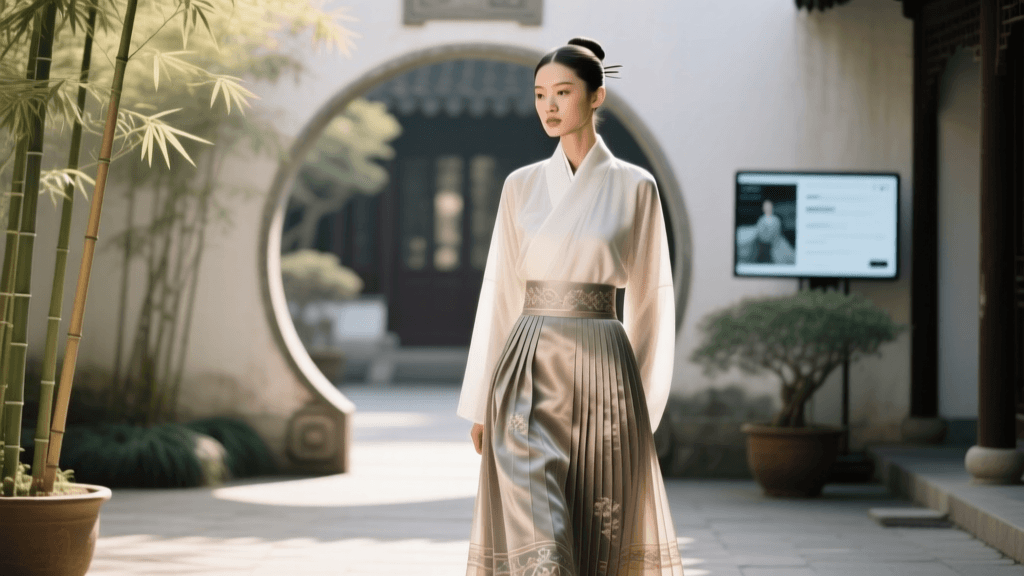
These content creators are not merely influencers showcasing outfits; they are historians, supply-chain investigators, and cultural critics. They dissect the structural engineering of the Mamianqun (horse-face skirt), trace the supply chains of authentic Song brocade, and expose the rampant intellectual property theft perpetrated by fast-fashion conglomerates. For global enthusiasts and industry professionals alike, understanding how these Chinese fashion journalism blogs operate in 2026 offers a masterclass in digital storytelling, cultural preservation, and heritage fashion marketing.
The New Guard of WeChat Long-Form Zines
While short-form video dominates global attention spans, long-form investigative fashion journalism thrives on WeChat through independent editorial accounts and digital zines. These platforms function as highly specialized digital magazines, catering to a readership that demands academic rigor paired with high-fashion editorial photography.
In 2026, top WeChat heritage fashion accounts regularly publish 5,000-word deep dives into specific historical tailoring techniques. For instance, recent viral articles have focused on the structural geometry of Ming Dynasty pleating, utilizing 3D modeling software to explain how traditional Mamianqun maintain their distinctive flat front and back panels while allowing for fluid movement. Furthermore, these digital zines frequently commission chemists and botanists to write guest columns on the revival of ancient plant-based dyeing methods, analyzing the mordanting processes required to achieve colorfastness with traditional madder root and indigo.
This level of granular detail has forced mainstream fashion publications to elevate their own coverage of Asian traditions. The independent WeChat zines have effectively set the gold standard for what constitutes authoritative reporting on Chinese historical garments, proving that there is a massive, highly engaged audience for slow-fashion journalism.
Bilibili and the Rise of the Visual Textile Detective
On Bilibili, China's premier platform for long-form video and subculture communities, a new archetype of content creator has emerged: the visual textile detective. These video essayists utilize macro-photography, digital microscopy, and on-the-ground documentary filmmaking to investigate the authenticity and quality of traditional textiles.
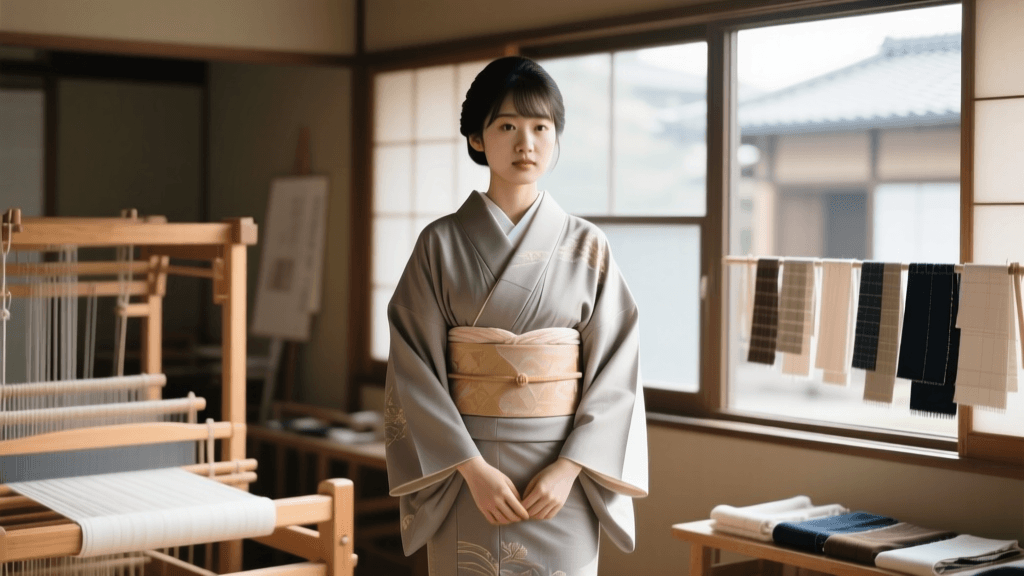
A prominent trend in 2026 is the 'Workshop Expedition' series, where creators travel to heritage weaving hubs in Suzhou, Hangzhou, and Nanjing. Armed with macro lenses, they document the aging generation of master weavers operating traditional wooden jacquard looms. These videos serve a dual purpose: they are breathtaking visual documentaries that preserve intangible cultural heritage, and they act as consumer watchdog reports. By showing the immense time and physical labor required to weave a single meter of authentic Yunjin (cloud brocade), these creators educate consumers on why genuine heritage textiles command premium prices, effectively inoculating their audience against cheap, mass-produced synthetic knockoffs.
Investigative Watchdogs: Combating Fast-Fashion Plagiarism
One of the most vital roles played by Chinese fashion journalism blogs in 2026 is that of the intellectual property watchdog. As the commercial viability of Hanfu and traditional Chinese aesthetics has skyrocketed, so too has the rate of design theft by fast-fashion giants and unscrupulous e-commerce vendors.
Investigative creators routinely publish side-by-side comparison charts and 'call-out' threads that dissect stolen designs. They analyze stitch density, pattern alignment, and fabric composition to prove that a viral, low-cost garment is a direct, unauthorized copy of an independent heritage brand's seasonal release. This brand of accountability journalism has become so influential that major e-commerce platforms now frequently collaborate with top heritage fashion bloggers to verify the authenticity of flagship traditional garment stores before granting them premium algorithmic placement.
Data Table: Top Platforms for Heritage Fashion Journalism
To navigate the Chinese digital landscape effectively, global fashion journalists and brand strategists must understand the unique editorial strengths of each platform. Below is a comparative analysis of the primary hubs for traditional garment content in 2026.
| Platform | Primary Format | Journalistic Focus | Audience Demographic |
|---|---|---|---|
| WeChat Official Accounts | Long-form text, high-res editorial photo essays | Historical deep-dives, structural tailoring analysis, artisan interviews | High-income professionals, academics, serious collectors |
| Bilibili | Long-form video essays, documentaries | Supply-chain investigations, macro-textile analysis, loom mechanics | Gen Z and Millennials, subculture enthusiasts, DIY crafters |
| Xiaohongshu (RED) | Micro-blogging, image carousels, short styling videos | Modern styling, brand reviews, buyer guides, event coverage | Urban women, trend-conscious consumers, global fashion students |
| Douyin | Ultra-short form video, live-stream commerce | Visual transformations, behind-the-scenes atelier glimpses, rapid trend cycles | Mass market, impulse buyers, broader rural and tier-2/3 city demographics |
The Role of Global Archival Research in 2026
The hallmark of a top-tier Chinese fashion journalism blog in 2026 is its reliance on verifiable, global archival research. Rather than relying solely on secondary internet sources or historical television dramas, leading creators actively cross-reference their findings with established international museum databases and heritage registries. This rigorous methodology elevates their content from mere opinion to peer-reviewed standard journalism.
For instance, when investigating the evolution of silk weaving techniques during the Song and Ming dynasties, top creators frequently utilize the Met Museum's Heilbrunn Timeline of Art History on Chinese Silk to provide foundational data and high-resolution archival imagery for their readers. This allows them to trace the exact lineage of specific motifs, such as the python robe patterns or the intricate floral roundels found on historical garments.
Furthermore, when covering the modern revival of traditional sericulture and natural dyeing, investigative bloggers often cite the UNESCO Intangible Cultural Heritage registry on Chinese sericulture. By linking directly to these authoritative global institutions, creators validate the cultural significance of the artisans they interview, bridging the gap between local craft and global heritage recognition. Additionally, for insights into textile conservation and the physical degradation of ancient fibers, writers frequently reference the V&A Museum's Asian Collections, using their conservation reports to advise their audience on how to properly store and care for their own investment-grade silk garments.
Actionable Advice for Aspiring Traditional Fashion Writers
For international fashion journalists, students, and content creators looking to cover the Asian traditions beat in 2026, the barrier to entry requires more than just a good eye for aesthetics. It demands cultural fluency, technical knowledge, and a commitment to ethical reporting. Here is how you can build authority in this space:
- Master the Technical Lexicon: You must understand the difference between warp-faced and weft-faced weaves, the mechanics of a drawloom, and the specific terminology of traditional Chinese flat-cutting tailoring. Familiarize yourself with terms like Ke-si (silk tapestry) and Xiangyunsha (gambiered canton gauze) to write with authority.
- Cultivate Artisan Networks: The best stories are not found in press releases; they are found in the workshops of Suzhou and Jingdezhen. Build relationships with the master weavers, dyers, and embroiderers. Their insights into the changing climate's effect on natural dye crops or the scarcity of raw silk provide unique, exclusive angles for your journalism.
- Leverage AI for Pattern Translation, Not Creation: In 2026, AI tools are invaluable for translating ancient textile fragments and reconstructing damaged patterns for visual essays. However, ethical journalism dictates that these digital reconstructions must be clearly labeled as such, and always verified against physical museum archives before publication.
- Focus on the Modern Ecosystem: Do not treat traditional garments as relics of a dead past. The most compelling journalism in 2026 explores how these garments interact with modern life—from the integration of smart-fabrics into winter-weight Hanfu, to the sustainable business models of indie heritage brands fighting against fast-fashion waste.
By adopting the rigorous, investigative, and deeply respectful approach championed by China's top fashion journalism blogs, global writers can contribute meaningfully to the preservation and celebration of Asian sartorial traditions. The digital renaissance of heritage fashion is here, and it is being documented one meticulously researched thread at a time.