Top Chinese Fashion Creators Shaping Hanfu Trends in 2026
The Renaissance of Chinese Fashion Journalism in 2026
The landscape of Asian fashion media has undergone a radical transformation, and nowhere is this more evident than in the realm of traditional Chinese garments. As we navigate through 2026, Chinese fashion journalism has evolved far beyond the glossy pages of legacy print magazines. Today, the most influential voices shaping the narrative of Hanfu, Qipao, and regional ethnic textiles are independent content creators, digital historians, and niche micro-bloggers. These digital journalists are not merely reporting on trends; they are actively preserving heritage weaving techniques, decoding historical dress codes, and bridging the gap between ancient aesthetics and modern global streetwear.
The Hanfu movement, which began as a grassroots subculture in the early 2000s, has matured into a multi-billion-dollar cultural industry. According to ongoing cultural market analysis by Jing Daily, the domestic market for traditional Chinese apparel has seen exponential growth, driven largely by Gen Z and Gen Alpha consumers who view heritage clothing as a form of daily self-expression rather than mere costume. This boom has created a massive demand for high-quality, research-backed fashion journalism that can authenticate designs, critique historical accuracy, and spotlight artisan workshops.
The "Big Three" Platforms for Traditional Garment Content
To understand the ecosystem of Chinese fashion journalism in 2026, one must look at the platforms where these creators thrive. The digital ecosystem in China is highly fragmented, and successful fashion journalists must tailor their content to the unique algorithms and audience expectations of each platform.
Xiaohongshu (Little Red Book): The Visual Diary
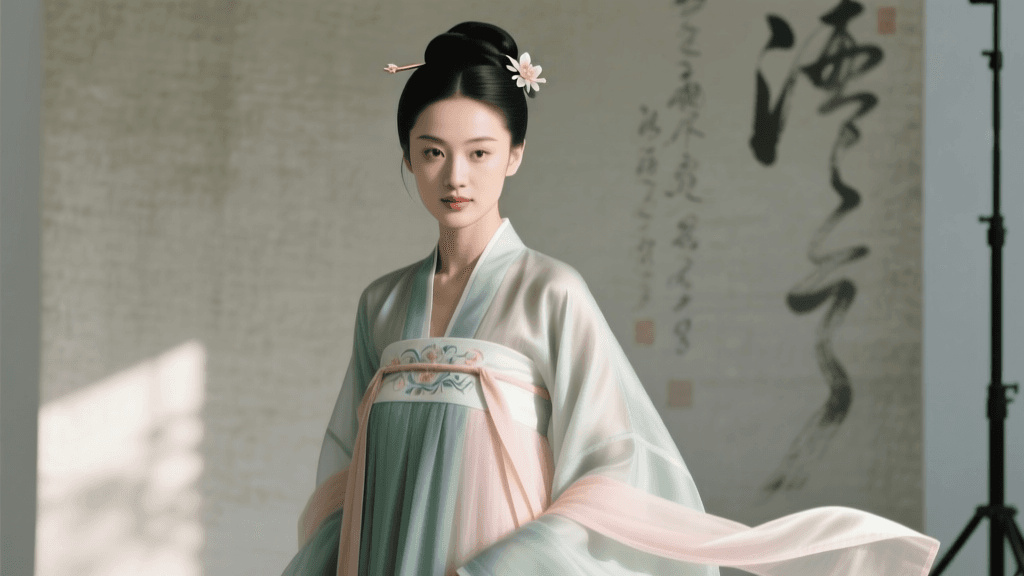
Xiaohongshu remains the undisputed king of lifestyle and fashion curation. In 2026, traditional garment creators on this platform focus heavily on high-fidelity photography, daily styling guides, and "outfit of the day" (OOTD) posts that blend Ming Dynasty silhouettes with contemporary accessories. Fashion journalists here act as curators, reviewing the drape, fabric weight, and color accuracy of new releases from heritage brands. The platform's emphasis on aesthetic perfection makes it the primary launchpad for visual trendsetting.
Bilibili: The Video Essay and Historical Deep-Dive
While Xiaohongshu is for visuals, Bilibili is the domain of the intellectual fashion journalist. Creators on this platform produce long-form video essays, often running 20 to 40 minutes, dissecting the historical context of specific garments. A popular format in 2026 involves creators visiting remote villages in Guizhou or Jiangsu to document the dwindling art of indigo dyeing or Kesi (silk tapestry) weaving. These creators function as documentary filmmakers, providing the rigorous academic backing that serious Hanfu enthusiasts demand.
Weibo and Douyin: Breaking News and Viral Reach
Weibo serves as the town square for breaking fashion news, brand collaborations, and industry debates. When a major luxury house releases a collection inspired by the Tang Dynasty, Weibo is where fashion critics and historians publish their immediate, unfiltered reviews. Meanwhile, Douyin (the Chinese counterpart to TikTok) is utilized for viral reach, where creators use dynamic transitions and augmented reality (AR) filters to showcase the movement and flow of traditional silk garments to a broader, more casual audience.
2026 Platform Metrics for Hanfu and Traditional Fashion
Understanding where to publish and consume traditional fashion journalism requires a strategic look at platform demographics and content formats. The table below outlines the core characteristics of the major platforms as of 2026.
| Platform | Primary Content Format | Target Demographic | Best Use Case for Traditional Garments |
|---|---|---|---|
| Xiaohongshu | Photo carousels, short text reviews | Urban women 18-35, high purchasing power | Styling guides, brand reviews, textile close-ups |
| Bilibili | Long-form video essays, documentaries | Students, history buffs, Gen Z (16-28) | Historical accuracy checks, artisan interviews |
| Micro-blogging, trending hashtags, polls | Broad national audience, industry insiders | Brand announcements, cultural debates, event coverage | |
| Douyin | Short-form vertical video, live commerce | Mass market, all ages, tier 2-4 cities | Viral styling transitions, live artisan sales |
Key Garments and Textiles Dominating the 2026 Discourse
Chinese fashion journalists in 2026 are highly specialized. Rather than covering "traditional clothing" as a monolith, top creators dedicate their channels to specific dynasties, garments, or textile techniques. This hyper-specialization has elevated the overall quality of fashion journalism in the Asian traditions space.
The Mamian Skirt (Horse-Face Skirt) Evolution
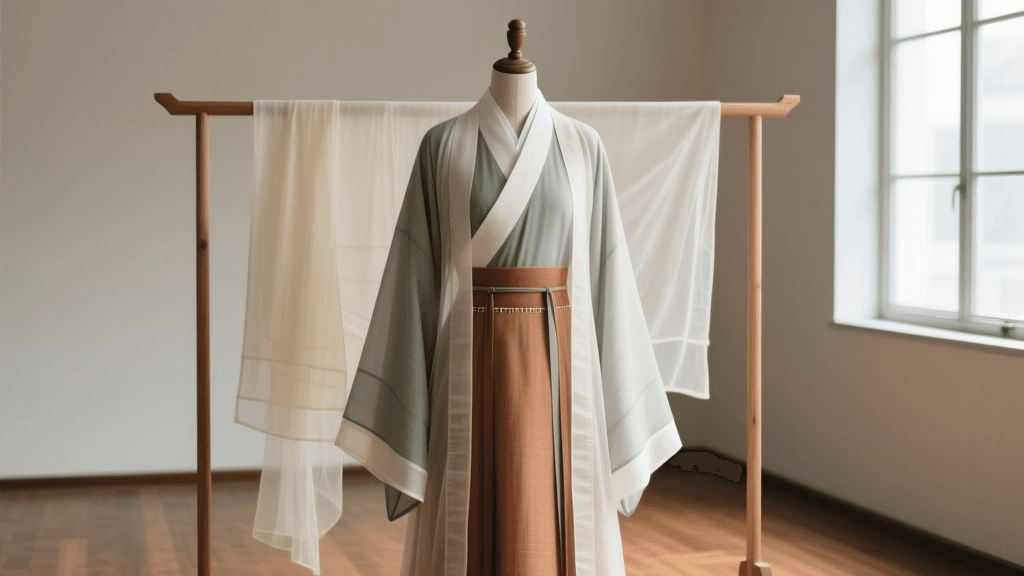
The Ming Dynasty Mamian skirt continues to be a staple of the modern Hanfu wardrobe, but the journalism surrounding it has become incredibly technical. In 2026, top bloggers are publishing exhaustive guides on the structural integrity of the pleats, the authenticity of the woven motifs (such as the python or flying fish patterns), and the ethical sourcing of the silk. As noted by cultural correspondents at the South China Morning Post, the global fascination with the Mamian skirt has forced Chinese journalists to act as cultural ambassadors, educating international audiences on the garment's historical significance while fiercely protecting its intellectual property from fast-fashion knockoffs.
Xiangyunsha and the Revival of Heritage Dyes
Xiangyunsha, a luxurious silk dyed with yam juice and river mud, has become the ultimate status symbol among traditional garment collectors. Fashion journalists are now producing behind-the-scenes content from the humid workshops of Guangdong, documenting the grueling, sun-dependent process of creating this "soft gold." Content creators are heavily focused on sustainability, highlighting how these ancient, natural dyeing methods offer a stark, eco-friendly contrast to the toxic chemical dyes used in modern fast fashion.
The Intersection of Tech and Tradition
The year 2026 has seen a massive integration of technology into traditional fashion journalism. Top creators are no longer relying solely on text and photographs. Many leading Xiaohongshu and Bilibili influencers now utilize 3D modeling software like CLO 3D to digitally reconstruct historical garments based on museum artifacts. They share their digital sewing patterns and fabric simulation data with their followers, allowing amateur tailors to recreate historically accurate pieces at home.
Furthermore, augmented reality (AR) try-on technology has become a standard feature in digital fashion reviews. Journalists can now provide their audience with an AR link, allowing followers to use their smartphone cameras to see how a specific Song Dynasty Beizi (jacket) or Tang Dynasty Banbi (half-sleeve) would look on their own bodies before making a purchase. This fusion of ancient heritage and cutting-edge tech has made Chinese fashion journalism one of the most innovative sectors in global media.
Actionable Advice for Aspiring Traditional Fashion Journalists
For those looking to break into the niche of Asian traditional garment journalism, the barrier to entry is high due to the rigorous historical knowledge required. However, the rewards—both in audience loyalty and brand partnerships—are substantial. Here is a strategic guide for aspiring creators in 2026:
- Master Textile Terminology: You must be able to distinguish between Kesi (cut silk tapestry), Luo (gauze), and Zhangzhou velvet. Your audience will expect encyclopedic knowledge of fabric weaves and their historical origins.
- Build Artisan Networks: The best scoops do not come from brand press releases; they come from the weavers and dyers. Travel to heritage hubs like Suzhou, Hangzhou, and Shengze to build relationships with master craftsmen. Exclusive interviews with these artisans will set your journalism apart.
- Leverage Cross-Cultural Translation: There is a massive, untapped audience in the West eager to understand Asian fashion traditions. Bilingual creators who can translate complex Chinese historical fashion concepts into accessible English content for platforms like Instagram and Substack are currently seeing the highest engagement rates.
- Fact-Check Relentlessly: The Hanfu community is notoriously strict about historical accuracy. Before publishing a review or historical essay, cross-reference your claims with academic papers and museum archives. Industry reports tracked by The Business of Fashion highlight that authenticity and cultural respect are the primary drivers of consumer trust in the heritage apparel market.
Conclusion: The Future of Heritage Fashion Media
As 2026 progresses, it is clear that Chinese fashion journalism is setting a global benchmark for how traditional garments should be covered. By combining rigorous historical research, cutting-edge digital tools, and a deep respect for artisan craftsmanship, these content creators are ensuring that the rich tapestry of Asian fashion traditions is not just preserved in museums, but lived, worn, and celebrated in the modern world. For global fashion enthusiasts and industry professionals alike, following these digital journalists is no longer optional—it is essential for understanding the future of global style.