Chinese Fashion Creators Driving Eco-Dyeing & Hanfu Trends 2026
The Intersection of Digital Media and Ancient Textiles
The landscape of Asian fashion journalism has undergone a seismic shift over the last few years, evolving from superficial trend-reporting into a rigorous, culturally immersive discipline. In 2026, Chinese fashion blogs and content creators are no longer just showcasing outfits; they are acting as cultural archivists, textile historians, and market watchdogs. As the global appetite for sustainable, heritage-driven fashion reaches an all-time high, a new generation of digital journalists on platforms like Xiaohongshu (RED), Bilibili, and WeChat are leading the charge. They are meticulously documenting the revival of traditional Chinese garments, with a hyper-specific focus on natural eco-dyeing methods, ancient weaving techniques, and the booming secondhand vintage market.
For enthusiasts of Asian traditions, following these Chinese fashion journalism blogs is no longer optional—it is essential. These creators bridge the gap between ancient artisanal practices and the modern 2026 consumer, providing actionable advice on how to identify authentic textiles, where to source ethical garments, and how to integrate historical pieces like the Ming-dynasty mamianqun (horse-face skirt) or Song-dynasty minimalist robes into contemporary wardrobes. This comprehensive guide explores how top Chinese content creators are shaping the narrative around traditional eco-dyeing and vintage Hanfu in 2026.
The Evolution of Chinese Fashion Journalism in 2026
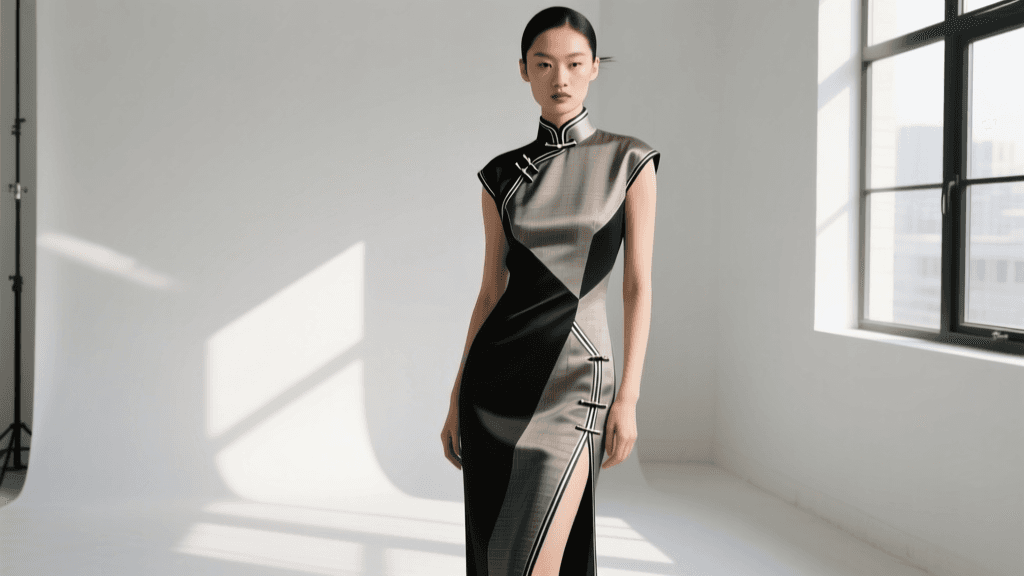
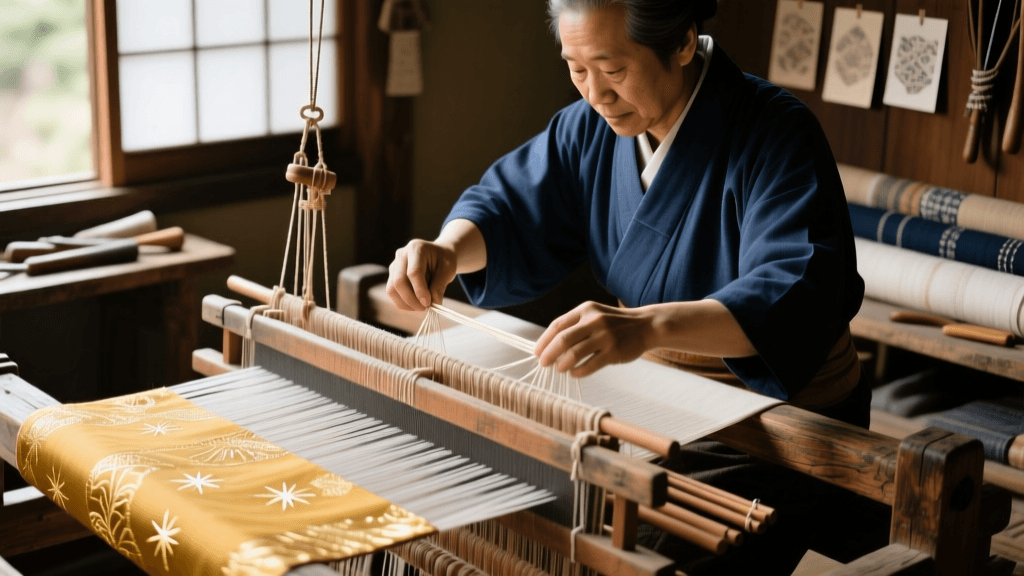
Historically, fashion journalism in China was dominated by glossy magazine editorials and luxury brand press releases. However, the 2026 digital ecosystem is defined by the 'Scholar-Creator.' These are independent journalists and influencers who hold degrees in textile engineering, history, or anthropology, and who use their platforms to publish deep-dive investigative reports on traditional garments. Instead of merely posting a photo of a silk Qipao, a 2026 Scholar-Creator will publish a 5,000-word WeChat article detailing the specific jacquard loom used to weave the brocade, the historical accuracy of the collar's curvature, and the botanical origins of the dye.
This shift has profoundly impacted the 'Guochao' (national trend) movement. Consumers are now highly educated, demanding transparency and historical accuracy from Hanfu brands. Fashion bloggers act as the ultimate gatekeepers, frequently exposing brands that use synthetic chemical dyes while marketing their products as 'natural plant-dyed.' By utilizing macro-lens photography and microscopic fiber analysis, these creators provide their followers with empirical evidence of a garment's authenticity, fundamentally changing how traditional Chinese clothing is bought and sold in 2026.
Xiangyunsha and the Eco-Dyeing Renaissance
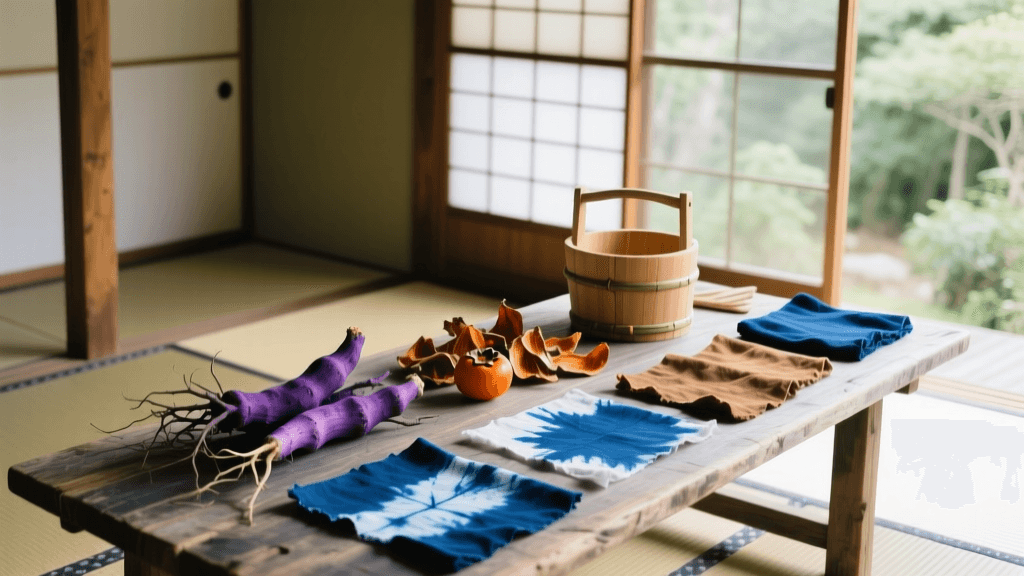
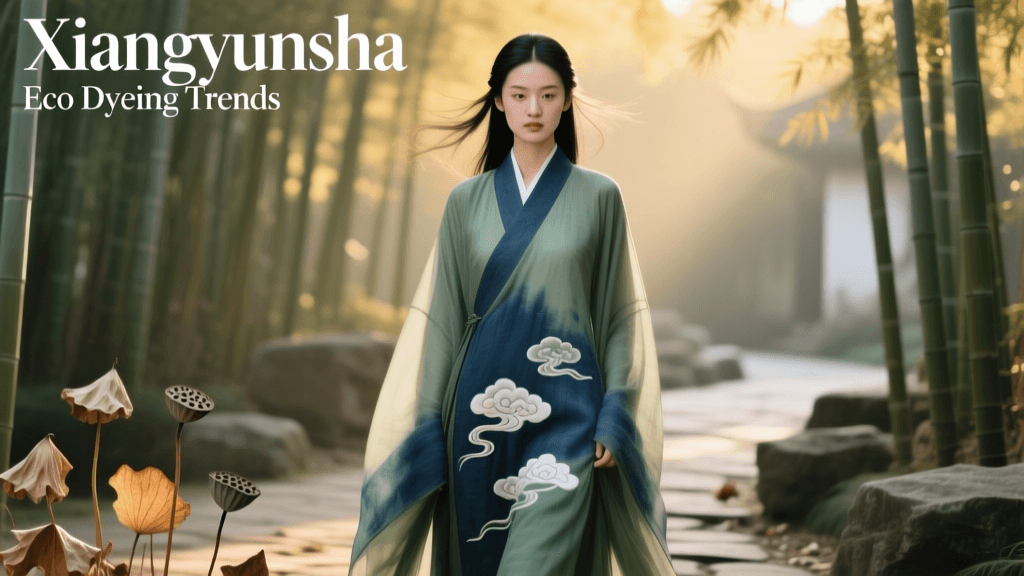
Perhaps no traditional textile has captured the attention of Chinese fashion journalists in 2026 quite like Xiangyunsha, also known as Gambiered Canton Gauze. Originating from the Guangdong province, this luxurious silk is dyed using the juice of the Dioscorea cirrhosa tuber (Shulang) and subsequently coated in iron-rich river mud. The resulting fabric is celebrated for its rich, dark patina, its cooling properties, and its distinctive crackling sound when worn. Recognizing its profound cultural significance, the UNESCO Intangible Cultural Heritage list officially protects the traditional dyeing technique, a fact frequently cited by creators to emphasize the fabric's global importance.
In 2026, the market has seen an influx of counterfeit Xiangyunsha, with factories using synthetic iron powders and chemical astringents to mimic the process in a fraction of the time. Chinese fashion blogs have responded by creating rigorous 'Authentication Masterclasses.' Top Xiaohongshu creators teach their audiences to look for the 'turtle-shell' cracking pattern on the reverse side of the fabric—a natural byproduct of the sun-baking and mud-coating process that synthetic methods cannot replicate. Furthermore, creators are heavily promoting lesser-known eco-dyeing traditions, such as Guizhou's indigenous plant indigo (Polygonum tinctorium) and Xinjiang's madder root reds, providing a platform for rural artisans to reach high-end urban consumers directly.
2026 Eco-Dyed Fabric Market Guide for Collectors
To help collectors and enthusiasts navigate the current market, leading Chinese textile bloggers have compiled standardized pricing and authentication metrics. Below is a consensus table derived from top 2026 investigative fashion reports on traditional eco-dyed fabrics.
| Fabric Type | Origin Region | 2026 Avg. Market Price (RMB/Meter) | Key Authenticity Marker |
|---|---|---|---|
| Xiangyunsha (Gambiered Gauze) | Guangdong (Foshan) | 800 - 1,500 RMB | Asymmetrical 'turtle-shell' cracking on the mud-coated reverse side; distinct crackling acoustic. |
| Traditional Plant Indigo | Guizhou (Danzhai) | 250 - 450 RMB | Uneven natural oxidation patterns; faint, earthy botanical scent that synthetic indigo lacks. |
| Madder Root Silk | Xinjiang | 350 - 600 RMB | Subtle, multi-tonal color variations in direct sunlight due to natural mordanting with alum. |
| Tea-Dyed Linen (Zicha) | Zhejiang (Hangzhou) | 150 - 300 RMB | Soft, muted gradient fading; high susceptibility to alkaline detergents (a sign of true natural dye). |
Navigating the Vintage and Secondhand Hanfu Market
As the appreciation for traditional garments matures, the 2026 secondhand market has exploded in popularity. Platforms like Xianyu (Alibaba's secondhand marketplace) are now teeming with vintage silk Qipao from the 1980s, early 2010s artisan-crafted Hanfu, and rare antique textile fragments. Chinese fashion journalism blogs have stepped in to regulate this wild west, publishing exhaustive guides on how to evaluate vintage condition, identify period-accurate stitching, and negotiate with sellers.
One of the most vital services provided by these digital journalists is the exposure of 'upcycled' fakes—garments made by stitching together damaged antique textile fragments and passing them off as intact historical pieces. Creators utilize ultraviolet (UV) light photography to reveal modern synthetic threads used in recent repairs, a technique that has become a staple in 2026 vintage-buying guides. Furthermore, bloggers frequently collaborate with professional textile conservators to teach followers how to properly store and clean natural-dye garments, emphasizing the use of pH-neutral cleaners and avoiding direct sunlight to preserve the delicate botanical pigments.
Essential Platforms and Creator Archetypes
For international enthusiasts and researchers looking to tap into this wealth of knowledge, understanding the nuances of China's digital platforms in 2026 is crucial. The historical baseline that these creators reference is often grounded in extensive academic research, such as the comprehensive archives on Chinese Silk and traditional weaving techniques maintained by global institutions, which local bloggers frequently translate and adapt for their domestic audiences.
- The Bilibili Textile Historian: Bilibili remains the premier platform for long-form, documentary-style content. Here, creators produce 40-minute video essays dissecting the evolution of the ruqun silhouette or the complex chemistry behind traditional mineral dyes. These creators often hold academic affiliations and cite historical texts like the Tiangong Kaiwu (The Exploitation of the Works of Nature).
- The Xiaohongshu (RED) Eco-Dyeing Advocate: Xiaohongshu is the visual diary of the 2026 Hanfu community. Creators here focus on the aesthetics of natural dyes, posting high-resolution macro shots of fabric weaves and sharing daily styling tips that blend traditional eco-dyed garments with modern minimalist accessories. They are also the primary drivers of the 'slow fashion' movement within the Guochao space.
- The WeChat Official Account Investigative Journalist: WeChat remains the hub for deep-text journalism. Independent fashion critics use WeChat to publish scathing reviews of mass-market Hanfu brands that engage in cultural appropriation or historical inaccuracies. These long-form articles often include interviews with master weavers in Suzhou and Hangzhou, providing rare insights into the 2026 supply chain challenges facing traditional silk artisans.
Conclusion: The Future of Asian Fashion Journalism
The Chinese fashion journalism landscape of 2026 is a testament to the power of digital media in preserving and elevating Asian traditions. By combining rigorous historical research, scientific textile analysis, and a deep passion for sustainable practices, these content creators are ensuring that ancient techniques like Xiangyunsha dyeing and traditional Hanfu tailoring do not merely survive as museum relics, but thrive as living, breathing components of modern fashion. For anyone invested in the future of traditional garments, following these digital scholars is the key to understanding the true depth, value, and beauty of Asia's sartorial heritage.