Top Chinese Fashion Bloggers Styling Xiangyunsha in 2026
The Renaissance of Xiangyunsha in Digital Fashion Journalism
In the ever-evolving landscape of Asian fashion journalism, 2026 has emerged as a watershed year for heritage textiles. No longer confined to museum archives or strictly ceremonial occasions, traditional Chinese garments are dominating digital spaces, spearheaded by a new generation of Chinese fashion bloggers and content creators. At the forefront of this movement is Xiangyunsha, also known as Gambiered Canton Gauze. Often referred to as "soft gold" in the luxury textile industry, this historic silk is experiencing a massive renaissance on platforms like Xiaohongshu (RED), Douyin, and Weibo. Today's Chinese fashion journalists are no longer just documenting daily outfits; they are acting as cultural historians, textile scientists, and global trend forecasters, bridging the gap between ancient craftsmanship and contemporary streetwear.
The Shift from Influencers to Textile Journalists
The year 2026 marks a distinct pivot in Chinese fashion media. Audiences have grown fatigued by fast-fashion hauls and superficial luxury unboxings. In response, top-tier content creators have adopted a long-form, documentary-style approach to fashion journalism. Creators are now traveling directly to the Shunde district in Guangdong province to document the grueling, months-long process of creating Xiangyunsha. They film the precise application of Dioscorea cirrhosa (a wild yam) juice and the crucial river-mud coating that gives the silk its signature dual-tone finish and structural durability.
This depth of reporting aligns with global efforts to preserve traditional crafts. As noted by UNESCO's Intangible Cultural Heritage list, sericulture and silk craftsmanship in China require meticulous safeguarding. Modern fashion bloggers are effectively serving as digital ambassadors for these UNESCO-recognized practices, translating complex artisanal techniques into engaging, bite-sized video essays that resonate with Gen Z and Millennial consumers alike.
The "Xinzhongshi" Aesthetic: Modernizing the Soft Gold
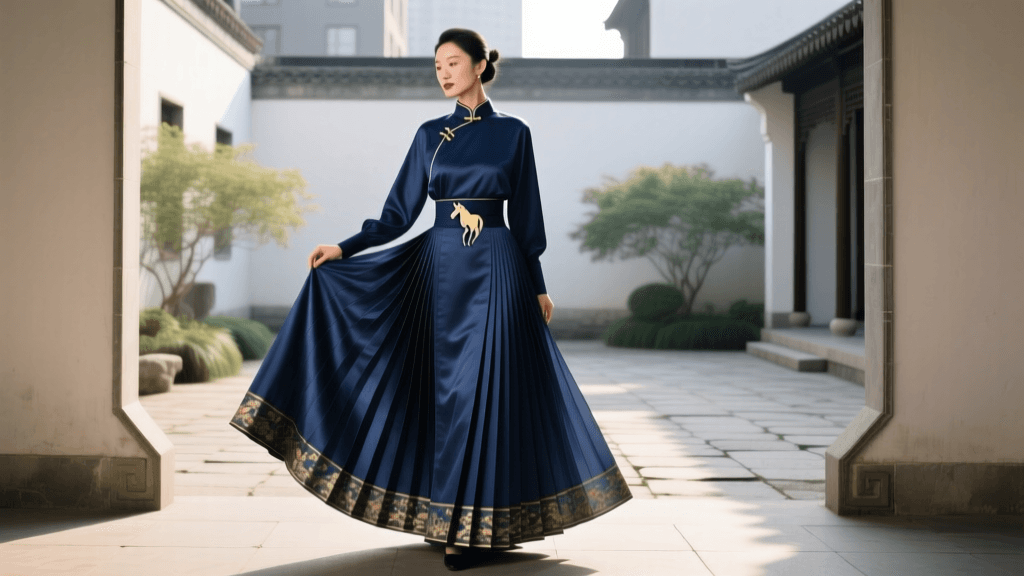
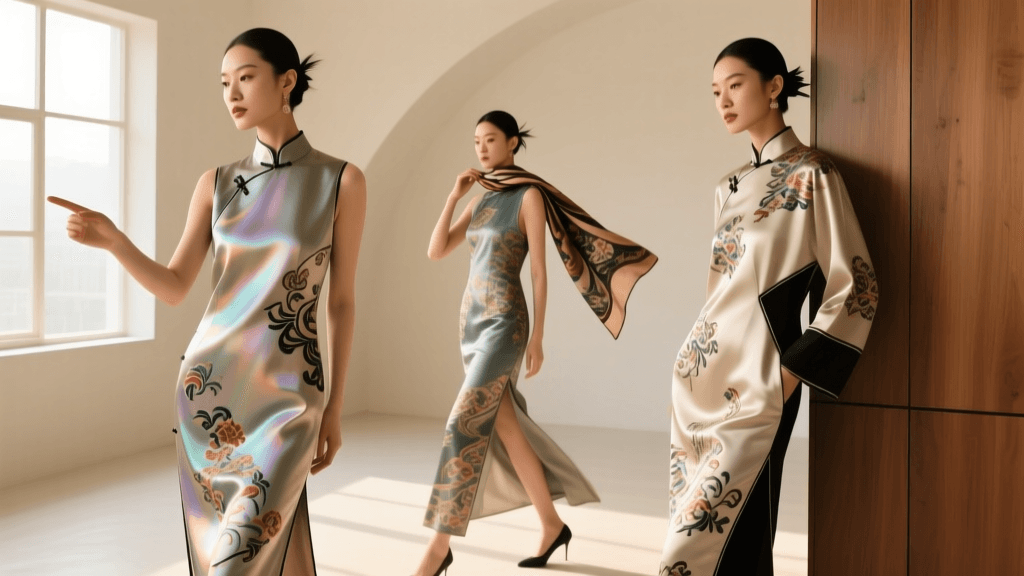
The driving force behind Xiangyunsha's popularity in 2026 is the "Xinzhongshi" (New Chinese Style) aesthetic. Unlike the strict historical accuracy demanded by the traditional Hanfu movement, Xinzhongshi encourages radical hybridization. Fashion journalists are highlighting how young designers are cutting this stiff, crackling silk into oversized blazers, cargo pants, and asymmetrical trench coats. By pairing heritage textiles with utilitarian hardware, vegan leather, and modern tech-wear silhouettes, creators are proving that traditional Asian garments can thrive in a modern, cosmopolitan wardrobe.
According to market analyses frequently cited by the South China Morning Post's fashion desk, the domestic demand for Neo-Chinese apparel has surged, with independent designers utilizing Xiangyunsha selling out their seasonal drops within minutes. Fashion bloggers are instrumental in this ecosystem, providing the styling context that makes these avant-garde pieces wearable for everyday office environments and evening social events.
Textile Breakdown: Xiangyunsha vs. Standard Mulberry Silk
To educate their followers, top Chinese fashion bloggers frequently publish comparative guides. Understanding the material science behind the garment is a hallmark of 2026's heritage fashion journalism. Below is a structured comparison frequently utilized by textile-focused creators to justify the premium pricing of authentic Gambiered Canton Gauze.
| Feature | Xiangyunsha (Gambiered Canton Gauze) | Standard Mulberry Silk (Charmeuse) | Synthetic Alternatives (Polyester) |
|---|---|---|---|
| Dyeing Process | Wild yam juice & iron-rich river mud | Chemical or standard natural dyes | Synthetic petrochemical dyes |
| Production Time | 3 to 6 months (weather-dependent) | 1 to 2 weeks | Hours (mass-produced) |
| 2026 Market Price | 800 - 1,500 RMB per meter | 150 - 300 RMB per meter | 20 - 50 RMB per meter |
| Texture & Drape | Crisp, structured, signature "crackling" sound | Fluid, soft, high-sheen drape | Stiff, artificial sheen, lacks breathability |
| Maintenance | Self-cleaning properties, spot clean only | Dry clean or delicate hand wash | Machine washable |
How to Verify Authentic Xiangyunsha: A Journalist's Guide
With the surge in demand, the market has inevitably been flooded with counterfeit Xiangyunsha. Leading fashion journalists have made it their mission to teach consumers how to authenticate genuine pieces. The China National Silk Museum frequently collaborates with digital educators to disseminate these verification standards. If you are sourcing pieces for your own wardrobe or writing about the market, look for these three hallmarks:
- The Dual-Tone Reversal: Authentic Xiangyunsha is distinctly asymmetrical in color. The front side, coated in river mud, is a deep, lustrous black or dark brown. The reverse side, which only absorbs the yam juice, is a matte, earthy brown or ochre. Fakes are often uniformly dyed black on both sides.
- The "Scroop" Sound: Genuine Gambiered Canton Gauze has a unique acoustic property. When rubbed between the fingers, it produces a crisp, rustling "crackling" sound known in the textile industry as scroop. Synthetic imitations remain silent or produce a soft, plastic friction sound.
- The Natural Imperfections: Because the silk is dried in the sun and coated by hand on grassy fields, authentic pieces often feature microscopic, organic variations in the dye lot and occasional tiny grass stains or mud specks trapped in the weave. Mass-produced fakes are flawlessly uniform.
Actionable Styling Advice from Top 2026 Creators
For readers looking to integrate Xiangyunsha into their 2026 travel or daily wardrobes, Chinese fashion bloggers recommend the following styling frameworks:
- The Corporate Contrast: Pair a structured, sleeveless Xiangyunsha Mamianqun (horse-face skirt) with a crisp, oversized white poplin button-down shirt and minimalist leather loafers. The stiffness of the silk holds architectural pleats beautifully, offering a commanding presence in boardroom settings.
- Evening Streetwear: Utilize Xiangyunsha bomber jackets or cropped blazers over monochromatic base layers. The dark, subtle sheen of the mud-dyed silk catches neon and low-light environments exceptionally well, making it a favorite for urban evening photography.
- Climate Adaptation: Despite its dark color, Xiangyunsha is highly breathable and naturally repels moisture and insects due to the tannins in the yam juice. Bloggers frequently recommend it as the ultimate luxury travel garment for humid, tropical Asian climates during the summer months.
The Future of Heritage Fashion Blogging
As we move deeper into 2026, the role of the Chinese fashion journalist continues to elevate. It is no longer enough to simply wear a beautiful garment; creators must understand its socio-economic impact on the artisan communities in Guangdong, its environmental footprint, and its historical lineage. The bloggers who thrive are those who treat fashion as a serious academic and cultural pursuit. By championing textiles like Xiangyunsha, these digital journalists are ensuring that Asian traditions are not merely preserved in glass cases, but are actively lived, worn, and evolved on the global stage.