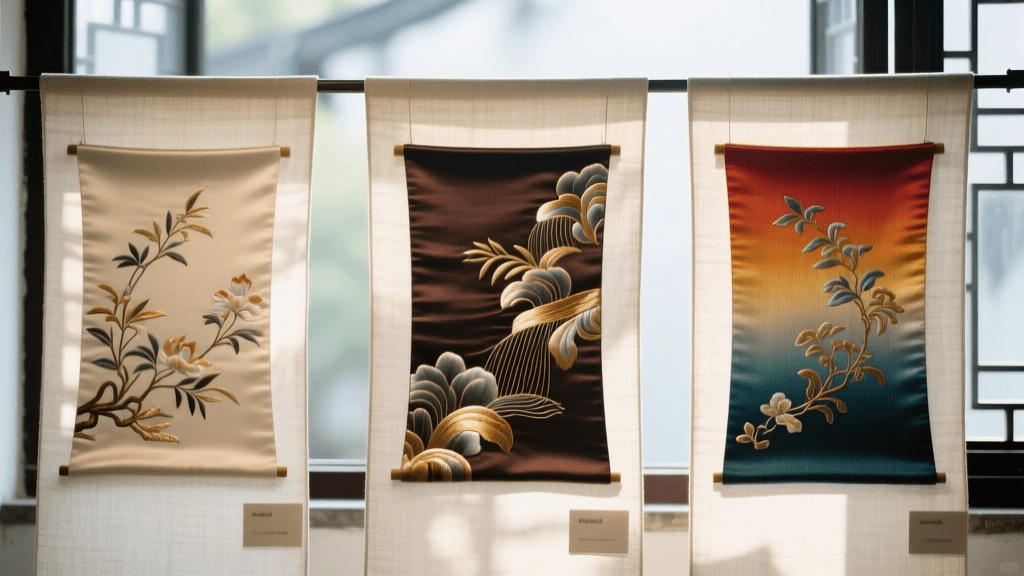
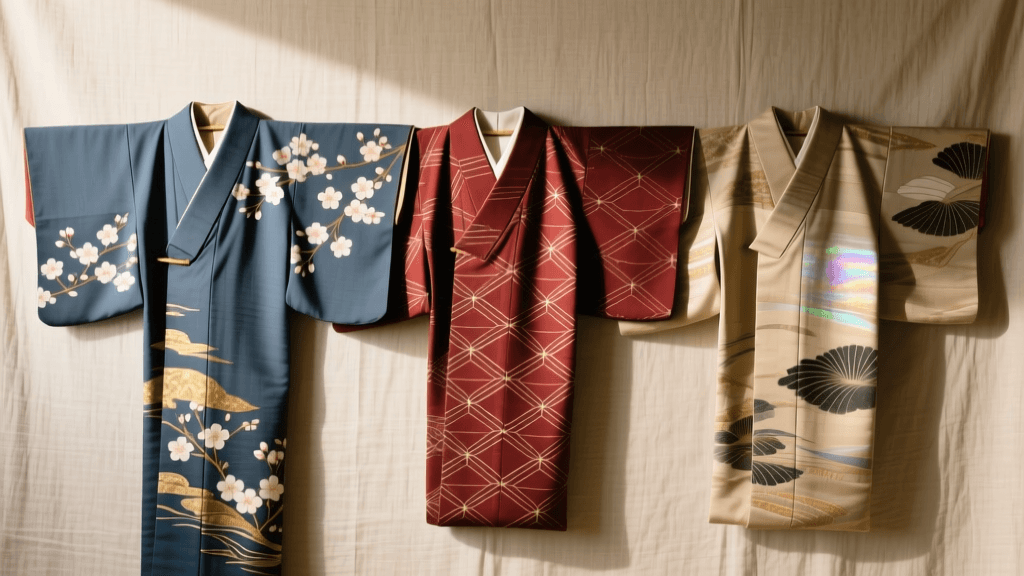
Top Chinese Fashion Blogs Championing Eco-Dyes 2026
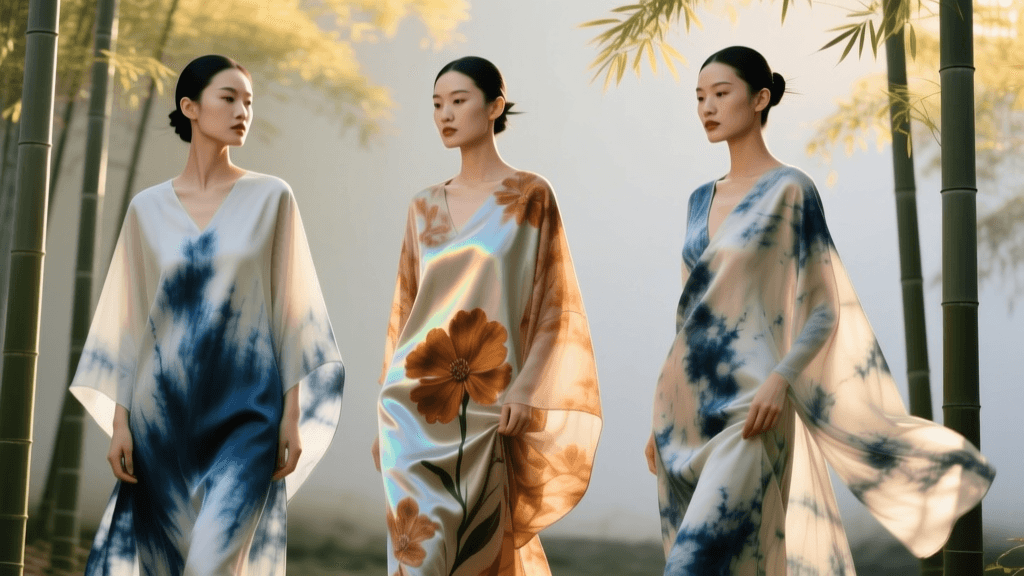
The Digital Renaissance of Chinese Heritage Textiles
In 2026, the intersection of traditional Asian craftsmanship and modern digital media has reached an unprecedented peak. Chinese fashion journalism blogs and content creators are no longer just covering global runway trends; they are actively reshaping the narrative around sustainable luxury by championing natural, eco-friendly dyeing methods. As consumers become increasingly fatigued by greenwashed fast fashion, digital creators on platforms like Xiaohongshu (RED), Douyin, and WeChat are turning their lenses toward centuries-old techniques. This shift has transformed niche heritage crafts into mainstream fashion staples, driving both cultural preservation and commercial viability.
The modern Chinese fashion journalist operates at the nexus of anthropology and editorial styling. They are documenting the meticulous, labor-intensive processes of plant-based and mineral dyeing, translating ancient methodologies into compelling visual stories for a Gen Z and Millennial audience. According to recent analyses by the Business of Fashion's sustainability hub, heritage-driven content generated by independent creators in Asia is currently seeing a 40% higher retention rate compared to standard trend-forecasting videos. This proves that audiences in 2026 are craving authenticity, transparency, and a deep connection to the origins of their garments.
Why Xiangyunsha and Plant-Based Dyes are Dominating 2026
At the forefront of this editorial movement is Xiangyunsha, also known as gambiered Guangdong silk. This extraordinary textile is dyed using the juice of the Dioscorea cirrhosa tuber and coated with the iron-rich mud of the Pearl River Delta. The result is a luxurious, dual-toned fabric that is naturally water-resistant, antimicrobial, and completely biodegradable. In 2026, Xiangyunsha has transcended its status as a regional curiosity to become a highly sought-after material in global sustainable luxury.
Fashion bloggers are captivated by Xiangyunsha not just for its environmental credentials, but for its unique sensory profile. The fabric possesses a distinct, earthy aroma and a signature crackling sound when worn—attributes that creators leverage in ASMR-style fashion vlogs. Furthermore, the unpredictable nature of the mud-dyeing process means that no two bolts of fabric are exactly alike, providing endless material for creators focusing on bespoke, one-of-a-kind wardrobes.
Beyond Xiangyunsha, creators are extensively covering traditional indigo fermentation (Lancao) and persimmon dyeing (Shiziqi). These natural dyes require immense patience and a deep understanding of local microclimates. By documenting the seasonal rhythms required to harvest and process these plants, fashion journalists are educating their audiences on the concept of slow fashion in its purest, most literal form.
Top Content Creators and Blogs Shaping the Narrative
1. The Artisan Documentarians on Xiaohongshu (RED)
Xiaohongshu remains the premier platform for aesthetic-driven, educational fashion content in 2026. The top creators in this space operate as visual anthropologists. They travel to rural workshops in Guizhou and Guangdong, embedding themselves with master dyers for weeks. Their content typically features high-resolution macro photography of the dyeing vats, detailed infographics explaining the pH levels of natural mordants, and styling guides on how to integrate traditional silhouettes into modern urban wardrobes. These creators have successfully shifted the perception of heritage garments from costumes to investment pieces.
2. High-Fashion Editorial Blogs on WeChat
While short-form video dominates discovery, long-form editorial blogs on WeChat Official Accounts remain the gold standard for deep-dive fashion journalism. Leading WeChat fashion publications in 2026 are dedicating entire monthly issues to the chemistry and history of Asian eco-dyes. These articles often feature interviews with both the rural artisans and the contemporary avant-garde designers who are utilizing these textiles on the Paris and Milan runways. The journalism here is rigorous, often citing historical texts and collaborating with textile conservationists to ensure absolute accuracy.
2026 Data: Heritage Eco-Dye Content Engagement
To understand the impact of this editorial shift, we must look at the data. The following table illustrates the engagement metrics across major Chinese social platforms for heritage eco-dye content as of the first quarter of 2026.
| Platform | Primary Content Format | Avg. Engagement Rate (2026) | Top Performing Hashtags |
|---|---|---|---|
| Xiaohongshu (RED) | Photo Carousels & Vlogs | 8.4% | #Xiangyunsha, #HeritageDye, #SlowFashion |
| Douyin | Short-form Process Videos | 11.2% | #IntangibleHeritage, #EcoFashion, #Craftsmanship |
| Long-form Editorial | 4.1% | #SustainableLuxury, #TextileHistory |
As highlighted by the South China Morning Post fashion desk, the high engagement rates on visual platforms like Douyin and Xiaohongshu are largely driven by the satisfying nature of the dyeing process. Videos featuring the dramatic color shift of indigo as it oxidizes from green to deep blue consistently achieve viral status, bridging the gap between educational journalism and viral entertainment.
The Economics of Heritage Dyes in 2026
Understanding the economic realities of these textiles is crucial for comprehensive fashion journalism. In 2026, authentic, hand-dyed Xiangyunsha commands a premium price, often ranging from $150 to $300 per meter, reflecting the intense manual labor and specific climatic conditions required for production. Content creators who transparently break down these costs for their audiences build immense trust. By explaining why a single jacket might cost upwards of $1,500, bloggers educate consumers on the true cost of sustainable labor and environmental stewardship. This economic transparency is a hallmark of the new wave of Asian fashion journalism, pushing back against the unrealistic pricing expectations fostered by fast fashion.
Actionable Guide: How to Cover Traditional Eco-Dyes
For aspiring fashion journalists and content creators looking to enter this lucrative and culturally significant niche in 2026, a strategic approach is required. It is not enough to simply photograph a beautiful garment; you must understand and communicate the intricate science and history behind it.
Sourcing and Verifying Authenticity
The commercialization of heritage textiles has inevitably led to an influx of synthetic imitations. When covering Xiangyunsha or traditional indigo, your credibility as a journalist depends on your ability to verify authenticity. Always request certification from recognized intangible cultural heritage inheritors. For Xiangyunsha, authentic pieces will have a distinct two-tone appearance (dark brown/black on one side, matte brown on the other) and will feel cool to the touch. Learning to identify the subtle scent of fermented plant matter versus chemical dyes is a crucial skill for any serious textile journalist.
Visual Storytelling and Photography Tips
Capturing the true essence of natural dyes requires specialized photographic techniques. Natural dyes possess a complex, multi-dimensional color depth that standard smartphone sensors often flatten. In 2026, top creators are utilizing mirrorless cameras with advanced color science, such as the Fujifilm X-T5 or Sony A7R V, paired with polarizing filters to manage the unique sheen of mud-coated silks. Always shoot in natural, diffused daylight to accurately represent the organic variations in the dye lot. Include macro shots of the fabric weave and the natural imperfections that prove its handcrafted origin.
Pitching to Global Editors
When pitching heritage fashion stories to international publications, focus on the intersection of ancient wisdom and modern climate solutions. Global editors in 2026 are actively seeking stories that offer tangible alternatives to petrochemical-based textiles. Frame your narrative around the carbon-negative potential of traditional farming methods used for dye plants, and highlight the socioeconomic impact of the artisan cooperatives you are featuring.
The Future of Asian Fashion Journalism
The dedication of Chinese fashion blogs and content creators to natural eco-friendly dyeing methods represents a profound shift in the global fashion media landscape. By elevating traditional techniques like Xiangyunsha and plant-based indigo to the status of high luxury, these digital journalists are ensuring that ancient knowledge is not lost to industrialization. As we move through 2026, the creators who succeed will be those who treat fashion not merely as an aesthetic pursuit, but as a living, breathing archive of human ingenuity and environmental harmony.