Su, Shu, and Yue Embroidery Techniques for Hanfu
The Living Heritage of Chinese Silk Embroidery
When we discuss traditional Chinese garments, the conversation inevitably turns to the breathtaking artistry of regional embroidery and silk dyeing. For modern Hanfu enthusiasts and traditional garment makers, understanding the nuances of China's major embroidery schools is not just an academic exercise; it is essential for selecting the right materials, techniques, and motifs for authentic wardrobe construction. According to the UNESCO Intangible Cultural Heritage listings, Chinese sericulture and silk craftsmanship form the bedrock of these textile arts, providing the foundational canvas and threads for regional masters.
While China boasts four major embroidery traditions (Su, Shu, Xiang, and Yue), three stand out as particularly relevant for high-end Hanfu and ceremonial garment creation: Suzhou (Su Xiu), Sichuan (Shu Xiu), and Cantonese (Yue Xiu). Each region developed distinct dyeing methods, stitch techniques, and aesthetic philosophies based on local climate, culture, and available flora. This guide breaks down these techniques, offering actionable advice for incorporating them into your traditional wardrobe.
Suzhou Embroidery (Su Xiu): The Pinnacle of Delicacy
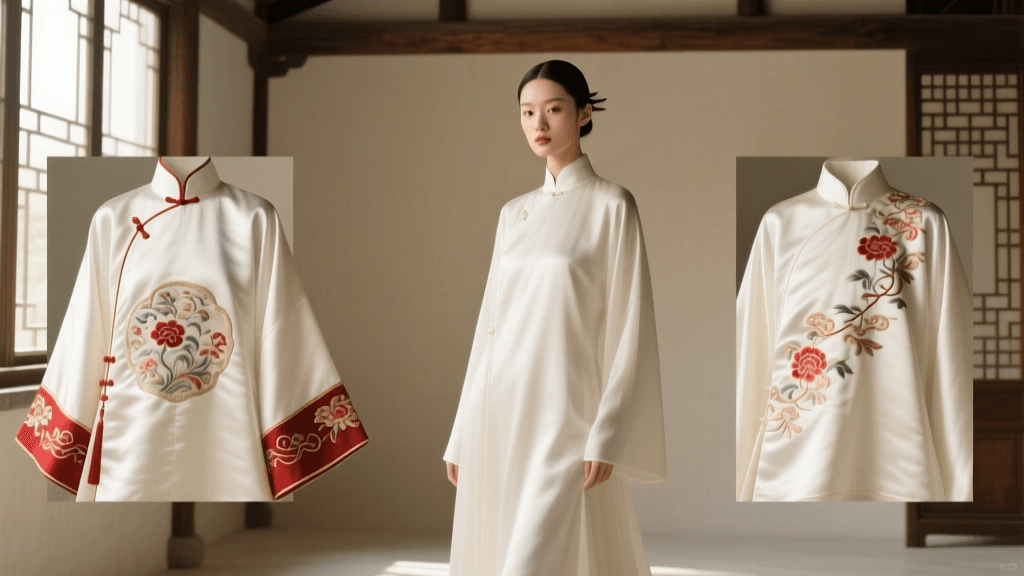
Originating from the silk-rich region of Jiangsu province, Suzhou embroidery is renowned for its extreme delicacy, elegant color palettes, and photorealistic shading. The hallmark of Su Xiu is thread splitting. A single standard silk thread (about 2mm thick) can be split by hand into 2, 4, 8, 16, 32, or even 48 microscopic strands.
Techniques and Stitches
The most famous stitch is the 'pingyin' (even stitch) and 'taozhen' (overlapping stitch), which allows for seamless color gradients. Masters use the thinnest strands (1/32 or 1/48) for shading the eyes of koi fish or the fur of cats, and thicker strands for structural outlines. Another marvel is double-sided embroidery, where the front and back of the silk gauze display different colors or entirely different motifs without any visible knots.
Actionable Advice for Hanfu Makers
- Best Applications: Su Xiu is best suited for lightweight, elegant garments like summer Ao (jackets), Ru (blouses), and delicate collar trims.
- Measurements & Sizing: For a standard Mamian skirt panel, a 40cm x 20cm Su Xiu applique takes approximately 400 to 600 hours to complete by hand.
- Cost Expectations: Authentic, hand-embroidered Su Xiu silk panels (30cm x 30cm) typically cost between $400 and $900 USD, depending on the density of the thread splitting.
- Fabric Pairing: Pair Su Xiu with lightweight silk organza, crepe de chine, or soft silk satin to maintain the drape and delicate nature of the artwork.
Shu Embroidery: Vibrant Satins and Bold Textures
Shu embroidery hails from Sichuan province and is characterized by its rich, vibrant colors, bold motifs, and heavy use of the satin stitch. Historically, the region's humid climate and abundant flora influenced the use of high-contrast natural dyes and thicker silk threads.
Techniques and Stitches
The signature technique of Shu Xiu is the 'halo stitch' (yunzhen), a variation of the satin stitch that creates a deeply textured, three-dimensional effect. Unlike the flat, glass-like finish of Su Xiu, Shu embroidery has a raised, tactile quality. The motifs often feature pandas, tigers, koi, and lotus flowers, rendered in striking reds, greens, and golds.
Actionable Advice for Hanfu Makers
- Best Applications: Due to its visual weight and texture, Shu Xiu is ideal for heavy outerwear, winter cloaks (Doupeng), and wide sleeve cuffs on formal Ming-dynasty-style robes.
- Thread Selection: Use 2-ply or 3-ply twisted mulberry silk. The twist gives the thread a slight sheen and structural integrity, preventing it from flattening under the heavy satin stitches.
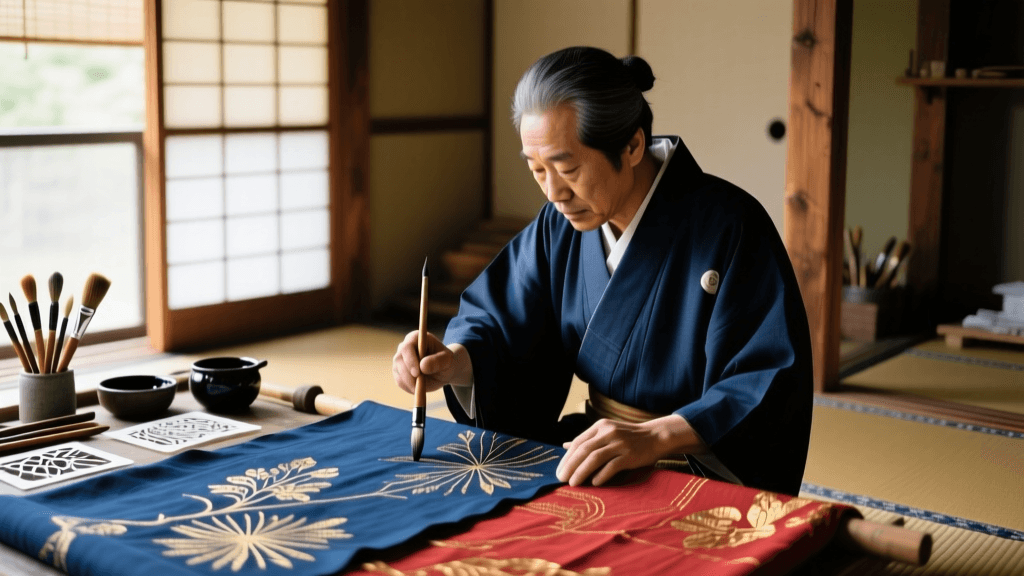
- Dyeing Context: Traditional Shu embroidery relies heavily on madder root for deep reds and indigo for rich blues. When sourcing Shu-style fabrics, look for silk that has been dyed using traditional plant-based vats, which provides a depth of color that synthetic dyes cannot replicate.
Cantonese Embroidery (Yue Xiu): Gold Threads and 3D Relief
Cantonese embroidery from Guangdong province is the most opulent and theatrical of the major styles. Heavily influenced by maritime trade and the region's wealth, Yue Xiu incorporates exotic materials, metallic threads, and complex couching techniques.
Techniques and Stitches
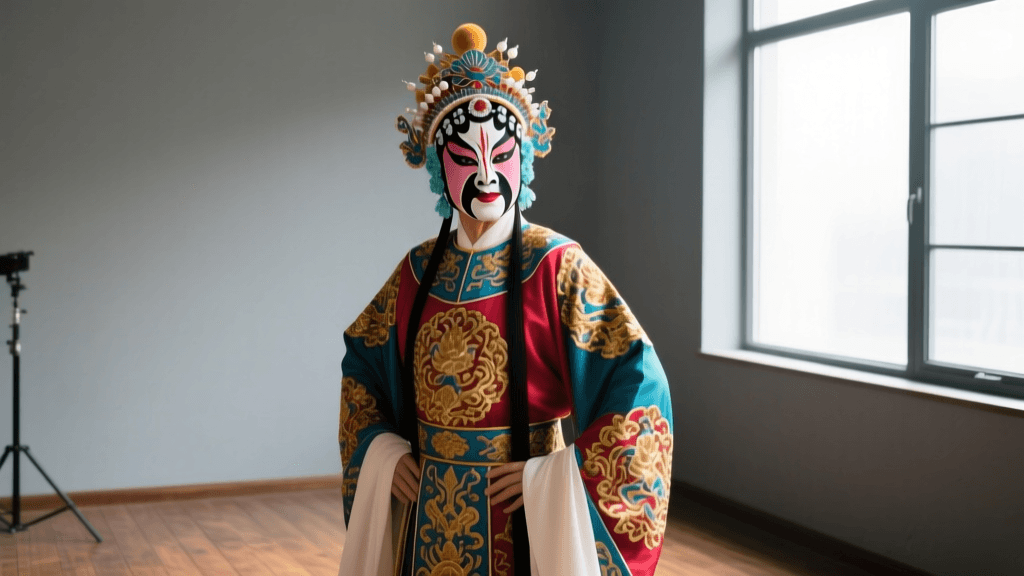
The defining feature of Yue Xiu is 'panjin' (gold couching) and 'panyin' (silver couching). Artisans lay gold or silver foil-wrapped threads over the fabric surface and stitch them down with fine silk threads. This creates a raised, heavily textured, and highly reflective surface. Motifs frequently include dragons, phoenixes, peacocks, and lychee branches, all symbolizing prosperity and luck.
Actionable Advice for Hanfu Makers
- Best Applications: Yue Xiu is the undisputed king of ceremonial and wedding garments. It is the traditional choice for the 'Kwa' (wedding jackets) and heavily embroidered Ming-style wedding robes (Fengguan Xiapei).
- Material Sourcing: For DIY projects, source 'real gold thread' (zhenjin xian), which consists of a silk or cotton core wrapped in genuine gold leaf and paper. Avoid synthetic metallic threads, which tarnish quickly and lack the authentic luster.
- Cost Expectations: A fully hand-embroidered Yue Xiu wedding Kwa with 100% gold thread coverage can cost anywhere from $3,000 to over $15,000 USD, and often takes over a year to complete.
Traditional Silk Dyeing: The Foundation of the Canvas
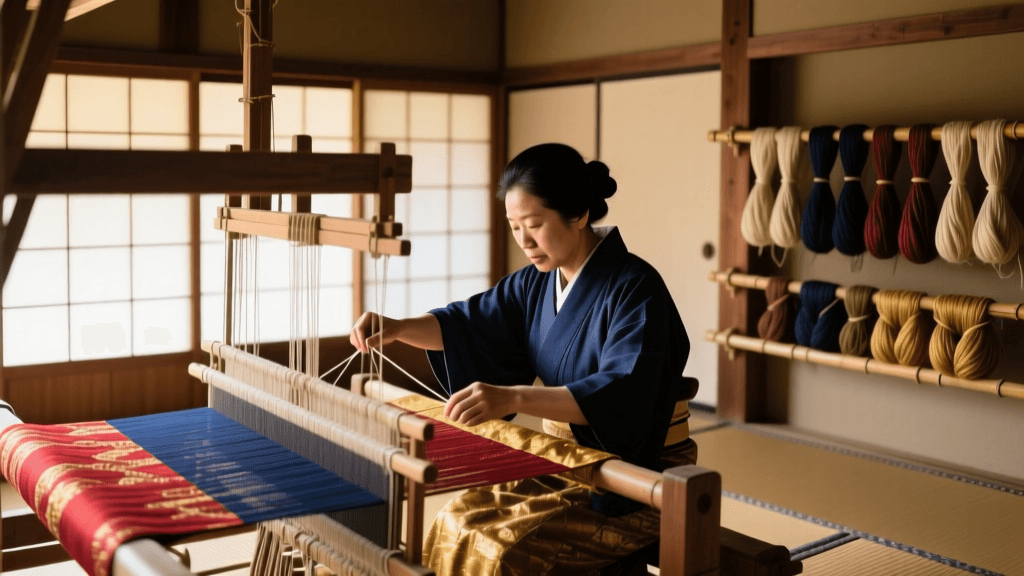
Embroidery is only as beautiful as the canvas it rests upon. Traditional Chinese garment making relies on complex plant dyeing techniques to prepare the silk base. The UNESCO-recognized Nanjing Yunjin brocade craftsmanship highlights the intricate relationship between silk weaving, dyeing, and regional textile arts.
For Hanfu makers looking to dye their own silk bases before embroidering, consider these traditional botanical sources:
- Pagoda Tree (Sophora japonica): The unopened flower buds are boiled to produce a brilliant, colorfast yellow. It requires an alum mordant to bind to the silk protein.
- Madder Root (Rubia cordifolia): Fermented and boiled to yield rich terracotta and deep crimson reds. Essential for traditional wedding garments.
- Gromwell Root (Lithospermum erythrorhizon): Used to create deep, royal purples. The roots are steeped in alcohol or warm water, as high heat destroys the purple pigment.
Pro Tip for Dyers: Always pre-mordant your silk with aluminum potassium sulfate (alum) at a ratio of 15% weight of fabric (WOF). Heat the mordant bath to exactly 80°C (176°F) and simmer for 45 minutes before introducing your natural dyes to ensure maximum colorfastness against sweat and sunlight.
Comparison Chart: Su vs. Shu vs. Yue Embroidery
Use the table below to determine which embroidery style best fits your next Hanfu project, considering budget, timeline, and garment type.
| Feature | Su Xiu (Suzhou) | Shu Xiu (Sichuan) | Yue Xiu (Cantonese) |
|---|---|---|---|
| Primary Stitch | Overlapping / Even Stitch | Halo / Satin Stitch | Gold Couching / Raised Stitch |
| Thread Type | Micro-split flat silk (1/16 to 1/48) | Thick, twisted mulberry silk | Gold/silver foil-wrapped core threads |
| Visual Texture | Flat, glass-like, photorealistic | Raised, tactile, bold gradients | Highly textured, metallic, 3D relief |
| Signature Motifs | Koi, cats, peonies, swallows | Pandas, tigers, lotus, carp | Dragons, phoenixes, peacocks, lychee |
| Best Hanfu Application | Summer blouses, collar trims, light skirts | Winter cloaks, wide cuffs, outer robes | Wedding Kwa, ceremonial jackets, formal hats |
| Relative Cost (Panel) | $400 - $900 USD | $200 - $500 USD | $1,500 - $5,000+ USD |
| Time to Complete | 300 - 600 hours | 150 - 300 hours | 800 - 2,000+ hours |
Starting Your Own Embroidered Hanfu Project
If you are transitioning from buying Hanfu to designing and embroidering your own, start with the right equipment. Do not use standard wooden embroidery hoops for silk; the tension will warp the delicate weave and leave permanent ring marks.
Essential Tools and Setup
- Slate Frames (Tiao Tai): For large pieces like Mamian skirt panels, invest in a traditional Chinese slate frame. These consist of wooden rollers and side tensioners that allow you to adjust the warp and weft tension independently, keeping the silk drum-tight without distorting the grain.
- Needles: Use ultra-fine, short-eyed embroidery needles (sizes 9 to 12). For Su Xiu, the eye of the needle must be small enough to pass through the fabric without dragging the microscopic silk fibers.
- Stabilizers: When embroidering on lightweight silk chiffon or organza, use a water-soluble stabilizer backing. This prevents the fabric from puckering under the weight of the silk threads and dissolves completely when rinsed in cool water post-embroidery.
Design Transfer Methods
Avoid using carbon transfer paper or iron-on pens on high-quality silk. Instead, use the traditional 'pricking and pouncing' method. Draw your motif on thick tracing paper, prick holes along the lines with a needle, place it over your silk, and pounce a fine charcoal or chalk powder through the holes. Connect the dots with a fine, water-soluble fabric marker. This ensures your design is perfectly scaled and easily washes out without staining the delicate silk dyes.
Conclusion
Whether you are drawn to the whisper-thin threads of Suzhou, the bold textures of Sichuan, or the opulent gold of Canton, mastering these regional techniques elevates a simple garment into a piece of wearable history. By respecting the traditional dyeing processes and selecting the appropriate embroidery style for your specific Hanfu silhouette, you contribute to the living, breathing continuation of China's magnificent textile heritage.