Chinese Fashion Bloggers Reviving Eco-Friendly Dyes 2026
The Digital Renaissance of Heritage Textiles
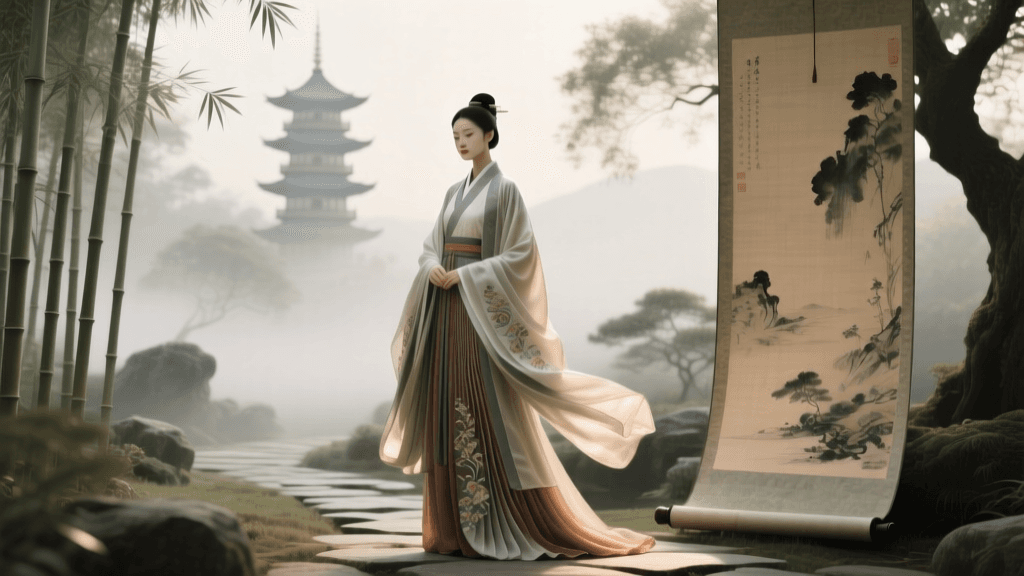
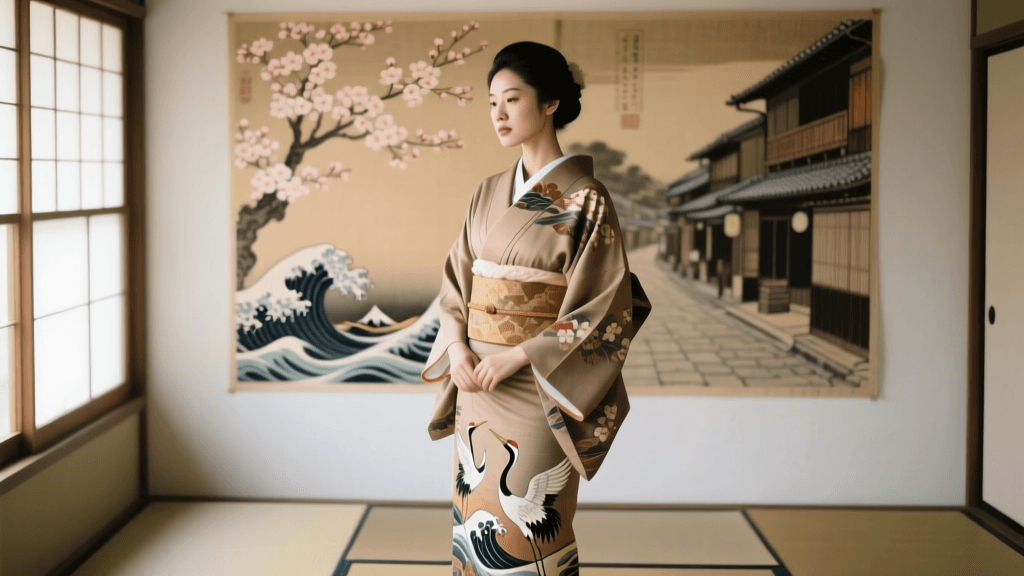
In 2026, the landscape of Chinese fashion journalism has undergone a radical and inspiring transformation. Gone are the days when digital creators and fashion bloggers solely focused on Western luxury hauls, fast-fashion styling, or superficial trend forecasting. Today, the most influential and respected voices on platforms like Xiaohongshu, Bilibili, and WeChat are investigative fashion journalists, visual ethnographers, and textile historians. These creators are championing a vital return to natural, eco-friendly dyeing methods, bridging the gap between ancient Asian traditions and modern sustainable wardrobes.
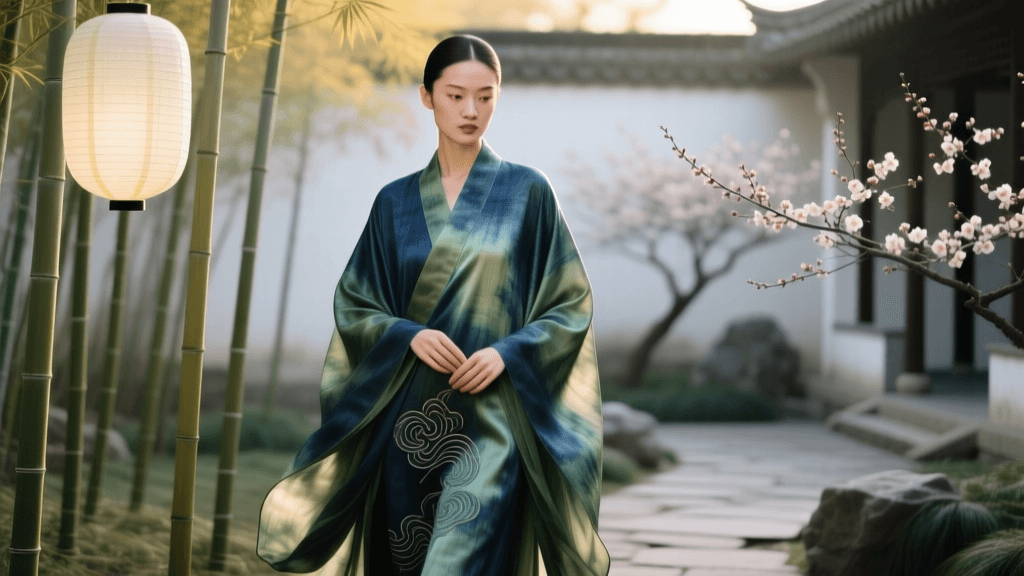
This digital renaissance is not merely a nostalgic aesthetic trend; it is a rigorous journalistic movement preserving centuries-old textile heritage while addressing urgent modern ecological concerns. As global consumers demand greater transparency in the fashion supply chain, Chinese content creators have positioned themselves at the forefront of the heritage sustainability movement, documenting everything from the fermentation of botanical indigo to the sun-baked mud-dyeing of premium silks.
Pioneering Voices in Chinese Eco-Fashion Journalism
The 2026 digital ecosystem in China rewards deep-dive educational content. Algorithms on major social platforms now heavily favor long-form video essays and meticulously researched articles that provide genuine cultural value. Within this space, three distinct archetypes of fashion journalists and creators have emerged to lead the eco-dye revival.
The Bilibili Documentarians: Capturing Xiangyunsha
On Bilibili, a platform known for its long-form video content and high-engagement弹幕 (danmaku) community, documentary-style vloggers are traveling to Shunde in Guangdong province to capture the grueling, highly specialized process of creating Xiangyunsha (gambiered silk). This centuries-old technique involves dyeing silk with the tannin-rich juice of the Dioscorea cirrhosa (a type of yam) and subsequently coating it with iron-rich river mud.
Top creators in 2026 use drone cinematography and ASMR-style audio recording to document the 30-plus dips and sun-baking sessions required to produce this luxurious, rustling fabric. By showcasing the intense physical labor and precise environmental conditions required, these digital journalists educate their millions of followers on why authentic Xiangyunsha commands a premium price, effectively protecting local artisans from mass-produced synthetic imitations.
The WeChat Analysts: The Chemistry of Plant Dyes
On WeChat, investigative fashion journalists are publishing 5,000-word multimedia essays that read like academic papers crossed with high-end editorial spreads. These writers focus heavily on the chemistry and ecology of plant dyes such as Guizhou indigo (Banlan) and madder root (Qiancao).
In 2026, the most prominent WeChat fashion columns are dedicated to 'supply-chain transparency.' Journalists visit remote villages in Yunnan and Guizhou to test the pH levels of traditional indigo vats, which are maintained using rice wine, ash, and natural fermentation. They publish water-usage reports and soil-health analyses, proving that traditional botanical dyeing, when managed correctly, leaves a significantly lower ecological footprint than modern synthetic dye houses.
The Xiaohongshu Styling Educators
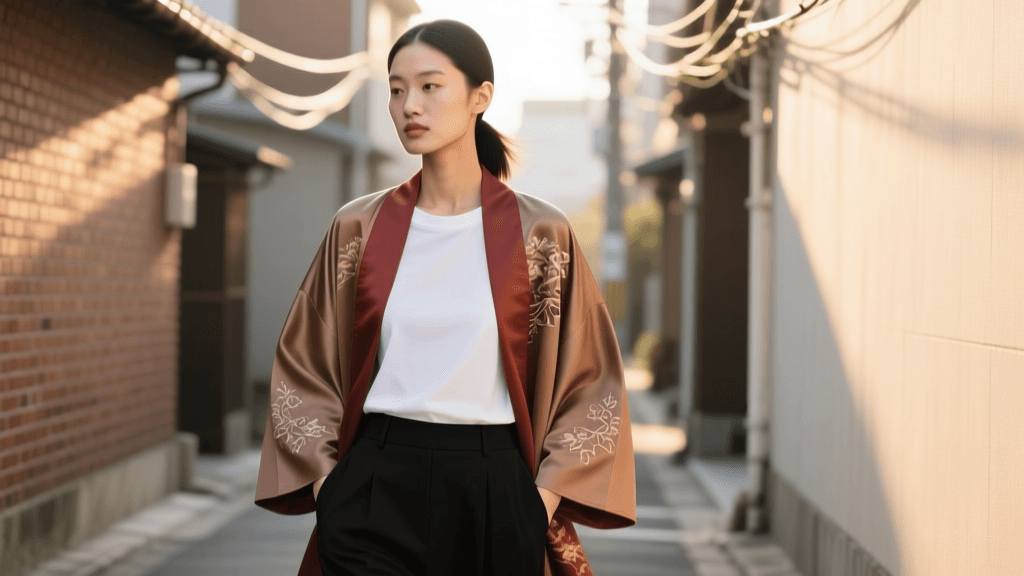
While Bilibili and WeChat handle the heavy historical and scientific lifting, Xiaohongshu (Little Red Book) serves as the visual bridge to the consumer. Here, styling influencers and fashion educators translate these complex heritage techniques into wearable 2026 urban wardrobes. They demonstrate how to integrate naturally dyed Hanfu elements, Mamianqun (horse-face skirts), and modernized Tang-style jackets into contemporary minimalist aesthetics, proving that eco-friendly heritage garments are not just museum pieces, but viable, everyday fashion.
2026 Market Data: Heritage Dyes in the Digital Spotlight
The impact of this digital journalism on the traditional garment market has been profound. By educating consumers on the value of natural dyes, creators have stabilized the incomes of rural artisans and driven up the market value of authentic heritage textiles. Below is a breakdown of the primary eco-friendly dyes being championed by Chinese fashion bloggers in 2026, along with their current market metrics.
| Heritage Dye Technique | Primary Botanical/Mineral Source | 2026 Average Cost (per meter) | Digital Engagement Focus |
|---|---|---|---|
| Xiangyunsha (Gambiered Silk) | Dioscorea cirrhosa (Yam) & Iron-rich Mud | ¥800 - ¥1,500 | Documentary Vlogs & ASMR Process Videos |
| Guizhou Indigo (Banlan) | Persicaria tinctoria (Indigo Plant) | ¥300 - ¥600 | DIY Vat Tutorials & Chemistry Breakdowns |
| Madder Root Red (Qiancao) | Rubia cordifolia (Madder Root) | ¥400 - ¥750 | Historical Accuracy & Hanfu Styling |
| Pagoda Bud Yellow (Huaimi) | Sophora japonica (Pagoda Tree Buds) | ¥250 - ¥500 | Seasonal Color Theory & Wardrobe Capsules |
The Ecological and Historical Context
The work of these modern digital journalists is deeply rooted in a historical continuum. As documented by the Metropolitan Museum of Art's Heilbrunn Timeline of Art History, the production of silk and its subsequent dyeing has been a cornerstone of Asian material culture and global trade for millennia. The natural dyes used today are the exact same botanical sources that colored the garments of the Ming and Qing dynasties.
Furthermore, the push to protect these artisanal methods aligns with global preservation efforts. The UNESCO Intangible Cultural Heritage registry highlights the critical importance of safeguarding traditional sericulture and silk production techniques. In 2026, Chinese fashion bloggers have essentially adopted this UNESCO mission as their own, using their digital platforms to ensure that the knowledge of these eco-friendly practices is passed down to a new generation of designers and consumers.
Combating Greenwashing in the Heritage Market
One of the most vital roles Chinese fashion journalists play in 2026 is acting as watchdogs against 'heritage greenwashing.' As the demand for natural dyes has skyrocketed, opportunistic manufacturers have begun using synthetic chemical dyes mixed with trace amounts of plant matter to market their fabrics as 'eco-friendly' or 'traditional.'
Leading investigative bloggers have developed rigorous, easy-to-understand testing guides for their followers. For example, they teach consumers how to perform a simple alkaline test on indigo-dyed fabrics to observe the color-shifting properties unique to natural fermentation. They also highlight the olfactory differences: authentic Xiangyunsha carries a distinct, earthy scent of dried yam and river clay, whereas synthetic knock-offs often smell faintly of acrylic binders or chemical fixatives. By empowering consumers with this knowledge, digital journalists are forcing the market to maintain strict authenticity standards.
Actionable Guide: Curating Your 2026 Digital Feed
For international enthusiasts, textile students, and sustainable fashion advocates looking to tap into this wealth of knowledge, curating the right digital feed is essential. Here is how you can find and support authentic Chinese fashion journalists and heritage creators this year:
- Master the Search Terms: On platforms like Xiaohongshu and Bilibili, use specific Mandarin keywords. Search for Zhiwuran (植物染 - plant dye), Xiangyunsha (香云纱), Feiyi Shishang (非遗时尚 - intangible heritage fashion), and Shougong Ran (手工染 - hand-dyed).
- Look for Process Transparency: Authentic creators will always show the 'messy' parts of the process—the stained hands, the massive fermentation vats, and the weather-dependent sun-drying racks. If a creator only shows the finished, perfectly uniform garment without documenting the botanical extraction, approach with skepticism.
- Support Live-Stream Artisans: Many top-tier fashion journalists now co-host live streams directly from rural dye houses. Purchasing through these verified live streams ensures that the capital goes directly to the artisan cooperatives rather than middlemen.
- Embrace Imperfection: Natural eco-dyes are inherently alive. Follow creators who celebrate the slight color gradients, the natural slubs in hand-woven silk, and the gradual, beautiful fading of botanical indigo over time. These 'flaws' are the true hallmarks of sustainable heritage.
Conclusion
The intersection of Chinese fashion journalism and traditional eco-friendly dyeing is one of the most exciting cultural movements of 2026. By leveraging the power of digital storytelling, investigative reporting, and visual styling, China's top content creators are ensuring that the vibrant, botanical colors of Asian antiquity remain a vital, sustainable, and highly relevant part of the global fashion dialogue. Through their lenses, we are reminded that true luxury is not mass-produced; it is cultivated from the earth, steeped in history, and dyed by hand.