Chinese Couture on the Global Runway: East Meets West
The Metamorphosis of Chinese Heritage in Haute Couture
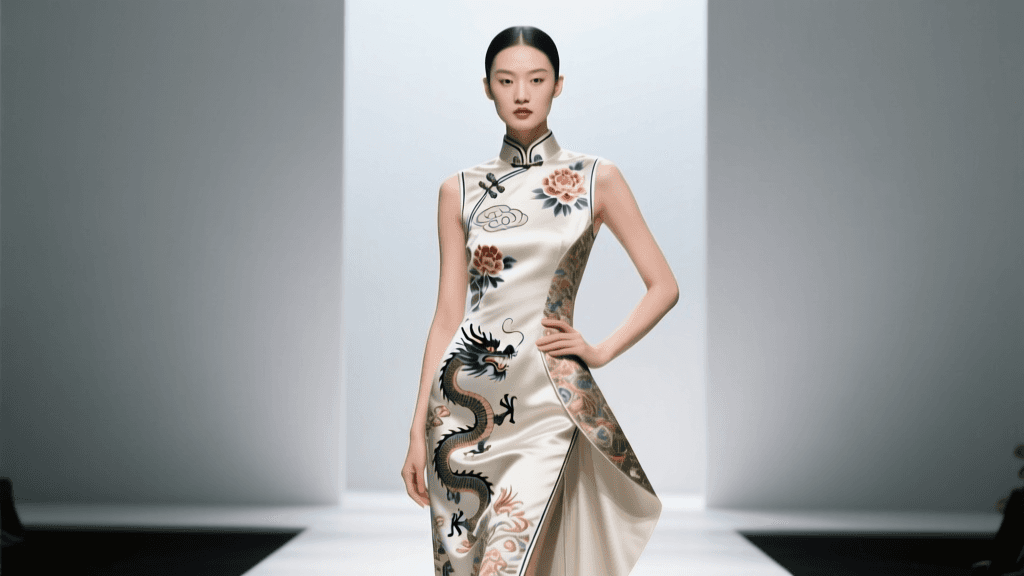
The intersection of traditional Chinese garments and international haute couture represents one of the most dynamic cross-cultural dialogues in modern fashion history. Long before the contemporary runway, Western designers were captivated by the intricate silhouettes, luxurious textiles, and profound symbolism of Chinese dress. However, the narrative has recently shifted from superficial exoticism to a deep, respectful collaboration with Chinese artisans and heritage techniques. Today, traditional Chinese fashion in international couture is not merely a trend; it is a dominant force that redefines global luxury, blending centuries-old craftsmanship with avant-garde silhouettes.
Understanding this evolution requires looking at pivotal moments in fashion history. According to The Metropolitan Museum of Art's landmark 2015 exhibition, China: Through the Looking Glass, Chinese aesthetics have consistently served as a wellspring of inspiration for Western couturiers, from Yves Saint Laurent to Tom Ford. Yet, the modern era is defined by Chinese designers themselves taking the reins on the global stage. Visionaries like Guo Pei, Uma Wang, and Huishan Zhang are translating their cultural inheritance into a universal language of high fashion. As noted in Vogue Runway's coverage of Guo Pei's Spring 2019 Couture collection, designers are now utilizing traditional Chinese embroidery, imperial color palettes, and architectural tailoring to challenge the Eurocentric dominance of the Paris and Milan runways.
Key Traditional Elements Dominating the Runway
The translation of Chinese heritage into haute couture relies heavily on specific textiles, motifs, and structural elements. One of the most prominent features is the use of regional embroidery techniques. Suzhou (Su) embroidery, known for its delicate, photorealistic silk stitching, frequently appears on couture gowns to depict peonies, cranes, and dragons. Meanwhile, the heavier, geometric patterns of Shu and Song brocades are utilized to create structured outerwear that rivals traditional European tweeds in durability and visual impact.
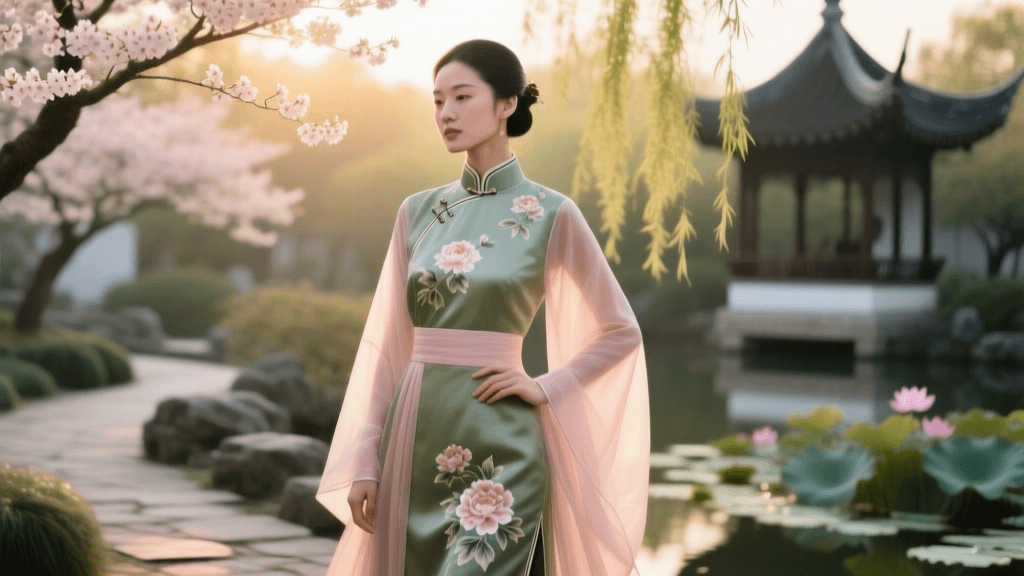
Silhouettes also play a crucial role. The jiaoling youren (cross-collared, right-over-left closure) native to Hanfu has been reimagined into asymmetrical bodices and avant-garde wrap coats. The iconic Mandarin collar, originating from the Qing dynasty and later adapted into the 1920s Qipao, is a staple in modern couture shirting and outerwear, offering a stark, elegant contrast to the Western lapel. Furthermore, the concept of fluidity in traditional Chinese dress—where garments are cut in flat, straight lines to preserve the integrity of the woven silk and drape naturally over the body—has heavily influenced the modern couture movement toward sustainable, zero-waste pattern cutting.
Traditional Motifs vs. Couture Adaptations
| Traditional Element | Historical Origin | Modern Couture Interpretation | Runway Application |
|---|---|---|---|
| Jiaoling Youren (Cross-Collar) | Hanfu (Han Dynasty onwards) | Asymmetrical wrap bodices and sculptural coats | Evening wear, avant-garde outerwear |
| Su Embroidery | Suzhou, Jiangsu Province | 3D thread work, sheer organza layering | Bridal couture, statement gowns |
| Mandarin Collar | Qing Dynasty / Republican Era | Minimalist, stiffened silk necklines | Power suiting, modernist shirting |
| Song Brocade (Songjin) | Song Dynasty | Metallic-threaded structural jacquards | Tailored blazers, corsetry, A-line skirts |
| Imperial Yellow & Cinnabar Red | Ming & Qing Dynasties | Color-blocking, monochromatic silk draping | Capes, voluminous opera coats |
Actionable Guide: Integrating Couture-Level Chinese Fashion into Your Wardrobe
While haute couture remains an exclusive realm, the aesthetic principles of Chinese runway fashion can be adapted into a sophisticated, everyday wardrobe. The key is to focus on proportion, textile quality, and subtle cultural nods rather than costume-like replication. Here is a practical guide to integrating these elements, complete with measurements, styling advice, and investment parameters.
1. The Modern Mandarin Collar Blouse
The Mandarin collar (or zhongshan collar) is a masterclass in minimalist elegance. When sourcing or tailoring a silk blouse with this neckline, precise measurements are critical for comfort and style. Opt for a collar height between 1.25 and 1.5 inches; anything taller can restrict neck movement and appear dated. The fabric should be a 19 to 22 momme mulberry silk charmeuse or crepe de chine, which provides enough weight to drape beautifully without clinging. Look for hidden plackets or subtle fabric-covered frog buttons (pankou) placed only at the top two anchor points, leaving the rest of the front clean. Expect to invest between $150 and $350 for a high-quality, ethically produced piece from contemporary Chinese designers. Pair this with high-waisted, wide-leg wool trousers to balance the structured neckline with fluid lower-body movement.
2. Investment Outerwear: The Song Brocade Jacket
For outerwear, look to the structural brilliance of Song brocade. Unlike delicate Su embroidery meant for display, Song brocade is woven with intricate, often metallic, geometric or floral patterns that are highly durable. A tailored, hip-length jacket in Song brocade serves as an exceptional alternative to the standard Western blazer. When shopping, ensure the jacket features a drop-shoulder or slightly extended shoulder seam (approximately 1 to 2 inches past the natural shoulder bone) to mimic the relaxed, dignified drape of traditional Chinese robes. The inner lining should be 100% cupro or silk to maintain breathability. Prices for authentic, hand-loomed brocade jackets range from $400 to $1,200. Style this over a simple, form-fitting black turtleneck and straight-leg denim to let the textile command attention.
3. Accessorizing with Jade and Enamel
Couture runways frequently feature accessories inspired by traditional Chinese jade carvings and cloisonné enamel work. Rather than purchasing mass-produced tourist souvenirs, invest in certified nephrite or jadeite pendants set in modern, minimalist gold or platinum mounts. A smooth, uncarved jade ping'an kou (peace buckle) measuring 20mm to 30mm in diameter, suspended on a fine 18-inch gold chain, offers a subtle, luxurious nod to Chinese heritage. For evening events, look for clutches or belts featuring modern interpretations of cloisonné, where copper wire and enamel are used to create vibrant, durable floral motifs.
4. Mastering the Imperial Color Palette
Color in traditional Chinese garments is never arbitrary; it is deeply tied to philosophy, the five elements (Wu Xing), and social hierarchy. In international couture, these colors are frequently utilized to convey power and elegance. Cinnabar red, historically associated with joy, vitality, and the fire element, is a staple in bridal and evening couture. When incorporating this into your wardrobe, opt for a deep, oxidized cinnabar rather than a bright primary red, as it pairs more seamlessly with neutral tones and gold hardware. Imperial yellow, once reserved exclusively for the emperor, translates beautifully into modern outerwear when rendered in heavy silk satin or velvet. To wear these bold hues without overwhelming your silhouette, employ the 80/20 rule: let the traditional Chinese color constitute 20% of your outfit through a statement accessory, scarf, or inner lining, while the remaining 80% consists of grounding neutrals like charcoal, navy, or ivory.
Navigating Authenticity and Cultural Appreciation
As Chinese fashion continues to dominate international runways, consumers must navigate the fine line between cultural appreciation and appropriation. The most respectful way to engage with this trend is to financially support Chinese designers, artisans, and heritage brands. Platforms like Farfetch, Net-a-Porter, and specialized boutiques increasingly carry brands like Samuel Guì Yang, which masterfully blends 1930s Shanghai tailoring with modern British menswear fabrics, or M Essential, which focuses on reviving traditional Chinese dyeing and embroidery techniques for the modern woman.
Furthermore, understanding the symbolism behind the garments elevates your appreciation of the craft. For instance, the peony represents wealth and honor, the lotus symbolizes purity and resilience, and the crane denotes longevity. Wearing these motifs with an understanding of their historical context transforms a garment from a mere aesthetic choice into a wearable piece of cultural history.
Conclusion
The presence of Chinese fashion in international couture is a testament to the timelessness of its textiles, silhouettes, and craftsmanship. By moving beyond pastiche and embracing the structural and philosophical depths of traditional Chinese garments, both global fashion houses and independent designers are forging a new paradigm of luxury. For the discerning wardrobe builder, integrating these elements offers an opportunity to wear garments that are not only visually stunning but deeply rooted in centuries of artistic excellence. Whether through a meticulously tailored Mandarin collar blouse or a striking piece of Song brocade outerwear, the influence of Chinese heritage on the global runway provides endless avenues for sophisticated, culturally rich personal styling.