Best Traditional Chinese Cloud Shoes & Boots: 2026 Style Guide
The 2026 Resurgence of Traditional Chinese Footwear
As we navigate the 2026 fashion landscape, the Xin Zhongshi (New Chinese Style) movement has evolved from a niche aesthetic into a dominant global trend. While much of the spotlight has historically fallen on garments like the Mamianqun (horse-face skirt) and the Song-style pleated skirts, traditional Chinese footwear is finally receiving the recognition it deserves. No longer relegated to ceremonial wear, historical reenactments, or wedding attire, traditional shoes and boots are now being integrated into daily, high-fashion wardrobes. Artisans and contemporary designers are collaborating to merge centuries-old embroidery techniques with modern ergonomic requirements, creating footwear that is as comfortable for a modern commute as it is visually striking. According to recent market analyses of the heritage fashion sector, demand for authentic, handcrafted traditional footwear has surged by over 40% in early 2026, driven by a younger demographic seeking cultural connection and sustainable, slow-fashion alternatives.
Understanding the Classics: Anatomy and History
Cloud Shoes (Yuntou Lu)
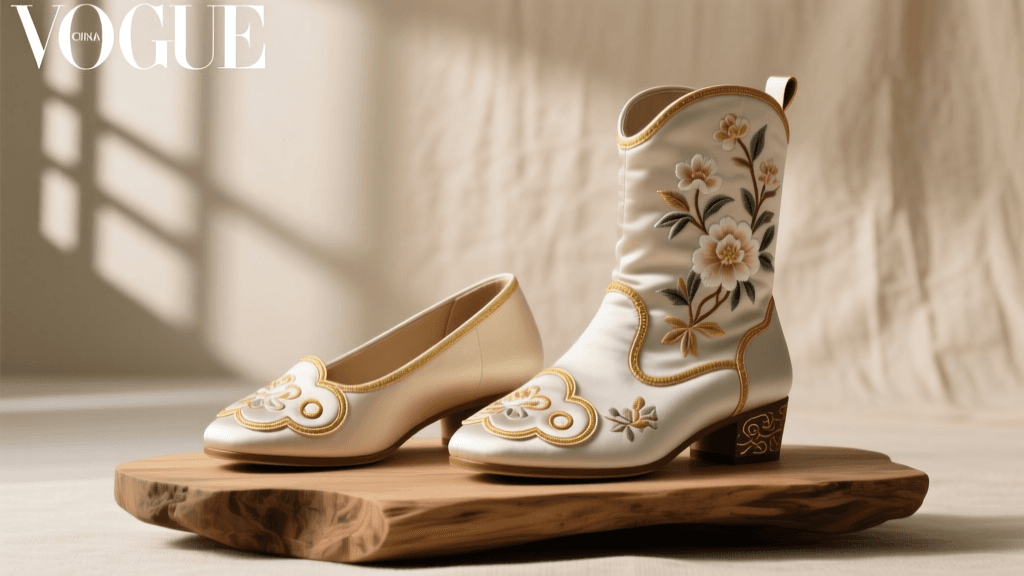
The Cloud Shoe, or Yuntou Lu (云头履), is perhaps the most iconic silhouette in Han Chinese footwear history. Characterized by its distinctive upturned toe that resembles the ruyi cloud motif, this shoe design flourished during the Ming and Qing dynasties. The upturned toe was not merely decorative; it served a practical purpose by preventing the wearer from tripping over the long, flowing hems of traditional robes and skirts. In 2026, contemporary adaptations of the Yuntou Lu maintain this elegant, sweeping silhouette but often feature a slightly lowered toe pitch to accommodate modern walking gaits and paved urban surfaces. The upper is traditionally crafted from silk or brocade, heavily embroidered with floral or auspicious motifs, while the sole was historically made from layered, compressed cotton and cloth. Today's iterations frequently incorporate hidden memory foam insoles and flexible rubber outsoles to provide the arch support and shock absorption expected in modern footwear.
Embroidered Boots (Xuezi)
While cloud shoes dominated Han civilian dress, boots (Xuezi) have a rich history rooted in the equestrian and nomadic cultures of northern Asia, later heavily integrated into Manchu and Han wardrobes during the Qing dynasty. Traditional Chinese boots are characterized by their thick, multi-layered cloth soles and uppers that extend to the ankle or mid-calf. In the context of the 2026 Xin Zhongshi movement, embroidered ankle boots have become a staple for autumn and winter styling. Modern artisans are experimenting with weather-resistant Song brocades and vegan leather trims, ensuring these historical silhouettes can withstand contemporary winter conditions. The thick sole, originally designed to protect the feet from the cold ground and provide stability in stirrups, now offers excellent insulation and a unique, structured profile that pairs beautifully with wide-leg trousers and tailored wool coats.
2026 Buyer's Guide: Materials, Sizing, and Artisans
Purchasing traditional Chinese footwear in 2026 requires an understanding of both historical materials and modern sizing conventions. Authentic artisan pairs typically range from $150 to $550 USD, reflecting the intensive labor required for techniques like Suzhou embroidery (Su Xiu). When shopping, it is crucial to look for sellers who provide detailed size conversions, as traditional Asian sizing often runs narrower and slightly smaller than Western equivalents. Many premium heritage brands now offer custom-width options to accommodate a wider variety of foot shapes without compromising the sleek, traditional silhouette.
| Footwear Type | Primary 2026 Materials | Best Season | Styling Scenario |
|---|---|---|---|
| Cloud Shoes (Yuntou Lu) | Mulberry Silk, Cotton-blend Brocade | Spring / Summer | Pairing with lightweight Mamianqun or linen dresses |
| Embroidered Ankle Boots | Heavy Brocade, Vegan Leather Accents | Autumn / Winter | Wide-leg wool trousers, tailored overcoats |
| Platform Flower Pot Shoes | Silk Satin, Carved Wood/Resin Base | Spring / Autumn | Ceremonial wear, high-fashion editorial styling |
| Everyday Embroidered Slippers | Velvet, Soft Cotton, Silk Thread | All Seasons (Indoor) | Loungewear, indoor cultural events, tea ceremonies |
Decoding Embroidery Motifs for 2026 Wardrobes
The embroidery on traditional Chinese footwear is a visual language, conveying blessings, status, and philosophical concepts. When selecting a pair in 2026, understanding these motifs allows you to align your footwear with your personal intentions or the specific nature of an event. The preservation of these techniques is vital, with organizations like UNESCO Intangible Cultural Heritage actively recognizing and protecting traditional silk craftsmanship and embroidery methods that are heavily utilized in premium footwear production.
- Peony (Mudan): Known as the king of flowers, the peony symbolizes wealth, honor, and prosperity. It is a highly popular motif for spring collections and celebratory events.
- Lotus (Lianhua): Representing purity, enlightenment, and resilience, the lotus is often featured on summer footwear, symbolizing beauty rising from muddy waters.
- Bat (Fu): A visual pun for 'good fortune,' bats are frequently stylized in geometric patterns along the borders of cloud shoes, inviting luck to the wearer's path.
- Plum Blossom (Meihua): Symbolizing perseverance and hope, plum blossoms are a staple on winter boots, representing vitality in the face of harsh conditions.
How to Style Traditional Footwear Today
The key to mastering the Xin Zhongshi aesthetic in 2026 is balance. Traditional footwear is inherently ornate, featuring rich textures, vibrant colors, and intricate embroidery. Therefore, it is often best to let the shoes serve as the focal point of your lower half. For a contemporary look, pair a classic pair of upturned Cloud Shoes with a flowing, solid-colored linen midi-skirt or wide-leg Hakama-style trousers. This allows the intricate toe embroidery to peek out elegantly with every step. If you are wearing a highly patterned Mamianqun, opt for Cloud Shoes in a complementary, muted tone that picks up a secondary color from the skirt's weave, rather than competing with the primary colors.
For colder months, embroidered ankle boots offer incredible versatility. They look exceptionally grounded when paired with cropped, straight-leg denim or heavy wool trousers that graze the top of the boot. The juxtaposition of rugged, modern fabrics like denim or tweed with the delicate, historical elegance of silk brocade creates a striking, fashion-forward silhouette that defines the 2026 heritage-chic trend. Exploring historical references can further inspire your styling; institutions such as Victoria and Albert Museum's Asian Collections and The Metropolitan Museum of Art's Asian Art Collection offer extensive digital archives of historical garments and footwear, providing endless inspiration for color pairing and proportion.
Essential Care and Maintenance for Silk and Brocade
Investing in handcrafted traditional footwear means committing to a rigorous care routine. Silk and brocade are highly susceptible to moisture, UV degradation, and friction. In 2026, the standard for maintaining these garments involves a combination of traditional wisdom and modern preservation technology.
Cleaning: Never machine wash or submerge embroidered silk shoes in water. For minor scuffs on the fabric upper, use a soft, dry brush (like a clean makeup brush) to gently lift dust from the embroidery threads. If a stain occurs, consult a professional textile conservator or a dry cleaner who specializes in heritage silks. For the rubber or composite soles, a simple wipe with a damp cloth and mild soap is sufficient.
Storage: Proper storage is critical to prevent the silk from rotting or the embroidery threads from snapping. Store your shoes in breathable, acid-free cotton dust bags. Avoid plastic containers, which can trap moisture and cause mildew. Insert cedar shoe trees or stuff the toes with acid-free tissue paper to maintain the structural integrity of the upturned toe and prevent the brocade from creasing.
Moisture and UV Control: Keep your footwear away from direct sunlight, which will rapidly fade the vibrant silk dyes and weaken the fibers. If you live in a humid climate, place silica gel desiccant packets inside the dust bags to control ambient moisture. Rotate your pairs regularly to allow the natural fibers and modern insoles to air out and decompress between wears.
Conclusion
Traditional Chinese footwear, from the elegant sweep of the Cloud Shoe to the structured warmth of the embroidered boot, represents a profound intersection of art, history, and daily life. As the Xin Zhongshi movement continues to mature in 2026, these shoes offer a unique opportunity to step into history while walking firmly in the present. By understanding their origins, selecting high-quality artisan pieces, and committing to their careful maintenance, you can seamlessly integrate these masterpieces of Asian tradition into your modern wardrobe, ensuring their legacy continues with every step you take.