Chinese Natural Dye Plants: 2026 Eco-Friendly Dyeing Guide
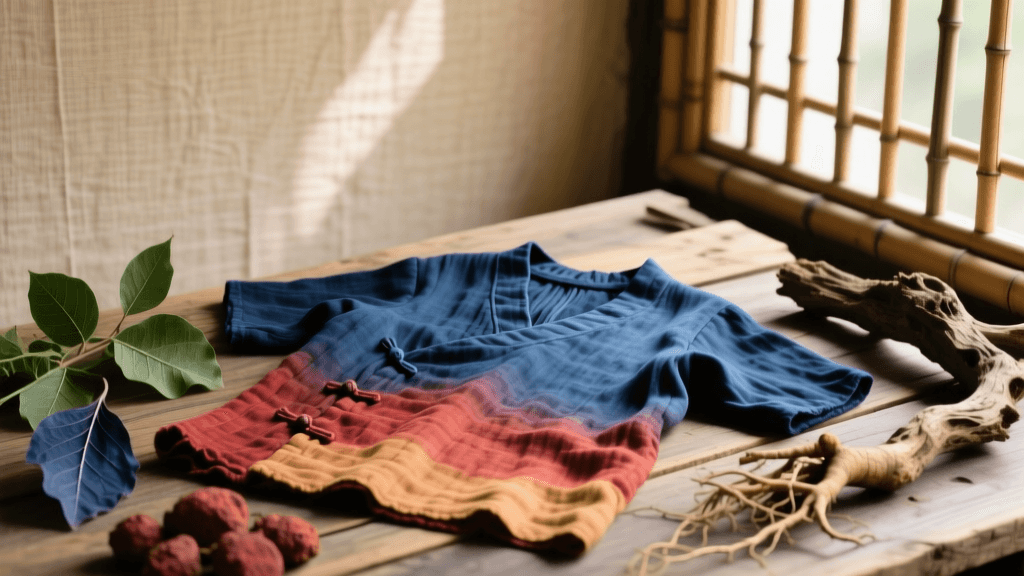
The Renaissance of Cao Mu Ran in 2026
As the global fashion industry faces mounting pressure to adopt circular and regenerative practices in 2026, traditional Asian textile arts are experiencing a profound renaissance. At the forefront of this movement is Cao Mu Ran (草木染), the ancient Chinese art of natural plant dyeing. Once overshadowed by the rise of cheap, toxic synthetic azo dyes in the 20th century, natural dyeing is now celebrated for its biodegradable properties, low water toxicity, and deep cultural resonance. For modern artisans, Hanfu enthusiasts, and sustainable fashion designers, mastering Chinese natural dye plants offers a pathway to create vibrant, eco-friendly garments that honor centuries of heritage while meeting the stringent environmental standards of 2026.
Historically, Chinese dyers utilized a vast botanical pharmacy to color silk, hemp, and ramie. According to the Metropolitan Museum of Art's Heilbrunn Timeline of Art History, the mastery of botanical dyes in China dates back thousands of years, with specific colors denoting social status, seasons, and ceremonial importance. Today, the revival of these techniques is not merely an exercise in historical reenactment; it is a vital component of the sustainable fashion ecosystem. By leveraging indigenous flora and zero-waste extraction methods, contemporary dyers are proving that luxury and ecological responsibility can coexist beautifully.
Top Chinese Natural Dye Plants for Sustainable Garments
The foundation of Cao Mu Ran lies in understanding the unique chemical properties of native Asian plants. Unlike synthetic dyes that rely on petrochemicals, these botanical sources provide complex, multi-tonal hues that age gracefully over time. Below are the most prominent Chinese natural dye plants utilized by eco-conscious artisans in 2026.
1. Indigo (Lan Cao / 蓝草)
Chinese indigo, primarily derived from Polygonum tinctorium (Japanese knotweed) and Isatis tinctoria (Woad), is the cornerstone of traditional blue dyeing. The leaves are fermented to create an alkaline vat. In 2026, modern eco-dyers use organic fructose or henna to reduce the indigo vat, avoiding the toxic sodium hydrosulfite (thiox) commonly used in commercial denim production. The result is a deep, living blue that possesses natural antibacterial properties, making it highly sought after for wellness-focused meditation wear and everyday Hanfu.
2. Madder Root (Qian Cao / 茜草)
Rubia cordifolia, known as Indian or Chinese madder, yields a spectacular range of reds, oranges, and terracottas. The active dye molecule, alizarin, binds exceptionally well to protein fibers like silk and wool. Madder has been used since the Han Dynasty to dye ceremonial garments. Today, sustainable farms in the Yunnan and Sichuan provinces cultivate madder using regenerative agriculture, ensuring the soil is enriched rather than depleted after the roots are harvested.
3. Pagoda Tree (Huai Mi / 槐米)
The dried flower buds of the Sophora japonica (Pagoda Tree) produce a brilliant, colorfast yellow. Rich in rutin, these buds require minimal heat to extract their pigment, making them incredibly energy-efficient for home dyers. When combined with an iron mordant, the bright yellow shifts into a sophisticated olive or deep forest green, a favorite for scholarly robes in traditional Chinese aesthetics.
4. Gromwell (Zi Cao / 紫草)
Lithospermum erythrorhizon, or Gromwell, is prized for its exquisite purple and magenta hues. Beyond its aesthetic value, Gromwell is a staple in Traditional Chinese Medicine (TCM) for its skin-soothing properties. Garments dyed with Gromwell are often used for children's clothing and intimate apparel in 2026, bridging the gap between fashion and holistic wellness.
Botanical Dye Profile Comparison
| Plant (Common / Pinyin) | Botanical Name | Primary Color Yield | Recommended Eco-Mordant | Lightfastness Rating |
|---|---|---|---|---|
| Indigo / Lan Cao | Polygonum tinctorium | Deep Blue | None (Vat Dye) | Excellent |
| Madder / Qian Cao | Rubia cordifolia | Red / Terracotta | Alum / Soy Milk | Very Good |
| Pagoda Tree / Huai Mi | Sophora japonica | Bright Yellow | Alum / Titanium | Good |
| Gromwell / Zi Cao | Lithospermum erythrorhizon | Purple / Magenta | Alum / Iron | Fair to Good |
| Tea / Cha Ye | Camellia sinensis | Brown / Grey | Iron (for dark tones) | Fair |
The 2026 Eco-Friendly Dyeing Process: Step-by-Step
Achieving professional, colorfast results with Cao Mu Ran requires precision, patience, and an understanding of natural chemistry. The modern 2026 methodology prioritizes water conservation and non-toxic mordants. According to resources from Botanical Colors, preparing the fiber correctly is just as critical as the dye bath itself.
Step 1: Scouring and Preparation
Natural fibers must be stripped of manufacturing oils, waxes, and pectins. For cellulose fibers (cotton, hemp, ramie), simmer the fabric in a solution of water and pH-neutral soap or soda ash (1 tablespoon per gallon) for 60 minutes. For protein fibers (silk, wool), use a gentle, olive-oil-based castile soap and keep the temperature below 60°C (140°F) to prevent fiber degradation. Rinse thoroughly in cool water.
Step 2: Eco-Conscious Mordanting
Mordants act as the chemical bridge between the fiber and the dye. In 2026, the industry has largely moved away from heavy metal mordants like chrome and copper due to groundwater contamination risks.
- Alum (Potassium Aluminum Sulfate): The standard eco-mordant. Use 15% Weight of Fiber (WOF) for protein fibers, and 20% WOF for cellulose fibers. Dissolve in hot water before adding the damp fabric.
- Soy Milk Binder: A traditional Asian technique gaining massive popularity. Dilute organic soy milk with water (1:1 ratio). Submerge cellulose fibers and let them air dry. The soy proteins coat the plant fibers, allowing them to absorb dye as readily as silk.
- Iron (Ferrous Sulfate): Used as a modifier to 'sadden' or darken colors. Use sparingly at 2-3% WOF, as excess iron will degrade the fabric over time.
Step 3: The Dye Bath and Oxidation
Extract the dye by simmering the plant material (typically 100% WOF of dyestuff) in water for 45 to 60 minutes. Strain the liquid through a fine mesh. Add the mordanted, damp fabric to the dye bath. Maintain a gentle simmer (around 70°C) for 45 minutes, stirring occasionally with a wooden spoon to ensure even coverage.
For vat dyes like indigo, the process is entirely different. The fabric is submerged in an alkaline, oxygen-depleted vat (yellow-green in color). Upon removal, the fabric must be exposed to the air, allowing atmospheric oxygen to oxidize the dye, magically transforming it from yellow to a vibrant, permanent blue. Multiple dips are required to achieve darker shades.
Sustainability Metrics: Natural vs. Synthetic Dyes
The environmental imperative for adopting Cao Mu Ran has never been clearer. The Textile Exchange Knowledge Center highlights that conventional textile dyeing and finishing account for approximately 20% of global industrial water pollution. Synthetic dyes often contain heavy metals, formaldehyde, and AZO compounds that persist in waterways, devastating aquatic ecosystems and entering the human food chain.
Conversely, Chinese natural plant dyes are 100% biodegradable. The spent botanical matter from the dye bath can be directly composted, returning vital nutrients to the soil. Furthermore, the water used in natural dyeing, provided eco-friendly mordants like alum are used, can be safely neutralized and used to irrigate ornamental gardens. In 2026, several boutique Hanfu brands have begun implementing 'closed-loop' water systems in their dye houses, filtering and reusing dye bath water up to five times before disposal, drastically reducing their water footprint.
Sourcing and Best Practices for Modern Artisans
To ensure your practice remains truly sustainable, sourcing is paramount. Avoid foraging endangered wild plants. Instead, purchase dried dyestuffs from certified organic farms or reputable botanical suppliers who practice ethical wildcrafting. In 2026, blockchain-enabled supply chains allow dyers to trace the origin of their madder root or indigo leaves directly back to the cooperative farms in rural China, ensuring fair wages and regenerative farming practices.
When storing natural dyes, keep them in airtight, UV-protected containers to preserve their potency. Label everything with the harvest date and botanical name. Remember that natural dyes are inherently sensitive to pH shifts; a dash of white vinegar can brighten reds, while a pinch of baking soda can shift yellows toward mustard. Embrace these slight variations—they are the hallmark of a living, breathing garment that connects the wearer to the earth and the rich tapestry of Asian traditions.
Conclusion
The practice of Cao Mu Ran is more than a historical curiosity; it is a vital, living tradition that offers a sustainable blueprint for the future of fashion. By integrating Chinese natural dye plants like indigo, madder, and pagoda tree into modern garment creation, artisans and designers in 2026 are weaving ecological stewardship directly into the fabric of their work. Whether you are dyeing a flowing Ming-style Hanfu skirt or a simple linen meditation tunic, the ancient wisdom of plant dyes ensures that your wardrobe is as kind to the planet as it is beautiful to the eye.