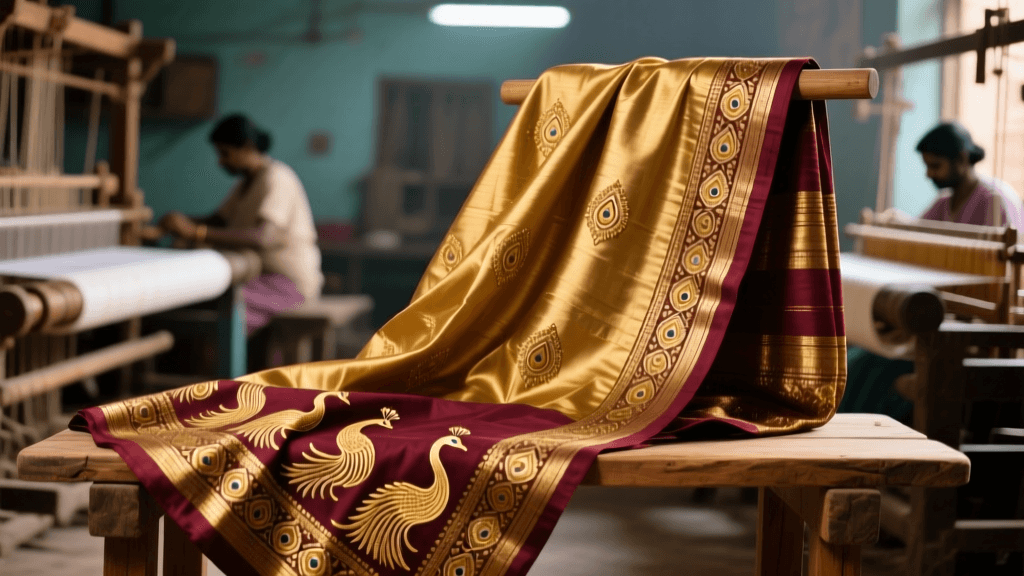
Buying Authentic Banarasi Silk Sarees Online: 2026 Guide
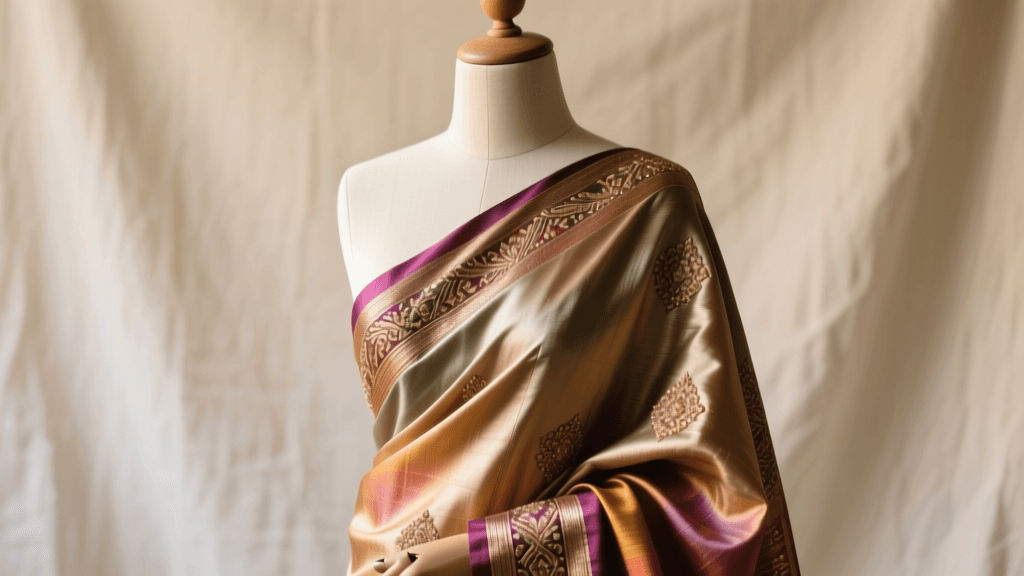
The Evolution of Banarasi Silk Shopping in 2026
The Banarasi silk saree is more than just a garment; it is a masterclass in Indian heritage, representing centuries of intricate weaving, cultural storytelling, and artisanal mastery. However, as global demand for South Asian traditional wear has surged, the online marketplace has become saturated with power-loom replicas and synthetic blends masquerading as authentic handloom silk. For the modern buyer in 2026, navigating this digital landscape requires a blend of traditional knowledge and modern technological verification. Whether you are shopping for a bridal trousseau or a festive wardrobe addition, understanding how to source genuine Banarasi silk online is essential to protect both your investment and the livelihoods of the weavers in Varanasi.
The Rise of Digital GI Verification and Blockchain Tracing
One of the most significant advancements in traditional garment e-commerce is the integration of Geographical Indication (GI) verification. The GI tag is a legal certification that guarantees a product originates from a specific region and possesses qualities or a reputation due to that origin. According to the Ministry of Textiles, Government of India, efforts to digitize and protect handloom weavers have accelerated, leading to the 2026 standard of NFC-enabled and QR-coded GI tags woven directly into the saree's fall or attached via tamper-proof labels.
When shopping online, authentic retailers will provide high-resolution images of the GI certificate and the unique serial number associated with the weave. Many premium platforms now allow buyers to scan a digital QR code via their smartphone before the garment even ships, linking the specific saree to the artisan cooperative in Varanasi that produced it. This digital provenance ensures that the intricate Katan or Organza weave you are purchasing was genuinely crafted on a traditional pit loom, rather than mass-produced in a synthetic textile mill.
Top Online Marketplaces for Banarasi Sarees in 2026
Not all e-commerce platforms are created equal when it comes to heritage textiles. While massive global marketplaces offer convenience, specialized heritage platforms provide the curation and authenticity guarantees required for luxury handloom garments. Below is a comparison of the most reliable online avenues for purchasing Banarasi silk in 2026.
| Platform | Best For | Price Range (USD) | Authenticity Guarantee |
|---|---|---|---|
| Tilfi Banaras | Premium Katan Silk & Bridal | $200 - $1,500 | In-house Artisans, GI Certified |
| Holy Weaves | Direct Weaver Connect & Heritage | $150 - $900 | Silk Mark & GI Tagged |
| Karigari Marketplace | Vintage, Heirloom & Rare Weaves | $300 - $2,500 | Expert Vetted, Provenance Docs |
| Etsy (Curated Sellers) | Global Shipping & Boutique Finds | $120 - $600 | Varies (Must verify Silk Mark) |
| UP Handloom Emporium | Government-Backed Fair Trade | $100 - $500 | State-Guaranteed Authenticity |
How to Spot Fakes: Silk Mark, Zari, and Weave Analysis
The most critical skill for an online Banarasi shopper is the ability to spot fakes through digital media and certification checks. In 2026, counterfeiters have become adept at mimicking the visual sheen of silk using high-grade polyester and metallic-plastic yarns. Here is how you can verify authenticity before clicking 'purchase'.
1. The Silk Mark Certification
The Silk Mark Organisation of India (SMOI) is the ultimate authority on silk purity. A genuine Banarasi silk saree will feature the Silk Mark label, which includes a unique holographic QR code. Reputable online sellers will display this label clearly in their product galleries. If a seller claims the saree is 'pure silk' but cannot provide a verifiable Silk Mark number or high-resolution images of the tag, proceed with extreme caution.
2. Analyzing the Zari (Metallic Thread)
Traditional Banarasi sarees are famous for their opulent zari work. Authentic Sona Rupa zari consists of a silk core wrapped in flattened silver wire, which is then electroplated with pure gold. In contrast, modern 'plastic zari' or 'tested zari' uses synthetic cores and copper or aluminum coatings that tarnish quickly. When viewing product photos online, look closely at the reverse side of the pallu (the decorative end of the saree). Genuine handloom zari will show the intricate interlocking of threads, whereas machine-made zari often looks flat and overly uniform. Furthermore, authentic zari has a subtle, muted golden glow, while synthetic zari often appears excessively shiny and brassy.
3. The Handloom Imperfection Test
Power-loom fabrics are mathematically perfect. Handloom fabrics, however, carry the signature of the human hand. Ask the seller for macro-lens close-ups of the motif borders. You should look for slight, almost imperceptible irregularities in the weave tension or minor pinholes along the selvedge where the loom's pins held the fabric taut. These 'flaws' are actually the ultimate proof of handcrafted authenticity.
2026 Pricing Guide: What to Expect by Fabric and Technique
Pricing for authentic Banarasi silk has shifted in 2026 due to the rising costs of raw mulberry silk and pure silver zari. Understanding the baseline pricing helps you avoid 'too good to be true' discounts that usually indicate synthetic blends. Below is a structured pricing guide based on fabric type and weaving technique.
| Fabric Type | Weave Technique | 2026 Price Range (USD) | Best Occasion |
|---|---|---|---|
| Pure Katan Silk | Kaduwa Brocade | $250 - $1,200 | Weddings, Major Ceremonies |
| Kora Silk (Organza) | Cutwork / Buti | $120 - $450 | Festivals, Daytime Events |
| Banarasi Georgette | Jangla / Tanchoi | $180 - $600 | Receptions, Evening Parties |
| Tussar Silk Blend | Minimal Zari / Meenakari | $90 - $200 | Casual Wear, Office Festive |
| Shattir Silk | Contemporary Butidar | $110 - $250 | Lightweight Festive Wear |
Understanding the Weaving Techniques
To shop intelligently, you must understand the terminology used in product descriptions. Kaduwa is a highly prized technique where the extra weft threads are woven tightly so they do not dangle on the back of the fabric, making the saree reversible and incredibly durable. Cutwork, on the other hand, involves cutting the extra threads at the back, which is less labor-intensive and therefore more affordable. Tanchoi is a complex weave that uses multiple colored wefts to create a dense, embossed pattern without the use of heavy zari, making it a favorite for those who prefer lightweight, matte-finish elegance.
Sizing, Draping, and Blouse Stitching Considerations
Unlike Western garments, a saree is an unstitched drape, typically measuring between 5.5 to 6.5 meters in length and 1.1 to 1.2 meters in width. When buying online, always check the exact meterage, as some modern 'half-sarees' or pre-draped versions are sold for convenience but lack the traditional versatility. Most authentic Banarasi sarees come with an attached 'blouse piece'—an extra 0.8 meters of fabric woven into the end of the saree, often featuring a contrasting border or heavy motif designed specifically to be tailored into a fitted bodice.
For international buyers in 2026, many premium platforms now offer integrated virtual draping tools and bespoke blouse stitching services. You can input your exact measurements, and the platform's tailors will construct a customized, fully lined blouse with traditional hook-and-eye closures, shipping it alongside the saree. If you opt for this service, ensure you provide your bust, underbust, waist, and shoulder measurements in inches, and specify whether you prefer a standard round neck, a deep back with dori (tassel) ties, or a modern halter silhouette.
Care and Maintenance for Heirloom Longevity
A genuine Banarasi silk saree is an heirloom meant to be passed down through generations, but it requires meticulous care. Never wash pure Katan silk at home. Always rely on professional dry cleaning, specifically requesting a petroleum-based solvent rather than harsh chemical perc, which can strip the natural sericin from the silk fibers and tarnish the zari. When storing your saree, wrap it in unbleached muslin or pure cotton cloth to allow the fabric to breathe. Avoid plastic covers, which trap moisture and cause the zari to oxidize and turn black. Finally, store the saree in a dark, cool cedar chest or wardrobe, and refold it every three months to prevent permanent crease lines from weakening the silk threads.
Conclusion
Shopping for an authentic Banarasi silk saree online in 2026 is a rewarding experience when armed with the right knowledge. By prioritizing platforms that offer digital GI verification, demanding Silk Mark certifications, and understanding the nuanced pricing of handloom techniques, you can confidently invest in a masterpiece of Asian textile heritage. Whether you choose a heavy Kaduwa bridal piece or a lightweight Tanchoi for festive gatherings, your informed purchase directly supports the continuation of an ancient, breathtaking art form.