Sustainable Chinese Plant Dyes: Eco-Friendly Hanfu Dyeing 2026
The Renaissance of Chinese Botanical Dyes in 2026
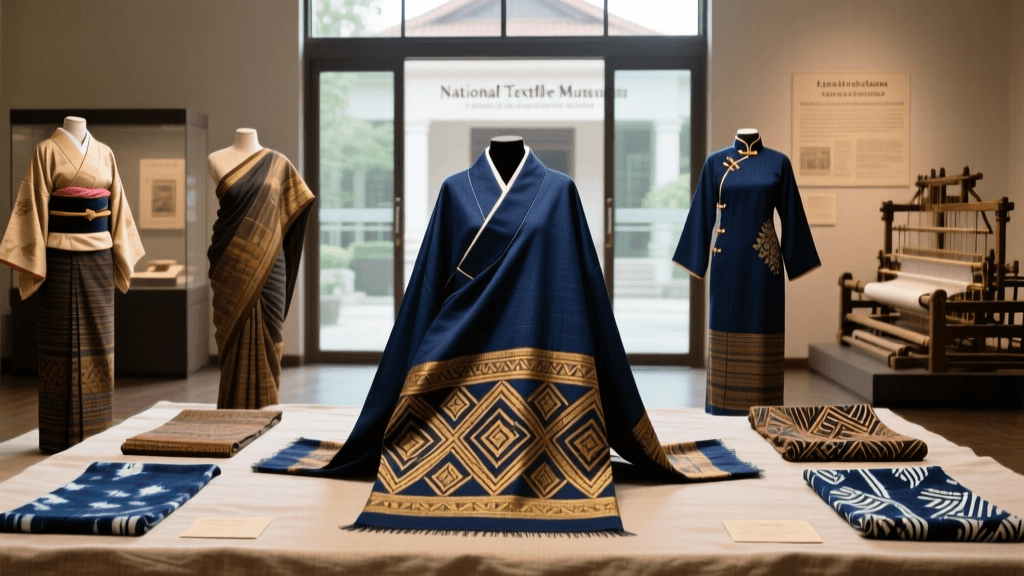
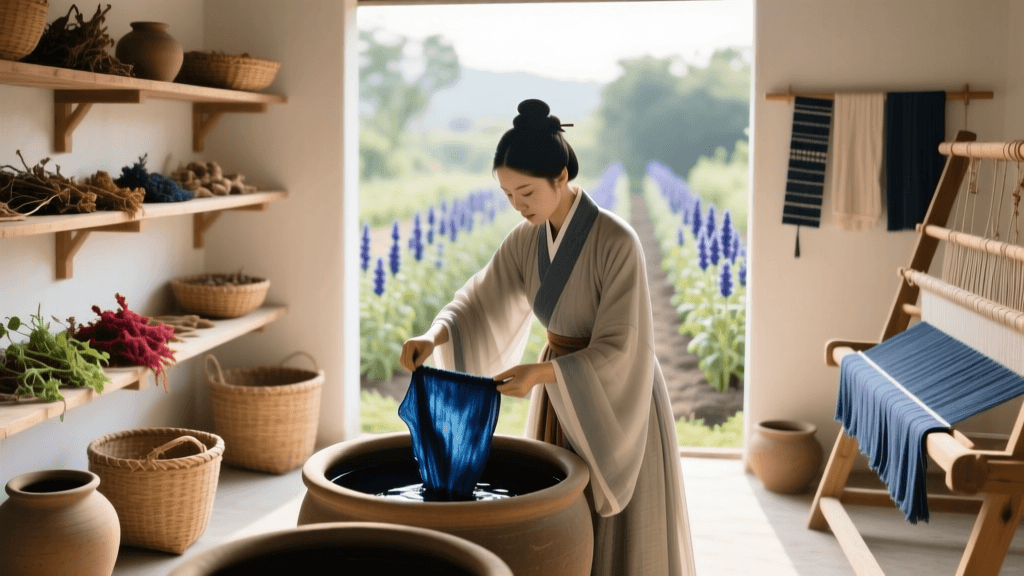
As the global fashion industry faces mounting pressure to reduce its environmental footprint, the revival of traditional Chinese botanical dyes has emerged as a beacon of sustainability in 2026. For centuries, artisans across Asia relied on the rich biodiversity of the region to color their textiles. Today, the resurgence of the Hanfu movement and a growing demand for eco-friendly traditional garments have propelled ancient dyeing techniques back into the spotlight. Unlike synthetic azo dyes, which account for massive water pollution and microplastic shedding, natural plant dyes offer a biodegradable, non-toxic alternative that honors both cultural heritage and ecological balance.
According to the UN Alliance for Sustainable Fashion, the textile industry is responsible for approximately 20% of global wastewater. By pivoting to heritage methods like fermentation-based indigo vats and alum-mordanted madder baths, modern artisans and sustainable fashion brands are drastically reducing chemical runoff. In 2026, the integration of these ancient practices with modern organic farming has created a robust supply chain for natural dyes, making it easier than ever for hobbyists and designers to create vibrant, eco-friendly Asian garments.
Top Traditional Chinese Dye Plants for Sustainable Fashion
Polygonum tinctorium (Chinese Indigo)
Known historically as lancan or liao lan, Chinese indigo (Persicaria tinctoria, formerly Polygonum tinctorium) is the cornerstone of traditional blue dyeing. Unlike synthetic indigo derived from petrochemicals, botanical indigo is extracted through a natural fermentation process. The leaves are steeped in water, allowing the indican to hydrolyze and oxidize into indigotin. In 2026, eco-conscious dyers use organic fructose and calcium hydroxide to reduce the indigo vat, completely eliminating the need for toxic sodium hydrosulfite. The result is a deep, living blue that continues to evolve and fade beautifully over time, a highly prized characteristic in vintage and secondhand Asian textile markets.
Rubia cordifolia (Chinese Madder)
Chinese madder, or qian cao, has been cultivated since the Zhou Dynasty to produce rich reds, terracottas, and soft pinks. The roots contain alizarin and purpurin, which require a mordant—typically aluminum potassium sulfate (alum)—to bind the pigment to natural fibers like silk, hemp, and ramie. Madder is celebrated for its exceptional lightfastness. Artisans in 2026 often pair madder with tannin-rich pomegranate rinds to achieve deeper, more complex crimson hues without resorting to heavy metal mordants like chrome or tin, which are strictly avoided in modern eco-friendly dyeing.
Sophora japonica (Pagoda Tree)
The unopened flower buds of the Pagoda tree, known as huai mi, yield a brilliant, colorfast yellow due to their high rutin content. Historically reserved for imperial garments during the Ming and Qing dynasties, this dye is uniquely straightforward. It requires no heavy mordants to achieve vibrant yellows on silk and cotton, making it one of the most accessible and environmentally benign natural dyes available today. A simple simmering extraction is all that is needed to release the flavonoid pigments.
The Environmental Impact: Natural vs. Synthetic Dyes
The shift toward botanical dyes is not merely an aesthetic choice; it is an ecological imperative. The Ellen MacArthur Foundation highlights that transitioning to regenerative, biologically based inputs is critical for achieving a circular fashion economy. Below is a comparative analysis of the environmental footprint of synthetic versus traditional Chinese plant dyes based on 2026 lifecycle assessments.
| Metric | Synthetic Azo Dyes | Chinese Botanical Dyes (Indigo/Madder) |
|---|---|---|
| Water Consumption (per kg of fabric) | 100 - 150 Liters | 30 - 50 Liters (with closed-loop vat systems) |
| Chemical Runoff Toxicity | High (heavy metals, formaldehyde) | None (biodegradable organic compounds) |
| Biodegradability | Poor (persists in waterways) | Excellent (breaks down into natural biomass) |
| Carbon Footprint | High (petrochemical extraction) | Low/Carbon Negative (plants sequester CO2) |
| Skin Sensitization Risk | Moderate to High | Very Low (hypoallergenic) |
Step-by-Step Guide: Eco-Friendly Indigo Dyeing at Home
Creating your own eco-friendly indigo vat at home is a rewarding process that connects you directly to centuries of Asian textile tradition. This 2026 updated recipe uses a safe, non-toxic fructose reduction method, perfect for dyeing silk Hanfu skirts or organic cotton daily wear.
Materials and Costs (2026 Estimates)
- Organic Chinese Indigo Powder (100g): $25 - $35 (Sourced from certified organic farms in Guizhou or Zhejiang).
- Calcium Hydroxide / Slaked Lime (200g): $5 (Available at brewing or gardening supply stores).
- Organic Fructose Powder (300g): $10 (Acts as the natural reducing agent).
- Stainless Steel or Enamel Pot (15L capacity): $40 (Do not use aluminum or reactive metals).
- pH-neutral eco-detergent: $12 (For post-dye washing).
The Dyeing Process
- Prepare the Vat: Fill your 15L pot with 10 liters of warm water (ideally 50°C / 122°F). Slowly whisk in the calcium hydroxide, followed by the fructose. Stir gently to avoid introducing excess oxygen.
- Add the Indigo: Sprinkle the indigo powder over the surface. Stir gently in one direction to create a vortex, ensuring the powder is fully submerged. Cover the pot with a tight-fitting lid.
- Reduction Phase: Let the vat sit undisturbed for 24 hours. The liquid should turn a yellowish-green, with a coppery, iridescent film (the 'indigo flower') forming on the surface. This indicates the indigo has been successfully reduced to its water-soluble leuco state.
- Dyeing the Fabric: Pre-wet your scoured silk or cotton garment. Gently submerge it into the vat, massaging the fabric underwater for 10 minutes. Avoid breaking the surface to prevent premature oxidation.
- Oxidation: Remove the fabric and squeeze gently. As it hits the air, it will magically transition from yellow-green to a deep, vibrant blue. Allow it to oxidize for 20 minutes.
- Repeat and Wash: For darker shades, repeat the dipping and oxidation process 4 to 6 times. Finally, rinse the garment in cold water and wash with a pH-neutral soap to remove any unbound particles.
'The beauty of a natural indigo vat is that it is a living entity. With proper feeding of fructose and careful pH management, a single vat can remain active and productive for several months, yielding dozens of beautifully dyed garments.' — Master Dyer Lin, Zhejiang Textile Heritage Institute.
Sourcing Authentic Natural Dyes in 2026
As the demand for sustainable Asian traditions grows, so does the market for authentic, ethically sourced dye materials. In 2026, consumers are advised to look for certifications such as the Global Organic Textile Standard (GOTS) or specific regional organic farming labels when purchasing indigo and madder. Direct-to-consumer platforms now connect global artisans directly with heritage farming cooperatives in Yunnan, Guizhou, and Fujian provinces. This not only ensures the purity of the botanical pigments but also guarantees fair trade compensation for the rural communities preserving these ancient agricultural practices.
When shopping for pre-dyed Hanfu or Qipao garments, look for brands that transparently disclose their mordanting processes. Truly eco-friendly brands will explicitly state their use of alum, iron, or tannins, and will actively avoid copper, chrome, and tin. Furthermore, organizations like Fashion Revolution continue to advocate for supply chain transparency, encouraging consumers to ask #WhoMadeMyClothes and #WhatIsInMyDyes.
The Future of Sustainable Asian Garments
The integration of Chinese natural dye plants into modern eco-friendly dyeing is more than a passing trend; it is a vital component of the sustainable fashion movement in 2026. By embracing the slow, deliberate processes of botanical extraction and fermentation, we not only reduce the fashion industry's devastating environmental impact but also keep the profound cultural narratives of Asian textiles alive. Whether you are a designer seeking to create a zero-waste Hanfu collection or a hobbyist dyeing your first silk scarf in a fructose indigo vat, the ancient wisdom of Chinese plant dyes offers a vibrant, sustainable path forward.