Kimono Travel Guide 2026: Packing, Transport & Dressing
The 2026 Renaissance of Kimono Tourism
As global travel continues to evolve in 2026, cultural immersion has become the primary motivator for international visitors to Japan. Among the most sought-after experiences is wearing traditional Japanese garments, from casual summer yukata to formal silk kimono. However, traveling with these delicate, multi-layered garments presents unique logistical challenges. Whether you are a dedicated collector transporting vintage silk across borders, or a modern enthusiast planning a multi-city railway journey, mastering the art of kimono packing and on-the-go transport is essential.
According to the Japan National Tourism Organization, cultural heritage travel has seen a massive surge, with specialized garment tourism leading the niche market. Yet, the delicate nature of silk, the rigid structure of the obi, and the precise folding requirements mean that standard suitcase packing simply will not suffice. This comprehensive guide explores the modern intersection of traditional preservation and 2026 travel technology, ensuring your garments arrive pristine and ready for the streets of Kyoto or Tokyo.
Mastering the Hon-Datami: Wrinkle-Free Packing
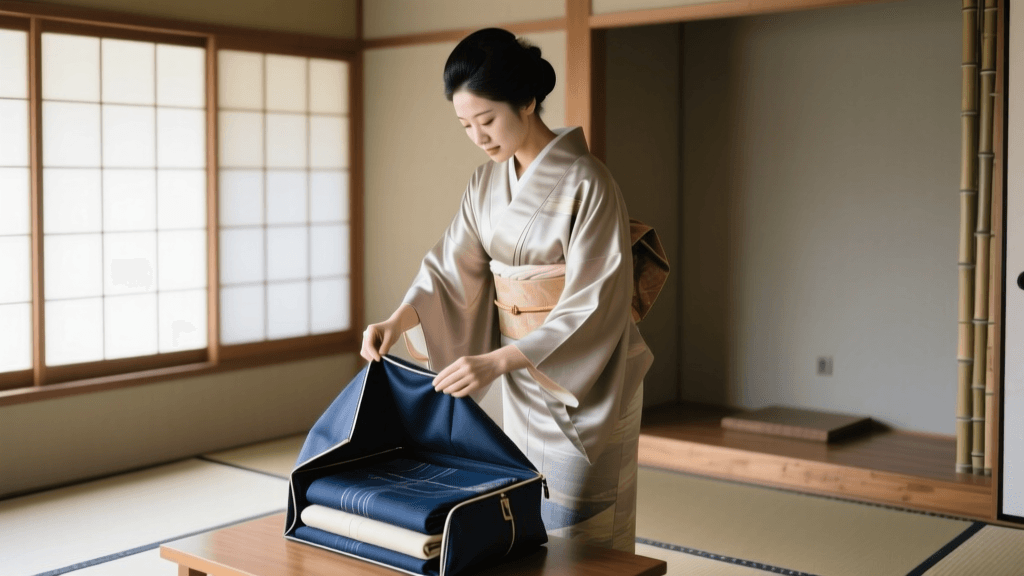
The foundation of kimono transport is the hon-datami (standard folding) method, combined with the tatoshi (wrapping paper or cloth). Unlike Western garments that are hung or rolled, kimono are designed to be folded along their straight seams. This prevents stress on the fabric and maintains the garment's structural integrity.
Step-by-Step Folding Guide for Travel
- Align the Seams: Lay the kimono face down on a clean, flat surface. Fold the left side over to meet the right side, aligning the back seams perfectly.
- Sleeve Management: Fold the sleeves inward, ensuring they do not overlap the body of the garment but lay flat against the back panel.
- The Bottom Fold: Fold the bottom hem up to just below the collar, creating a long, narrow rectangle.
- The Final Fold: Fold the garment in half or thirds, depending on the length, to create a compact square.
- Tatoshi Wrapping: Wrap the folded kimono in acid-free washi paper or a dedicated silk wrapping cloth. In 2026, many travelers use breathable, water-resistant synthetic tatoshi bags that mimic traditional paper but offer protection against sudden humidity changes in transit.
Institutions dedicated to textile conservation, such as the Victoria and Albert Museum's Asian collections, emphasize that folding along original seam lines is critical to preventing permanent fiber breakage in vintage silk. Never fold a kimono diagonally or stuff it into compression cubes, as this will shatter the silk threads over time.
Essential 2026 Kimono Transport Gear
The market for specialized garment transport has expanded significantly. Below is a comparison of the most effective gear for traveling with kimono in 2026, balancing traditional care with modern convenience.
| Item | Best For | 2026 Avg. Cost (USD) | Weight |
|---|---|---|---|
| Acid-Free Washi Tatoshi | Long-term storage & vintage silk | $25 - $40 | 150g |
| Water-Resistant Tatoshi Envelope | Humid climates & rainy season travel | $18 - $30 | 200g |
| Rigid Kimono Carrying Tube | Obi and formal accessories | $45 - $65 | 800g |
| Portable Handheld Steamer | On-the-go wrinkle release | $50 - $85 | 650g |
| Silicone Koshihimo Set | Comfortable travel dressing | $12 - $20 | 100g |
For the obi (sash), which is heavily brocaded and prone to permanent creasing, a rigid carrying tube is highly recommended. These telescopic tubes allow you to roll the obi loosely without folding, preserving the metallic threads and stiff core.
Building Your On-the-Go Kitsuke (Dressing) Kit
Dressing in a hotel room or a rented machiya requires a well-organized kitsuke kit. Traditional cotton ties (koshihimo) can be bulky and difficult to pack. In 2026, modern travelers favor silicone or elasticized koshihimo. These modern alternatives grip the silk securely without the need for tight, uncomfortable knotting, and they roll up into a tiny pouch.
The Minimalist Travel Kitsuke Checklist
- Susoyoke & Hadajuban: Pack lightweight, moisture-wicking modern underlayers. Traditional cotton can become heavy and uncomfortable during long days of sightseeing.
- Nagajuban (Under-kimono): Consider a two-piece (nibu-shiki) nagajuban. The separate skirt and top are significantly easier to pack and adjust on the go than a full-length single piece.
- Korin Belt: An elastic belt with clips that holds the collar in a perfect V-shape. This eliminates the need for constant readjustment while walking.
- Datejime (Wide Tie): A thin, elasticized datejime replaces the bulky traditional silk tie, saving valuable suitcase space.
- Obi-ita & Obi-makura: Bring the thinnest, most flexible obi boards available. Some 2026 models are made of memory-foam-infused mesh that rolls up flat but provides rigid support when worn.
Navigating Transit: Shinkansen, Airports, and Cobblestones
Wearing a kimono while navigating modern transit infrastructure requires foresight and physical awareness. When flying, always check carrier-specific rules regarding delicate items. All Nippon Airways (ANA) recommends carrying highly valuable or fragile garments in the cabin, utilizing the onboard closet if available, rather than risking damage in the cargo hold.
Shinkansen and Train Etiquette
When boarding the bullet train, the primary concern is protecting the obi and the hem. Sit shallowly on the seat, keeping your back straight. Place a small, clean hand towel or a dedicated silk lap blanket over your obi to protect it from the seatbelt or tray table latch. When standing, use the 'hem-hold' technique: gracefully pinch the front panels of your kimono together just below the obi to prevent the hem from dragging on the floor of the train carriage.
Airport Security and Footwear
Navigating airport security in zori (traditional sandals) and tabi (split-toe socks) is straightforward, as you will easily slip them off for the scanners. However, walking barefoot or in just tabi through busy terminals is unhygienic and risks soiling the white fabric. Always carry a pair of lightweight, foldable slip-on shoes or dedicated indoor slippers in your carry-on to wear over your tabi during security checks and long terminal walks.
Emergency Wrinkle Removal and Garment Care
Even with perfect hon-datami folding, travel can introduce minor creases, particularly around the sleeves and hem. Never use a traditional iron directly on silk, as the heat and pressure will flatten the weave and cause irreversible shine.
Instead, rely on a high-quality portable travel steamer. The 2026 generation of travel steamers features dual-voltage capabilities and micro-pulse technology that releases wrinkles without saturating the silk with water. Hang the kimono on a wide, padded hanger in a well-ventilated space. Steam from the inside of the garment, keeping the steamer head at least two inches away from the fabric. Allow the silk to air dry completely before folding it back into its tatoshi.
If you do not have a steamer, the classic 'shower steam' method remains effective. Hang the kimono in the bathroom (safely away from water splashes) while running a hot shower. The ambient steam will gently relax the silk fibers. Follow this by hanging the garment in a cool, dry room with a gentle airflow to set the fabric.
Conclusion
Traveling with a kimono in 2026 is a rewarding endeavor that bridges centuries of sartorial tradition with modern globetrotting. By respecting the geometry of the hon-datami fold, investing in specialized transport gear, and adapting your dressing kit for mobility, you can experience the profound elegance of Japanese fashion anywhere in the world. The key is preparation: pack with intention, dress with mindfulness, and let the timeless beauty of the garment enhance your journey.