Eco-Friendly Hanfu: Chinese Natural Plant Dyes in 2026
The Renaissance of Botanical Color in 2026
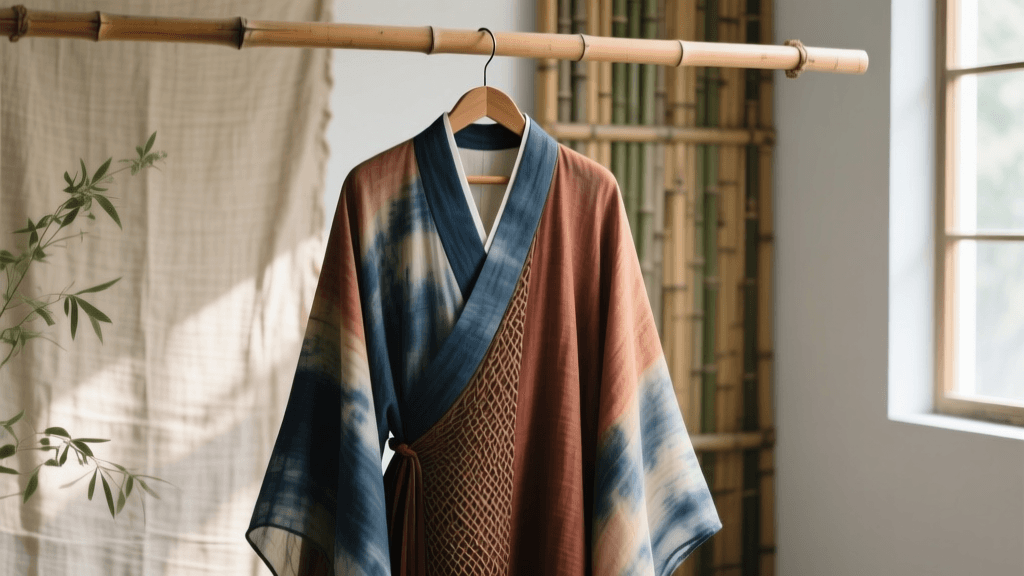
As the global fashion industry faces increasing scrutiny over its environmental footprint, the year 2026 has marked a definitive turning point toward regenerative and circular textile practices. According to the United Nations Environment Programme (UNEP), the transition away from synthetic, petroleum-based azo dyes is no longer a niche preference but a market imperative. Within the Asian traditions sphere, this macro-trend has catalyzed a profound renaissance in traditional Chinese botanical dyeing.
For enthusiasts of Hanfu and traditional Asian garments, eco-friendly dyeing is not merely an aesthetic choice; it is a revival of ancient chemistry. The 'slow Hanfu' movement of 2026 champions the use of indigenous Chinese dye plants, transforming raw flora into vibrant, living colors on silk, ramie, and hemp. Unlike synthetic dyes that release microplastics and heavy metals into waterways, plant-based dyes are biodegradable, non-toxic, and deeply rooted in cultural heritage. This comprehensive guide explores the specific plants, actionable dyeing methodologies, and sustainability metrics driving this botanical revival in 2026.
Top 4 Traditional Chinese Dye Plants for Modern Eco-Fashion
The Chinese pharmacopeia and historical textile records document hundreds of dye plants. However, four botanical sources have emerged as the pillars of the 2026 sustainable Hanfu wardrobe due to their colorfastness, cultural significance, and availability from regenerative farms.
1. Indigo (Dian Lan - Polygonum tinctorium)
While Indigofera tinctoria is common globally, traditional Chinese blue dyeing historically relies on Polygonum tinctorium (often called Dian Lan or Japanese Knotweed). The active compound, indican, is extracted through a fermentation process that creates an alkaline vat. In 2026, artisan studios in Guizhou and Yunnan are utilizing closed-loop water systems to maintain indigo vats for months without waste. The resulting deep, living blue continues to oxidize and mature on the fabric, offering a unique patina that synthetic indigo cannot replicate.
2. Madder (Qian Cao - Rubia cordifolia)
Known in traditional Chinese medicine as Qian Cao, the roots of Rubia cordifolia yield a spectrum of reds, from soft terracotta to deep brick. The primary coloring agent, alizarin, binds exceptionally well to protein fibers like silk and wool. Modern eco-dyers in 2026 prize Chinese madder for its lower required extraction temperatures compared to European madder, saving significant energy during the dyeing process.
3. Amur Cork Tree (Huang Bo - Phellodendron amurense)
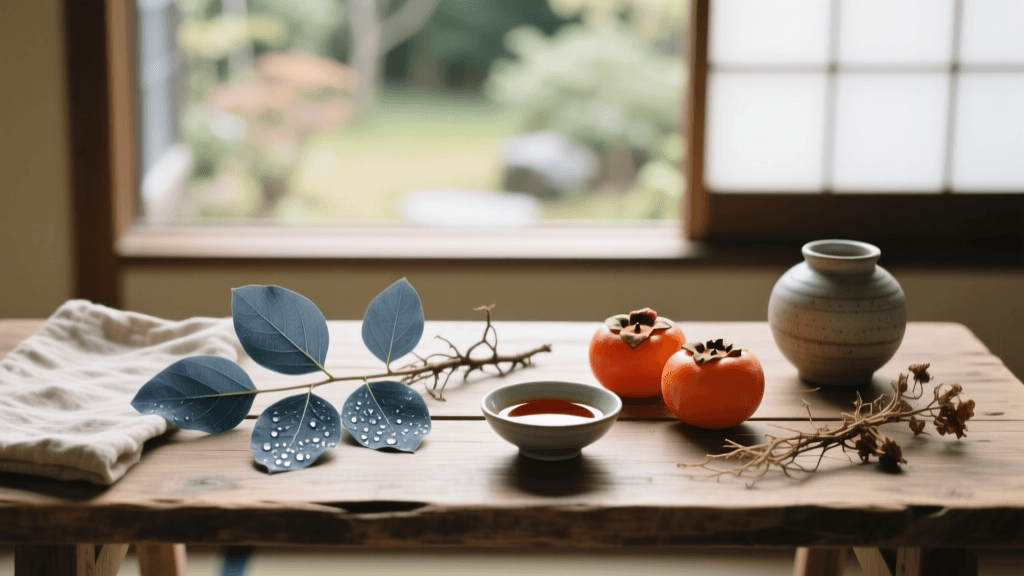
The inner bark of the Amur Cork Tree is rich in berberine, a naturally occurring alkaloid that produces a striking, luminous imperial yellow. Historically reserved for royal garments and Buddhist monks' robes, Huang Bo is now sustainably harvested from managed forests. Because berberine is a substantive dye, it can bond directly to fibers without a metallic mordant, though adding an alum mordant significantly improves its lightfastness.
4. Gardenia (Zhi Zi - Gardenia jasminoides)
The fruit of the Gardenia plant contains crocin, the same compound that gives saffron its color. Zhi Zi produces brilliant, warm saffron-yellows and golds. While it is considered a 'fugitive' dye (meaning it is more susceptible to fading under prolonged UV exposure), it remains highly popular in 2026 for ceremonial Hanfu pieces and inner garments where its non-toxic, skin-soothing properties are highly valued.
Comparative Guide: Chinese Dye Plants at a Glance
To help you plan your 2026 eco-dyeing projects, here is a structured comparison of these four foundational plants, including current market pricing and technical requirements.
| Plant Name (Pinyin) | Botanical Name | Target Color | Mordant Required | 2026 Avg. Cost (per kg) | Lightfastness |
|---|---|---|---|---|---|
| Dian Lan | Polygonum tinctorium | Deep Blue | None (Vat dye) | $45 - $60 USD | Excellent |
| Qian Cao | Rubia cordifolia | Brick Red | Alum / Iron | $35 - $50 USD | Good |
| Huang Bo | Phellodendron amurense | Imperial Yellow | Alum (Optional) | $55 - $75 USD | Moderate |
| Zhi Zi | Gardenia jasminoides | Bright Saffron | Alum / Tin | $25 - $40 USD | Poor (Fugitive) |
Step-by-Step Eco-Dyeing Process for Silk and Ramie
Achieving professional, colorfast results with traditional Chinese plants requires precision. The following methodology reflects the best practices established by heritage textile guilds in 2026.
Step 1: Scouring the Fiber
Natural fibers contain oils, waxes, and impurities that block dye absorption. For silk, use a mild, pH-neutral organic soap and simmer at 60°C (140°F) for 45 minutes. For cellulose fibers like ramie or hemp, a more alkaline scour is required: use 1 teaspoon of washing soda (sodium carbonate) per liter of water and boil for 60 minutes. Rinse thoroughly in warm water. Never shock hot fibers with cold water, as this can cause uneven dye uptake or damage silk filaments.
Step 2: Mordanting for Colorfastness
Except for vat dyes like indigo and substantive dyes like Huang Bo, most Chinese plant dyes require a mordant to chemically bond the color to the fiber. Potassium Aluminum Sulfate (Alum) is the safest and most common eco-mordant.
- For Protein Fibers (Silk): Use 15% Weight of Fabric (WOF) in alum and 5% WOF in cream of tartar. Dissolve in hot water, add the wet silk, and maintain a temperature of 80°C (176°F) for 45 minutes. Let it cool in the bath overnight for maximum penetration.
- For Cellulose Fibers (Ramie/Hemp): Cellulose requires a tannin pre-mordant. Use 10% WOF of gallnut extract or traditional Chinese tea tannins, steep for 2 hours, followed by an alum bath (15% WOF) to create a strong chemical bridge for the dye.
Step 3: The Dye Bath Extraction
Extraction temperatures dictate the final hue. For Qian Cao (Madder), keep the bath strictly below 70°C (158°F). Boiling madder extracts brown compounds from the root, dulling the desired red. Simmer the crushed roots for 60 minutes, strain the liquid through a fine mesh cloth, and repeat the extraction a second time to maximize yield. Combine both liquids for your primary dye bath.
Step 4: Dyeing and Oxidation
Introduce your wet, mordanted fabric to the warm dye bath. Agitate gently and continuously for the first 15 minutes to prevent splotching, then occasionally for the next 45 minutes. For Gardenia (Zhi Zi), a shorter 30-minute steep at 60°C is sufficient to achieve a vibrant saffron. Once the desired depth is reached, remove the fabric, let it cool, and rinse in cool water with a splash of white vinegar to set the pH and brighten the final color.
Sourcing and Sustainability Metrics for 2026
The environmental argument for botanical dyes extends beyond the absence of toxic runoff. As highlighted by Fashion Revolution, transparency in the supply chain is paramount for modern eco-fashion. In 2026, the most reputable Hanfu brands and independent dyers source their raw materials from cooperatives in provinces like Yunnan, Guizhou, and Sichuan, where intercropping dye plants with food crops promotes soil health and biodiversity.
Water consumption is another critical metric. While traditional synthetic dyeing requires up to 200 liters of water per kilogram of fabric (often polluting it with heavy metals), closed-loop botanical dyeing systems utilized by modern studios recycle the exhausted dye bath as a nutrient-rich fertilizer for local agriculture. Furthermore, the spent plant matter from madder and gardenia extractions is composted, returning organic matter to the soil and completing the circular lifecycle.
When purchasing raw dye materials in 2026, look for certifications indicating regenerative farming practices and fair-trade labor standards. Many online apothecaries and specialized textile suppliers now provide batch-specific traceability QR codes, allowing you to trace your Dian Lan or Qian Cao back to the exact farm and harvest date.
Conclusion
The integration of traditional Chinese plant dyes into modern eco-fashion is a triumph of heritage and sustainability. By mastering the ancient chemistry of Dian Lan, Qian Cao, Huang Bo, and Zhi Zi, today's artisans and Hanfu enthusiasts are not just wearing history; they are actively participating in a regenerative future. As we move through 2026, these botanical colors serve as a vibrant, living testament to the harmony between human creativity and the natural world.