Top Chinese Natural Dye Plants For Sustainable Hanfu 2026
The Renaissance of Cao Mu Ran in 2026
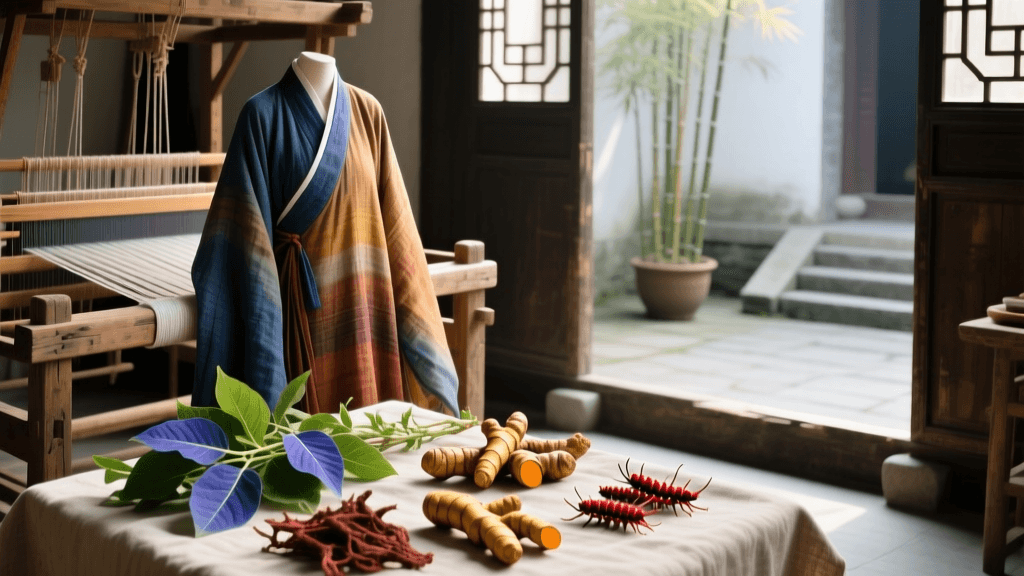
The global shift toward sustainable fashion has profoundly influenced the traditional garment sector, sparking a massive revival of cao mu ran (botanical dyeing) within the Hanfu and traditional Chinese clothing community. As we navigate 2026, the demand for eco-friendly, non-toxic textiles has moved from a niche artisanal practice to a mainstream expectation among heritage garment enthusiasts. Synthetic azo dyes, which historically accounted for severe water pollution, are being rapidly replaced by indigenous Chinese dye plants that offer vibrant, colorfast hues while supporting regenerative agriculture.
According to the United Nations Environment Programme (UNEP), the fashion industry is responsible for roughly 20% of global wastewater, largely due to synthetic dyeing processes. By returning to ancient Chinese botanical dyeing methods, modern artisans and slow-fashion brands are drastically reducing their environmental footprint. This guide explores the most vital Chinese natural dye plants, their sustainable applications, and actionable techniques for dyeing traditional silk and ramie fabrics at home or in small-scale studios in 2026.
Top Botanical Dyes for Traditional Chinese Garments
Chinese botanical dyeing relies heavily on the specific chemical properties of native flora. The following plants are the cornerstone of the sustainable Hanfu dyeing palette this year.
1. Indigo (Lan Cao / Persicaria tinctoria)
Chinese indigo, derived from the leaves of Persicaria tinctoria, is the most iconic of all traditional dyes. Unlike other botanical dyes that require heat extraction, indigo is a vat dye that requires an alkaline, oxygen-depleted (reduced) environment to become soluble. In 2026, artisanal fermentation vats using rice wine, wood ash lye, and natural fructose are the gold standard for eco-friendly indigo dyeing. The resulting blues range from pale sky to deep navy, and the dye possesses natural antibacterial properties, making it highly prized for summer Hanfu garments.
2. Pagoda Tree Buds (Huai Hua / Sophora japonica)
Harvested before they bloom, the dried buds of the Pagoda Tree contain high concentrations of rutin, a flavonoid that yields brilliant, luminous yellows. Huai Hua is exceptionally lightfast when properly mordanted with alum. It is historically significant, often used to dye the garments of scholars and officials during the Ming and Qing dynasties. Today, organic Huai Hua buds are widely available from sustainable forestry cooperatives in northern China.
3. Chinese Madder (Qian Cao / Rubia cordifolia)
The roots of Rubia cordifolia contain alizarin and purpurin, which produce a spectrum of reds, oranges, and terracotta tones. Madder is highly sensitive to temperature; boiling the root will extract brown tannins and muddy the color. Modern sustainable dyers maintain strict temperature controls, keeping the dye bath between 60°C and 70°C to ensure a vibrant, clear red. The Metropolitan Museum of Art's archives on Chinese textiles highlight madder as a crucial historical dye for ceremonial robes, a tradition that continues in modern bridal Hanfu.
4. Chinese Gallnut (Wu Bei Zi / Rhus chinensis)
Gallnuts are not a true plant part but rather a tannin-rich growth formed on the leaves of the Chinese sumac tree in response to insect activity. Extremely high in tannic acid, Wu Bei Zi is primarily used as a natural mordant or combined with iron sulfate (green vitriol) to produce deep, melancholic greys and rich blacks. This combination is essential for creating the dark, formal garments worn during ancestral worship and solemn ceremonies.
Botanical Dye Comparison Chart
When planning your 2026 dyeing projects, use this reference table to select the right plant, mordant, and technique for your desired outcome.
| Botanical Name | Chinese Name (Pinyin) | Target Color | Recommended Mordant | Lightfastness (1-8) | Extraction Temp |
|---|---|---|---|---|---|
| Persicaria tinctoria | Lan Cao (Indigo) | Blue / Navy | None (Vat Dye) | 7-8 | Ambient (Vat) |
| Sophora japonica | Huai Hua (Pagoda) | Bright Yellow | Alum (Mingfan) | 6-7 | 80°C - 90°C |
| Rubia cordifolia | Qian Cao (Madder) | Red / Terracotta | Alum (Mingfan) | 5-6 | 60°C - 70°C |
| Rhus chinensis | Wu Bei Zi (Gallnut) | Grey / Black | Iron Sulfate | 7-8 | 85°C - 95°C |
| Lithospermum erythrorhizon | Zi Cao (Gromwell) | Purple / Pink | Alum (Mingfan) | 3-4 | 50°C - 60°C |
Step-by-Step Eco-Friendly Dyeing Process for Silk and Ramie
Dyeing protein fibers (silk) and cellulose fibers (ramie or hemp) requires slightly different approaches. The following protocol uses Huai Hua (Pagoda Tree) to dye 100 grams of raw silk fabric, utilizing eco-friendly, non-toxic chemistry.
Step 1: Scouring and Preparing the Fiber
Raw silk contains sericin, a natural gum that blocks dye absorption. Scour the silk by simmering it in a pot of water with 5 grams of pH-neutral olive oil soap for 45 minutes. Rinse thoroughly in lukewarm water. For ramie, a more alkaline scour using washing soda (sodium carbonate) at 2% Weight of Fabric (WOF) is required to break down the tough plant waxes.
Step 2: Mordanting with Traditional Alum (Mingfan)
To ensure the yellow dye bonds permanently to the silk, you must use a mordant. Aluminum potassium sulfate, known traditionally as Mingfan, is the safest and most vibrant mordant for yellows and reds.
- Dissolve 15 grams of alum (15% WOF) and 5 grams of cream of tartar (5% WOF) in hot water.
- Add the wet, scoured silk to the mordant bath.
- Heat the bath to 80°C and hold for 60 minutes, stirring occasionally.
- Allow the silk to cool in the bath, then rinse gently. The fabric is now ready to accept the dye.
Step 3: Extracting the Dye Liquor
For 100 grams of silk, you will need 100 grams of dried Huai Hua buds (100% WOF).
- Place the dried buds in a stainless steel pot with 3 liters of water.
- Bring the water to 85°C and simmer gently for 45 minutes. Do not boil vigorously, as this can degrade the rutin.
- Strain the liquid through a fine mesh cloth. You can re-extract the buds a second time with fresh water to yield a lighter, secondary dye bath, ensuring zero waste.
Step 4: The Dye Bath and Oxidation
Add the mordanted, wet silk to the warm Huai Hua dye liquor. Maintain a temperature of 75°C for 60 minutes. Stir frequently to prevent uneven patching. Once the time is up, turn off the heat and let the silk cool to room temperature in the dye bath. This slow cooling process, known as "steeping," allows the dye molecules to penetrate deeply into the fiber core. Rinse the fabric in cool water with a splash of white vinegar to set the color, and dry away from direct sunlight.
Sourcing and Sustainability in the 2026 Market
The market for natural dyes has matured significantly. In 2026, traceability is paramount. Leading botanical dye suppliers now utilize blockchain-backed QR codes on their packaging, allowing dyers to trace Qian Cao roots and Lan Cao leaves back to specific regenerative farms in Yunnan and Guizhou provinces.
Currently, the average cost for premium, organically certified dried Huai Hua buds is approximately $22 USD per kilogram, while artisanal, pre-reduced indigo paste sits around $45 USD per kilogram. While these upfront costs are higher than synthetic dyes, the value proposition lies in the longevity of the garment, the non-toxic effluent, and the support of rural agricultural economies. As highlighted by historical textile research from the Smithsonian Institution, the cultivation of indigo and other dye plants has historically shaped agricultural landscapes; today, it is shaping sustainable ones.
Water Conservation and Effluent Management
True sustainability extends beyond the plant material to the water used in the process. Synthetic dyeing often requires heavy metal fixatives and toxic dispersants, rendering the wastewater hazardous. In contrast, the effluent from a Huai Hua or madder dye bath is entirely biodegradable.
In 2026, eco-conscious studios practice "closed-loop" water systems. The exhausted dye baths from gallnut and iron mordanting are safely neutralized with baking soda and used to water acid-loving garden plants like azaleas and blueberries. By adopting these traditional Chinese botanical dyeing methods, modern Hanfu makers are not just preserving an ancient aesthetic; they are actively engineering a cleaner, more sustainable future for the global textile industry.