The Sari In 2026 Global Fashion Media: Editorial Draping Trends
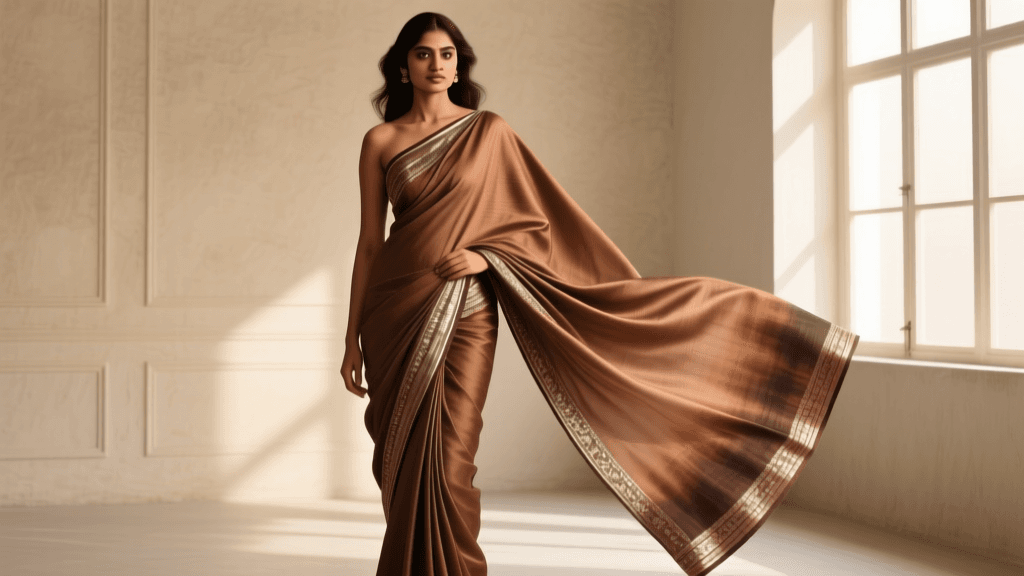
The Sari’s Renaissance in 2026 Global Fashion Editorials
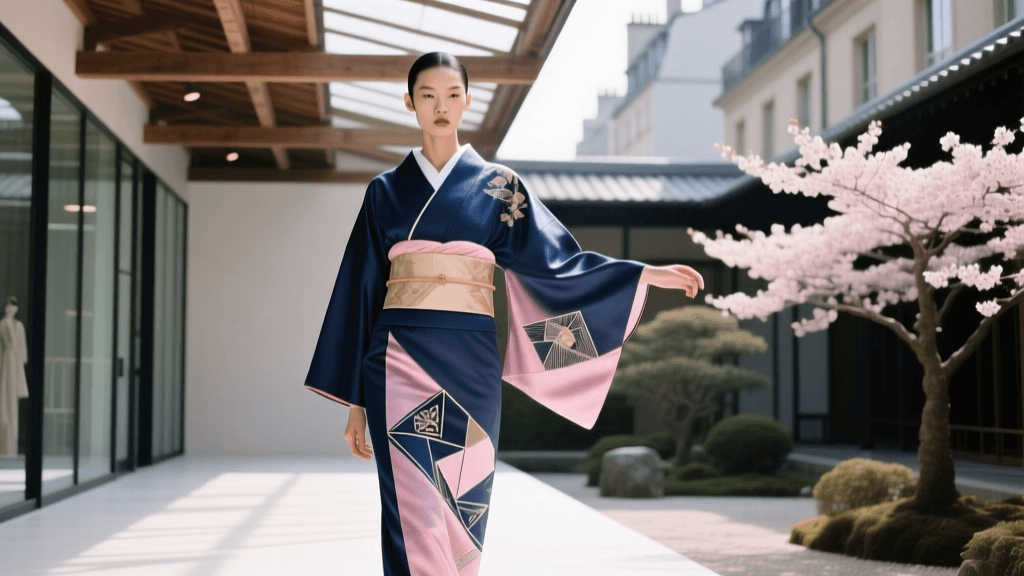
The landscape of global fashion media has undergone a seismic shift in 2026, moving away from superficial cultural borrowing and toward a deep, structural appreciation of traditional Asian garments. At the forefront of this movement is the sari. No longer confined to traditional ceremonial wear or red-carpet novelty, the sari has been aggressively reimagined by top-tier editorial stylists in Vogue, Harper’s Bazaar, and independent avant-garde publications. In the Spring and Summer 2026 fashion weeks across Paris, Milan, and Tokyo, the sari was presented not as a static costume, but as a dynamic, architectural textile that challenges Western silhouettes.
Global fashion directors are now treating the sari as a masterclass in sustainable, zero-waste draping. Editorial spreads in early 2026 have highlighted the garment's inherent versatility, pairing handloom textiles with structured leather corsetry, oversized denim jackets, and avant-garde metallic footwear. For enthusiasts and collectors of Asian traditions, understanding how the global fashion media is styling the sari this year offers a brilliant roadmap for integrating these historic garments into a modern, high-fashion wardrobe.
Top Editorial Draping Styles Dominating 2026 Runways
Global stylists are abandoning the standard Nivi drape in favor of regional, historical, and entirely experimental silhouettes. Below is a breakdown of the dominant draping styles featured in 2026 fashion media, along with their specific textile requirements and styling profiles.
| Draping Style | Fabric Requirement | Editorial Vibe | Styling Difficulty |
|---|---|---|---|
| Belted Dhoti-Sari | 5.5 to 6 meters (stiff cotton/organza) | Edgy, Architectural, Androgynous | Moderate |
| Cape-Sari Hybrid | 4.5 meters + 2 meters (fluid georgette) | Avant-Garde, Ethereal, High-Fashion | Advanced |
| Mermaid Silhouette | 6 meters (heavy silk/brocade) | Red-Carpet Glamour, Sculptural | Difficult |
| Parsi Gara Drape | 5.5 meters (satin/silk with embroidery) | Vintage, Romantic, Maximalist | Easy |
1. The Structured Belted Dhoti-Sari
Popularized in the street-style circuits of Paris Fashion Week 2026, the Belted Dhoti-Sari merges the traditional Maharashtrian Nauvari drape with modern waist-cinching techniques. To recreate this editorial look, you will need a crisp, stiff fabric like handloom Chanderi cotton or silk organza, measuring at least 5.5 meters in length and 45 inches in width. The stiffness of the fabric is crucial; soft silks will collapse under the weight of the dhoti pleats. Stylists are currently pairing this drape with a 2-inch wide matte black leather corset belt featuring antique brass hardware, which anchors the voluminous lower half and creates a sharp, hourglass illusion.
2. The Avant-Garde Cape-Sari Hybrid
Seen on the covers of major fashion monthlies this year, the Cape-Sari hybrid utilizes a fluid, lightweight georgette or chiffon. The drape involves pleating the fabric at the shoulder and allowing the pallu (the loose end) to cascade down the back like a dramatic cape. To secure this without visible pins, editorial stylists use magnetic brooches concealed beneath the fabric layers. This look is heavily favored for evening editorials and requires a sleeveless, high-neck structured blouse to maintain a clean neckline beneath the cascading textile.
Sourcing Authentic Textiles for Media-Inspired Looks
A major theme in 2026 fashion journalism is the demand for transparency and authenticity in textile sourcing. Fast-fashion knockoffs of traditional weaves are being heavily criticized by fashion critics and consumers alike. To achieve the editorial looks seen in global media, one must source authentic, loom-woven textiles. The historical significance and complex construction of these weaves are meticulously documented by institutions like the Victoria and Albert Museum's South Asian Collection, which highlights the centuries-old techniques that give these fabrics their unique drape and structural integrity.
When sourcing for your own wardrobe in 2026, consider the following regional specialties and their current market pricing:
- Banarasi Brocade (Varanasi): Ideal for the Mermaid Silhouette drape. Authentic handwoven Banarasi silk with real zari (metallic thread) currently ranges from $400 to $1,200 USD, depending on the density of the motif. Look for the Silk Mark certification to ensure authenticity.
- Chanderi and Maheshwari (Madhya Pradesh): Perfect for the Belted Dhoti-Sari due to their crisp, lightweight nature. Authentic pieces cost between $120 and $300 USD. Ensure the fabric has the characteristic sheer texture and glossy finish that synthetic blends cannot replicate.
- Kanjeevaram Silk (Tamil Nadu): Best for heavy, sculptural draping. Prices for genuine Kanjeevaram silk start around $250 USD and can exceed $2,000 USD for bridal or temple-border varieties.
Actionable Guide: Recreating Editorial Sari Looks
Translating high-fashion editorial concepts into wearable, everyday styling requires an understanding of both garment construction and modern tailoring. The Metropolitan Museum of Art's Heilbrunn Timeline of Art History notes that Indian textiles have always been deeply intertwined with global trade and adaptation, proving that the sari has always been a living, evolving garment. Here is how you can practically adapt 2026 editorial trends into your own closet:
Tailoring the Modern Blouse
The blouse (choli) can make or break an editorial sari look. In 2026, the trend has moved away from heavily embellished, traditional blouses toward minimalist, architecturally tailored pieces. Request your tailor to use princess seams for a structured fit, and add a 1.5-inch seam allowance on the side panels to allow for future adjustments. For a high-fashion edge, opt for a deep-V back with a single, oversized metallic clasp, or a Victorian-inspired high collar with long, fitted sleeves that contrast beautifully with a sleeveless drape.
Mastering the Pinning Technique
Global fashion stylists rarely use standard safety pins, which can snag delicate handloom threads and ruin the drape's fluidity. Instead, invest in a set of weighted magnetic drape pins or specialized sari clips with silicone grips. When anchoring the pallu to the shoulder, place one magnetic pin at the collarbone and a second one three inches down the shoulder seam. This distributes the weight of the fabric evenly, preventing the textile from pulling and tearing over the course of an evening.
Footwear and Accessory Pairings
To mirror the 2026 editorial aesthetic, avoid traditional embroidered slippers (mojaris) unless you are attending a strictly traditional ceremony. High-fashion media currently pairs the sari with pointed-toe kitten heels, structured leather ankle boots, or even minimalist white leather sneakers for a high-low streetwear contrast. Keep jewelry sculptural and minimal—a single, oversized metallic cuff or asymmetric drop earrings in brushed gold will complement the intricate weave of the sari without overwhelming the silhouette.
Conclusion
The sari’s prominent placement in 2026 global fashion media is a testament to its enduring brilliance and structural versatility. By understanding the editorial draping techniques, sourcing authentic handloom textiles, and applying modern tailoring principles, you can seamlessly integrate this iconic Asian garment into a contemporary, high-fashion wardrobe. Whether you are experimenting with the architectural Belted Dhoti-Sari or the ethereal Cape-Sari hybrid, the key lies in respecting the textile's heritage while boldly pushing its stylistic boundaries.