Guide to China's Top Hanfu & Textile Heritage Museums
The Intersection of Hanfu Revival and Museum Preservation
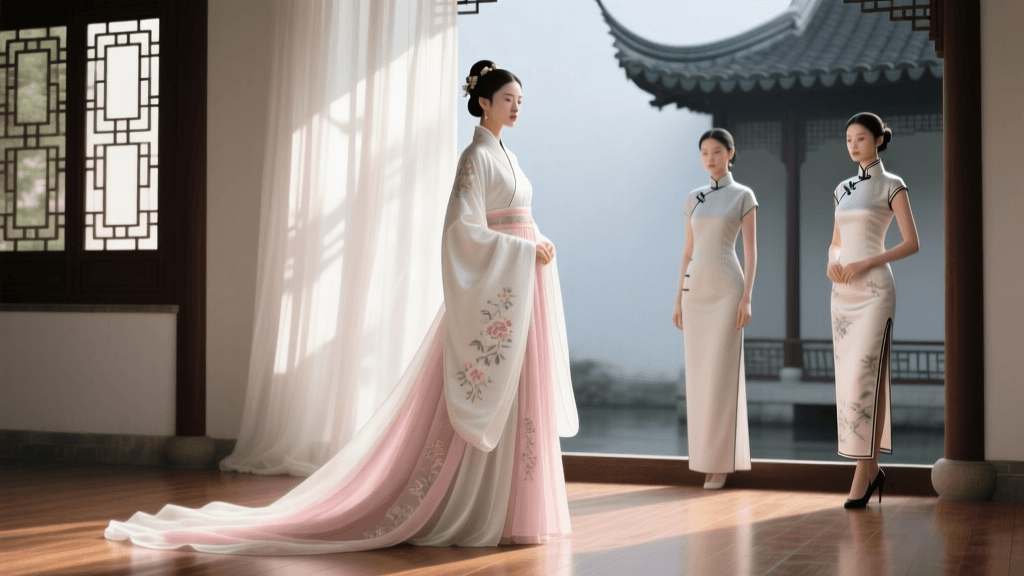
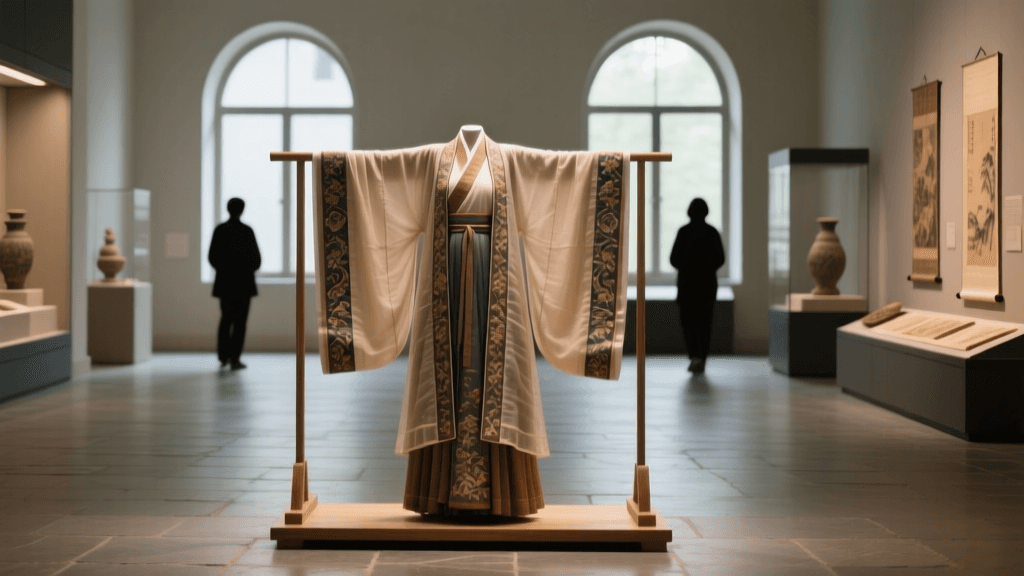
The modern Hanfu movement has evolved far beyond a niche internet subculture into a profound cultural renaissance across China. As millions of young people don traditional garments like the Tang dynasty ruqun (jacket and skirt) or the Ming dynasty mamianqun (horse-face skirt) for daily wear, festivals, and travel, a new trend has emerged: museum tourism. For the dedicated Hanfu enthusiast, reading historical texts or purchasing modern reproductions is no longer enough. There is a deep, growing desire to witness the foundational artifacts, structural layering, and intricate textile engineering that defined ancient Chinese fashion.
China's premier textile and heritage museums serve as the ultimate sanctuaries for this pursuit. They house fragile, centuries-old silk gauzes, imperial brocades, and structural replicas that inform the patterns used by today's Hanfu merchants. For cultural travelers and fashion historians alike, visiting these institutions offers an unparalleled look into the material culture of the Silk Road and the imperial courts. This guide explores the crown jewels of Chinese textile heritage, providing actionable advice, booking protocols, and etiquette for the modern cultural traveler.
The Crown Jewels of Chinese Textile Heritage
China National Silk Museum (Hangzhou)
Located near the scenic West Lake, the China National Silk Museum (CNSM) is the largest silk museum in the world and an absolute pilgrimage site for Hanfu historians. The museum's "Hall of Chinese Textile and Garment History" is a masterclass in the evolution of traditional Chinese clothing. Here, visitors can trace the structural shift from the one-piece shenyi (deep robe) of the Han Dynasty to the high-waisted silhouettes of the Tang Dynasty, and finally to the complex pleating and weaving techniques of the Ming and Qing eras.
The CNSM is particularly famous for its preservation of the Silk Road textile fragments. You will find stunning displays of Tang dynasty silk gauze, featuring the exact woven motifs—such as the lingyang (antelope) and pearl-roundel patterns—that modern Hanfu designers meticulously replicate today. The museum also frequently hosts temporary exhibitions featuring newly excavated garments from tombs across the country, offering a rare glimpse into the undergarments, structural linings, and seasonal layering techniques of antiquity.
Nanjing Yunjin Museum (Nanjing)
While Hangzhou focuses on the broader history of silk, Nanjing is the undisputed capital of Yunjin, or "cloud brocade." Historically, Yunjin was reserved exclusively for the imperial family and high-ranking officials due to its astronomical cost and complex weaving process. The Nanjing Yunjin Museum is a must-visit for those fascinated by the heavy, opulent outer layers of traditional Hanfu, particularly the Ming dynasty court robes and the elaborate bixi (ceremonial knee covers).
The highlight of the museum is the live demonstration area, where artisans operate massive, multi-story wooden jacquard looms dating back to the 19th century. Weaving Yunjin requires two people: one sitting atop the loom to "pick the flowers" (program the pattern via threads), and one below to weave the weft. The integration of real gold leaf threads and iridescent peacock feather yarns into the silk creates a three-dimensional, shimmering effect that modern power looms simply cannot replicate.
Suzhou Silk Museum (Suzhou)
Suzhou's contribution to traditional Chinese fashion is characterized by the refined, literati aesthetics of the Jiangnan region. The Suzhou Silk Museum offers a more intimate, garden-like experience compared to the sprawling campus in Hangzhou. It is the premier destination for studying Songjin (Song brocade) and the legendary Su embroidery, which was frequently used to embellish the collars, cuffs, and hems of traditional Hanfu.
The museum excels in demonstrating the dyeing process, showcasing how ancient artisans used botanical dyes like indigo, madder root, and pagoda tree buds to achieve the rich, enduring colors seen in historical scroll paintings. For Hanfu makers, the museum's archives on traditional color palettes and embroidery motifs—such as the plum blossom, orchid, and crane—are invaluable resources for authentic garment creation.
Comparative Guide to China's Top Textile Museums
| Museum Name | Location | Primary Textile Focus | Admission Cost | Best Time to Visit |
|---|---|---|---|---|
| China National Silk Museum | Hangzhou, Zhejiang | Comprehensive silk history, Silk Road fragments, structural evolution | Free (Reservation required) | Spring (March-May) to coincide with West Lake flora |
| Nanjing Yunjin Museum | Nanjing, Jiangsu | Imperial cloud brocade, gold-leaf weaving, Ming/Qing court garments | Free (Reservation required) | Autumn (Sept-Nov) for mild weather and clear skies |
| Suzhou Silk Museum | Suzhou, Jiangsu | Song brocade, Su embroidery, botanical dyeing, literati aesthetics | Free (Reservation required) | Early mornings on weekdays to avoid tour groups |
Actionable Advice for the Hanfu Enthusiast
Navigating Reservations and Entry
Almost all major public museums in China have transitioned to a strict, free-admission, reservation-only system. Walk-up entry is rarely permitted, especially during peak seasons. To secure your spot, you must use WeChat. Search for the museum's official Mini Program (for example, search "中国丝绸博物馆" for the Hangzhou museum). Navigate to the "预约" (Reservation) tab, select your date, and input your details. Foreign visitors must input their passport numbers exactly as they appear on the document. Bookings typically open 3 to 7 days in advance at 8:00 AM or 9:00 AM local time, and slots for weekends vanish within minutes. Always bring your physical passport, as digital copies or photos are often rejected by the turnstile scanners.
Hanfu Rentals and Museum Etiquette
Many visitors prefer to wear Hanfu while exploring these heritage sites to fully immerse themselves in the cultural atmosphere. In Hangzhou, the commercial streets surrounding West Lake and the southern foot of Yuhuang Mountain are dotted with high-end Hanfu rental and styling boutiques. Expect to pay between 200 and 500 RMB ($28 to $70 USD) for a full-day rental, which includes the garment, accessories, and professional hair styling. In Nanjing, the area surrounding the Confucius Temple (Fuzimiao) offers similar services, though the quality of fabrics can vary wildly; always inspect the garments for synthetic sheen and poor stitching before committing.
When wearing Hanfu inside the museums, etiquette is paramount. Avoid wearing trailing skirts or excessively long sleeves that might brush against glass cases or trip other visitors in narrow corridors. If you are wearing a heavily layered Ming dynasty winter ensemble, be prepared for the museum's climate control, which is kept at a cool, constant temperature (usually around 20°C or 68°F) to preserve the fragile silk artifacts.
Photography and Sketching Protocols
Photography for personal use is generally permitted, but the use of flash, tripods, and selfie sticks is strictly prohibited to protect the light-sensitive ancient dyes. If you are a fashion designer or student wishing to sketch the structural details of the garments, bring a small, bound sketchbook and pencils. Pens and markers are usually confiscated at the coat check to prevent accidental damage to the exhibits. Many museums also offer high-resolution digital archives on their official websites, which are far superior to photographs taken through the glare of display glass.
The Living Heritage Behind the Glass
The garments displayed in these museums are not merely static relics; they are the product of a continuous, living lineage of craftsmanship. According to the Metropolitan Museum of Art's Heilbrunn Timeline of Art History, the production of silk and the creation of complex garment structures were closely guarded state secrets in ancient China, driving both the economy and the diplomatic strategies of the Silk Road. The structural ingenuity seen in the flat-pattern cutting of traditional Hanfu—where fabric is woven to width and folded rather than tailored to curves—represents a fundamentally different philosophical approach to the human body compared to Western tailoring.
The traditional techniques required to recreate these museum-quality textiles are so vital that UNESCO has recognized Chinese sericulture and silk craftsmanship on its Representative List of the Intangible Cultural Heritage of Humanity. This designation ensures that the artisans operating the wooden looms in Nanjing and the embroidery masters in Suzhou receive state support to pass their skills to the next generation. Furthermore, the UNESCO Silk Roads Programme highlights how these ancient trade networks not only exported Chinese silk but also imported foreign motifs, resulting in the hybrid patterns seen in Tang dynasty textiles that continue to influence modern Asian fashion.
Conclusion
Visiting China's top Hanfu and textile heritage museums is an essential endeavor for anyone serious about traditional Asian fashion. From the sweeping historical narratives at the China National Silk Museum to the dazzling imperial opulence of the Nanjing Yunjin Museum, these institutions bridge the gap between ancient artistry and the modern Hanfu revival. By planning your reservations carefully, respecting museum etiquette, and engaging with the living artisans who keep these crafts alive, you transform a simple museum visit into a profound journey through the fabric of Chinese history.