A Travel Guide To China's Premier Hanfu Heritage Museums
The Renaissance of Hanfu Through Museum Exhibitions
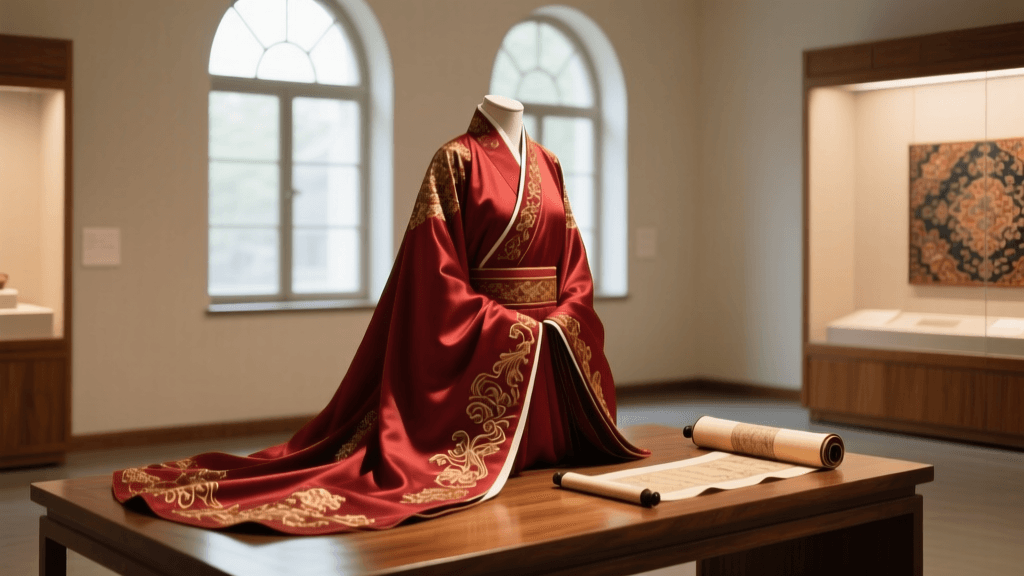
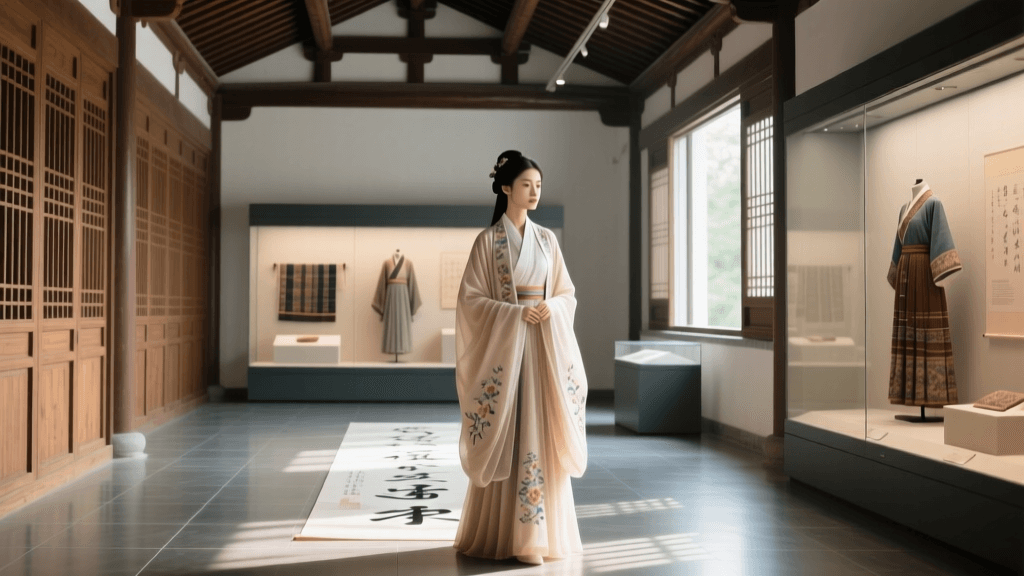
The modern Hanfu movement has sparked a global renaissance in traditional Chinese clothing, with millions of enthusiasts embracing the elegant silhouettes of the Han, Tang, Song, and Ming dynasties. However, while social media and e-commerce platforms have made these garments widely accessible, the true depth of Hanfu history is best experienced in person. Museums and heritage sites across China serve as the vital custodians of this sartorial legacy, offering a three-dimensional perspective on the structural layering, seasonal fabric choices, and intricate weaving techniques that define traditional Chinese dress.
For cultural travelers, textile artists, and Hanfu aficionados, visiting these institutions is not merely a sightseeing activity; it is an essential educational journey. Seeing the drape of a Tang dynasty banbi (half-sleeve jacket) or the microscopic precision of a Ming dynasty mamianqun (horse-face skirt) pleat in a climate-controlled vitrine provides invaluable context that digital images simply cannot convey. This guide explores China's premier Hanfu and textile heritage sites, offering practical advice, exhibition highlights, and insider tips for planning your cultural itinerary.
Top Hanfu and Textile Heritage Sites in China
1. China National Silk Museum (Hangzhou)
Located near the scenic West Lake in Hangzhou, the China National Silk Museum is the largest silk and textile museum in the world. For Hanfu enthusiasts, this museum is the ultimate pilgrimage site. The permanent exhibitions trace the evolution of Chinese sericulture and garment construction from the Neolithic period through the Qing dynasty.
Exhibition Highlights: The crown jewel of the museum is the collection of textiles excavated from the Mawangdui Han Dynasty tombs. Here, you can view the legendary plain gauze gown, an astonishing feat of ancient engineering that weighs a mere 49 grams despite its large dimensions. The museum also features extensive dioramas demonstrating the traditional structural layering of Hanfu, illustrating how foundational undergarments (zhongyi) interact with outer robes (shenyi or ruqun) to create the characteristic flowing silhouettes of ancient China.
Actionable Advice: Allocate at least three hours for your visit. The museum's conservation lab often hosts live demonstrations of ancient textile restoration. Visit the museum's boutique on the ground floor, which sells high-quality, museum-approved replicas of historical fabrics and specialized Hanfu accessories like jade pendants and silk sashes.
2. Nanjing Cloud Brocade Museum (Nanjing)
Nanjing Cloud Brocade, or Yunjin, represents the absolute pinnacle of traditional Chinese textile artistry. Historically reserved for imperial dragon robes and the highest echelons of Ming and Qing dynasty nobility, Yunjin is characterized by its vibrant colors and the integration of gold and silver threads. The Nanjing Cloud Brocade Museum is dedicated entirely to preserving this magnificent craft.
Exhibition Highlights: The museum's most captivating feature is the operational wooden drawlooms on the ground floor. These massive, five-meter-tall looms require two artisans to operate simultaneously—one sitting on top to pull the warp threads according to a complex mnemonic code, and one below to weave the weft. Watching this synchronized dance provides a profound appreciation for the astronomical cost and value of authentic brocade Hanfu.
Actionable Advice: Time your visit to coincide with the live weaving demonstrations, which typically occur at 10:00 AM and 2:00 PM. The museum shop offers authentic Yunjin fabric swatches and small accessories, such as brocade pouches and hair ribbons, which are perfect for incorporating a touch of imperial luxury into modern Hanfu styling.
3. Suzhou Silk Museum (Suzhou)
Suzhou has been the heart of China's silk industry for over a millennium, and its local museum reflects the deep intersection of Jiangnan (south of the Yangtze) garden culture and textile arts. The Suzhou Silk Museum focuses heavily on Song brocade and Kesi (silk tapestry), a technique where the weft threads are cut and turned back to create intricate, painting-like patterns.
Exhibition Highlights: The museum excels in showcasing the seasonal fabric choices of historical Chinese elites. You will find exhibits detailing how lightweight, breathable luo (gauze) was woven for the sweltering Jiangnan summers, while heavy, padded silks lined with rabbit fur were prepared for the damp winters. The Kesi exhibition is particularly relevant for Hanfu makers, as it showcases the meticulous border trims used on high-status Ming dynasty robes.
Practical Visitor Guide: Costs, Timing, and Etiquette
Navigating China's museum system requires some advance preparation, particularly regarding digital reservations. Below is a comparative chart to help you plan your heritage tour.
| Museum Name | Location | Primary Hanfu/Textile Focus | Admission Cost | Reservation Method | Best Time to Visit |
|---|---|---|---|---|---|
| China National Silk Museum | Hangzhou, Zhejiang | Comprehensive history, Han/Tang artifacts, structural layering | Free | WeChat Mini-Program (China Silk Museum) | Weekday mornings (9:00 AM) |
| Nanjing Cloud Brocade Museum | Nanjing, Jiangsu | Ming/Qing imperial textiles, Yunjin brocade, drawloom weaving | Free | WeChat Official Account | Afternoons (for 2 PM demos) |
| Suzhou Silk Museum | Suzhou, Jiangsu | Song brocade, Kesi tapestry, seasonal Jiangnan fabrics | Free | WeChat Mini-Program / On-site ID | Spring/Autumn weekdays |
Booking and Entry Etiquette
Most major museums in China are free to enter but require advance digital reservations due to daily capacity limits. Foreign visitors without a Chinese ID card may need to use their passport at the manual registration desk, but it is highly recommended to have a Chinese-speaking friend or hotel concierge assist with the WeChat mini-program bookings in advance.
When inside the exhibition halls, strict photography rules apply. Flash photography is universally prohibited, as the intense light degrades the fragile organic dyes used in ancient Hanfu garments. Tripods and selfie sticks are also banned to prevent accidental damage to the vitrines. If you are wearing Hanfu during your visit—which is highly encouraged and increasingly common—ensure your garments are properly secured to avoid brushing against display cases or knocking over stanchions.
Preserving Intangible Cultural Heritage
The garments and textiles housed in these museums are more than historical artifacts; they are the physical manifestations of Intangible Cultural Heritage (ICH). The techniques required to create authentic Hanfu fabrics have been passed down through generations of artisans, and museums play a critical role in keeping these skills alive.
To truly understand Hanfu, one must understand the loom. The garment is merely the final canvas; the heritage lies in the thousands of hours of sericulture, dyeing, and weaving that precede the first cut of the shears.
The global significance of these crafts is recognized by international bodies. For instance, the traditional practices of breeding silkworms and producing silk are officially inscribed on the UNESCO Representative List of the Intangible Cultural Heritage of Humanity. This designation highlights the profound cultural identity embedded in Chinese silk craftsmanship, ensuring that the knowledge of creating historical fabrics like ling (twill) and chou (silk tabby) is protected for future generations.
Similarly, the complex weaving techniques required for imperial garments are safeguarded under the UNESCO recognition of Nanjing Yunjin brocade. The survival of this craft is entirely dependent on the institutional support provided by museums and state-sponsored workshops, which fund the apprenticeship of young weavers. By visiting these sites, tourists directly contribute to the economic ecosystem that sustains these ancient artisan communities. For a broader understanding of the material science behind these garments, resources like the encyclopedic histories of silk production provide excellent supplementary reading before your trip.
Understanding Hanfu Structural Layering in Exhibits
One of the most valuable aspects of visiting a textile museum is observing the structural layering of traditional Chinese clothing. Modern Hanfu vendors often sell garments as isolated pieces, but historical accuracy requires an understanding of how these layers interact.
- The Base Layer (Zhongyi): Museums display the innermost garments, usually made of unbleached linen or lightweight cotton. These protect the expensive outer silks from body oils and sweat, a practical necessity in eras before modern dry cleaning.
- The Structural Layer (Ru and Qun): Exhibits often use transparent mannequins to show how the upper garment (ru) is tucked into or layered over the skirt (qun). You can observe the precise placement of pleats and the use of internal ties (ji) that keep the garment secure without the need for buttons or zippers.
- The Outer Layer (Ao or Daxiushan): The outermost robes dictate the formality of the outfit. Museums showcase the rigid, woven borders (lan) used on Ming dynasty jackets, which provided structural weight, allowing the garment to hang perfectly straight and convey a sense of dignified authority.
Planning Your Hanfu Heritage Itinerary
To maximize your cultural immersion, consider combining your museum visits with local Hanfu community events. Cities like Hangzhou, Nanjing, and Suzhou host frequent Hanfu parades, traditional archery tournaments, and tea ceremonies, particularly during the spring flower festivals and the Mid-Autumn Festival.
When packing for your trip, bring a versatile, travel-friendly Hanfu set made of wrinkle-resistant polyester blends for daily sightseeing, but reserve your authentic silk garments for the museum visit and formal dinners. Many heritage sites in these cities, such as the Humble Administrator's Garden in Suzhou, offer discounted or free entry to visitors wearing fully styled, historically accurate Hanfu, bridging the gap between ancient tradition and modern cultural tourism.
Ultimately, stepping into China's Hanfu and textile museums is a transformative experience. It grounds the ethereal beauty of traditional garments in the tangible reality of human labor, historical evolution, and artistic genius. Whether you are a historian, a fashion designer, or a passionate wearer of traditional dress, these heritage sites offer an indispensable masterclass in the art of Asian traditions.