Cheongsam in Global Fashion Media: 2026 Editorial Trends
The Cheongsam’s Resurgence in 2026 Global Fashion Media
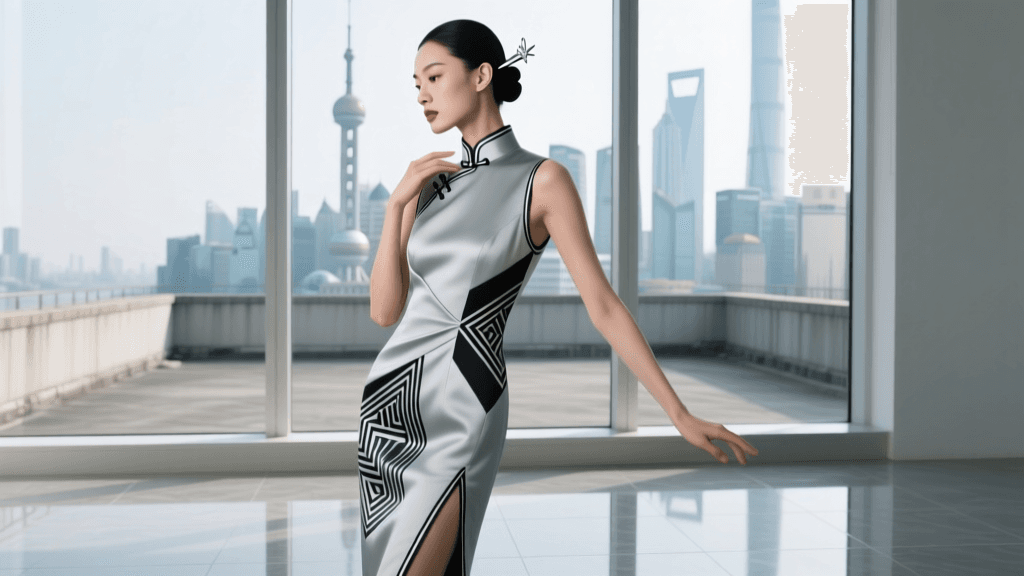
The intersection of traditional Asian dress and global fashion media has undergone a radical and necessary transformation. In 2026, the cheongsam—also widely known as the qipao—has firmly transcended its historical boundaries to become a staple of high-fashion editorials, avant-garde street style, and prestigious red carpets. No longer relegated to the realm of costume or exoticism, the garment is being celebrated by top-tier publications like Vogue, Harper’s Bazaar, and Numéro for its architectural brilliance, rich textile heritage, and modern versatility. As global fashion editors seek deeper cultural narratives and sustainable luxury, the cheongsam offers a masterclass in garment construction and historical continuity.
Historically, the qipao evolved from the loose-fitting garments worn by Manchu women during the Qing Dynasty into the form-fitting, modernized silhouette that emerged in 1920s Shanghai. According to The Metropolitan Museum of Art’s Heilbrunn Timeline of Art History, the modern cheongsam represents a unique synthesis of traditional Chinese tailoring and Western sartorial influences, specifically the introduction of darts and set-in sleeves that allowed the garment to contour to the body. Today, in 2026, contemporary designers and fashion editors are deconstructing and reimagining these very elements, pushing the garment into a new era of global relevance.
Key Editorial Trends Shaping the Modern Qipao
Architectural Silhouettes and Deconstruction
In the Spring/Summer 2026 editorial spreads, the traditional mandarin collar (yuanling) and asymmetrical front fastenings are being exaggerated or entirely reimagined. Fashion directors are highlighting garments where the collar extends into dramatic, sculptural neckpieces, or where the iconic side slits (kaitiao) are extended to the waistline to allow for dynamic layering over wide-leg trousers or flowing silk skirts. This deconstructed approach appeals to a modern readership that values structural innovation alongside cultural reverence. Designers are playing with the placement of the pankou (frog fasteners), using oversized, hand-woven metallic knots as the focal point of minimalist silk crepe dresses.
Sustainable Heritage Textiles: Xiangyunsha and Song Brocade
The 2026 fashion media landscape is heavily focused on sustainability and the preservation of artisanal crafts. Editorials are increasingly featuring the cheongsam crafted from Xiangyunsha (mud silk), a centuries-old, eco-friendly dyeing technique from Guangdong province that utilizes river mud and yam juice. The resulting fabric is water-resistant, naturally cooling, and possesses a distinctive rustling sound that translates beautifully to digital video formats like TikTok and Instagram Reels. Furthermore, the Victoria and Albert Museum has extensively documented the intricate weaving techniques of Asian textiles, noting that heritage fabrics like Song brocade are experiencing a massive revival. In 2026, luxury fashion houses are partnering directly with master weavers in Suzhou to produce limited-run qipaos that highlight these complex, multi-layered geometric patterns, positioning the garment as the ultimate sustainable luxury investment.
Sourcing Media-Inspired Cheongsams: A 2026 Buyer's Guide
For readers and collectors inspired by the 2026 editorial spreads, sourcing an authentic, high-quality cheongsam requires navigating a market filled with both heritage houses and contemporary disruptors. Below is a comparative guide to the leading brands defining the qipao in the current global fashion landscape, detailing their 2026 pricing, fabric specialties, and ideal use cases.
| Brand | Design Ethos | 2026 Price Range (USD) | Signature Fabrics | Best For |
|---|---|---|---|---|
| Shanghai Tang | Heritage Luxury | $800 - $2,500 | Heavy silk crepe, velvet | Formal events, traditional weddings |
| Guo Pei | Haute Couture | $15,000 - $50,000+ | Gold-threaded brocade, custom embroidery | Red carpets, museum-grade collecting |
| Blancore | Avant-Garde Minimalist | $450 - $1,200 | Organza, deconstructed cotton, raw silk | Editorial styling, high-fashion streetwear |
| Mukzin | Pop-Culture Streetwear | $150 - $400 | Jacquard blends, neoprene | Festivals, youth-oriented media events |
When investing in a piece reminiscent of high-fashion editorials, buyers must prioritize the construction of the internal lining and the finishing of the pankou. In 2026, the hallmark of a premium cheongsam is the presence of hand-rolled edges and bias-cut silk linings that allow the garment to move fluidly with the wearer, a detail frequently highlighted in macro-photography by top fashion publications.
Styling the Cheongsam for the Modern Wardrobe
The way the cheongsam is styled in 2026 global media has彻底 dismantled outdated, monochromatic tropes. Fashion stylists are treating the qipao as a versatile layering piece that bridges Eastern heritage and Western contemporary fashion. Here is actionable advice on how to style the garment for modern contexts:
- The Outerwear Pairing: For transitional autumn weather, editorial stylists are pairing sleeveless, mid-calf length qipaos with oversized, structured wool blazers or cropped leather moto jackets. The contrast between the delicate silk of the cheongsam and the heavy, utilitarian outerwear creates a striking visual tension favored by street-style photographers.
- Footwear Choices: The traditional pairing of the qipao with high stiletto pumps has been largely replaced in 2026 media by chunky, architectural loafers, knee-high leather boots, or minimalist leather mules. This grounds the garment, making it appropriate for daytime urban environments rather than just evening galas.
- Accessorizing with Intent: Because the mandarin collar and frog fasteners provide immense visual detail around the neckline, 2026 styling dictates avoiding heavy necklaces. Instead, editors recommend sculptural ear cuffs, oversized jade and gold drop earrings, or stacking vintage jade bangles on one wrist to complement the side slits of the dress.
Garment Care and Preservation
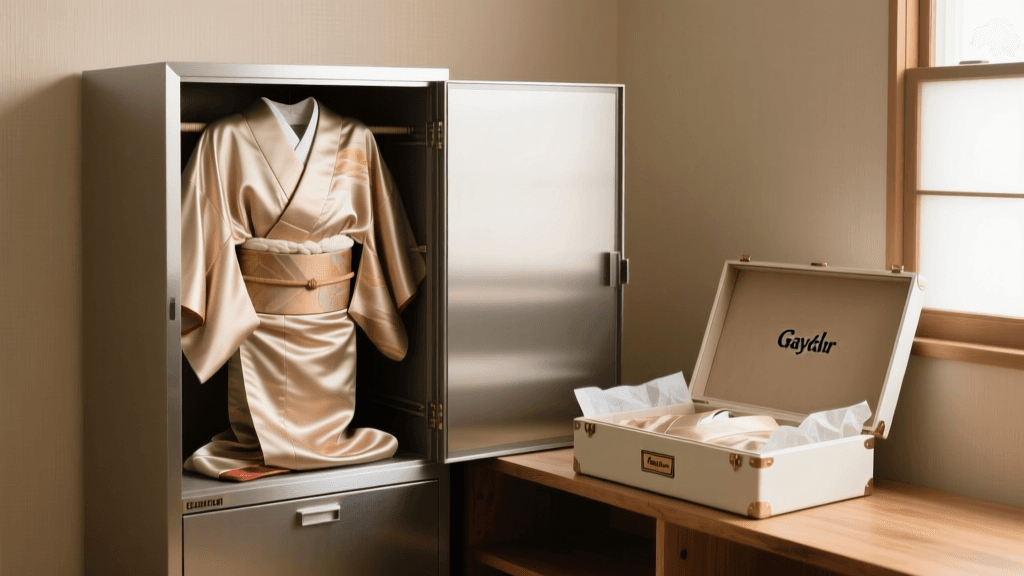
Maintaining the structural integrity of a high-end cheongsam, particularly those featured in luxury editorials, requires meticulous care. The internal boning and delicate silk brocades used in 2026 collections are highly susceptible to environmental damage. Never hang a heavy brocade qipao on a wire hanger, as the weight of the fabric will distort the shoulder seams and stretch the delicate yuanling collar. Instead, store the garment flat in a breathable, acid-free cotton garment bag. When cleaning, avoid standard dry-cleaning chemicals, which can strip the natural sericin from silk fibers and dull the vibrant dyes of Xiangyunsha mud silk. Seek out specialist heritage textile cleaners who utilize liquid silicone or eco-friendly hydrocarbon solvents, ensuring the garment remains pristine for decades. By understanding both the media-driven evolution and the practical care of the cheongsam, modern fashion enthusiasts can fully participate in the ongoing global renaissance of this iconic Asian garment.