Cheongsam 2026: Asian Traditional Garments In Fashion Media
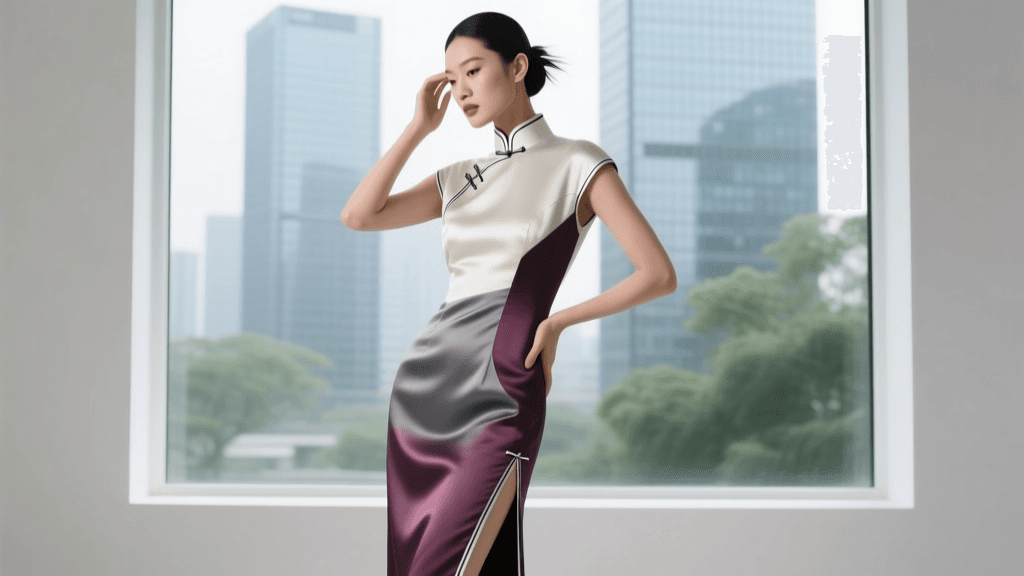
The Cheongsam’s 2026 Renaissance in Global Fashion Media
In 2026, the global fashion media landscape has witnessed a profound and intentional shift in how Asian traditional garments are represented, styled, and celebrated. Leading the charge is the cheongsam (also widely known as the qipao), a garment that has transcended its historical boundaries to become a staple of high-fashion editorials, red carpets, and avant-garde street style. No longer relegated to the realm of exoticized costume or rigid ceremonial wear, the modern cheongsam is being deconstructed, reimagined, and elevated by top-tier stylists and fashion houses across Paris, Milan, and Shanghai.
Major publications like Vogue, Harper’s Bazaar, and Numéro have dedicated extensive 2026 editorial spreads to the structural ingenuity of the qipao. The focus has shifted from superficial ornamentation to the garment's architectural tailoring, sustainable fabric innovations, and its deep-rooted feminist history in 1920s Shanghai. For fashion enthusiasts and cultural sartorialists alike, understanding how to adapt these high-fashion editorial trends into a functional, contemporary wardrobe requires a nuanced approach to fit, fabric, and styling.
Deconstructing the Editorial Qipao: What’s Changing in 2026
The 2026 editorial aesthetic favors 'quiet luxury' blended with cultural heritage. Fashion editors are moving away from the heavily embroidered, stiff brocades of the late 20th century, opting instead for fluid, sustainable textiles that allow the garment to move with the body. The defining features of this year's media-highlighted cheongsams include:
- Modular Collars: The traditional stiff, high Mandarin collar is being replaced by soft, unlined collars or entirely deconstructed necklines that maintain the visual geometry of the qipao without restricting movement.
- Sculptural Pankou (Frog Closures): Instead of tiny, functional knots, designers are using oversized, asymmetrical pankou made from vegan leather or oxidized metals, turning the closure into a statement piece of hardware.
- Asymmetrical Slits and Hemlines: Drawing from avant-garde runway shows, the hemline is no longer strictly uniform. Editorial styling frequently features handkerchief hems or dramatic side slits that reveal tailored trousers underneath, merging Eastern silhouettes with Western tailoring.
Data Table: Traditional vs. 2026 Editorial vs. Everyday Wear
To successfully adapt runway and editorial looks for real life, it is crucial to understand the baseline differences between historical garments, current media trends, and practical daily wear. The table below breaks down these distinctions to help you make informed styling and purchasing decisions.
| Feature | Traditional 1930s Qipao | 2026 Global Editorial Trend | Everyday Adaptation |
|---|---|---|---|
| Collar Height | High, stiff (2.5 - 3 inches) | Deconstructed, open, or asymmetrical | Soft Mandarin (1 - 1.5 inches) |
| Primary Fabric | Heavy silk brocade, velvet | Sustainable peace silk, tech-blends | 19mm Silk Crepe de Chine |
| Hemline & Slit | Calf-length, moderate side slit | Midi with modular slits, asymmetrical | Knee-length, moderate slit for walking |
| Fasteners | Hand-knotted silk pankou | Magnetic hidden closures, metallic hardware | Magnetic pankou hybrids for ease |
| Fit & Ease | Zero ease, skin-tight silhouette | Oversized, draped, or corseted waist | 1.5 to 2 inches of ease in bust/waist |
Actionable Styling: Adapting Runway Qipaos for Real Life
Translating the dramatic visions of 2026 fashion media into a wearable, elegant reality requires specific attention to tailoring measurements, fabric weights, and accessory pairings. Here is your practical guide to mastering the modern cheongsam.
Fabric Selection and Momme Weight
In 2026, the global fashion press heavily favors sustainable peace silk and Tencel-silk blends. When shopping for a daily-wear cheongsam, pay close attention to the 'momme' (mm) weight of the silk. Editorial garments often use 30mm+ heavy crepe for dramatic draping, but this is too bulky for everyday office or dinner wear. Actionable Advice: Opt for a 19mm to 22mm silk crepe de chine. This weight provides enough opacity and structure to hold the garment's shape while remaining breathable and fluid. Avoid stiff polyester brocades, which trap heat and detract from the garment's natural elegance.
Modernizing the Fit and Measurements
The most common mistake consumers make when buying a qipao is sizing for a skin-tight fit, a misconception perpetuated by mid-century cinema. Modern editorial styling prioritizes comfort and dynamic movement. Actionable Advice: When ordering bespoke or selecting ready-to-wear, ensure there is 1.5 to 2 inches of ease in the bust and waist measurements. This allows you to sit, eat, and breathe comfortably without straining the delicate silk seams. Furthermore, request a dropped shoulder seam or a slightly wider armscye (armhole) to prevent the fabric from pulling across the upper back when you reach forward.
Footwear and Accessory Pairings
Global fashion media in 2026 has officially retired the cliché of pairing the cheongsam with delicate, high-heeled pumps. The current editorial standard leans into architectural contrast. Actionable Advice: Style your midi or knee-length qipao with square-toe leather mules, structured loafers, or even minimalist leather sneakers for a high-low street-style look. For jewelry, bypass traditional polished jade bangles. Instead, look for raw, unpolished jade pendants suspended on asymmetric silk cords, or jade-inlaid structural ear cuffs, which align perfectly with the current 'raw luxury' trend dominating fashion week coverage.
Care Instructions for Modern Silks
To maintain the integrity of your 2026 peace-silk cheongsam, avoid traditional dry cleaning, which uses harsh chemicals that degrade sustainable fibers over time. Hand wash in cold water using a pH-neutral, enzyme-free detergent. Never wring the fabric; instead, roll it in a clean cotton towel to absorb excess moisture and lay it flat in the shade to dry. Iron on the lowest silk setting using a pressing cloth to preserve the fabric's natural luster.
Cultural Integrity in Modern Media Representation
A significant and welcome development in 2026's fashion media is the rigorous commitment to cultural integrity. Top-tier publications are now employing cultural consultants and historians to ensure that the styling and narrative surrounding the cheongsam honor its origins. According to The Metropolitan Museum of Art's Heilbrunn Timeline of Art History, the evolution of Chinese dress is deeply intertwined with shifting social roles, particularly the emancipation of women in the early 20th century. Modern editorials are finally reflecting this feminist history, portraying the qipao not as a submissive garment, but as a symbol of autonomy and modernity.
Furthermore, institutions like the Smithsonian National Museum of Asian Art and the Victoria and Albert Museum's Asian Collections have provided extensive digital archives that contemporary stylists use to accurately reference historical construction techniques, such as the precise geometry of the flat-cut sleeve and the bias-cut bodice. This academic rigor ensures that when the cheongsam appears on the covers of global fashion magazines, it is celebrated for its sartorial genius rather than reduced to a mere aesthetic prop.
Sourcing and Pricing in 2026
The market for authentic, high-quality cheongsams has bifurcated in 2026, offering options for both investment collectors and everyday fashion enthusiasts. Understanding the pricing landscape is essential for making informed purchases.
- Bespoke Tailoring (Shanghai, Hong Kong, Global Ateliers): For a fully custom, hand-finished qipao using premium 30mm silk and traditional hand-rolled seams, expect to pay between $800 and $1,500. The process typically requires three fittings over four to six weeks.
- Contemporary Ready-to-Wear (Global Designer Brands): Brands that blend traditional silhouettes with modern, sustainable manufacturing offer excellent RTW options. Prices generally range from $250 to $450. These garments often feature modern conveniences like hidden zippers and machine-washable tech-silk blends.
- High-Street Sustainable Adaptations: For those looking to experiment with the editorial trend on a budget, several eco-conscious high-street brands have introduced qipao-inspired wrap dresses and tops. These typically cost between $120 and $180, though buyers should carefully check the fabric composition to ensure they are getting natural fibers rather than synthetics.
Conclusion
The cheongsam’s prominence in 2026 global fashion media is a testament to its enduring design brilliance and cultural resonance. By understanding the nuances of modern tailoring, selecting the appropriate silk weights, and styling with contemporary, architectural accessories, you can seamlessly integrate this iconic Asian traditional garment into your modern wardrobe. As fashion media continues to champion authenticity and structural innovation, the qipao remains not just a relic of the past, but a dynamic, evolving masterpiece of global fashion.