Top 2026 Cheongsam Tailoring Workshops & Masterclasses
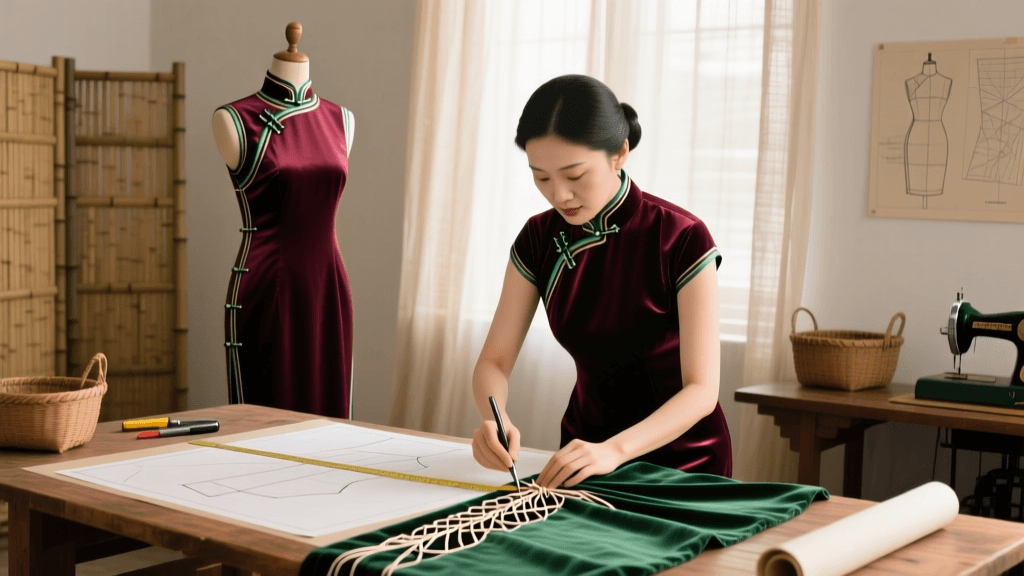
The global resurgence of slow fashion and cultural preservation has positioned 2026 as a landmark year for traditional Asian garment making. Among the most sought-after skills in the artisanal fashion community is the construction of the cheongsam (also known as the qipao). Once reserved for master tailors in the bustling streets of Shanghai and Hong Kong, the intricate art of cheongsam tailoring is now accessible to dedicated students worldwide through immersive workshops, hybrid seminars, and intensive masterclasses. Whether you are a seasoned fashion designer looking to expand your technical repertoire or a cultural enthusiast aiming to craft your own bespoke pieces, mastering this iconic garment requires specialized knowledge of flat-pattern drafting, bias manipulation, and traditional silk handling.
The Renaissance of Bespoke Asian Garments in 2026
In the current 2026 landscape of sustainable fashion, consumers and creators alike are moving away from mass-produced apparel, seeking instead the longevity and personal connection inherent in bespoke traditional wear. The cheongsam, with its elegant mandarin collar, form-fitting silhouette, and intricate frog buttons (pankou), represents a perfect synthesis of structural engineering and textile artistry. According to the UNESCO Intangible Cultural Heritage registry on sericulture, the preservation of traditional silk craftsmanship is deeply intertwined with the tailoring techniques that utilize these luxurious fabrics. Modern workshops now emphasize not just the sewing, but the entire lifecycle of the garment, from sourcing ethical, heritage-milled silks to executing zero-waste pattern layouts.
Top Cheongsam Tailoring Workshops and Seminars
Selecting the right masterclass is critical. The best programs in 2026 offer a blend of historical context, hands-on technical training, and modern fitting adjustments. Below are the premier institutions offering cheongsam tailoring education this year.
1. The Shanghai Qipao Heritage Institute (Hybrid Masterclass)
Renowned for its strict adherence to the 1930s Shanghai tailoring canon, this institute offers a comprehensive six-week hybrid program for 2026. Students begin with virtual lectures on the history of the garment and digital pattern theory, followed by a mandatory two-week in-person residency in Shanghai. The curriculum focuses heavily on the traditional 'one-piece' flat-pattern cutting method, where the front and back are cut from a single piece of fabric to preserve the continuity of the textile's motif. Tuition for the 2026 cohort is $1,450, which includes access to their proprietary digital archive of vintage pankou designs and a starter kit of specialized silk-handling tools.
2. Hong Kong Master Tailors Guild Intensive Seminar
For those seeking rigorous, old-world technical training, the Hong Kong Master Tailors Guild offers a grueling but deeply rewarding four-week intensive seminar. This in-person workshop is famous for teaching the 'S-curve' side seam technique, a complex tailoring method that shapes the garment to the body without the use of Western-style darts. Students spend over forty hours mastering the bias-cut collar and the hand-rolled hem. The 2026 tuition is $1,850, reflecting the premium, small-group mentorship provided by third-generation master tailors. Graduates leave with a fully constructed, bespoke silk cheongsam and a certification recognized by heritage tailoring houses across Asia.
3. London School of Traditional Asian Dress (Virtual)
Ideal for international students unable to travel, this fully virtual eight-week seminar focuses on adapting traditional cheongsam construction for contemporary 2026 wardrobes. The curriculum bridges historical techniques with modern ergonomic needs, teaching students how to draft patterns that accommodate a wider range of movement while retaining the garment's signature silhouette. Priced accessibly at $650, the course includes weekly live-streamed fitting sessions where instructors critique students' muslin toiles via high-definition multi-angle cameras. The school also provides a comprehensive guide to sourcing authentic Asian textiles from verified global suppliers.
2026 Workshop Comparison Chart
| Workshop / Institution | Format | Duration | 2026 Tuition | Core Focus |
|---|---|---|---|---|
| Shanghai Qipao Heritage Institute | Hybrid (Virtual + In-Person) | 6 Weeks | $1,450 | One-piece flat drafting, motif matching |
| Hong Kong Master Tailors Guild | In-Person Intensive | 4 Weeks | $1,850 | S-curve seams, bias collars, hand-rolling |
| London School of Traditional Asian Dress | Fully Virtual | 8 Weeks | $650 | Modern adaptations, digital fitting, ergonomics |
Core Techniques Taught in Modern Seminars
A hallmark of a high-quality cheongsam workshop is its departure from standard Western dressmaking. While modern fashion schools prioritize draping and dart manipulation, traditional Asian tailoring relies on an entirely different geometric philosophy.
Flat-Pattern Drafting vs. Western Draping
As detailed in the Metropolitan Museum of Art's historical overview of Chinese dress, traditional Chinese garments were historically cut flat, respecting the integrity of the woven cloth. In 2026 masterclasses, students learn to achieve a three-dimensional fit through strategic side-seam shaping, gussets, and the manipulation of the fabric's grainline, rather than cutting the fabric into fragmented pieces. This approach not only honors the cultural origins of the garment but also aligns perfectly with modern zero-waste design principles.
The Art of Pankou (Frog Buttons)
No cheongsam is complete without pankou. These intricate knotted buttons are both functional fasteners and decorative art. Workshops dedicate entire modules to the creation of pankou, teaching students how to prepare the silk bias strips, insert the copper or cotton wire core for structural integrity, and execute complex knots like the plum blossom or the butterfly. In 2026, instructors are also teaching the integration of sustainable, plant-based dyes to color the silk strips, ensuring the hardware-free fastenings remain entirely biodegradable.
Essential Tools for the 2026 Cheongsam Maker
Working with delicate heritage silks requires specialized equipment. Students enrolling in this year's seminars are advised to procure the following tools before their first class:
- Kaiyuan 10-Inch Carbon Steel Shears: The industry standard for cutting slippery silks and heavy brocades without fraying the edges. The micro-serrated edge grips the fabric securely.
- Digital Drafting Tablets (e.g., Wacom Cintiq 16): While paper drafting is still taught, 2026 hybrid courses heavily utilize digital tablets to teach pattern grading and digital motif placement before cutting expensive yardage.
- Brass Silk Weights: Essential for holding flat-pattern pieces in place on delicate fabrics like Xiangyunsha without the use of damaging steel pins.
- Specialized Pankou Awls and Tweezers: Fine-tipped, non-marring tools designed specifically for turning narrow silk tubes and shaping tight wire-cored knots.
- Clapper and Tailor's Ham: A wooden clapper is vital for pressing open seams on heavy brocades, using steam and pressure to flatten the fibers without creating a shine on the silk surface.
Sourcing Authentic Textiles
The success of a bespoke cheongsam relies heavily on the textile. In 2026, the most prestigious workshops emphasize the use of heritage fabrics such as Xiangyunsha (gambiered Guangdong silk), which is dyed using river mud and the juice of the薯莨 (Dioscorea cirrhosa) yam, resulting in a unique, water-resistant, and beautifully textured black-and-brown fabric. Students also work with Song brocade and heavy silk satin. For historical context and visual inspiration regarding traditional weave structures, instructors frequently direct students to the Victoria and Albert Museum's Asian Collections archive, which houses some of the most pristine examples of historical Chinese textiles and court dress in the world.
Preparing for Your First Seminar
Before enrolling in a 2026 masterclass, prospective students should possess intermediate sewing skills, particularly in handling slippery fabrics and executing precise seam allowances. Most top-tier workshops require a portfolio review or a prerequisite module on basic Asian flat-pattern geometry. Furthermore, students should prepare to invest in high-quality muslin for creating multiple toiles (test garments). The fitting process of a cheongsam is unforgiving; an ease of just 1.5 centimeters at the bust and waist can mean the difference between a garment that restricts breathing and one that moves fluidly with the body.
Ultimately, participating in a cheongsam tailoring workshop in 2026 is about more than just acquiring a new sewing skill. It is an act of cultural preservation, a commitment to sustainable fashion, and a deeply rewarding journey into one of Asia's most iconic sartorial traditions. Whether you choose the rigorous in-person guilds of Hong Kong or the accessible virtual classrooms of London, the knowledge you gain will allow you to craft garments that are not only beautifully constructed but rich in historical significance.