2026 Cheongsam Media Trends: Editorial Styling & Sourcing
The Cheongsam in 2026 Global Fashion Media: A New Era of Authenticity
As we navigate the Spring and Autumn 2026 fashion seasons, the global fashion media landscape has undergone a profound transformation in how it portrays Asian traditional garments. The cheongsam, also widely known as the qipao, has emerged as a focal point in high-fashion editorials, streaming media costume design, and avant-garde street style. However, the narrative has shifted. Moving far beyond the exoticized, hyper-feminine tropes of late 20th-century cinema, 2026 fashion media celebrates the cheongsam for its architectural tailoring, rich textile heritage, and structural integrity.
For enthusiasts, collectors, and those looking to incorporate this iconic garment into their modern wardrobes, understanding how global media styles the cheongsam in 2026 is only half the journey. The true challenge lies in sourcing authentic, high-quality pieces that reflect the craftsmanship seen on the pages of Vogue and Harper's Bazaar, rather than settling for mass-produced costume approximations. This comprehensive guide explores the 2026 editorial trends, provides actionable sourcing strategies, and details the precise measurements required for a flawless fit.
The 2026 Editorial Shift: Structural Integrity Over Stereotype
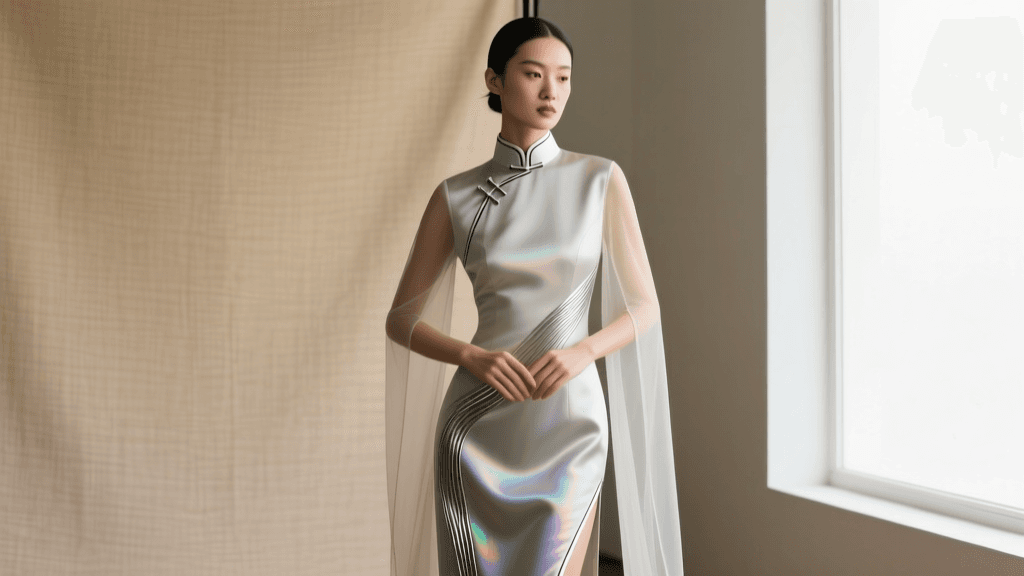
In previous decades, global fashion media often reduced the cheongsam to a mere visual shorthand, relying heavily on cliché motifs like dragons, phoenixes, and cherry blossoms. In 2026, top fashion directors and editorial stylists are prioritizing the garment's foundational architecture. The focus is now on the precision of the Yuanlingbao (the high mandarin collar), the mathematical exactness of the side slits, and the intricate, handcrafted pankou (frog fasteners).
According to the Fashion Institute of Technology's Fashion History Timeline, the cheongsam's evolution from the loose-fitting robes of the 1920s to the tailored silhouettes of the 1930s was a masterclass in East-meets-West sartorial engineering. Today's 2026 editorials honor this engineering by stripping away unnecessary embellishments, allowing the drape of the silk and the cut of the fabric to command the camera's attention. This minimalist approach requires garments of exceptional quality, as poor construction is immediately obvious when the garment is devoid of distracting patterns.
Key Cheongsam Styling Trends in 2026 Media
1. The Renaissance of Xiangyunsha (Gambiered Canton Gauze)
Sustainability and heritage textiles are dominating 2026 fashion journalism. Xiangyunsha, a luxurious silk dyeing technique originating from Guangdong province, is the fabric of choice for high-end editorial shoots this year. Dyed using the juice of the Dioscorea cirrhosa plant and coated with iron-rich river mud, this fabric develops a distinctive dark, crackled patina that looks extraordinary on camera. Fashion magazines are highlighting its breathable, crisp texture, styling it in minimalist, sleeveless cheongsam cuts that emphasize the fabric's natural, leather-like sheen.
2. Deconstructed and Avant-Garde Silhouettes
Global stylists in 2026 are actively deconstructing the traditional hemline and collar. In recent Paris and Milan editorial spreads, models have been photographed wearing cheongsam tops with asymmetrical hems paired with wide-leg, structured trousers. The traditional knee-length side slit is sometimes extended to the waistline and layered over sheer organza underskirts, creating a sense of movement and modernity that appeals to contemporary haute couture audiences.
3. Gender-Fluid and Relaxed Tailoring
Perhaps the most significant cultural shift in 2026 media representation is the move away from the skin-tight, restrictive qipao. Influenced by global conversations around body positivity and gender-fluid fashion, current editorials feature relaxed, A-line, and boxy cheongsam silhouettes worn by models of all genders. This styling choice harks back to the garment's earliest 1920s iterations, which were originally championed by female students and intellectuals as a symbol of egalitarianism and freedom of movement.
Sourcing Authentic Cheongsams: A 2026 Buyer's Guide
Replicating the looks seen in 2026 global fashion media requires knowing where to invest your money. The market is saturated with fast-fashion imitations, but authentic craftsmanship is still thriving if you know how to find it.
Ready-to-Wear (RTW) vs. Bespoke
For those seeking immediate access to editorial-quality garments, premium RTW brands are the best entry point. Brands focusing on modern heritage, such as Blancore and specialized Shanghai-based boutiques, offer 2026 collections featuring genuine silk brocades and hand-tied pankou knots. Expect to pay between $250 and $800 for a high-quality RTW cheongsam. These pieces typically feature hidden zippers alongside decorative traditional knots, blending modern convenience with historical aesthetics.
For the ultimate editorial look, bespoke tailoring is unmatched. Commissioning a piece from a master tailor in Shanghai, Hong Kong, or specialized ateliers in London and New York ensures a flawless fit. Bespoke pricing in 2026 generally starts at $1,200 and can exceed $3,500, depending on the rarity of the textile and the complexity of the hand-embroidery. The process requires patience: expect a timeline of 6 to 10 weeks, including at least two intermediate fittings to adjust the collar and bust darts.
The Measurement Guide for the Perfect Editorial Fit
The cheongsam is notoriously unforgiving when it comes to fit. Unlike Western garments that rely on stretch fabrics, a traditional woven silk qipao must be tailored to the millimeter. When ordering online or visiting a tailor, you must provide the following specific measurements:
- Collar Circumference: Measured exactly where the mandarin collar will sit. This is critical; even a half-inch error will result in choking or unsightly gaping.
- Bust, Waist, and Hips: Measured at the fullest and narrowest points. The tailor will add exactly 1 to 1.5 inches of 'ease' to allow for breathing and sitting.
- Hollow-to-Hem: Measured from the hollow of the collarbone down to the desired hemline. This dictates the placement of the side slits, which should ideally end just above the knee for optimal movement and modesty.
- Shoulder Slope: A master tailor will measure the angle of your shoulder drop to ensure the iconic smooth, unbroken line from the collar to the sleeve cap.
2026 Media Trends vs. Authentic Sourcing Strategy
| 2026 Editorial Trend | Primary Fabric / Style | Estimated Cost (2026) | Actionable Sourcing Tip |
|---|---|---|---|
| Heritage Minimalism | Xiangyunsha (Mud-dyed silk) | $400 - $900 (RTW) | Seek certified Guangdong heritage textile sellers; verify the 'crackle' pattern on the reverse side. |
| Avant-Garde Deconstruction | Heavy Silk Crepe with raw edges | $1,200 - $2,500 (Bespoke) | Commission an independent atelier; request an extended side slit and asymmetrical hemline. |
| Gender-Fluid Relaxed Fit | Linens and Matte Silk Blends | $200 - $600 (RTW) | Look for 'A-line' or '1920s revival' cuts; avoid darts at the waist to maintain a boxy silhouette. |
| Architectural Collar Focus | Stiffened Brocade or Organza | $800 - $1,500 (Bespoke) | Ensure the tailor uses traditional horsehair canvas interfacing inside the collar for structural rigidity. |
Media Representation vs. Cultural Reality
While global fashion media in 2026 has vastly improved its respectful representation of the cheongsam, consumers must remain vigilant about cultural context. The Metropolitan Museum of Art's extensive Cheongsam Collection provides a vital visual archive that reminds us of the garment's deep roots in Chinese social history, particularly its role in the women's liberation movements of the early 20th century. When purchasing or styling a cheongsam, understanding this history elevates the garment from a mere 'costume' to a wearable piece of living history.
Furthermore, the Victoria and Albert Museum's Asian Collections frequently highlight the regional variations in textile production that inform modern design. By educating yourself on the differences between a Shanghainese cut (which favors subtle, body-skimming tailoring) and a Cantonese cut (which often features wider sleeves and distinct fastening styles), you can make informed purchasing decisions that align with your personal style and the specific editorial aesthetic you wish to emulate.
Conclusion: Embracing the Future of Tradition
The year 2026 marks a golden era for the cheongsam in global fashion media. Stylists, designers, and cultural historians have collaborated to strip away decades of cinematic stereotypes, revealing a garment that is structurally brilliant, endlessly adaptable, and profoundly elegant. Whether you are investing in a bespoke Xiangyunsha masterpiece or sourcing a relaxed, gender-fluid linen piece for everyday wear, the key lies in prioritizing authentic construction over fast-fashion mimicry. By understanding the precise measurements, fabric properties, and historical context outlined in this guide, you can confidently navigate the modern market and wear the cheongsam with the authenticity and respect it deserves.