2026 Guide to Komon & Tsumugi Kimono: Styling Everyday Japanese Wear
The Resurgence of Everyday Kimono in 2026
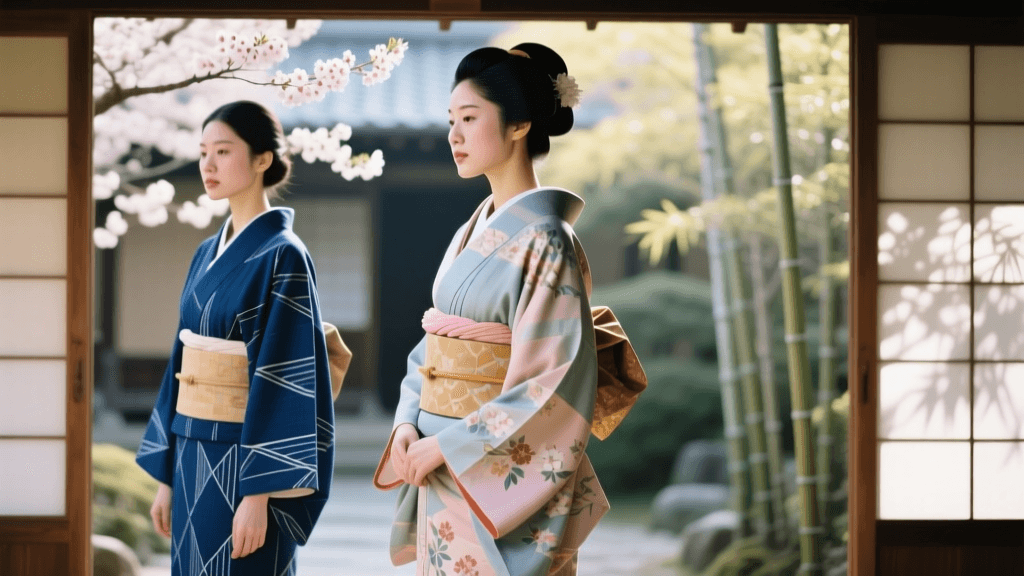
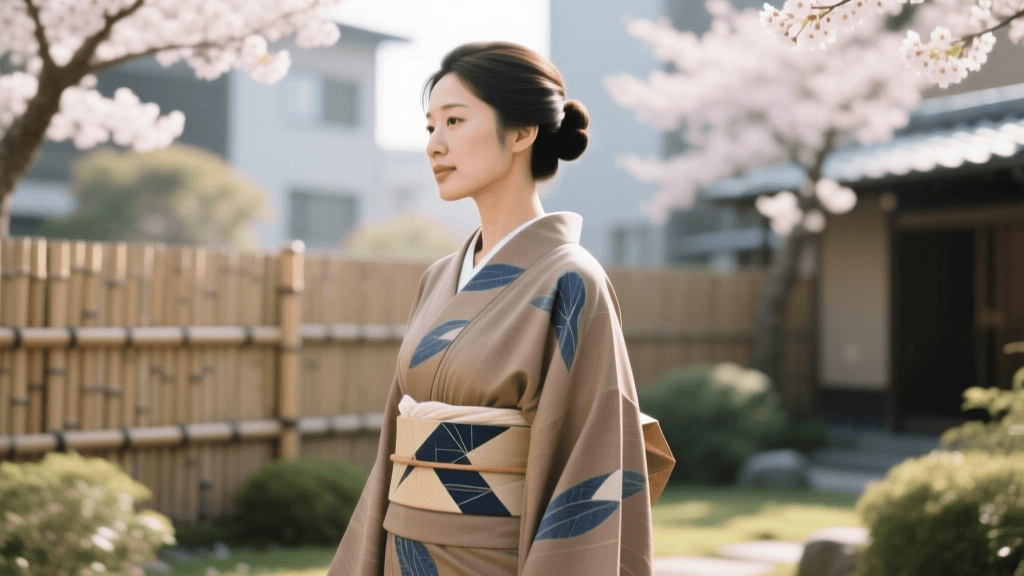
As we navigate the fashion landscape of 2026, the global appetite for sustainable, artisanal, and culturally rich garments has reached an all-time high. Within the realm of Asian traditions, the Japanese kimono remains a pinnacle of textile artistry. However, the modern wearer is increasingly moving away from highly formal, restrictive garments in favor of versatile, everyday wear. This shift has placed the Komon and Tsumugi kimono at the forefront of the contemporary Japanese fashion revival.
Unlike the extravagant Houmongi (visiting kimono) or the heavily brocaded Uchikake (wedding kimono), Komon and Tsumugi offer a masterclass in subtle elegance, comfort, and daily practicality. Whether you are exploring the streets of Kyoto, attending a modern tea gathering, or integrating traditional silhouettes into a contemporary wardrobe, understanding these two distinct garment types is essential for any enthusiast in 2026.
Decoding Komon: The Art of Repeat Patterns
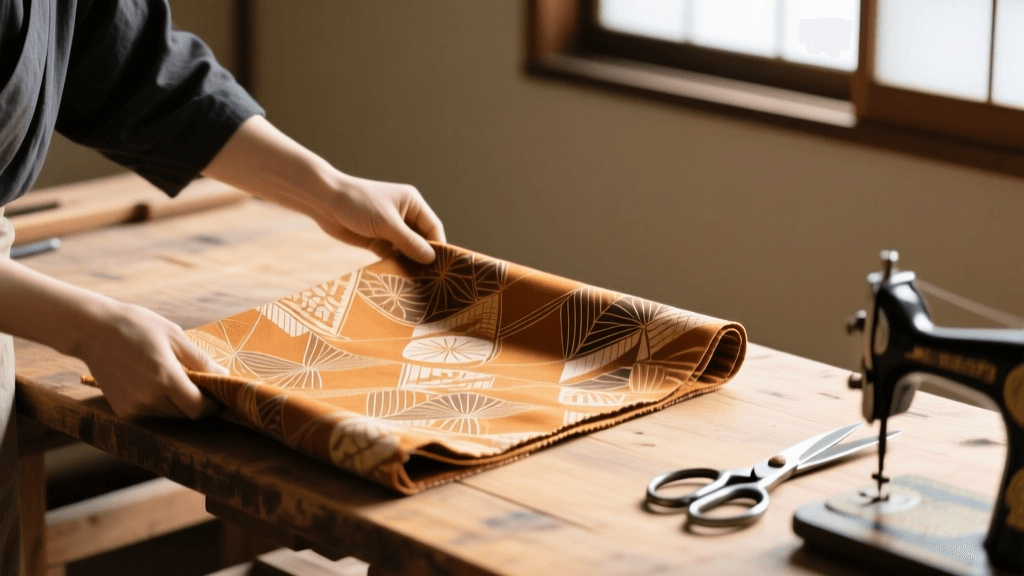
The word Komon translates to 'fine pattern' or 'small print.' Historically, these garments were the everyday wear of the Edo period merchant and samurai classes. Today, Komon represents the most casual tier of silk kimono, characterized by repeating patterns that cover the entire fabric without a directional flow.
Types of Komon
- Edo Komon: The most prestigious of the casual tier. Originating from samurai kamishimo (formal trousers and jackets), Edo Komon features micro-patterns so incredibly fine that, from a distance, the fabric appears solid. In 2026, authentic hand-dyed Edo Komon crafted by designated artisans in Tokyo remain highly sought after by collectors.
- Kyo-Komon (Kyoto Komon): Known for softer, more pictorial, and slightly larger repeating motifs. These often feature seasonal flora, geometric shapes, or abstract designs, making them highly versatile for modern styling.
Because the patterns do not form a continuous picture across the seams, Komon is strictly reserved for casual outings, theater visits, and informal dining. In 2026, styling a Komon with a contrasting, modern Hanhaba (half-width) obi is a popular trend among younger demographics in Harajuku and Shimokitazawa.
Tsumugi: Rustic Elegance and Woven Textiles
If Komon is defined by its dyed patterns, Tsumugi is defined by its woven texture. Tsumugi refers to pongee silk—a fabric woven from pre-dyed yarns, often utilizing irregular, slubbed silk threads that give the textile a distinct, rustic, and matte finish. It is the quintessential 'smart-casual' garment of the Japanese wardrobe.
'Tsumugi represents the soul of Japanese rural craftsmanship. It is not meant for grand ceremonies, but for the quiet, profound beauty of daily life and intellectual pursuits.' — 2026 Textile Heritage Symposium, Kyoto.
Heritage Weaves: Yuki and Oshima
The prestige of a Tsumugi kimono lies in its regional origin and weaving technique. The UNESCO Intangible Cultural Heritage list recognizes Yuki-tsumugi, a labor-intensive technique from Ibaraki and Tochigi prefectures where silk floss is hand-spun and bound with thread before dyeing, creating intricate, precise geometric kasuri (ikat) patterns.
Another highly prized variant is Oshima Tsumugi from Amami Oshima, renowned for its mud-dyeing process that yields deep, rich blacks and complex dark brown patterns. In 2026, genuine Oshima Tsumugi commands premium prices due to the shrinking number of master mud-dyers, making vintage pieces from the late 20th century highly valuable investments.
Comparative Guide: Garment Types and Formality
Understanding where these garments sit in the kimono hierarchy is crucial for proper etiquette. Below is a 2026 market and formality comparison to guide your purchasing decisions.
| Feature | Komon | Tsumugi | Houmongi (Reference) |
|---|---|---|---|
| Formality | Casual / Everyday | Casual / Smart-Casual | Semi-Formal / Formal |
| Pattern Style | Repeating, all-over, non-directional | Woven, subtle, kasuri or striped | Continuous, flowing across seams |
| Typical Fabric | Dyed Silk, Cotton, Linen blends | Pongee Silk, Raw Silk, Cotton | High-grade Dyed Silk (Crepe, Rinzu) |
| 2026 Avg. Price (Vintage) | $40 - $150 USD | $80 - $400 USD | $120 - $500 USD |
| 2026 Avg. Price (New Artisan) | $400 - $1,200 USD | $2,000 - $15,000+ USD | $1,500 - $4,000 USD |
| Best Paired Obi | Hanhaba (Half-width), Nagoya | Nagoya, Fukuro (for smart-casual) | Fukuro (Full-width brocade) |
2026 Sourcing Guide: Where and How to Buy
The market for traditional Japanese garments has evolved significantly by 2026, blending physical heritage shops with highly curated digital platforms. According to the Victoria and Albert Museum's comprehensive textile archives, the appreciation for kimono as global art objects has driven a surge in verified online marketplaces.
Buying Vintage and Recycled (Re-cycle Shops)
For beginners and budget-conscious collectors, Japan's 'recycle' (vintage) kimono shops remain the best resource. Chains like Chicago in Tokyo and Tansu-ya in Kyoto offer racks of unsorted Komon and Tsumugi. In 2026, expect to pay between 3,000 JPY and 15,000 JPY ($20 to $100 USD) for a standard vintage Komon. Tsumugi will be slightly higher, starting around 8,000 JPY due to the enduring value of woven silk.
Investing in New Artisan Pieces
If you are seeking a brand-new, custom-fitted Tsumugi, you must engage with specialized dealers in Ginza (Tokyo) or Shijo-dori (Kyoto). Be prepared for a lengthy process; a genuine Yuki-tsumugi commissioned in early 2026 may take up to eight months to weave and deliver. Prices for new, artisan-crafted Tsumugi easily exceed 1,500,000 JPY ($10,000 USD), reflecting the intense manual labor and preservation of endangered craft techniques.
Styling and Accessorizing for the Contemporary Era
The beauty of Komon and Tsumugi lies in their styling flexibility. In 2026, the strict rules of kitsuke (kimono dressing) have relaxed for casual wear, allowing for personal expression.
- The Obi (Sash): Pair a busy Komon with a solid-colored, textured Nagoya obi to balance the visual weight. Conversely, a subtle, dark Tsumugi can handle a boldly patterned obi featuring modern or pop-art motifs, a trend that has dominated Tokyo street fashion this year.
- Obijime and Obidome: The braided cord (obijime) and decorative clasp (obidome) are where you can inject 2026 aesthetics. Glass, resin, and even 3D-printed obidome are currently being used to modernize vintage Tsumugi ensembles.
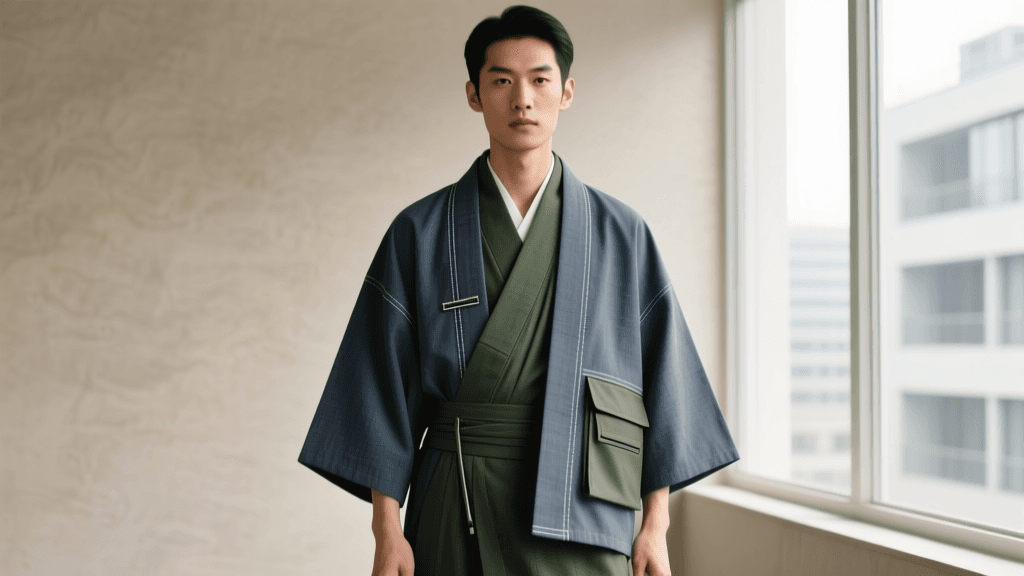
- Footwear: While traditional zori and tabi socks are standard, the 2026 'neo-traditional' movement frequently pairs casual cotton Komon with leather lace-up boots or minimalist sneakers for museum visits and casual cafe hopping.
- Layering: In colder months, the haori (kimono jacket) is essential. A plain black silk haori instantly elevates a casual Tsumugi to 'smart-casual' restaurant-appropriate attire.
Care, Storage, and Maintenance
Proper care ensures these garments survive for generations. The traditional method of arai-hari (taking the kimono apart, washing the fabric panels, and re-sewing them) is still practiced but is expensive and time-consuming.
For everyday maintenance in 2026, follow these actionable steps:
- Airing Out: After wearing, hang the kimono on a specialized wide wooden kimono hanger (not a wire hanger, which damages the shoulders) in a shaded, well-ventilated room for 24 hours to release moisture and odors.
- Spot Cleaning: Never use water on silk Komon or Tsumugi. Use a specialized dry-cleaning brush or take it to a trusted local kimono clinic for targeted stain removal.
- Storage: Store folded in tatoushi (acid-free paper or breathable cotton envelopes) inside a paulownia wood chest (tansu). Paulownia naturally regulates humidity and repels insects, which is vital for preserving the integrity of woven Tsumugi silk.
- Modern Washables: Note that several 2026 textile innovators in Kyoto have introduced 'washable silk' and high-grade polyester blends designed to mimic the slubbed texture of Tsumugi. These are excellent for travel and can be gently hand-washed, though purists still prefer traditional pongee.
Conclusion
The Komon and Tsumugi kimono represent the living, breathing aspect of Japanese sartorial heritage. They are not museum relics, but dynamic garments meant to be worn, experienced, and integrated into modern life. By understanding their distinct characteristics, proper formality, and care requirements, you can confidently build a traditional Japanese wardrobe that honors the past while firmly stepping into the style landscape of 2026.