Buy Authentic Hanbok Online: Top 2026 Marketplaces
The Global Demand for Authentic Hanbok in 2026
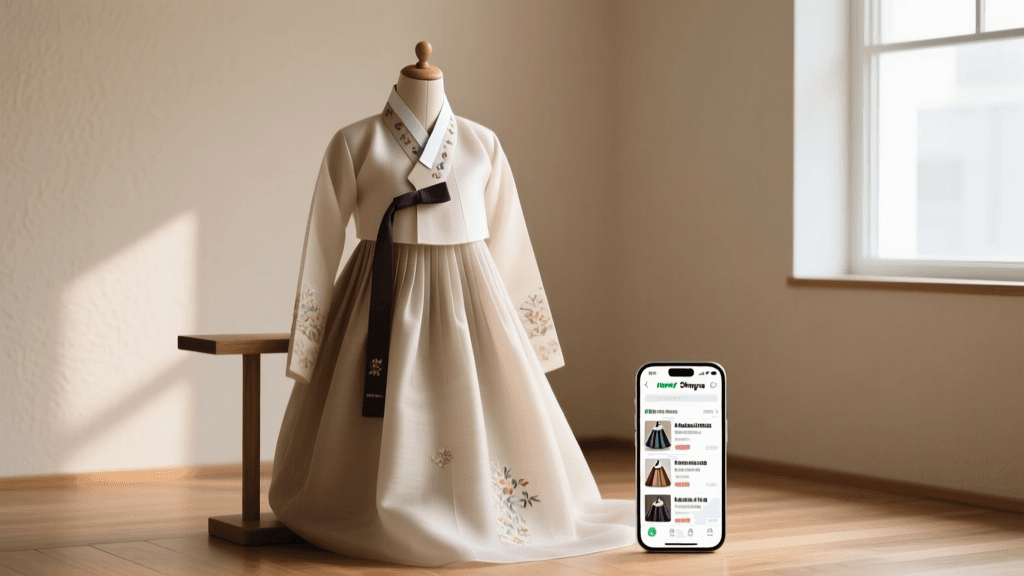
The renaissance of the Hanbok has transformed it from a garment reserved strictly for traditional holidays like Chuseok and Seollal into a global fashion statement. Driven by the immense international popularity of Korean historical dramas, K-pop music videos, and a growing appreciation for sustainable, slow fashion, the demand for authentic Korean traditional dress has skyrocketed. However, as we navigate the e-commerce landscape in 2026, international buyers face a significant hurdle: the market is heavily saturated with fast-fashion replicas. These mass-produced garments, often found on Western e-commerce giants, rely on cheap polyester blends, machine-stamped patterns, and historically inaccurate silhouettes.
To acquire a genuine Hanbok—characterized by its graceful curves, vibrant natural dyes, and meticulous hand-stitched details—buyers must look beyond standard global marketplaces. According to the Metropolitan Museum of Art, the structural integrity of traditional Korean dress, particularly the subtle curve of the sleeves and the precise placement of the collar, is deeply tied to the philosophical and aesthetic principles of the culture. Securing an authentic piece requires navigating domestic Korean online marketplaces, understanding traditional textiles, and knowing how to leverage modern cross-border shopping tools available in 2026.
The 2026 E-Commerce Landscape for Traditional Korean Dress
Historically, purchasing authentic Hanbok from outside the Korean peninsula required hiring specialized proxy buyers or relying on expensive boutique export services. In 2026, the digital infrastructure has evolved dramatically. AI-driven browser extensions and native platform translations have made domestic Korean sites highly accessible to English-speaking consumers. Furthermore, the Korean government's ongoing initiatives to promote cultural heritage exports have led to streamlined customs processing and integrated global shipping options on major domestic platforms.
Despite these advancements, the key to a successful purchase lies in knowing exactly where to look and which search terms to use. Searching for 'Hanbok' in English on global sites will predominantly yield costume-grade replicas. To find authentic garments crafted from genuine Myeongju (silk) or Mosi (ramie), you must utilize Korean domestic search engines and specialized heritage brands.
Top Trusted Online Marketplaces for Authentic Hanbok
Naver Shopping: The Domestic Goldmine
Naver Shopping remains the undisputed king of Korean e-commerce in 2026. As the primary search engine for domestic consumers, it aggregates inventory from thousands of independent artisans, heritage boutiques, and established Hanbok designers. To find authentic pieces, you must use Hangul search terms. Searching for '전통 한복' (traditional hanbok) or '명주 한복' (silk hanbok) will filter out the modernized costume rentals and direct you to genuine artisanal sellers. Naver's integrated payment system now supports major international credit cards, though you may still need a freight forwarder for sellers who do not offer direct overseas shipping.
Gmarket Global: The Accessible Alternative
For buyers who prefer a native English interface and straightforward international shipping, Gmarket Global is the most reliable option. While it carries a mix of modern and traditional goods, Gmarket hosts official storefronts for several recognized Hanbok brands. The platform's 'Global Shipping' dashboard calculates EMS and DHL freight costs at checkout, eliminating the guesswork of customs duties. When shopping here, look for the 'Premium Seller' badge and read user reviews that include photo uploads to verify the fabric's drape and the quality of the goreum (coat ties).
Direct Heritage Brands: Leesle and Sonjjang
For those seeking a blend of historical authenticity and modern wearability, purchasing directly from established heritage brands is the safest route. Brands like Leesle and Sonjjang Hanbok have pioneered the 'modern-traditional' movement. They maintain authentic construction techniques—such as the structured dongjeong (white paper collar) and the curved baerae (sleeve line)—while adjusting the length of the jeogori (jacket) for contemporary daily wear. Both brands operate robust English-language direct-to-consumer websites in 2026, offering worldwide DHL shipping and comprehensive size-exchange policies for international clients.
Understanding Traditional Textiles and 2026 Pricing
Authenticity in Hanbok is intrinsically linked to its fabric. The Korea.net Cultural Portal highlights that traditional textiles are not merely decorative but are chosen for their seasonal appropriateness and symbolic value. Understanding these fabrics is crucial for evaluating online listings and ensuring you are paying a fair market price.
- Myeongju (Silk): The standard for luxury and ceremonial Hanbok. Genuine Myeongju has a soft, subtle sheen and excellent temperature regulation. In 2026, a basic adult silk set ranges from 400,000 to 900,000 KRW ($290 - $650 USD), while heavily embroidered ceremonial sets can exceed 2,500,000 KRW.
- Mosi (Ramie): A premium summer fabric known for its crisp texture and breathability. Authentic Hansan Mosi is incredibly labor-intensive to weave. Expect to pay between 600,000 and 1,500,000 KRW ($430 - $1,080 USD) for a high-quality summer set.
- Sambe (Hemp): Traditionally used for mourning or commoner dress, modern designers have elevated Sambe for its rustic, eco-friendly appeal. It is generally more affordable, ranging from 250,000 to 500,000 KRW.
Authentic vs. Fast-Fashion: A 2026 Buyer's Comparison
When browsing online, use this comparison chart to quickly identify whether a listing is offering a genuine traditional garment or a mass-produced costume.
| Feature | Authentic Boutique Hanbok (2026) | Fast-Fashion Replica |
|---|---|---|
| Primary Fabric | 100% Silk, Ramie, or Hemp with natural drape | Polyester, Nylon, or cheap synthetic blends |
| Collar (Dongjeong) | Removable, structured white paper/fabric insert | Printed white line or flimsy stitched fabric |
| Sleeve Curve (Baerae) | Distinctive gentle curve mimicking a bird's wing | Straight, tubular cut typical of Western blouses |
| Coat Ties (Goreum) | Long, wide, hand-stitched, and properly weighted | Short, narrow, machine-stitched, and flimsy |
| Price Range (USD) | $250 - $1,500+ | $25 - $80 |
Decoding Korean Sizing and Measurements
One of the most daunting aspects of buying Hanbok online is navigating the Korean sizing system. Unlike Western sizing, which relies heavily on bust and hip measurements, traditional Hanbok is remarkably forgiving due to its wrap-around skirts (chima) and adjustable ties. However, the fit of the jeogori (jacket) is critical.
Korean women's sizing typically uses a numerical system based on a standardized fit model. In 2026, the most common sizes you will encounter on Naver Shopping and boutique sites are:
- Size 44: Equivalent to US 0-2 / UK 4-6 (Bust approx. 31-32 inches)
- Size 55: Equivalent to US 4-6 / UK 8-10 (Bust approx. 33-34 inches) - This is the standard baseline size.
- Size 66: Equivalent to US 8-10 / UK 12-14 (Bust approx. 35-37 inches)
- Size 77: Equivalent to US 12-14 / UK 16-18 (Bust approx. 38-40 inches)
For the chima (skirt), the most important measurement is your high waist, measured just below the bust line where the skirt will sit. Most authentic online boutiques offer custom-length adjustments for the skirt hem if you provide your exact height and desired drop length in the order notes.
Navigating Shipping, Customs, and Care
When ordering from domestic Korean sites via proxy or direct global checkout in 2026, expect shipping to take between 7 to 14 days via EMS or FedEx. Be aware that authentic silk Hanbok are considered high-value goods; depending on your country's import thresholds, you may be subject to customs duties. Always declare the exact value to avoid seizures or delays.
Once your authentic Hanbok arrives, proper care is essential to preserve the natural fibers. According to textile conservation guidelines referenced by Encyclopedia Britannica, traditional garments should never be machine washed. Silk and ramie must be professionally dry-cleaned by a service familiar with delicate heritage textiles. When storing your Hanbok, avoid wire hangers which will distort the baerae sleeve curve. Instead, fold the garments along their natural seam lines and store them in breathable cotton pouches or traditional mulberry paper (hanji) boxes to protect the natural dyes from light degradation and moisture.
Conclusion
Investing in an authentic Hanbok is an investment in wearable art and living history. By bypassing the noise of fast-fashion marketplaces and utilizing domestic Korean platforms like Naver Shopping, or purchasing directly from heritage brands, you ensure that the garment you receive honors centuries of sartorial tradition. With the digital tools available in 2026, securing a genuine, beautifully crafted piece of Korean culture has never been more accessible to the global enthusiast.