Top Hanfu Styling Certification & Workshop Guide 2026
The Professionalization of Hanfu in 2026
Over the past decade, the Hanfu movement has evolved from a passionate, grassroots internet subculture into a highly formalized, globally recognized industry. As we navigate 2026, the demand for certified Hanfu stylists, historical dress consultants, and traditional textile experts has skyrocketed. This surge is driven by high-budget historical film productions, luxury fashion brand collaborations, international cultural exhibitions, and a booming traditional wedding market that demands absolute historical accuracy. What was once a hobbyist pursuit is now a lucrative profession requiring verifiable credentials, deep historical knowledge, and technical styling expertise.
For cultural enthusiasts, fashion historians, and wardrobe professionals, enrolling in a formal Hanfu education workshop or certification program is no longer just an option; it is an industry standard. Studios, film sets, and high-end bridal boutiques now require verified certifications to ensure dynasty-accurate layering, textile authenticity, and proper ceremonial protocols. This comprehensive guide explores the premier Hanfu styling certification programs available in 2026, breaking down their curricula, costs, and the career pathways they unlock.
Why Pursue a Hanfu Certification in 2026?
The global market for traditional Chinese garments and heritage-inspired fashion is projected to exceed 25 billion RMB in 2026. However, with market expansion comes a critical need for quality control. The proliferation of inaccurate, mass-produced 'costume-grade' Hanfu has created a distinct premium tier for historically accurate, custom-tailored garments. Certified consultants act as the gatekeepers of this premium tier.
Earning a certification provides three distinct advantages:
- Authority and Trust: Clients, film directors, and museum curators require proof of your expertise before hiring you for high-stakes projects.
- Technical Mastery: Understanding the complex engineering of garments like the Ming dynasty Mamianqun (horse-face skirt) or the Tang dynasty Qixiong Ruqun requires specialized, hands-on training that cannot be fully grasped through self-study.
- Networking Opportunities: Top-tier workshops connect you directly with master weavers, heritage silk artisans, and elite production designers.
Top Hanfu Certification Programs Compared
When selecting a program, it is crucial to choose one that balances historical theory with practical styling application. Below is a comparison of the most prestigious Hanfu education programs operating in 2026.
| Program Name | Institution | Duration | Cost (2026) | Format | Best For |
|---|---|---|---|---|---|
| Professional Hanfu Stylist Certification | China Hanfu Association (CHA) | 6 Weeks (Intensive) | $2,400 USD | In-Person (Beijing/Suzhou) | Bridal stylists and film wardrobe supervisors |
| Historical Dress & Textile Heritage Extension | Beijing Institute of Fashion Technology (BIFT) | 12 Weeks | $3,800 USD | Hybrid (Online Theory + Lab) | Museum curators and academic researchers |
| Global Hanfu Heritage Consultant Diploma | Asian Traditional Garment Academy (Online) | 6 Months | $1,200 USD | 100% Online | International enthusiasts and content creators |
Core Curriculum Breakdown: What You Will Learn
The most reputable workshops in 2026 have moved beyond basic garment identification. They now offer rigorous, multi-disciplinary curricula that cover the intersection of history, textiles, and sociology.
1. Dynasty-Specific Silhouette Engineering
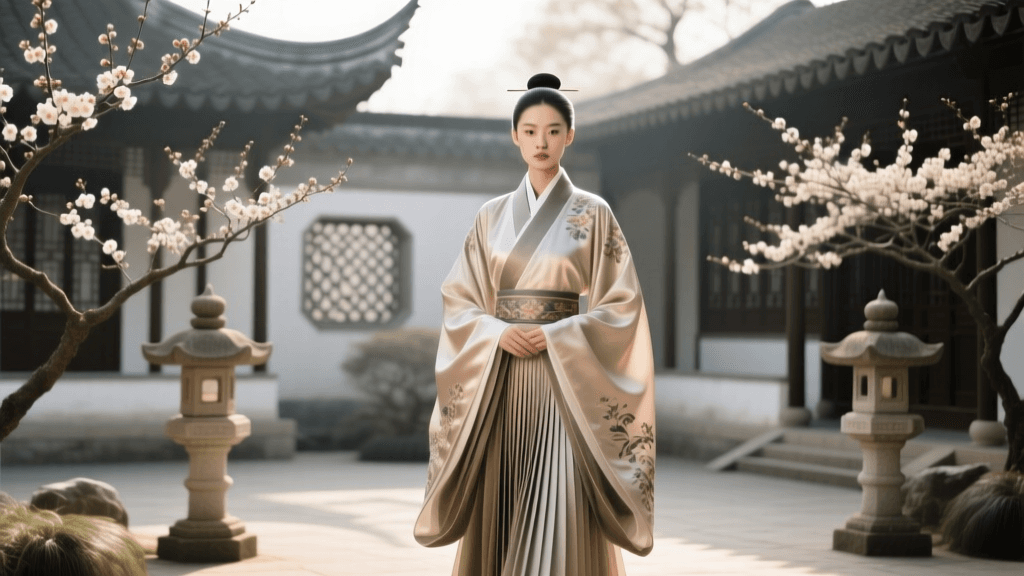
A core pillar of any certification is understanding the structural evolution of Hanfu. Students learn the precise cutting techniques, layering rules, and proportional ratios unique to different eras. For example, the curriculum heavily contrasts the flowing, wide-sleeved elegance of the Song dynasty Beizi with the structured, heavily pleated, and ornate silhouettes of the Ming dynasty. Trainees must pass practical exams where they are required to dress models using historically accurate undergarments, inner layers (zhongyi), and outer garments, ensuring that the collar layering strictly follows the traditional jiaoling youren (left over right) rule, a fundamental tenet of Han cultural identity.
2. Advanced Textile and Sericulture Studies
You cannot accurately style or consult on Hanfu without a profound understanding of its foundational materials. Advanced modules delve into traditional weaving techniques such as Kesi (silk tapestry), Zhuanghua (brocade), and various gauze weaves. Students study the historical context of silk production, often referencing resources like UNESCO's Intangible Cultural Heritage list regarding Chinese sericulture and silk craftsmanship. Understanding the drape, weight, and light-reflective properties of authentic mulberry silk versus modern synthetic substitutes is a mandatory testing component for graduation.
3. Ceremonial Protocol and Accessory Sourcing
Hanfu is incomplete without its accompanying accessories, which carry strict hierarchical and ceremonial significance. Workshops teach the metallurgy and jade-carving history behind hairpins (zan and chai), step-shake ornaments (buyao), and ceremonial belts. Furthermore, students learn the sociological context of these items: which metals and motifs were legally restricted to nobility during the Tang dynasty, and how to ethically source authentic, artisan-crafted replicas for modern clients without violating cultural sensitivities.
Career Paths for Certified Hanfu Consultants
Graduates of these 2026 certification programs are entering a robust job market with diverse opportunities:
- Film and Television Wardrobe Consulting: With streaming platforms investing heavily in high-fidelity historical dramas, production companies hire certified consultants to audit wardrobe departments and ensure on-screen accuracy, preventing public backlash from highly knowledgeable audiences.
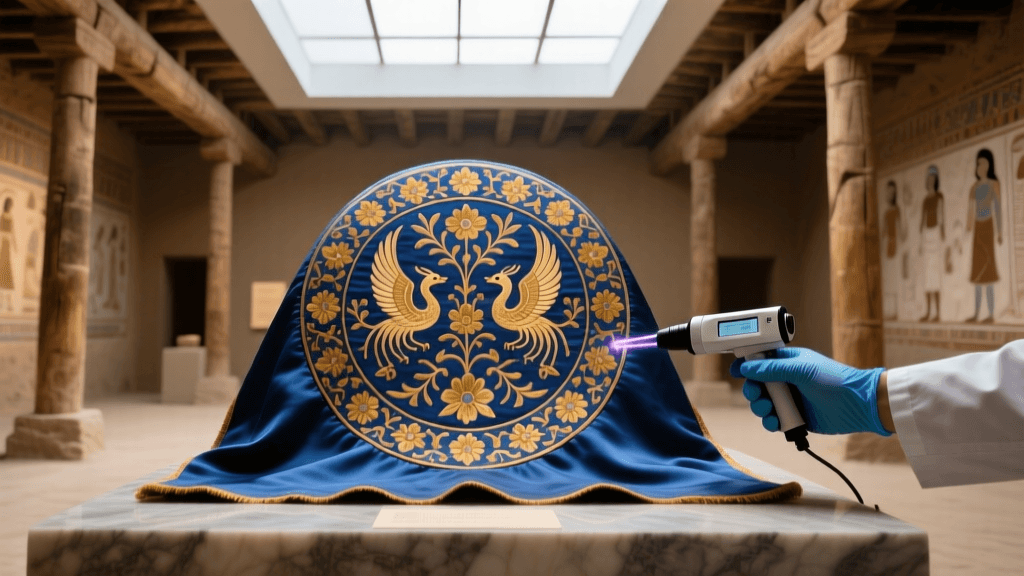
- Museum and Exhibition Curation: Cultural institutions frequently require experts to mount traditional garments correctly on mannequins, ensuring the structural integrity of fragile antique textiles while presenting them in a culturally accurate context. Professionals often collaborate with institutions and reference archives similar to The Metropolitan Museum of Art's historical textile archives to inform their displays.
- High-End Bridal and Ceremonial Studios: As traditional Hanfu weddings become a premium alternative to Western white gowns, certified stylists are hired to manage the complex, multi-layered dressing processes and oversee the ceremonial etiquette of the day.
- Heritage Brand Advisory: Global luxury fashion houses frequently consult Hanfu experts when designing collections inspired by Asian antiquity, ensuring their designs pay respectful homage rather than falling into the trap of cultural appropriation.
How to Prepare and Enroll: Actionable Advice
If you are planning to enroll in a Hanfu certification program this year, preparation is key to maximizing your educational return on investment.
- Build a Baseline Portfolio: Before applying to elite programs like BIFT's extension course, document your current knowledge. Create a digital portfolio analyzing three distinct Hanfu outfits, detailing their historical origins, textile compositions, and styling accuracy.
- Language Requirements: While online global diplomas are taught in English, the most prestigious in-person workshops in Beijing and Suzhou require a minimum HSK 4 (Mandarin proficiency) to fully engage with master artisans and historical texts.
- Budget for Materials: Tuition is only the beginning. Allocate an additional $500 to $800 USD for purchasing authentic practice garments, specialized styling tools, and raw textile swatches required for your final capstone projects.
- Engage with the Community: Join professional forums and attend local Hanfu cultural festivals prior to enrollment. Networking with alumni will provide unfiltered insights into which specific instructors offer the most rigorous and career-advancing mentorship.
Conclusion
The Hanfu renaissance has firmly transitioned into a professionalized industry. By investing in a recognized Hanfu styling certification in 2026, you are not merely learning how to drape ancient fabrics; you are becoming a certified guardian of Asian sartorial heritage. Whether your goal is to style for the silver screen, curate museum exhibitions, or launch a luxury bridal consultancy, formal education provides the historical rigor and technical mastery required to excel in this vibrant, culturally profound field.