Hanbok Guide 2026: Ceremonial Wonsam vs Everyday Wear
The Evolution of the Hanbok in 2026
The Korean hanbok is a masterclass in sartorial duality, representing both the opulent history of the Joseon Dynasty and the dynamic, fast-paced lifestyle of modern Seoul. As we navigate the fashion landscape of 2026, the distinction between ceremonial and everyday traditional garments has never been more pronounced, nor more creatively explored. While global audiences often associate the hanbok with the voluminous, brightly colored silk dresses seen in historical K-dramas, the reality of contemporary Korean traditional dress is far more nuanced. Today, the market is sharply divided between the meticulously preserved ceremonial robes, such as the Wonsam and Hwalot, and the booming, highly functional 'Saenghwal Hanbok' (lifestyle hanbok) sector. Understanding the differences in construction, fabric technology, cost, and styling between these two categories is essential for anyone looking to invest in, wear, or study Asian traditional garments in 2026.
Ceremonial Hanbok: The Majesty of the Wonsam and Hwalot
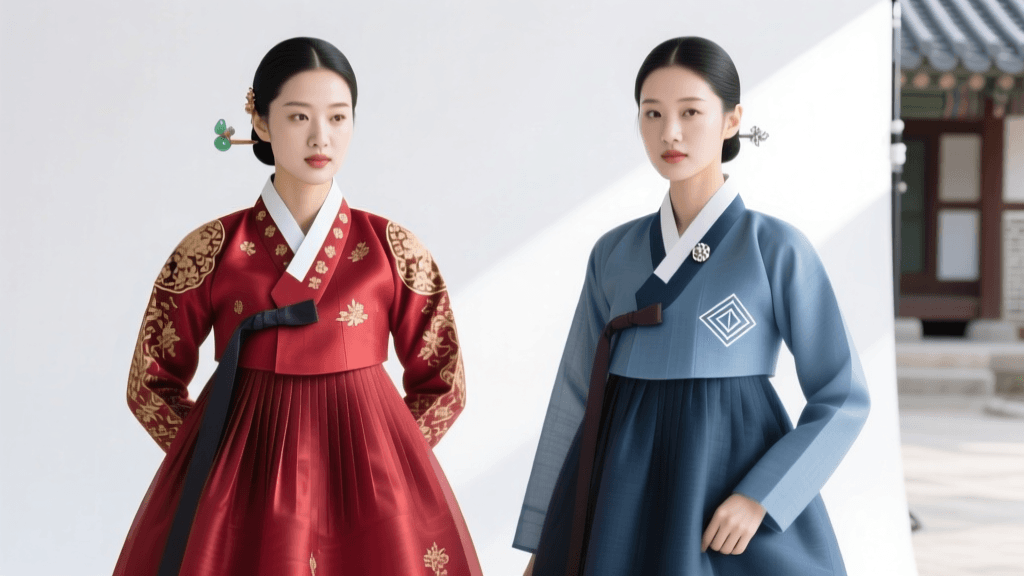
Ceremonial hanbok is rooted in strict Confucian sumptuary laws and royal court protocols. The most iconic of these is the Wonsam, a formal over-robe worn by queens, princesses, and high-ranking court women, and the Hwalot, the elaborate bridal robe that remains a staple in traditional Korean weddings today. According to historical archives preserved by the National Museum of Korea, these garments were designed to project authority, virtue, and cosmic harmony through their color palettes and intricate embroidery.
Fabrics and Embellishments
In 2026, authentic ceremonial hanbok continues to rely on premium, heavyweight silks, including myeongju (woven silk) and rich brocades. The defining feature of the Wonsam and Hwalot is the use of geumbak (gold leafing) and elaborate hand-embroidery featuring peonies, butterflies, and phoenixes, which symbolize wealth, longevity, and nobility. The creation of a single custom Hwalot for a modern bride can take master artisans over 300 hours, utilizing real gold leaf pressed into the silk using traditional adhesive techniques that have been refined over centuries.
Construction and Silhouette
The ceremonial silhouette is intentionally imposing. The Wonsam features exceptionally wide sleeves with contrasting color stripes (saekdong) and side slits that reveal the layers of undergarments beneath. The skirt, or chima, is heavily pleated and gathered high on the chest, creating a bell-like shape that restricts rapid movement, thereby enforcing a slow, graceful, and dignified gait. The jacket, or jeogori, is fastened with long, ornamental breast ties called goreum, which are often adorned with jade pendants or intricate knotwork.
Everyday Hanbok: The Saenghwal (Lifestyle) Revolution
While ceremonial wear preserves the past, the Saenghwal Hanbok is firmly planted in the present. Translating to 'lifestyle hanbok,' this category has exploded in popularity over the last decade and has reached a zenith of sophistication in 2026. Driven by a desire to wear traditional garments outside of tourist zones and into everyday environments like offices, cafes, and universities, modern designers have radically re-engineered the hanbok for contemporary life.
Modern Fabrics and Sustainability
The 2026 Saenghwal Hanbok market is heavily influenced by the global push for sustainable fashion. Leading brands are moving away from high-maintenance dry-clean-only silks and are instead utilizing eco-friendly Tencel, organic cotton, linen blends, and recycled polyester. These fabrics offer the beautiful drape and structural integrity required for a traditional silhouette but are entirely machine-washable, breathable, and resistant to wrinkling. This shift has made the everyday hanbok a viable option for year-round wear, adapting to both the humid Korean summers and freezing winters through innovative layering textiles.
Structural Innovations for Modern Living
The most significant differences in everyday hanbok lie in its hidden structural modifications. The traditional goreum (breast ties) are often replaced or supplemented with hidden snap buttons, hooks, or elastic bands, allowing the wearer to put on the garment in seconds rather than minutes. The chima (skirt) has been shortened to ankle or calf length to prevent tripping on modern pavements and subway stairs. Crucially, 2026 lifestyle hanbok designs almost universally include deep, hidden side pockets—a modern necessity that was entirely absent in historical court dress. Furthermore, the waistbands of everyday skirts frequently feature elasticized backs or adjustable hook-and-eye closures, replacing the need for complex tying techniques that can dig into the ribs.
Head-to-Head Comparison: Ceremonial vs. Everyday Hanbok (2026)
To fully grasp the functional and financial differences between these two garment categories, refer to the comprehensive comparison table below, reflecting market data and design standards for 2026.
| Feature | Ceremonial (Wonsam / Hwalot) | Everyday (Saenghwal Hanbok) |
|---|---|---|
| Primary Fabrics | Heavy silk brocade, Myeongju, real gold leaf (Geumbak) | Tencel, organic cotton, linen blends, machine-washable poly-silk |
| Fasteners & Ties | Traditional long Goreum ties, intricate hand-knotted knots | Hidden snap buttons, zippers, elastic waistbands, short decorative ties |
| Pockets | None (historically relied on separate pouches or wide sleeves) | Deep, hidden side-seam pockets integrated into the Chima |
| Average 2026 Cost (USD) | $3,500 - $8,500+ (Custom, hand-embroidered) | $80 - $250 (Ready-to-wear separates) |
| Care & Maintenance | Strict professional dry-cleaning, climate-controlled storage | Machine washable (gentle cycle), tumble dry low, steam iron |
| Weight & Mobility | Heavy (up to 4-6 kg), restricts fast movement | Lightweight (under 1 kg), designed for active commuting |
| Primary Occasions | Weddings, royal reenactments, high-level cultural ceremonies | Office wear, casual outings, travel, modern tea ceremonies |
Styling Your Hanbok in 2026: Practical Advice
Styling a hanbok requires an understanding of proportion, color theory, and the specific context of your environment. The approach to accessorizing a ceremonial robe is vastly different from integrating a lifestyle hanbok into a modern wardrobe.
Accessorizing the Ceremonial Look
When wearing a Wonsam or Hwalot, the goal is historical reverence and visual grandeur. Footwear should consist of traditional hwa (silk or leather boots) or embroidered kkotsin (floral shoes). Hair must be styled in an elaborate braided crown or updo, adorned with a daenggi (ribbon) and binyeo (hairpin) made of jade, wood, or precious metals. In 2026, many brides opt for lightweight, 3D-printed resin replicas of heavy historical hairpieces to reduce neck strain during long wedding ceremonies, maintaining the visual aesthetic without the physical burden.
Integrating Everyday Hanbok into a Modern Wardrobe
The beauty of the Saenghwal Hanbok lies in its modularity. In 2026, it is highly fashionable to mix and match traditional separates with contemporary Western clothing. A structured, high-necked cotton jeogori can be paired with high-waisted wide-leg trousers for a chic office look, bypassing the traditional skirt entirely. Conversely, a voluminous, solid-colored Tencel chima can be paired with a simple, modern fitted turtleneck or a tailored blazer. For footwear, everyday hanbok is routinely styled with white leather sneakers, chunky loafers, or modern ankle boots, bridging the gap between heritage and streetwear. According to cultural immersion guides provided by the Korea Tourism Organization, blending traditional silhouettes with modern accessories is the preferred way for both locals and international visitors to respectfully and comfortably engage with Korean sartorial culture in daily life.
Sourcing and Buying Guide for 2026
For those looking to purchase a hanbok, the sourcing strategy depends entirely on whether you are seeking a ceremonial investment piece or an everyday wardrobe staple.
- Ceremonial Sourcing: Authentic Wonsam and Hwalot are rarely bought off-the-rack. They are commissioned from master artisans (myeongjang) or specialized boutiques in the Bukchon Hanok Village and Insadong districts of Seoul. Expect a consultation process involving precise measurements, fabric selection, and embroidery motif approval, followed by a lead time of three to six months.
- Everyday Sourcing: The Saenghwal Hanbok market is highly accessible. Brands like Danha, Leesle, and Tchai Kim dominate the 2026 landscape, offering seasonal collections that align with global fashion weeks. These can be purchased directly from their flagship stores in Seoul's Seongsu-dong and Hannam-dong neighborhoods, or via their global e-commerce platforms which now offer comprehensive international shipping and localized sizing charts for Western buyers.
- Rental vs. Purchase: While renting heavily embellished ceremonial-style hanbok remains popular for tourists visiting the Gyeongbokgung Palace, the 2026 trend heavily favors purchasing everyday hanbok. The relatively low entry price of a Saenghwal skirt (often under $100 USD) and its high re-wearability make ownership far more economical and sustainable than repeated rentals.
Conclusion
The hanbok in 2026 is not a monolith; it is a living, breathing spectrum of fashion. The ceremonial Wonsam and Hwalot serve as vital, breathtaking anchors to Korean history, preserving ancient techniques and royal aesthetics for moments of profound cultural significance. Meanwhile, the Saenghwal Hanbok represents the future of traditional dress, proving that heritage garments can evolve to meet the practical, sustainable, and aesthetic demands of modern life. Whether you are commissioning a gold-leafed bridal robe or simply adding a machine-washable Tencel skirt to your daily rotation, understanding the distinct purposes and constructions of these garments ensures a deeper, more respectful engagement with one of Asia's most iconic sartorial traditions.