Ceremonial vs Everyday Kimono and Hanbok: 2026 Guide
The Dichotomy of Dress: Hare and Ke in 2026
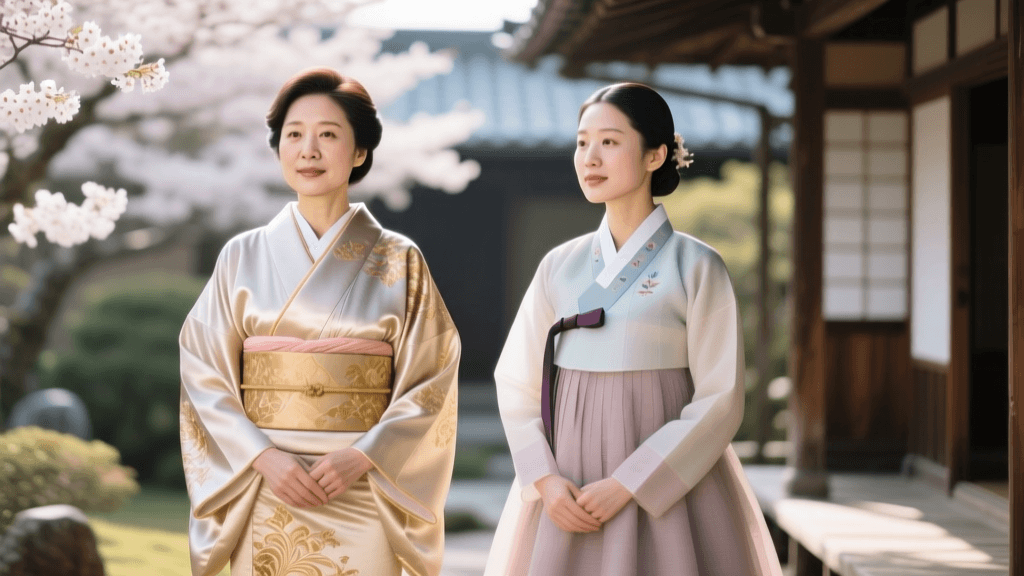
In East Asian sartorial culture, the distinction between the sacred and the mundane has historically dictated the construction, fabric, and styling of traditional garments. In Japan, this concept is encapsulated by the terms Hare (the extraordinary or ceremonial) and Ke (the everyday or ordinary). Similarly, in Korea, the divide between Myeongjeol (festive/ceremonial) and Saenghwal (daily life) hanbok has shaped centuries of fashion evolution. As we navigate through 2026, the landscape of Asian traditional garments is experiencing a fascinating renaissance. While ceremonial wear remains deeply anchored in historical preservation and strict sartorial codes, everyday traditional wear has been radically reimagined through modern textile technology, streetwear integration, and modular design.
For enthusiasts, collectors, and cultural practitioners, understanding the precise boundaries between ceremonial and everyday garments is crucial for proper etiquette, budgeting, and styling. This comprehensive 2026 guide breaks down the structural, material, and cultural differences between Japan's Haregi and Seiso kimono, alongside Korea's ceremonial and Saenghwal hanbok.
The Japanese Kimono: Haregi (Ceremonial) vs. Seiso (Everyday)
Haregi: The Art of Ceremonial Silk
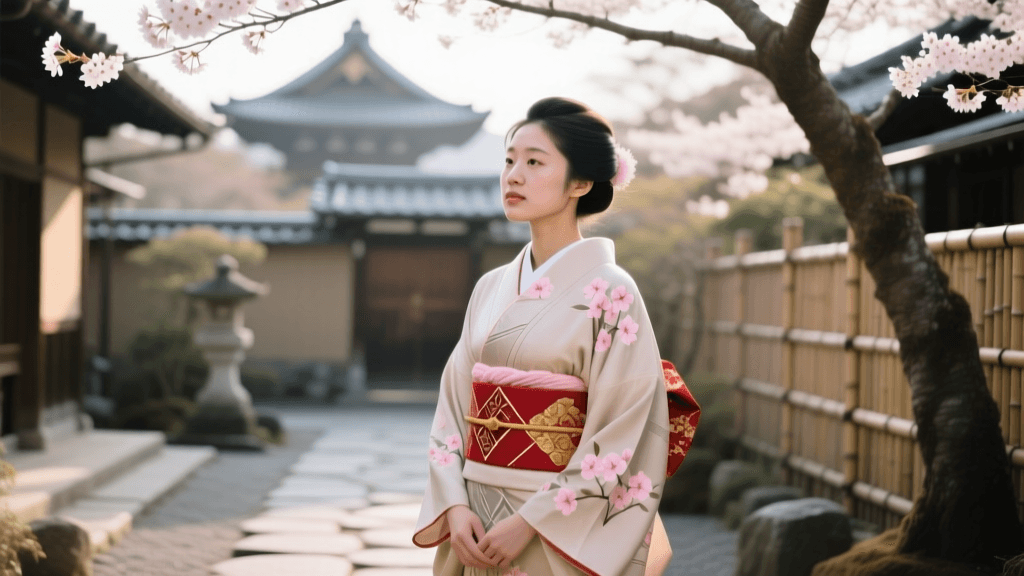
Haregi represents the pinnacle of Japanese textile artistry. These are the garments worn for coming-of-age ceremonies (Seijin Shiki), weddings, and formal tea ceremonies. The most iconic Haregi include the Furisode (long-sleeved kimono for unmarried women) and the Kurotomesode (black-crested kimono for married women). In 2026, authentic Haregi continues to rely on heritage weaving techniques like Nishijin-ori (brocade) and Yuzen dyeing.
A formal Haregi ensemble is notoriously complex. It requires multiple layers, including the hadajuban (undergarment), nagajuban (inner robe), and a series of stiffeners and ties (koshihimo and datejime) to achieve the signature cylindrical silhouette. The outer silk is heavy, often lined with pristine white silk, and paired with a highly decorative, stiff brocade obi tied in complex knots like the fukura-suzume. According to the All Japan Kimono Association, the 2026 rental market for premium Furisode in Kyoto averages between $180 and $350 USD, reflecting the high cost of maintaining these delicate, non-washable textiles.
Seiso and Komon: The Everyday Renaissance
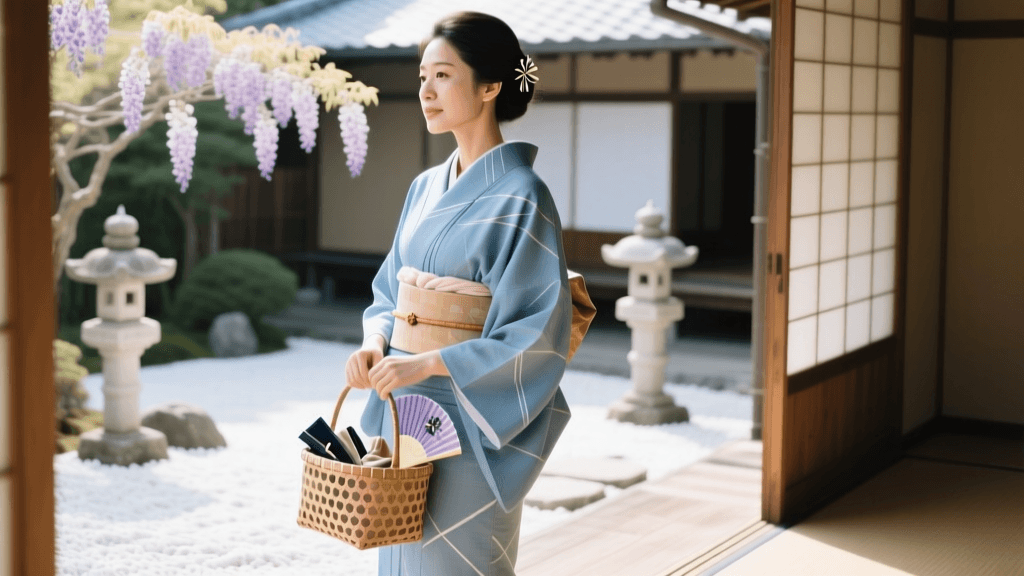
Conversely, everyday kimono—categorized broadly under Seiso (casual wear) and Komon (repeating pattern kimono)—prioritizes comfort, mobility, and ease of care. Historically made from cotton, hemp, or tsumugi (slubbed silk), everyday kimono feature shorter sleeves, softer and more pliable obi belts, and a more relaxed fit that allows for a natural body contour rather than a rigid cylinder.
The most significant shift in 2026 is the dominance of machine-washable silk and advanced polyester blends in the everyday market. Brands are now utilizing nano-coating technologies that repel stains while maintaining the breathable drape of traditional Oshima-tsumugi silk. For the modern practitioner, an everyday Komon can be purchased for $120 to $250 USD, washed at home on a delicate cycle, and dressed without the need for professional assistance. The styling is often paired with modern accessories, such as leather obi belts, lace obijime (decorative cords), and even sleek sneakers, bridging the gap between Edo-period tradition and 2026 urban streetwear.
The Korean Hanbok: Myeongjeol (Ceremonial) vs. Saenghwal (Everyday)
Myeongjeol and Honrye: Structured Elegance
Ceremonial hanbok, worn during major holidays like Seollal (Lunar New Year) and Chuseok, or for weddings (Honrye), is defined by its voluminous silhouettes and vibrant, symbolic colors. The women's ceremonial ensemble often features a Dangui (a formal jacket with extended front and back panels) or a heavily pleated Chima (skirt) made from stiff, high-grade Myeongju silk. The Jeogori (jacket) is meticulously tailored to sit high on the chest, fastened by a traditional, intricately tied Otgoreum knot.
Men's ceremonial wear includes the Durumagi (overcoat) and sometimes the Gwanbok (official court attire replicas for grooms). The National Folk Museum of Korea notes that contemporary preservationists are heavily focused on maintaining the natural dyeing processes (using indigo, safflower, and gardenia) for these ceremonial pieces. A high-end, custom-tailored ceremonial silk hanbok in 2026 can easily exceed $1,200 USD, representing a significant heirloom investment meant to be worn only a few times a year and professionally dry-cleaned.
Saenghwal Hanbok: The Daily Streetwear Staple
Saenghwal Hanbok (life hanbok) emerged in the late 20th century as a practical alternative for daily wear, but by 2026, it has evolved into a major fashion subculture. Designers have radically altered the proportions: the Chima is shortened to midi or mini lengths and made from lightweight, flowing fabrics like cotton-linen blends, ramie, and even denim. The Jeogori is often simplified, sometimes replacing the traditional Otgoreum knot with hidden magnetic clasps or modern toggle buttons for ease of wear.
Modern Saenghwal hanbok is designed to be layered over contemporary basics—think turtlenecks in the winter or crisp white button-downs in the summer. Brands like Leesle and Danha have popularized this aesthetic globally, with 2026 collections featuring modular pieces that can transition from office wear to evening outings. Pricing is highly accessible, with everyday skirts and tops ranging from $60 to $150 USD, making it a viable component of a daily capsule wardrobe.
2026 Comparison Matrix: Ceremonial vs. Everyday
To help you navigate your wardrobe choices, budgeting, and styling, refer to the comparative data table below outlining the core differences across both cultures.
| Feature | Ceremonial Kimono (Haregi) | Everyday Kimono (Komon/Yukata) | Ceremonial Hanbok (Myeongjeol) | Everyday Hanbok (Saenghwal) |
|---|---|---|---|---|
| Primary Fabrics | Heavy silk brocade, Yuzen-dyed silk | Cotton, hemp, washable silk, poly-blends | Stiff Myeongju silk, organza, ramie | Cotton-linen, denim, lightweight chiffon |
| Silhouette | Strict cylindrical, padded hips, long sleeves | Relaxed, natural body contour, shorter sleeves | Voluminous, high-waisted, floor-length skirts | A-line, midi/mini lengths, relaxed jacket fit |
| Closure System | Multiple ties (koshihimo), complex Obi knots | Soft Obi, simple bunko knots, velcro aids | Traditional Otgoreum knot, hook-and-loop | Magnetic clasps, toggle buttons, simple ties |
| 2026 Avg. Cost | $800 - $3,000+ (Purchase) / $250 (Rental) | $120 - $300 | $600 - $1,500+ | $60 - $180 |
| Maintenance | Specialized dry cleaning, cedar storage, airing | Machine washable, standard closet storage | Professional dry clean, careful folding | Machine washable, low-iron or steam |
| Footwear Pairing | Zori with white tabi socks | Geta, bare sandals, or modern sneakers | Hwa (traditional silk boots) or Kkotsin | Modern loafers, boots, or minimalist sneakers |
Sourcing, Fitting, and Technology in 2026
The acquisition of traditional garments has been vastly streamlined by 2026's digital infrastructure. For ceremonial pieces, where exact measurements and drape are critical, AI-driven virtual fitting rooms are now standard among top-tier rental houses in Tokyo and Seoul. Users can input their biometric data via smartphone scans, allowing algorithms to recommend the exact sleeve length (sodetake) and skirt volume required for their body type, ensuring the ceremonial garments meet strict traditional proportions without the need for multiple in-person fittings.
For everyday garments, the rise of direct-to-consumer artisan collectives has democratized access to high-quality textiles. Platforms connecting buyers directly to weavers in regions like Nanao (for silk) and Jeonju (for traditional Korean hemp) allow consumers to purchase yardage and commission modular, everyday pieces tailored to modern Western and Eastern hybrid lifestyles.
Care and Maintenance Innovations
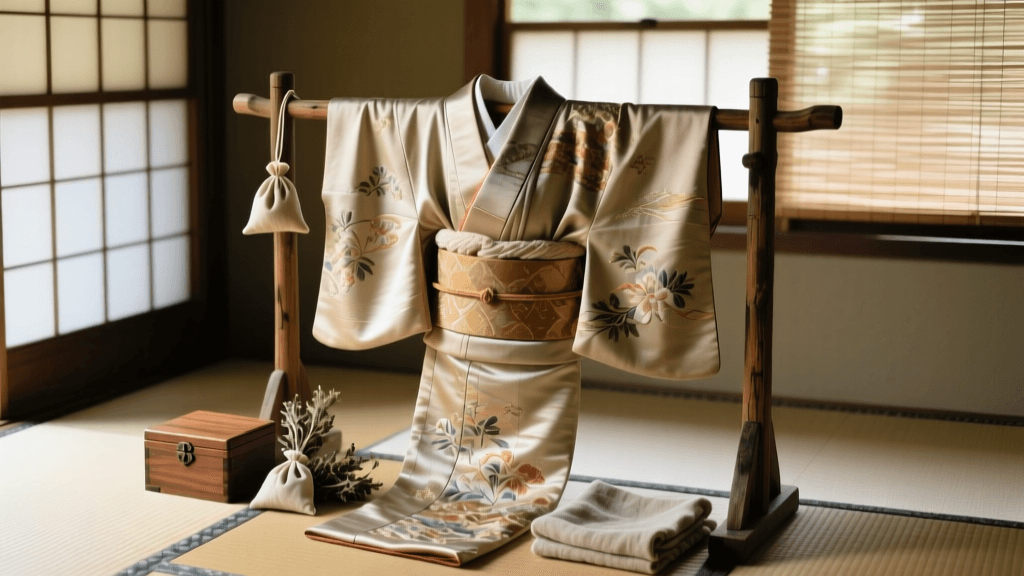
Care remains the biggest hurdle for traditional garment adoption. However, 2026 has seen the widespread adoption of ozone-based garment care closets in urban apartments across Asia. These devices use ozone gas and micro-steam to sanitize, deodorize, and remove wrinkles from delicate ceremonial silks without the harsh chemicals of traditional dry cleaning. For everyday cotton and linen hanbok or kimono, enzyme-based cold-water detergents specifically formulated for natural Asian dyes have hit the mainstream market, preventing the fading historically associated with indigo and safflower dyes.
"The survival of traditional dress in the 21st century relies not on freezing it in a ceremonial past, but on allowing the everyday iterations to breathe, adapt, and integrate into the modern rhythm of life."
— Curatorial Department, Smithsonian National Museum of Asian Art
Building Your 2026 Traditional Wardrobe
If you are looking to incorporate Asian traditional garments into your life this year, experts recommend a bifurcated approach:
- Invest in One Ceremonial Piece: Purchase or establish a long-term rental relationship for a high-quality Haregi or Myeongjeol hanbok. This ensures you are always prepared for formal cultural events, weddings, and major holidays with the utmost respect for etiquette.
- Curate a Capsule of Everyday Wear: Acquire 2-3 everyday pieces (such as a washable Komon or a cotton Saenghwal Chima) that can be mixed and matched with your existing contemporary wardrobe. Focus on neutral tones or subtle geometric patterns that bridge the gap between traditional textile and modern fashion.
- Prioritize Modern Closures for Daily Use: Do not feel guilty about utilizing pre-tied obi belts or magnetic hanbok closures for everyday wear. The goal of Saenghwal and Seiso is integration into daily life; if the dressing process is a barrier, the garment will remain in the closet.
Conclusion
The dichotomy between ceremonial and everyday traditional garments is not a story of obsolescence versus modernity, but rather a dual-track evolution. In 2026, the Haregi and Myeongjeol garments stand as vital, protected monuments to Asian heritage, demanding time, investment, and reverence. Simultaneously, the Seiso and Saenghwal garments serve as living, breathing textiles that adapt to the subway commutes, coffee shop meetings, and street-style photography of the modern era. By understanding the distinct rules, fabrics, and purposes of both spheres, you can respectfully and stylishly participate in the ongoing legacy of Asian sartorial traditions.