Celebrity Kimono Trends: Red Carpet to Street Style Guide
The Global Renaissance of the Kimono in Modern Fashion
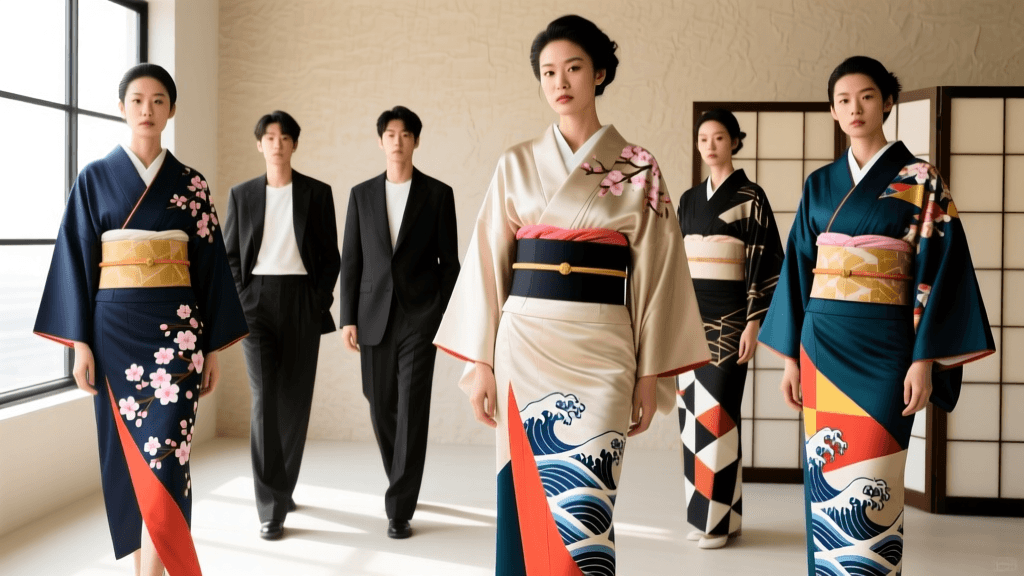
The traditional Japanese kimono has long been revered as a masterpiece of textile art, steeped in centuries of cultural significance, strict dressing rules, and seasonal motifs. However, in recent years, a dramatic shift has occurred. Driven by global celebrities, high-fashion runways, and avant-garde street style influencers, the kimono has transcended its traditional boundaries to become a versatile staple in the modern global wardrobe. As highlighted by the Victoria and Albert Museum's 'Kimono: Kyoto to Catwalk' exhibition, the garment has continuously evolved, influencing Western fashion houses while simultaneously being reimagined by contemporary Japanese youth and global trendsetters.
Today, you do not need to be a master of kitsuke (the art of kimono dressing) to incorporate these stunning silk garments into your daily rotation. From the red carpets of Paris to the neon-lit streets of Harajuku, influencers are deconstructing the kimono, mixing heritage silk with denim, leather, and modern streetwear. This comprehensive guide will break down the most prominent celebrity and influencer kimono trends, providing you with actionable advice, precise measurements, and sourcing tips to build your own trend-forward Japanese garment wardrobe.
The 'Haori-Core' Streetwear Movement
Perhaps the most accessible and widely adopted trend among global influencers is the styling of the haori. Traditionally worn as a formal jacket over a kimono, the haori is an open-front garment that does not require an obi (sash) to keep it closed. This structural freedom makes it the perfect candidate for modern layering. Celebrities and street style stars are frequently photographed wearing vintage silk haori as duster coats over graphic t-shirts, turtlenecks, and tailored denim.
Actionable Sizing and Measurement Guide
Unlike Western jackets, haori are generally 'free-size' in the torso, but the sleeve span and length are crucial for achieving the coveted oversized, draped silhouette favored by influencers.
- Yuki (Sleeve Span): Measure from the center of your back neck, across your shoulder, and down to your wrist. For a modern, oversized influencer look, look for a haori with a yuki of 125cm to 135cm (approx. 49 to 53 inches). This ensures the sleeves drape elegantly past the wrist.
- Mitake (Back Length): Standard haori range from 80cm to 100cm (31 to 39 inches). For a streetwear aesthetic that pairs well with wide-leg trousers or midi skirts, aim for a length of 90cm or longer, allowing the hem to hit mid-thigh.
- Sode (Sleeve Depth): Influencers often favor deeper sleeves for dramatic effect. Look for a sleeve drop of 35cm to 45cm. Vintage kurotomesode or furisode repurposed into haori often feature these dramatic, sweeping sleeves.
Cost and Sourcing
Vintage silk haori are abundant in the secondhand market. You can source authentic, hand-painted or yuzen-dyed silk haori on platforms like Etsy, eBay, or specialized Japanese vintage exporters for between $45 and $150. Look for terms like 'vintage silk haori jacket' and always verify the lining, as a pristine silk lining indicates the garment was well-cared for and stored properly away from moisture.
The Obi Corset: High Fashion Meets Heritage
On the high-fashion runways and among avant-garde influencers, the obi (the traditional sash used to secure a kimono) has been entirely recontextualized. Rather than being tied in complex knots like the otaiko or bunko, stiff, brocade obi are being wrapped around the waist over oversized blazers, slip dresses, and even denim jackets to act as statement corsets or wide cinch belts.
This trend celebrates the incredible textile craftsmanship of the obi, which often features intricate nishijin-ori (Nishijin weaving) with real gold and silver threads. By wearing the obi as an outer belt, the wearer turns a hidden structural element into the focal point of the outfit.
How to Style the Obi Belt
- Select the Right Type: Avoid soft, sheer summer obi or unlined hanhaba obi. Instead, search for a fukuro obi or maru obi. These are fully lined, heavily brocaded, and possess a stiff core that holds its shape when wrapped tightly around the waist.
- Dimensions: A standard modern fukuro obi is approximately 30cm to 32cm (12 inches) wide and over 400cm (157 inches) long. This width is perfect for creating a corset-like silhouette that cinches the waist and provides lower back support.
- Securing the Look: Influencers rarely tie traditional knots for this look. Instead, wrap the obi tightly around your natural waist or slightly lower over a structured blazer, and secure the ends at the back using heavy-duty safety pins, hidden velcro strips, or a sleek, modern leather belt buckle threaded through the fabric.
Comparison Chart: Traditional Rules vs. Influencer Trends
Understanding the contrast between traditional kitsuke rules and modern influencer styling is key to mastering this aesthetic. The table below outlines how the rules are being broken and reimagined for contemporary wear.
| Styling Element | Traditional Rule | Influencer Trend | Estimated Cost |
|---|---|---|---|
| Footwear | Zori sandals with white tabi socks | Chunky sneakers, combat boots, or loafers | $80 - $300 |
| Innerwear | Hadajuban and nagajuban (under-kimono) | Fitted turtlenecks, mesh tops, or crop tops | $30 - $120 |
| Silhouette | Straight, cylindrical, hiding the body shape | Cinched waist, open fronts, asymmetrical hems | N/A |
| Collar (Eri) | Tight at the back neck, showing exactly two fists | Deep V-neck, pulled back loosely, or worn open | N/A |
| Fasteners | Himo (silk ties) and datejime (stiff under-sash) | Leather belts, corset lacing, or modern brooches | $20 - $150 |
Footwear and Innerwear: The Modern Foundations
The Japan National Tourism Organization (JNTO) notes that while traditional kimono experiences remain a massive draw for cultural tourism, the everyday integration of these garments by locals and global fashion enthusiasts relies heavily on modernizing the foundations of the outfit.
Ditching the Tabi for Streetwear Kicks
One of the most defining characteristics of the influencer kimono look is the footwear. Traditional zori or geta are replaced with high-end sneakers or heavy boots. The juxtaposition of delicate, hand-painted chirimen (silk crepe) against the rugged rubber soles of chunky sneakers creates a visual tension that is highly favored in street style photography. When wearing sneakers with a full kimono, influencers often hike the hem slightly higher at the front (a technique called ohashori) to prevent the silk from dragging on the pavement and to showcase the footwear.
Modernizing the Innerwear
Traditional innerwear can be bulky, hot, and expensive. Influencers bypass the nagajuban entirely, opting instead for modern, form-fitting base layers. A black or white ribbed turtleneck worn beneath a vibrant, vintage silk kimono creates a sleek, modern neckline that frames the face and contrasts beautifully with the wide, open collar of the garment. For summer styling, sheer mesh tops or lace-trimmed camisoles are layered underneath lightweight ro or sha (sheer woven silk) kimono, playing with transparency and texture in a way that traditional rules strictly forbid.
Building and Caring for Your Trend-Forward Wardrobe
Entering the world of vintage kimono can be overwhelming due to the sheer volume of fabrics, patterns, and terminology. According to The Metropolitan Museum of Art's Asian Art archives, the preservation of silk garments requires specific environmental controls, a fact that modern buyers must consider when curating a vintage collection.
Sourcing Strategy and Timing
To build a high-quality, influencer-level wardrobe on a budget, timing your purchases is crucial. The best time to buy vintage kimono is during the end-of-season sales in Japan, typically in January and July. Online marketplaces like Rakuten, Yahoo! Auctions Japan (accessible via proxy services like Buyee or ZenMarket), and specialized Instagram vintage sellers offer the best variety. Look for tsumugi (pongee silk) for a more casual, textured, and durable everyday fabric, or rinzu (figured satin silk) for high-shine, red-carpet-worthy evening wear.
Care and Maintenance for Vintage Silk
Unlike modern polyester kimono, which can be machine-washed, authentic vintage silk requires meticulous care to maintain its structural integrity and vibrant dyes.
- Airing Out: After wearing, never immediately fold and store the kimono. Hang it on a wide, padded hanger in a well-ventilated, shaded room for 24 hours to allow moisture and odors to dissipate.
- Spot Cleaning: Never use water on vintage silk, as it can cause water spots and shrinkage. Use a specialized silk dry-cleaning solvent or take it to a professional cleaner who specializes in traditional Japanese garments.
- Storage: Store your silk garments flat, folded along their original seams, in a cool, dark place. Wrap them in acid-free tissue paper or unbleached cotton cloth. Avoid plastic bags, which can trap moisture and lead to mold or yellowing of the silk fibers.
Conclusion: Wearing the Culture with Respect and Innovation
The modernization of the kimono by celebrities and influencers is not about erasing its history, but rather about ensuring its survival in a fast-paced, globalized world. By understanding the foundational elements of the garment—its precise measurements, its exquisite textiles, and its traditional silhouettes—fashion enthusiasts can break the rules intentionally and respectfully. Whether you are wrapping a gold-threaded fukuro obi over a tailored blazer or throwing a vibrant, floral haori over a vintage band tee, you are participating in a living, breathing fashion evolution that honors the past while boldly stepping into the future.